Introduction
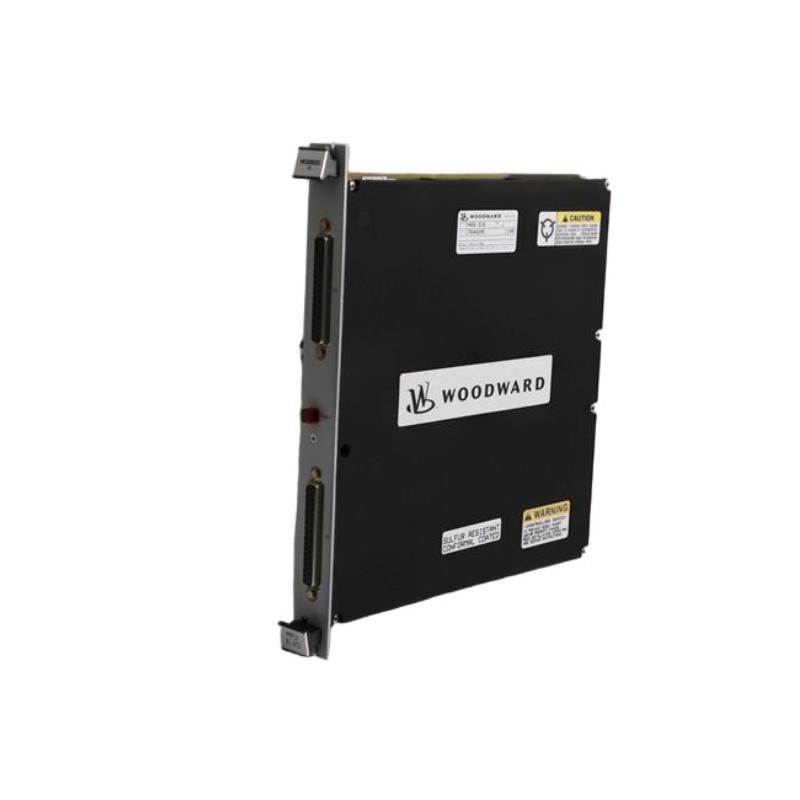
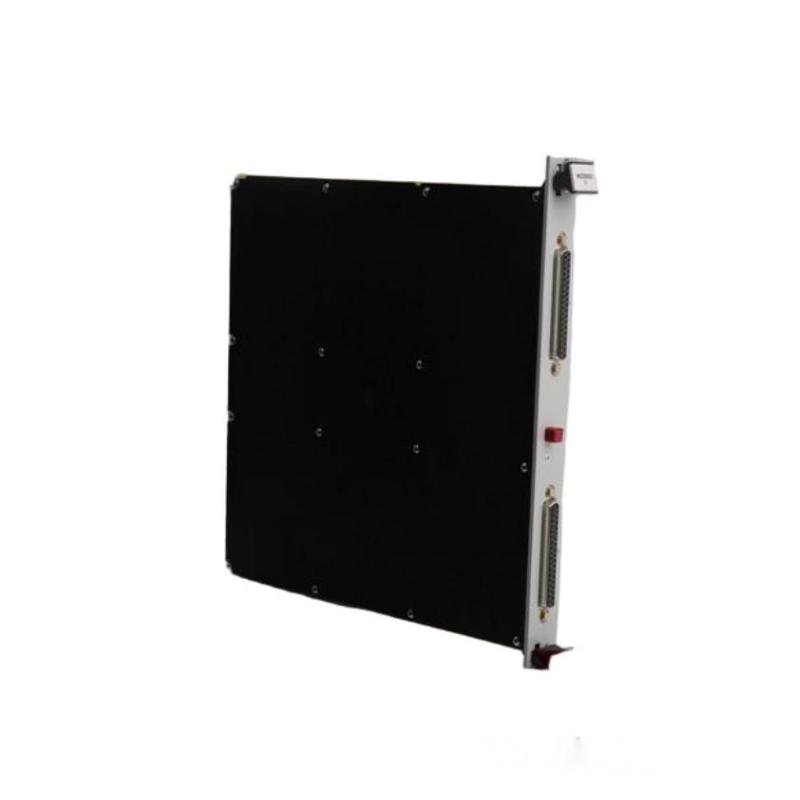
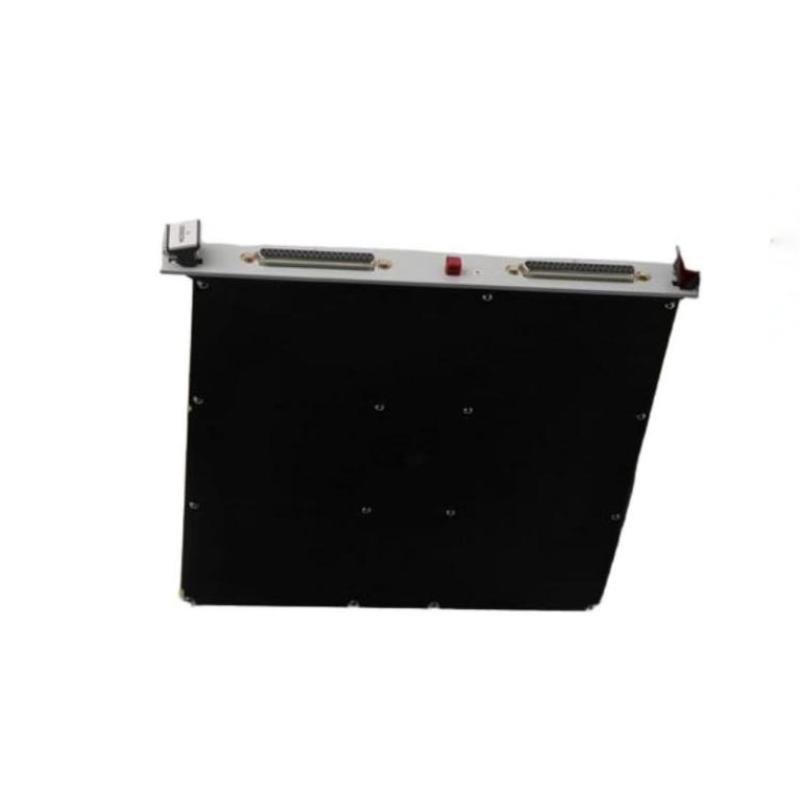
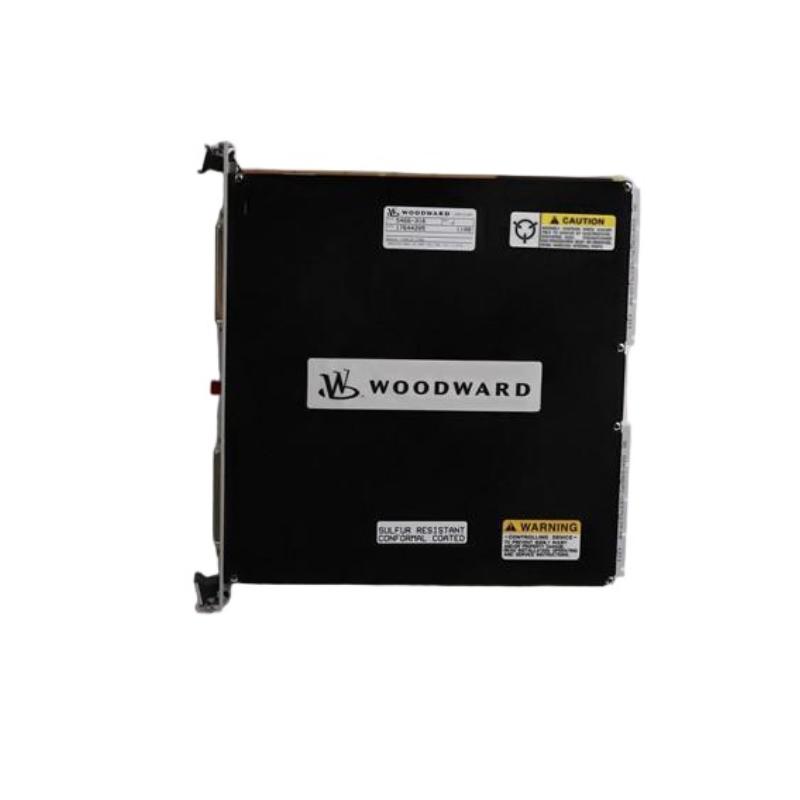
The Woodward 5466-316 Simulation Combined Module serves as a diagnostic and verification tool for industrial control systems. In complex automation architectures, engineers must ensure that control logic, alarms, and protective functions operate correctly before equipment is deployed into production environments.
This module enables simulation of field device signals so that system responses can be analyzed under controlled conditions. Through this capability, engineers can confirm that automation systems behave correctly during both normal and abnormal operating scenarios.
The module is widely used in power generation facilities, industrial process plants, and turbine control installations where reliable system verification is required before equipment is placed into service.
Technical Specifications
| Parameter | Specification |
|---|
| Manufacturer | Woodward |
| Model | 5466-316 |
| Module Type | Simulation Combined Module |
| Function | Signal simulation and system testing |
| Application | Control system commissioning and diagnostics |
| System Compatibility | Woodward industrial automation platforms |
| Installation | Control rack / automation cabinet |
| Operating Mode | Continuous testing and diagnostic operation |
| Dimensions | 245 × 25 × 261 mm |
| Weight | 0.85 kg (1.87 lb) |
Field Simulation Interface for Control System Verification
The Woodward 5466-316 Simulation Combined Module is engineered to support system-level testing, functional verification, and signal simulation within industrial automation and turbine control platforms. Simulation modules provide a controlled environment where engineers can emulate field signals and system responses without connecting actual process equipment.
In modern automation infrastructures, validating system logic before commissioning is critical. The 5466-316 module allows technicians to reproduce operational scenarios such as sensor feedback, alarm conditions, or equipment states. This ensures the control algorithms react correctly before real machinery is placed under control.
Common industrial scenarios include:
-
Pre-commissioning verification of turbine control systems
-
Control loop validation in power generation plants
-
Functional testing of alarm and protection logic
-
Simulation of sensor feedback signals for diagnostic analysis
-
Training environments for operators learning system responses
-
Maintenance troubleshooting for complex automation platforms
By allowing engineers to recreate realistic operating conditions safely, the module helps reduce commissioning risks and improves overall system reliability.
Engineering Benefits
Integrated Signal Simulation Capability
Generates controlled signals that replicate real field device responses.
Improved Commissioning Efficiency
Enables full verification of control logic before live equipment is connected.
Enhanced Troubleshooting Support
Allows maintenance teams to isolate system faults without interrupting plant operations.
Stable Operation in Industrial Environments
Designed for reliable performance in automation cabinets and control racks.
Compatibility with Woodward Automation Architectures
Optimized to function within Woodward turbine and industrial control systems.
Technical FAQs
1. What is the main function of the 5466-316 module?
It provides signal simulation and system verification capabilities for industrial control platforms.
2. Why is signal simulation important in automation systems?
Simulation helps engineers test control logic and system responses without connecting real field devices.
3. When is this module typically used?
During system commissioning, maintenance diagnostics, and control system validation.
4. What types of signals can be simulated?
Signals representing sensor feedback, device states, and alarm conditions.
5. How does the module help during system startup?
It allows engineers to verify that the control system reacts correctly to simulated operating conditions.
6. Can the module operate continuously during testing procedures?
Yes, it is designed for extended testing sessions in industrial environments.
7. Which industries typically use simulation modules like this?
Power generation, oil and gas processing, petrochemical plants, and heavy manufacturing.
8. How does simulation reduce commissioning risk?
By identifying logic errors or configuration issues before connecting real equipment.
9. Where is the module typically installed?
Inside control system racks or test cabinets as part of the automation platform.
10. Can this module assist with operator training?
Yes, simulated signals allow operators to observe system responses to different operational scenarios.
 A DCS Q Co., Ltd. - PLC and DCS Industrial Control Equipment Wholesale