Introduction
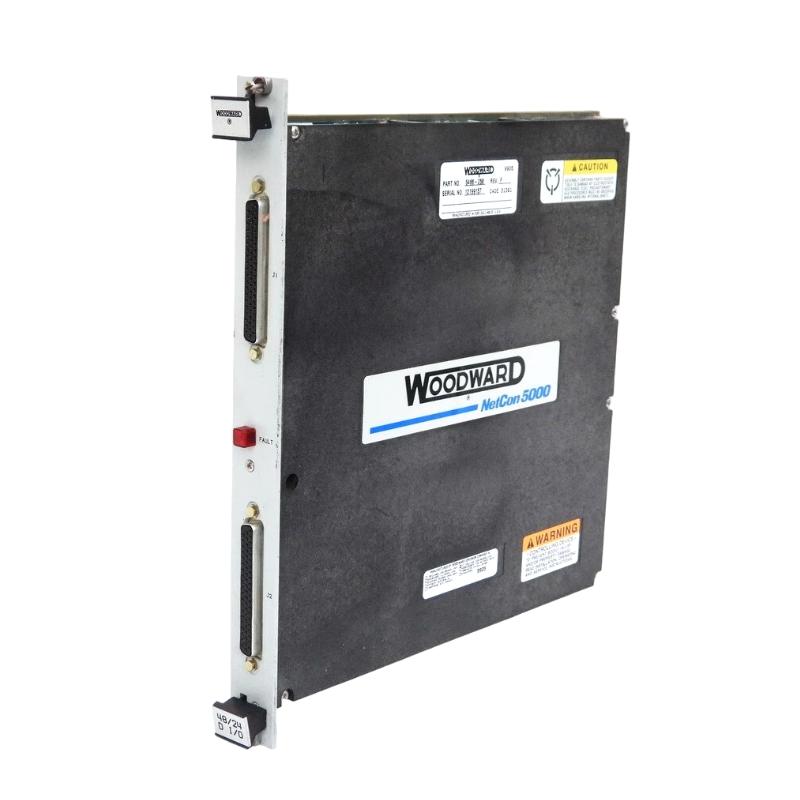
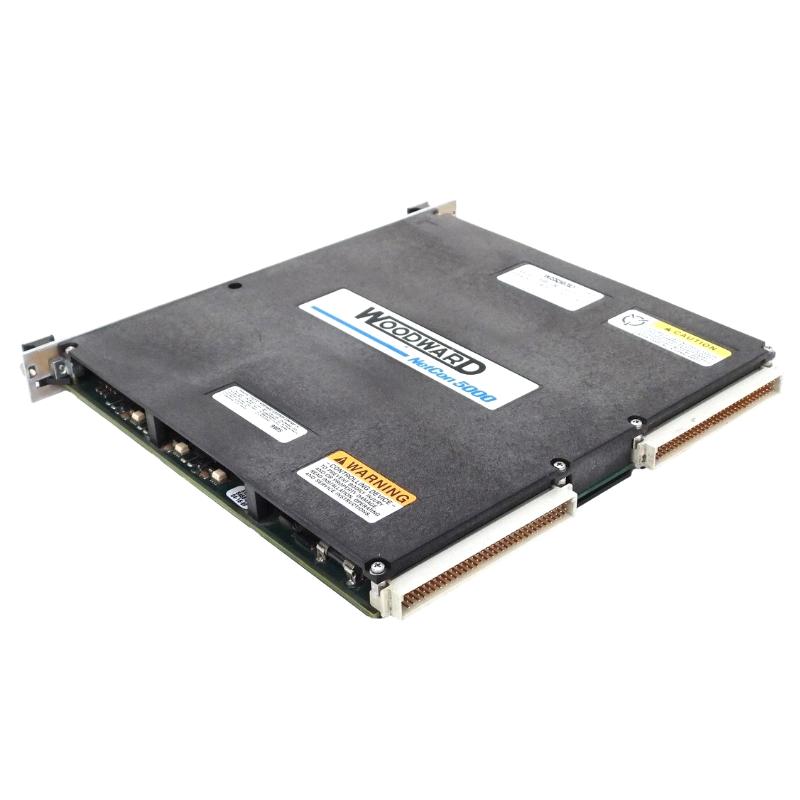
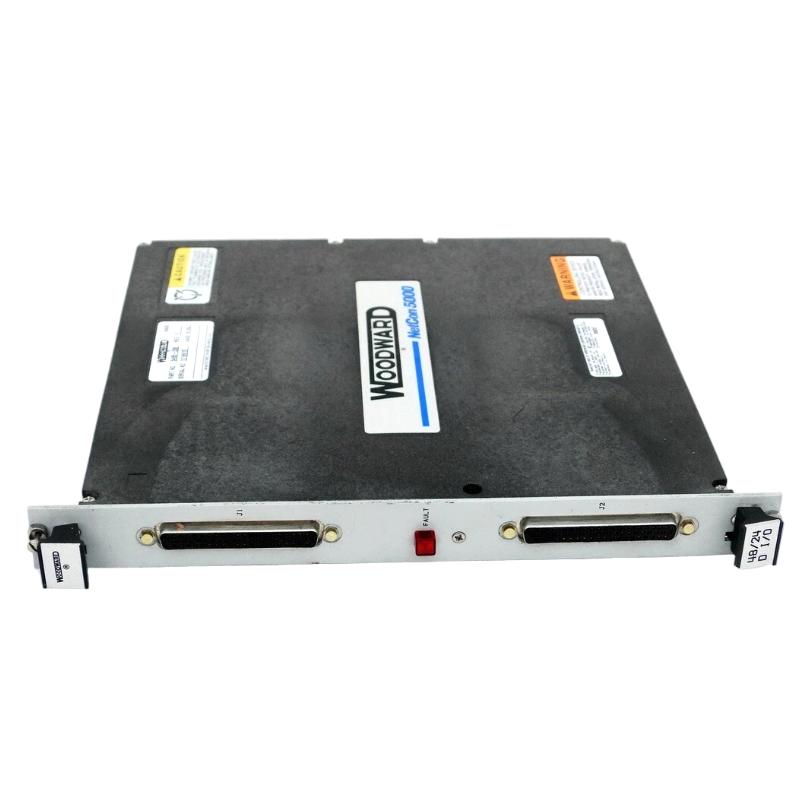
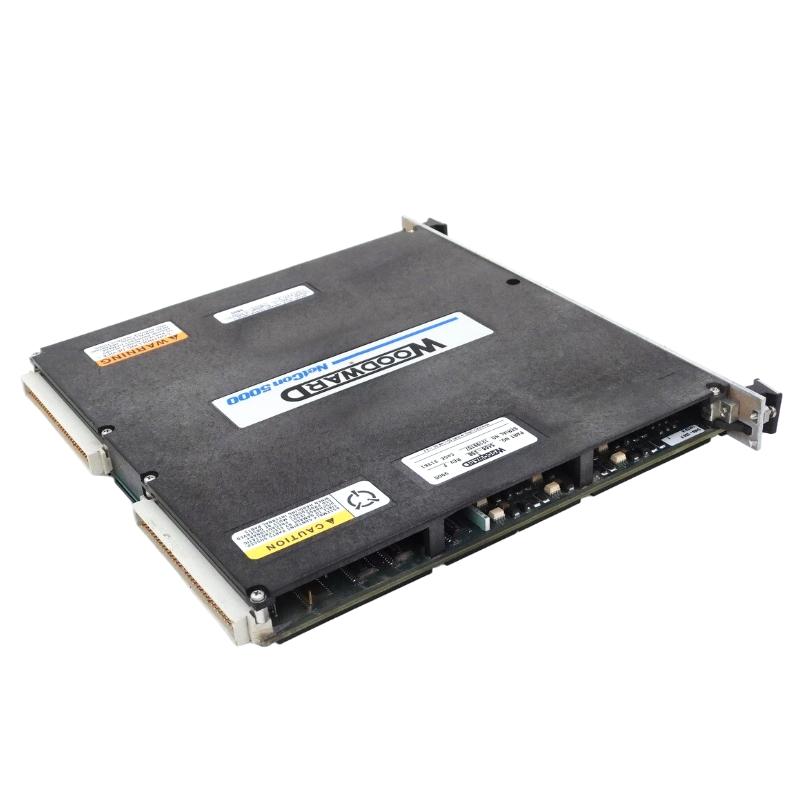
The Woodward 5466-258M Discrete I/O Module is designed to facilitate communication between industrial control systems and field-level devices that operate using digital signals. In automation systems, discrete signals are essential for monitoring equipment states and executing control commands.
The module receives input signals from sensors and switches while also sending output commands to actuators, relays, and other devices. This bidirectional signal handling allows the control system to coordinate machine operations, trigger alarms, and maintain safe working conditions.
Widely deployed in turbine control systems and industrial automation platforms, the 5466-258M module helps ensure efficient communication between field hardware and centralized control infrastructure.
Technical Specifications
| Parameter | Specification |
|---|
| Manufacturer | Woodward |
| Model | 5466-258M |
| Module Type | Discrete I/O Module |
| Function | Digital signal interface between field devices and control systems |
| Application | Industrial automation, turbine control, process monitoring |
| Signal Type | Discrete (binary) input/output signals |
| Installation | Control rack / industrial automation cabinet |
| Operating Mode | Continuous industrial operation |
| Dimensions | 265 × 120 × 45 mm |
| Weight | 0.95 kg (2.09 lb) |
Industrial Signal Interface for Reliable Automation Control
The Woodward 5466-258M Discrete I/O Module functions as a digital interface between control systems and field devices within industrial automation environments. Discrete I/O modules handle binary signals—typically representing ON/OFF states—allowing the control system to monitor equipment status and activate field components accordingly.
In turbine control systems, manufacturing automation lines, and process plants, discrete signals are widely used for tasks such as valve actuation, motor start/stop commands, alarm monitoring, and equipment interlocks. The 5466-258M module enables these signals to be transmitted reliably between sensors, switches, and actuators and the central control processor.
Typical operational scenarios include:
-
Monitoring field switches, relays, and digital sensors
-
Sending start/stop commands to motors and pumps
-
Activating alarm indicators and warning systems
-
Handling safety interlocks in turbine and engine control systems
-
Supporting digital signal exchange within industrial automation platforms
-
Coordinating machine states in manufacturing process control
By managing discrete signal communication efficiently, the module contributes to accurate machine control and stable industrial operations.
Industrial Signal Interface for Reliable Automation Control
The Woodward 5466-258M Discrete I/O Module functions as a digital interface between control systems and field devices within industrial automation environments. Discrete I/O modules handle binary signals—typically representing ON/OFF states—allowing the control system to monitor equipment status and activate field components accordingly.
In turbine control systems, manufacturing automation lines, and process plants, discrete signals are widely used for tasks such as valve actuation, motor start/stop commands, alarm monitoring, and equipment interlocks. The 5466-258M module enables these signals to be transmitted reliably between sensors, switches, and actuators and the central control processor.
Typical operational scenarios include:
-
Monitoring field switches, relays, and digital sensors
-
Sending start/stop commands to motors and pumps
-
Activating alarm indicators and warning systems
-
Handling safety interlocks in turbine and engine control systems
-
Supporting digital signal exchange within industrial automation platforms
-
Coordinating machine states in manufacturing process control
By managing discrete signal communication efficiently, the module contributes to accurate machine control and stable industrial operations.
Technical FAQs
1. What is the primary purpose of the 5466-258M module?
It manages discrete input and output signals between field equipment and the control system.
2. What are discrete signals in industrial automation?
Discrete signals represent binary states such as ON/OFF, OPEN/CLOSED, or TRUE/FALSE.
3. What types of devices connect to this module?
Devices such as limit switches, relays, pushbuttons, contact sensors, and actuators.
4. Where is the module typically installed?
Inside industrial control cabinets or system racks within automation systems.
5. How does the module support system monitoring?
It receives status signals from field devices and transmits them to the control processor.
6. Can the module control external devices?
Yes, it can send digital commands to activate or deactivate equipment.
7. What industries commonly use discrete I/O modules?
Power generation, oil and gas processing, petrochemical plants, and manufacturing facilities.
8. How does discrete I/O contribute to system safety?
It enables monitoring of interlocks and emergency signals, helping prevent unsafe conditions.
9. Can the module operate in continuous industrial environments?
Yes, it is designed for continuous operation in industrial automation systems.
10. What happens if discrete I/O communication fails?
The control system may lose visibility or control of field equipment states, potentially affecting system operation.
 A DCS Q Co., Ltd. - PLC and DCS Industrial Control Equipment Wholesale











