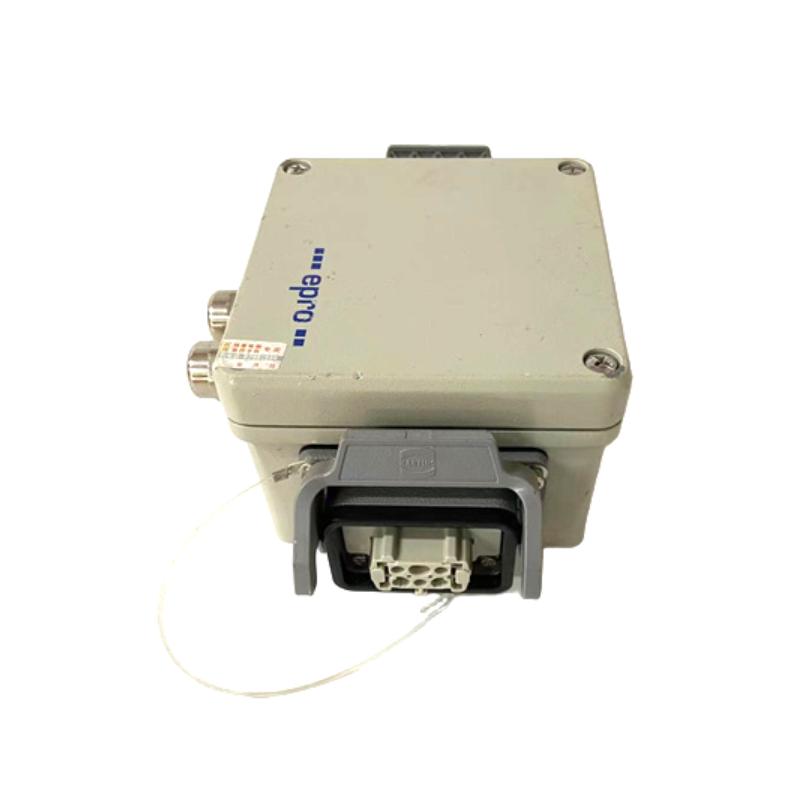
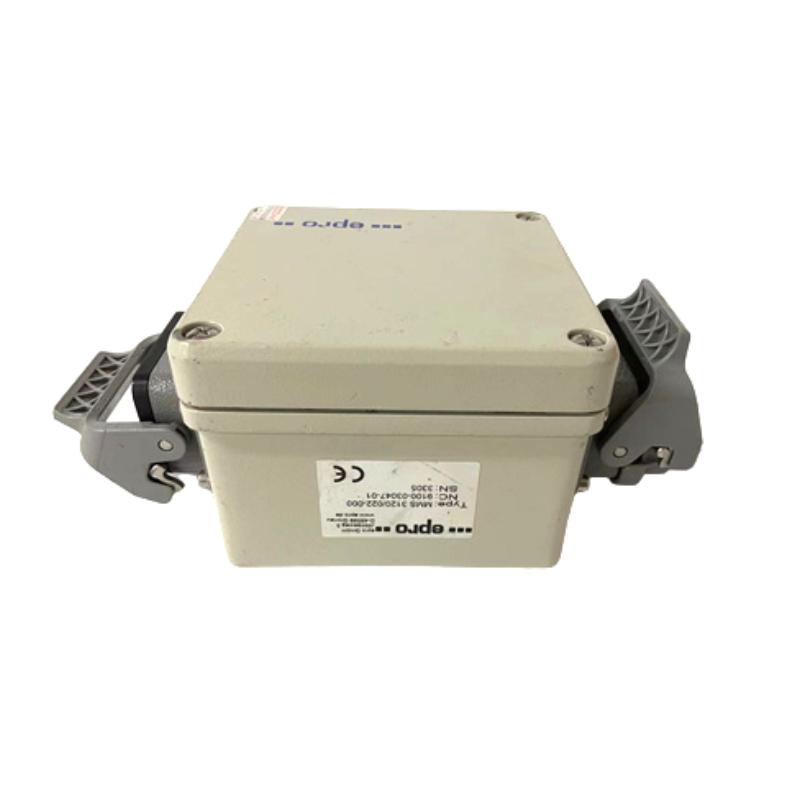
Product Overview
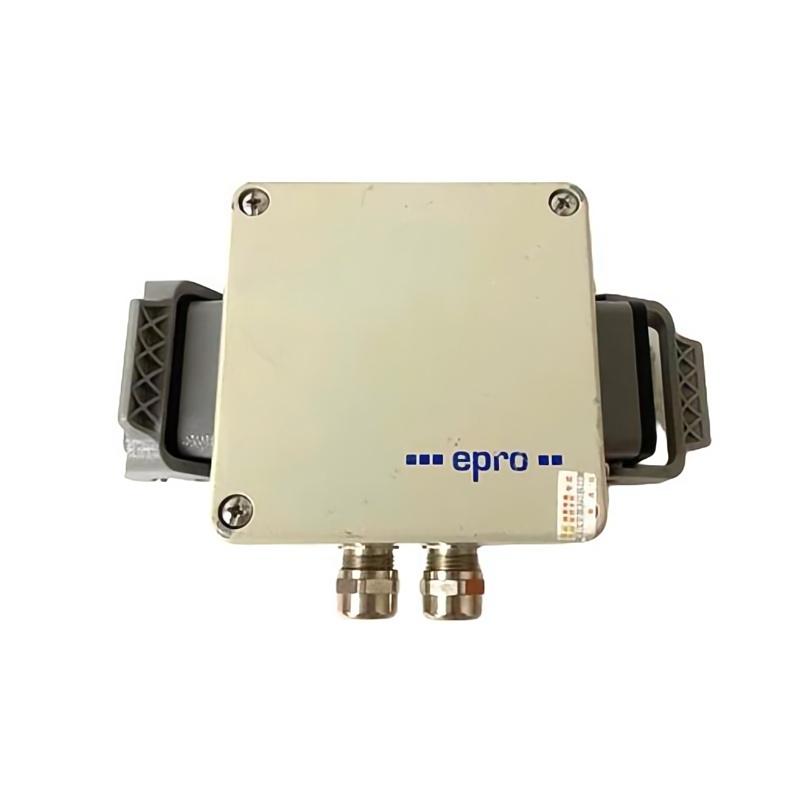
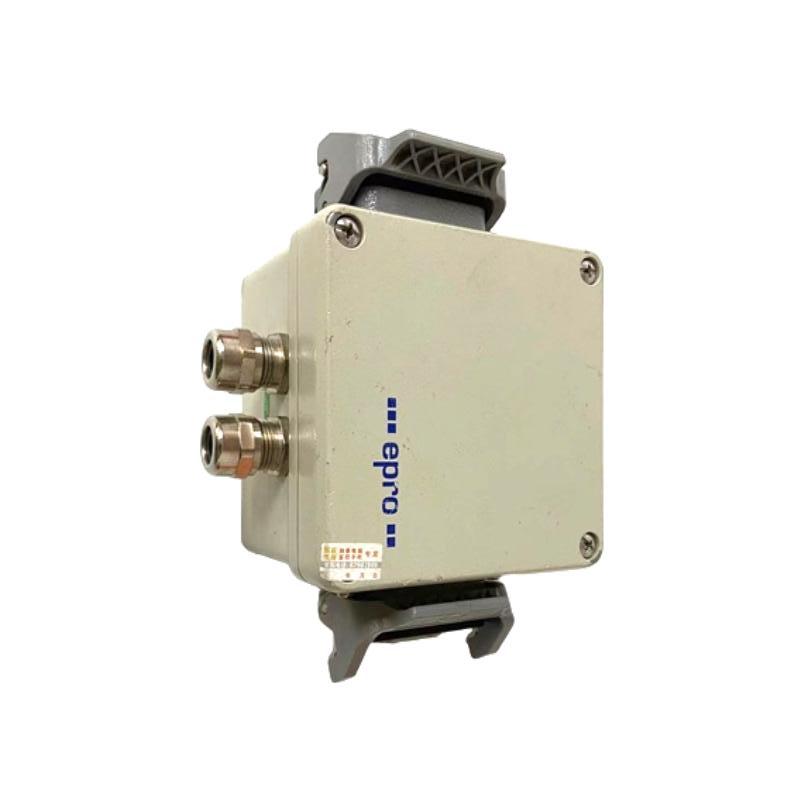
The Epro MMS3110 Dual-Channel Shaft Vibration Transmitter is a specialized monitoring device engineered for continuous condition monitoring of rotating machinery. It converts vibration signals from eddy current sensors into standardized current outputs that can be interpreted by plant monitoring or protection systems.
With two measurement channels and programmable configuration options, the transmitter allows engineers to monitor vibration levels at multiple shaft locations simultaneously. This capability supports early detection of abnormal operating conditions such as imbalance, misalignment, or bearing degradation.
The MMS3110 is commonly installed in turbine monitoring cabinets, compressor protection systems, and other critical machinery monitoring architectures where continuous vibration analysis is required for operational safety and reliability.
Technical Specifications
| Parameter | Specification |
|---|
| Manufacturer | Epro |
| Model | MMS3110 |
| Module Type | Dual-Channel Shaft Vibration Transmitter |
| Monitoring Channels | 2 independent vibration channels |
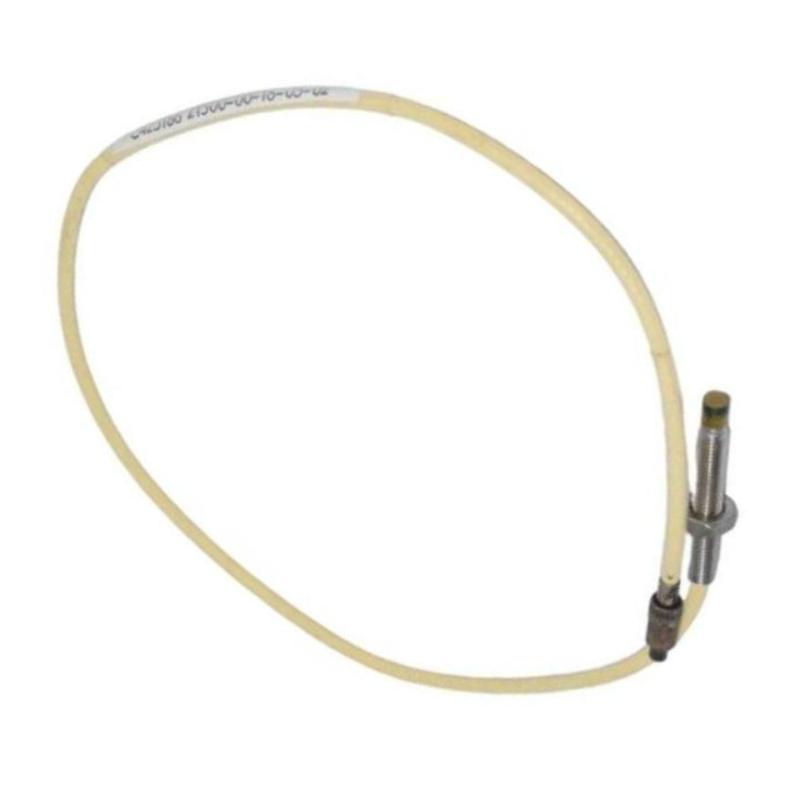
| Sensor Compatibility | Eddy current probes (PR6422 / PR6423 / PR6424 / PR6425) |
| Measurement Type | Shaft vibration / relative displacement |
| Frequency Range | Up to approximately 10 kHz |
| Output Signal | 0/4–20 mA analog current outputs |
| Additional Output | Combined maximum channel output |
| Power Supply | Dual redundant 24 V DC |
| Diagnostic Functions | Sensor and electronics self-monitoring |
| Operating Temperature | −20°C to +65°C |
| Protection Class | IP65 |
| Dimensions | 127.5 × 125.75 × 80 mm |
| Weight | 1.3 kg (2.87 lb) |
Industrial Use Cases for Rotating Equipment Monitoring
The Epro MMS3110 Dual-Channel Shaft Vibration Transmitter is designed for continuous vibration measurement in critical rotating machinery. As part of the Epro machine monitoring platform, the transmitter processes signals from eddy current sensors and converts them into standardized outputs used by PLC, DCS, or dedicated machinery protection systems.
Its dual-channel architecture allows simultaneous monitoring of two shaft vibration signals, enabling engineers to detect imbalance, misalignment, and bearing wear before equipment damage occurs. This makes it a core component in predictive maintenance and turbine protection systems.
Common industrial deployment scenarios include:
-
Steam turbine vibration monitoring in power plants
-
Compressor shaft condition monitoring in petrochemical facilities
-
Industrial pump and motor vibration diagnostics
-
Generator rotor stability monitoring systems
-
Centrifugal fan vibration monitoring in manufacturing plants
-
Machinery protection systems compliant with API 670
The transmitter integrates measurement processing, alarm evaluation, and analog signal conversion to support real-time machine health monitoring.
Engineering Benefits
Dual Independent Monitoring Channels
The transmitter supports two independent vibration measurement channels, allowing simultaneous monitoring of multiple shaft vibration points within rotating equipment.
High-Accuracy Eddy Current Sensor Interface
It interfaces with eddy current probes such as PR6422, PR6423, PR6424, and PR6425, enabling precise non-contact measurement of shaft vibration and displacement.
Industrial Analog Output Signals
Each channel generates galvanically isolated 0/4–20 mA analog outputs, ensuring compatibility with plant control and monitoring systems.
Redundant Power Supply Design
Dual 24 VDC redundant inputs provide higher operational reliability for critical machine protection applications.
Integrated Diagnostics and Alarm Functions
Built-in monitoring detects sensor faults and electronics failures while programmable alarm thresholds enable automated protective responses.
Technical FAQs
1. What type of sensors are compatible with the MMS3110?
The transmitter works with eddy current displacement sensors from the PR642x series.
2. How many monitoring channels are available?
It includes two independent vibration measurement channels for simultaneous monitoring.
3. What vibration parameters can be measured?
The device measures shaft vibration and relative displacement of rotating machinery.
4. What type of output signals are generated?
Each channel provides isolated 4–20 mA analog outputs proportional to vibration levels.
5. Can the transmitter output a combined signal from both channels?
Yes, it can provide an output proportional to the maximum value of both channels for simplified monitoring.
6. What is the typical vibration frequency measurement range?
Typical frequency response is up to around 10 kHz, suitable for most machinery vibration monitoring tasks.
7. What power supply is required for operation?
The transmitter operates using redundant 24 VDC power inputs to ensure reliability.
8. What diagnostic capabilities are built into the device?
The module includes self-diagnostic monitoring for sensors and internal electronics.
9. What industrial standards does the transmitter comply with?
It is designed to meet API 670 and VDI 2059 machinery protection standards.
10. What types of machines commonly use this transmitter?
Typical applications include turbines, compressors, pumps, fans, and large rotating motors.
 A DCS Q Co., Ltd. - PLC and DCS Industrial Control Equipment Wholesale