Industrial Control Environments and System Roles
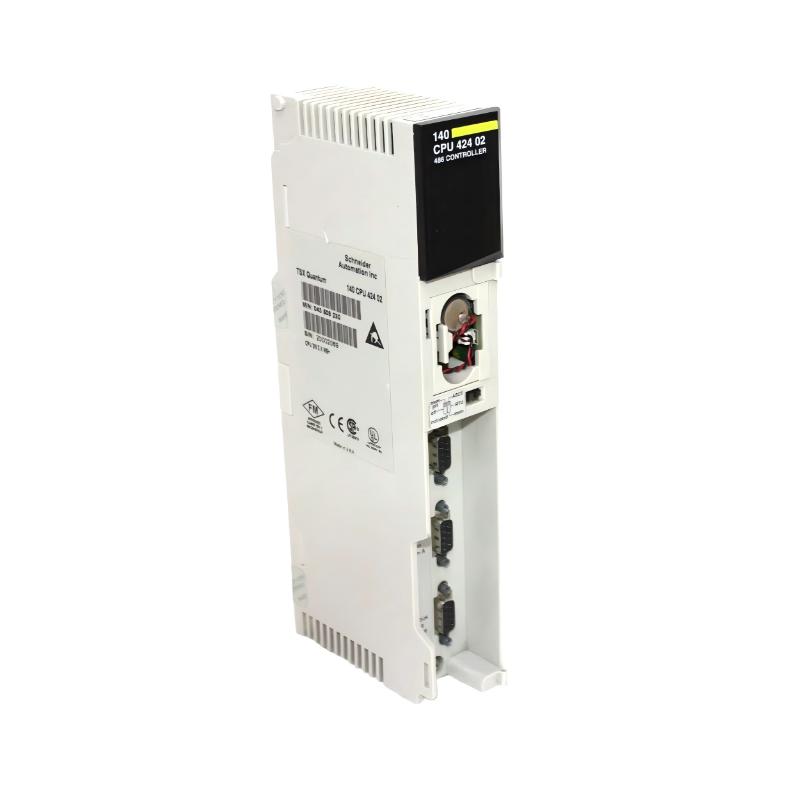
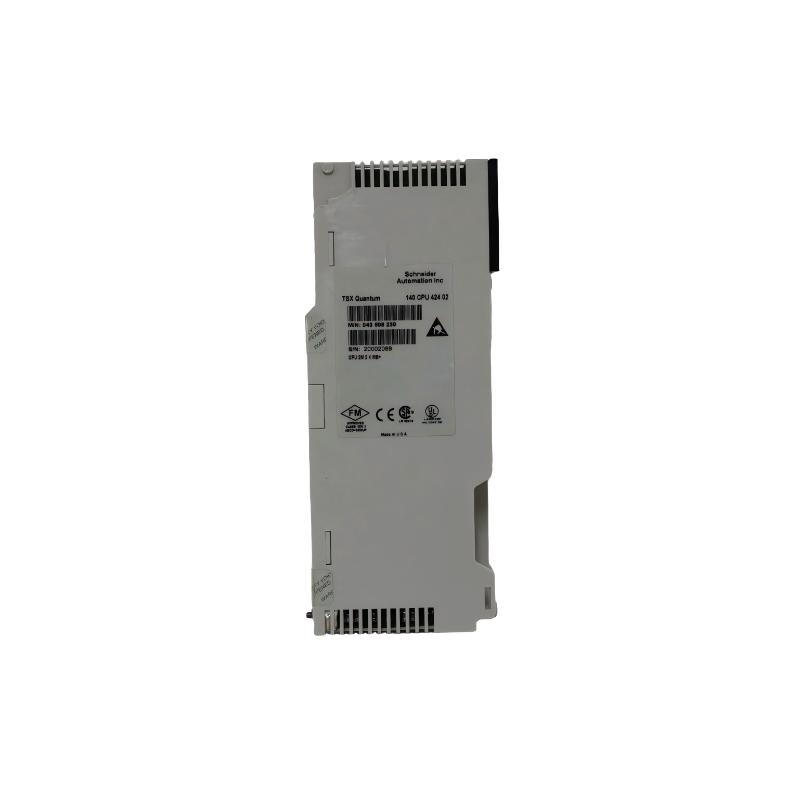
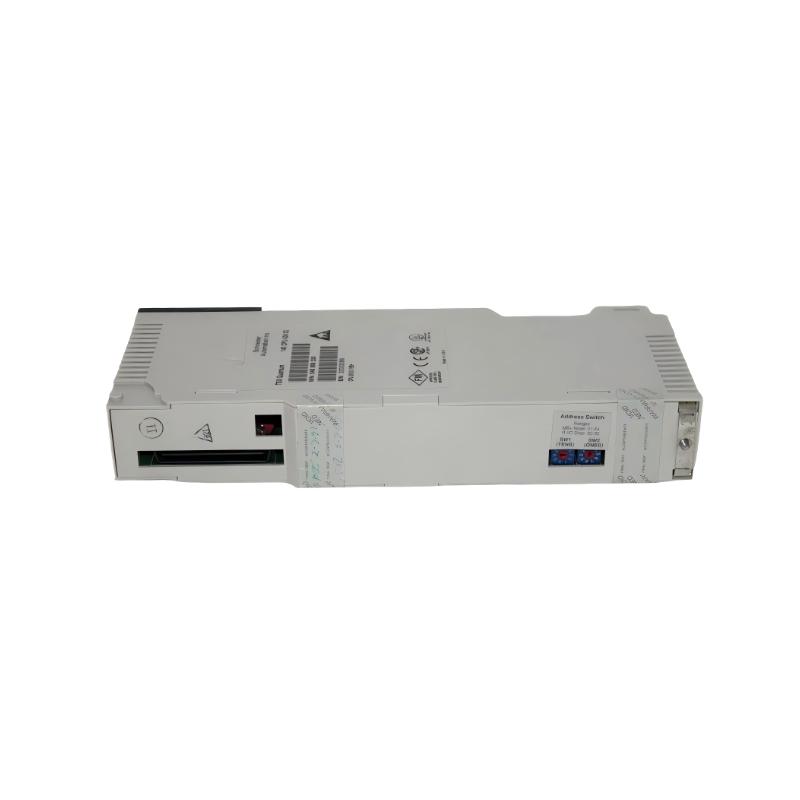
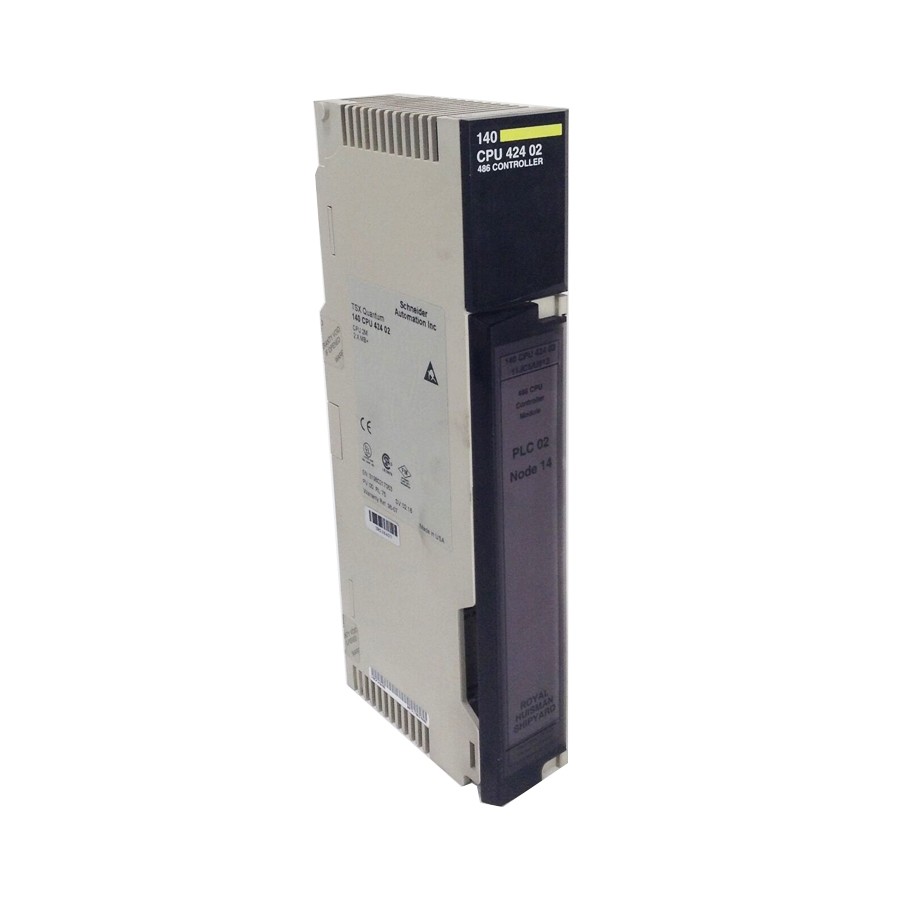
The Schneider 140CPU42402C CPU Module operates as the primary control processor within modular PLC automation systems. As the central component of the control architecture, it executes automation programs, processes field signals, and coordinates communication between various system modules.
This CPU module is commonly used in:
-
Automated manufacturing production systems
-
Process industries such as chemical plants and refineries
-
Power generation facilities supervising plant equipment
-
Oil and gas installations managing pipelines and processing units
-
Utility automation including water treatment and distribution networks
By managing control logic and system communication, the processor ensures that industrial operations run efficiently and reliably.
Key Advantages for Automation Infrastructure
Centralized Logic Execution
The CPU processes automation programs that control industrial machines, processes, and safety systems.
Real-Time Data Processing
It continuously evaluates signals from sensors and transmits commands to field devices.
Efficient System Coordination
The processor manages communication between PLC rack modules, enabling synchronized operation.
Designed for Modular PLC Platforms
Its structure allows seamless installation into automation racks with power supplies and I/O modules.
Reliable Continuous Operation
Engineered for industrial environments where automation systems operate continuously.
Technical FAQs
1. What is the main function of the 140CPU42402C CPU module?
It serves as the central processor responsible for executing control logic within the PLC system.
2. How does the CPU communicate with other PLC modules?
Communication occurs through the PLC rack backplane and dedicated communication interfaces.
3. What type of control programs does the CPU execute?
PLC programs typically include ladder logic, function block diagrams, and structured automation instructions.
4. How does the processor manage real-time automation tasks?
It operates through repeated scan cycles that read inputs, execute program logic, and update outputs.
5. Why is the CPU considered the core of the PLC system?
All control decisions, data processing, and system coordination originate from the processor.
6. Can the CPU communicate with supervisory systems?
Yes, it can exchange data with SCADA or monitoring systems through network communication modules.
7. What happens if the CPU fails during operation?
The control system may stop executing automation logic, which can interrupt industrial processes.
8. How does the CPU support large automation systems?
It coordinates multiple I/O modules and communication interfaces within the PLC rack.
9. What installation conditions are recommended for CPU modules?
Stable electrical supply, adequate ventilation, and a properly configured control cabinet environment.
10. What maintenance practices help maintain CPU performance?
Regular monitoring of diagnostics, firmware updates when required, and inspection of communication connections.
 A DCS Q Co., Ltd. - PLC and DCS Industrial Control Equipment Wholesale