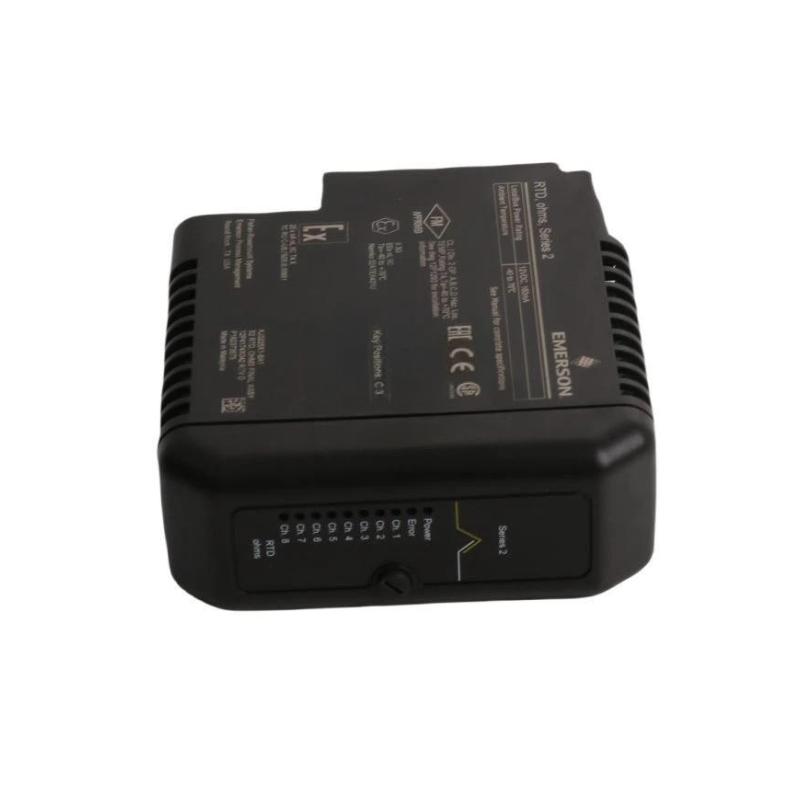
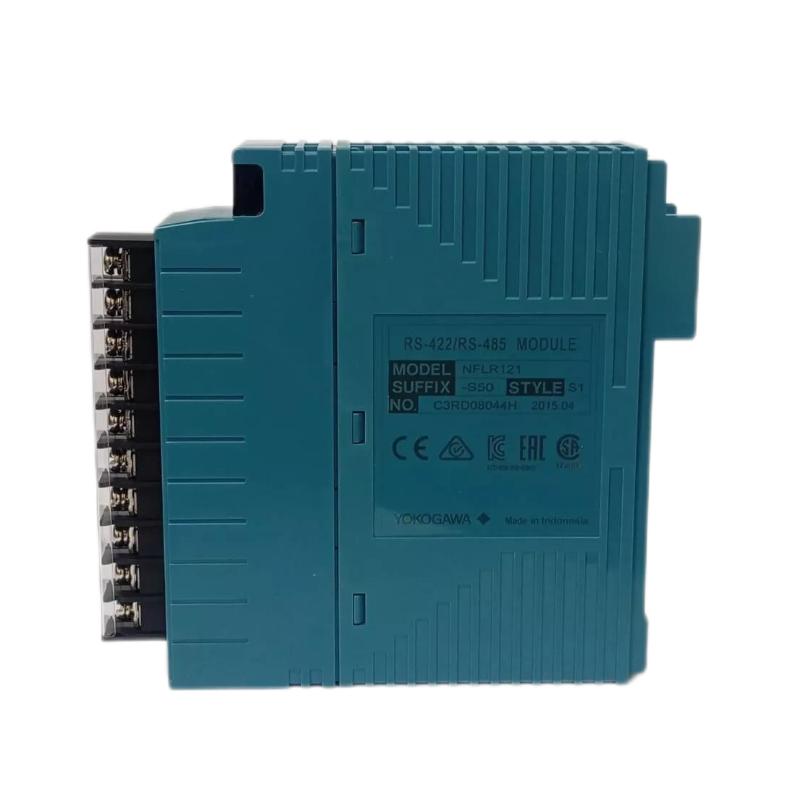
Where This Processor Module Is Commonly Deployed
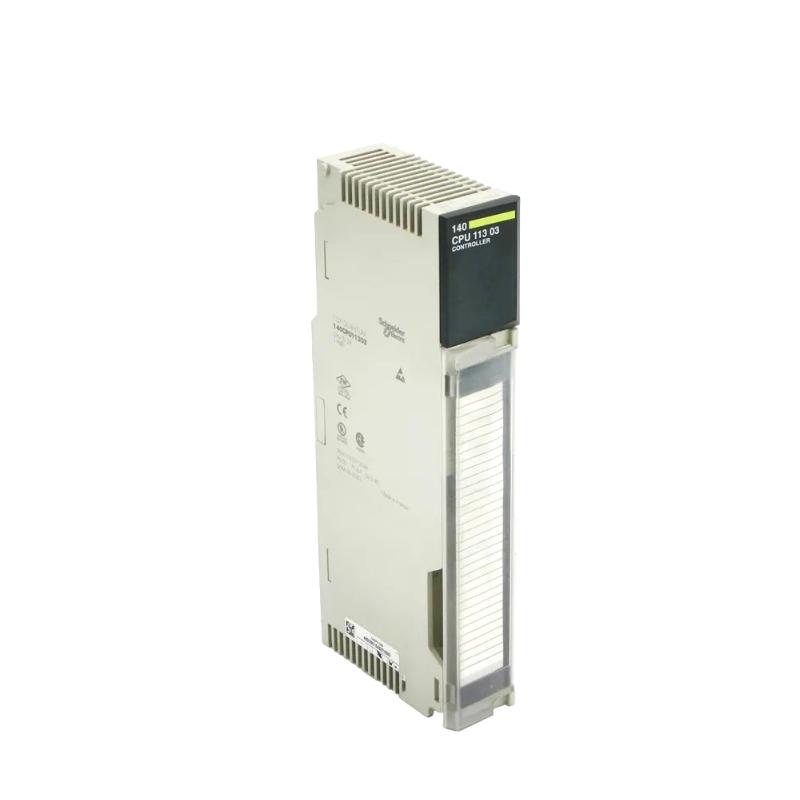
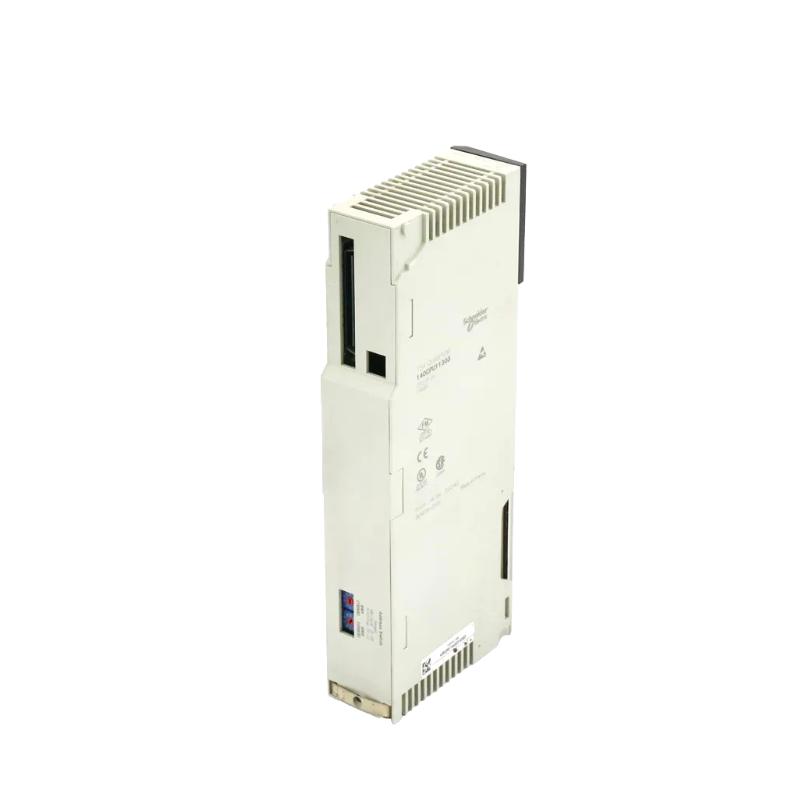
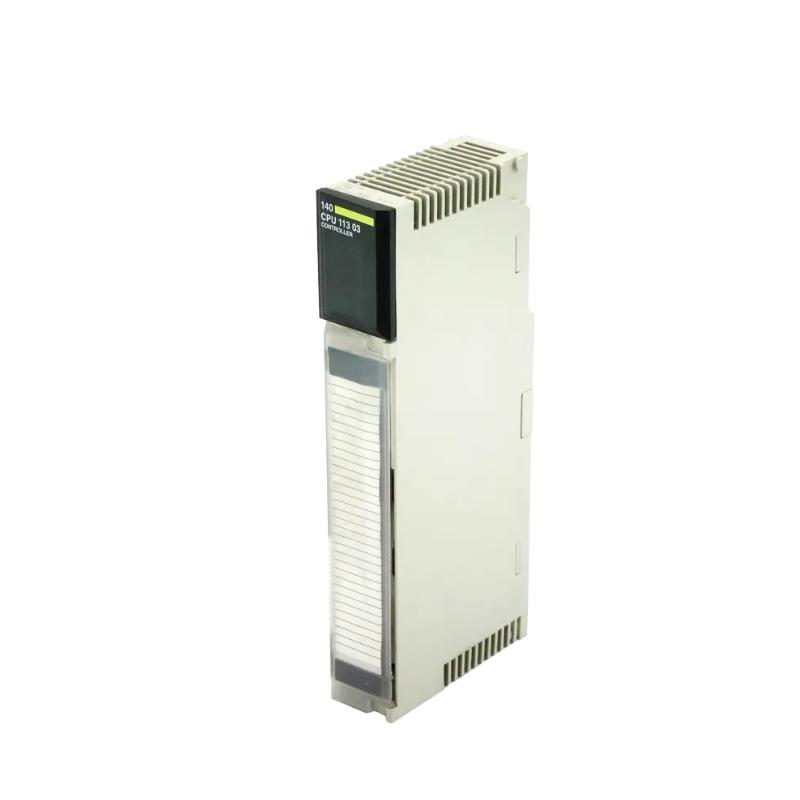
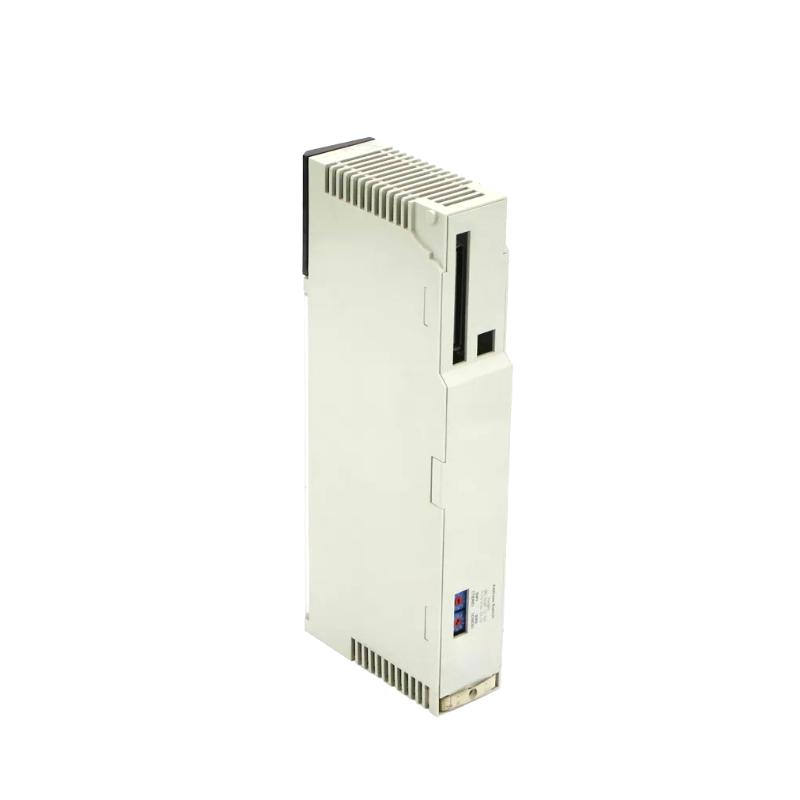
The Schneider 140CPU11303 CPU Module is a processor unit designed for modular PLC automation systems. Acting as the central control component of the automation rack, the CPU executes control logic, processes input signals, and coordinates communication between field devices and supervisory systems.
This processor module is typically applied in:
-
Manufacturing production lines using PLC-based control systems
-
Process automation in chemical and petrochemical plants
-
Energy and power generation facilities controlling turbines and auxiliary equipment
-
Oil and gas installations supervising pipelines and process units
-
Infrastructure automation such as water treatment and distribution plants
By serving as the computational core of the control system, the CPU module ensures that automation processes run according to programmed logic and system parameters.
Operational Strengths in Control Architectures
Centralized Control Processing
The CPU executes ladder logic, function block programs, and other automation instructions controlling industrial equipment.
Coordinated Communication Management
It manages communication between I/O modules, field devices, and supervisory control systems.
Reliable Industrial Operation
Engineered for continuous industrial operation where PLC systems must run without interruption.
Modular Rack Compatibility
The processor integrates seamlessly into PLC racks alongside power supplies, communication modules, and I/O interfaces.
Efficient Data Handling
The module processes real-time input signals and outputs commands to maintain stable industrial processes.
Technical FAQs
1. What is the primary role of the 140CPU11303 CPU module?
It acts as the main processor of the PLC system, executing automation programs and coordinating system operations.
2. How does the CPU interact with I/O modules?
It reads input data from sensors through I/O modules and sends output commands to actuators.
3. What programming logic types can PLC CPUs typically execute?
Common control languages include ladder logic, function block diagrams, and structured control instructions.
4. How does the CPU maintain real-time process control?
It continuously scans inputs, executes program logic, and updates outputs in repetitive control cycles.
5. Can the CPU communicate with external supervisory systems?
Yes, PLC CPUs typically support communication with SCADA systems and industrial networks through communication modules.
6. Why is the CPU considered the core of a PLC system?
All control decisions, program execution, and system coordination are handled by the processor.
7. What happens if a CPU module fails?
Automation processes may stop or revert to safety states, which is why redundancy or backup strategies are often implemented.
8. How does the CPU manage automation timing?
The processor performs cyclic scans that control how frequently inputs are evaluated and outputs are updated.
9. What industries depend heavily on PLC CPU modules?
Manufacturing, energy production, oil and gas processing, water utilities, and infrastructure automation.
10. What maintenance practices help ensure CPU reliability?
Monitoring system diagnostics, maintaining stable power supply, and ensuring proper cabinet ventilation.
 A DCS Q Co., Ltd. - PLC and DCS Industrial Control Equipment Wholesale