Industrial Application Environments
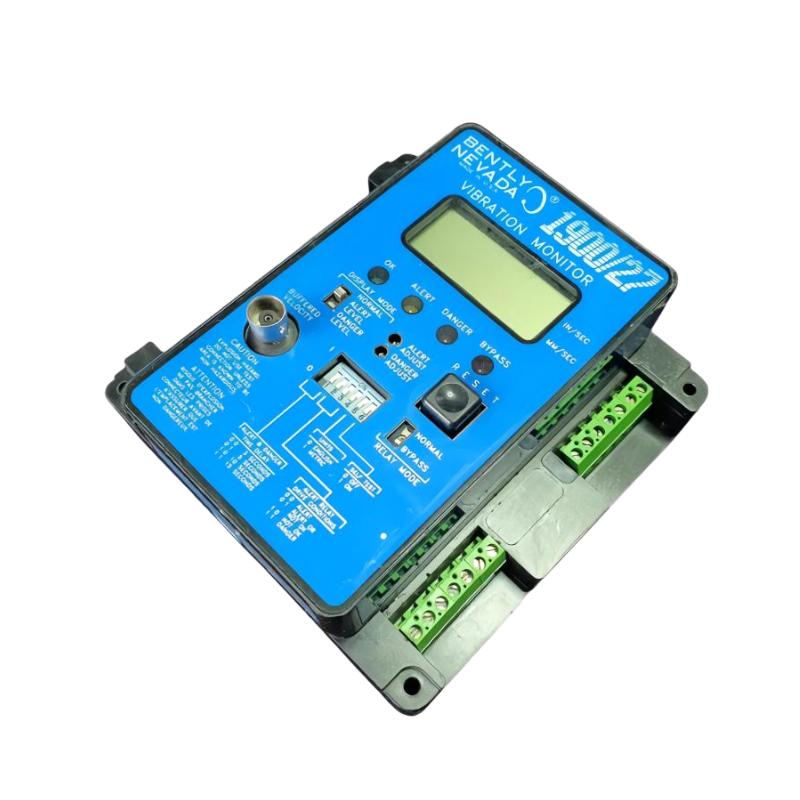
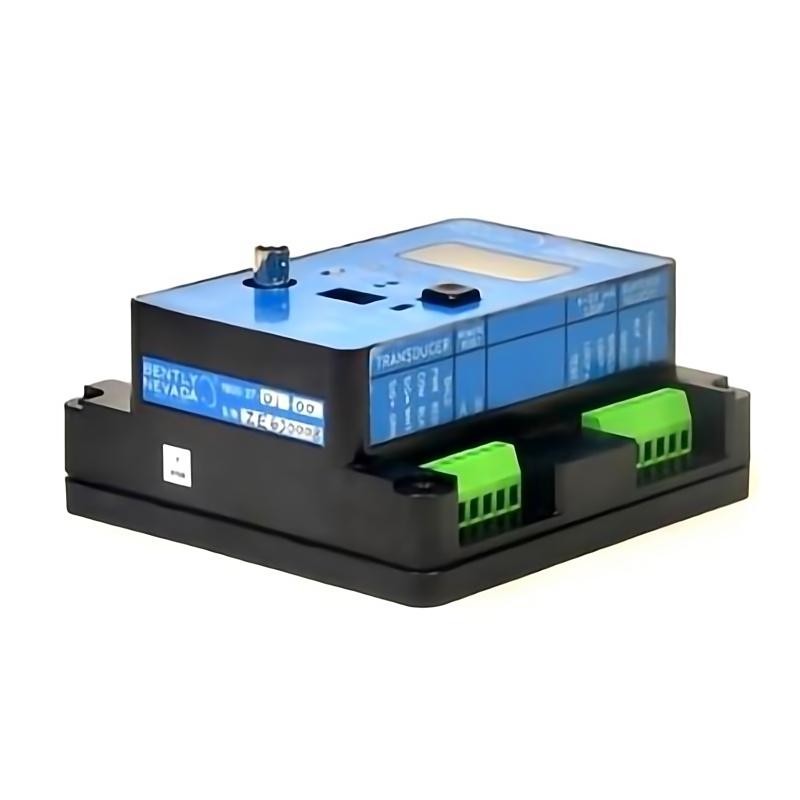
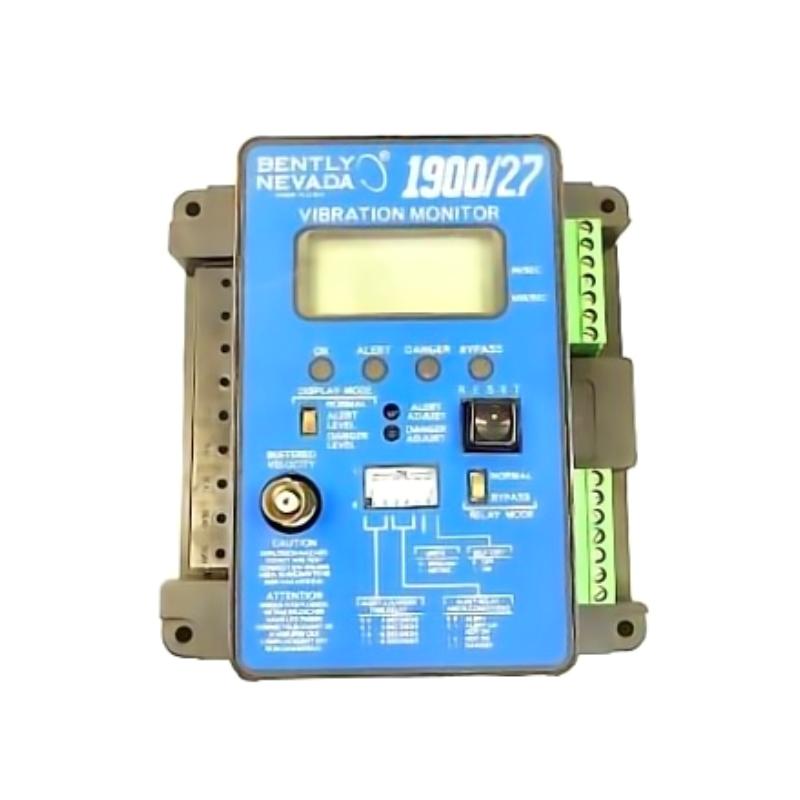
The Bently Nevada 1900/27-02-00 Vibration Monitor is designed for continuous condition monitoring of rotating machinery in industrial facilities. Vibration monitoring is a fundamental component of predictive maintenance programs, helping engineers identify abnormal mechanical behavior before it develops into severe equipment damage.
Typical industrial installations include:
-
Steam and gas turbine monitoring in power generation plants
-
Pump and compressor protection systems in oil and gas facilities
-
Industrial motor monitoring in manufacturing plants
-
Rotating machinery diagnostics in mining and heavy processing industries
-
Process equipment monitoring in chemical and petrochemical operations
In these applications, the monitor continuously evaluates vibration signals to help operators maintain equipment reliability and reduce unexpected downtime.
Operational Benefits for Machinery Protection
Continuous Vibration Surveillance
The monitor provides real-time vibration measurement, allowing operators to observe equipment behavior during operation.
Support for Predictive Maintenance Programs
By identifying abnormal vibration trends early, maintenance teams can schedule repairs before major mechanical failures occur.
Compact Industrial Form Factor
The panel-mount design allows easy integration into machinery monitoring cabinets and control panels.
Reliable Alarm and Protection Capability
The device can trigger alerts when vibration levels exceed predefined thresholds, enabling quick intervention.
Stable Operation in Industrial Environments
Designed for continuous-duty service, the monitor performs reliably in facilities where rotating equipment operates around the clock.
Technical FAQs
1. What is the primary function of the 1900/27-02-00 vibration monitor?
It measures vibration levels in rotating machinery and provides real-time monitoring for equipment condition assessment.
2. Which types of machines are typically monitored with this device?
Common examples include motors, pumps, compressors, turbines, and gear-driven machines.
3. How does vibration monitoring help prevent equipment failure?
Abnormal vibration often indicates issues such as imbalance, misalignment, or bearing wear, allowing early corrective maintenance.
4. What type of vibration sensors are compatible with the monitor?
Industrial accelerometers or velocity sensors are typically used to supply vibration data to the monitor.
5. Can the device generate alarms based on vibration thresholds?
Yes, configurable alarm levels allow the system to notify operators or trigger protective actions.
6. Is the monitor suitable for continuous operation in industrial plants?
Yes, it is designed to operate continuously in demanding industrial environments.
7. How is the monitor typically installed?
It is usually mounted within a control panel or machinery monitoring cabinet.
8. Can the vibration monitor be connected to larger monitoring systems?
Yes, it can be integrated into plant-wide condition monitoring or control systems.
9. What mechanical issues can be detected through vibration analysis?
Typical faults include rotor imbalance, shaft misalignment, looseness, bearing damage, and resonance conditions.
10. How often should the monitoring system be checked or calibrated?
Routine inspections and periodic verification of sensor performance help ensure accurate vibration measurements.
 A DCS Q Co., Ltd. - PLC and DCS Industrial Control Equipment Wholesale