Real-World Implementation Scenarios
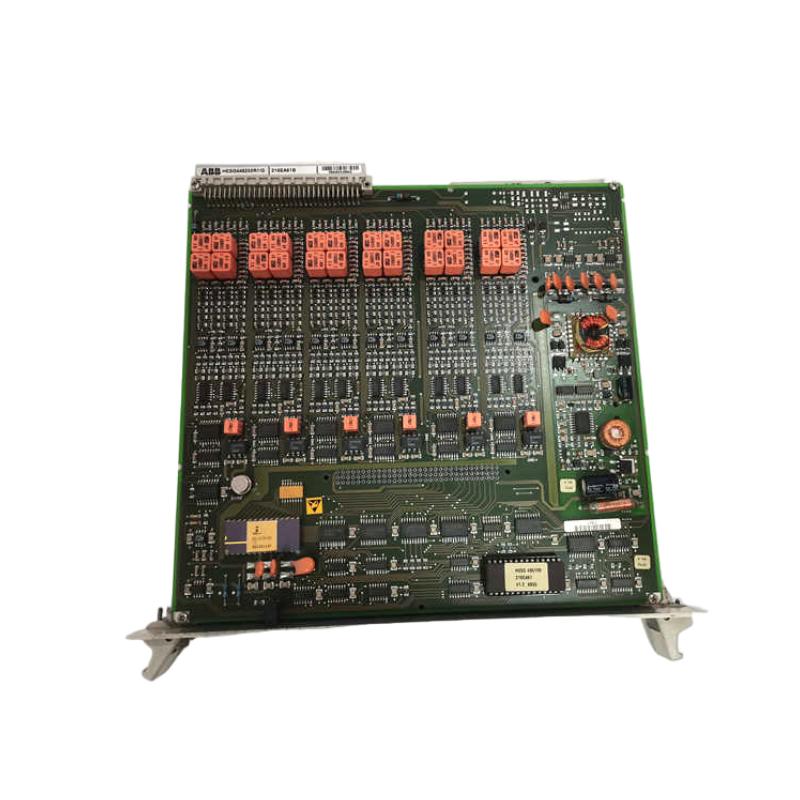
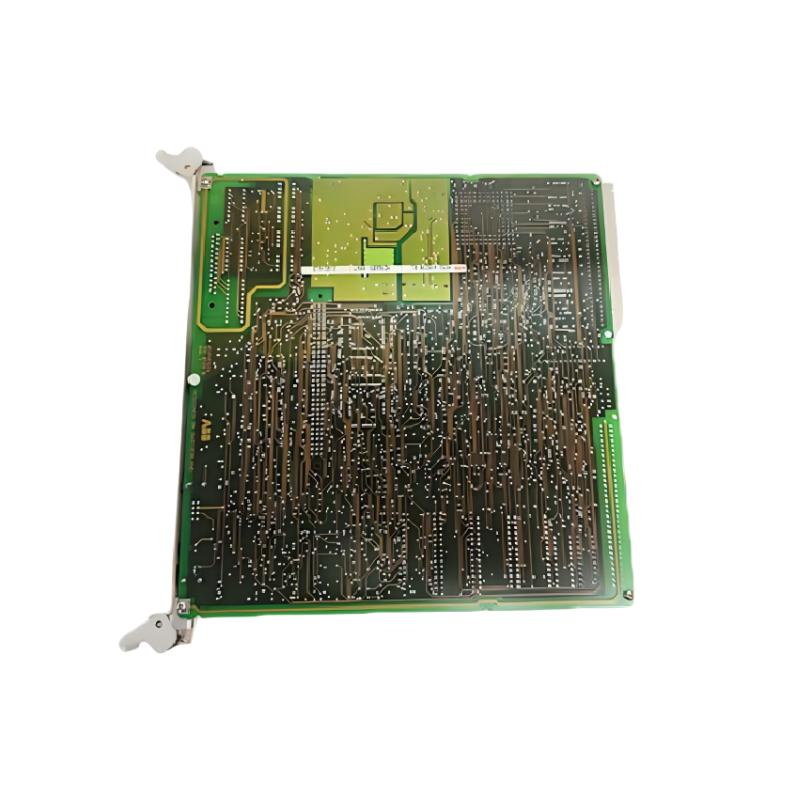
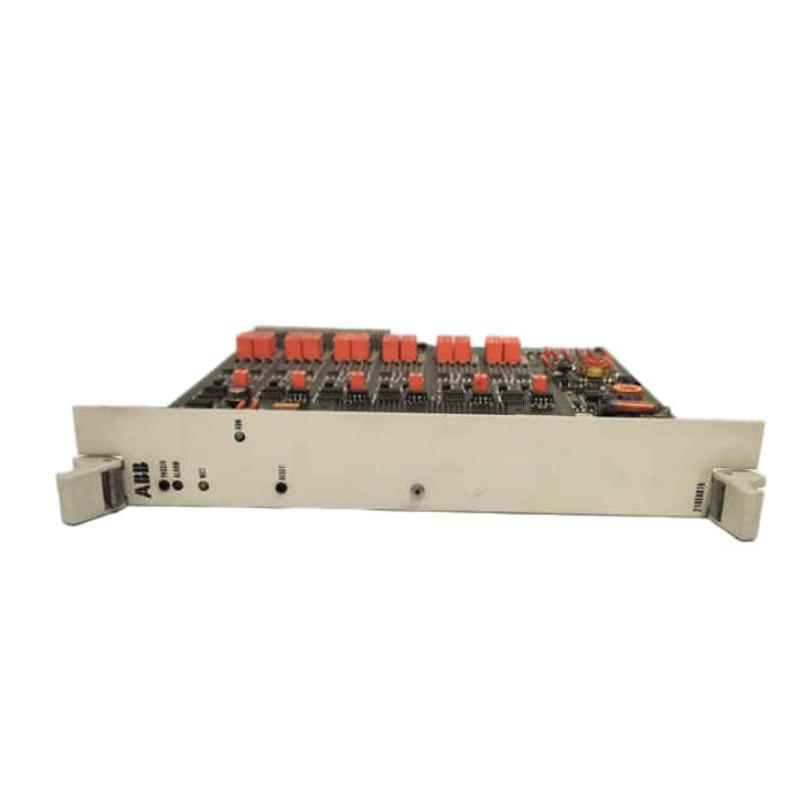
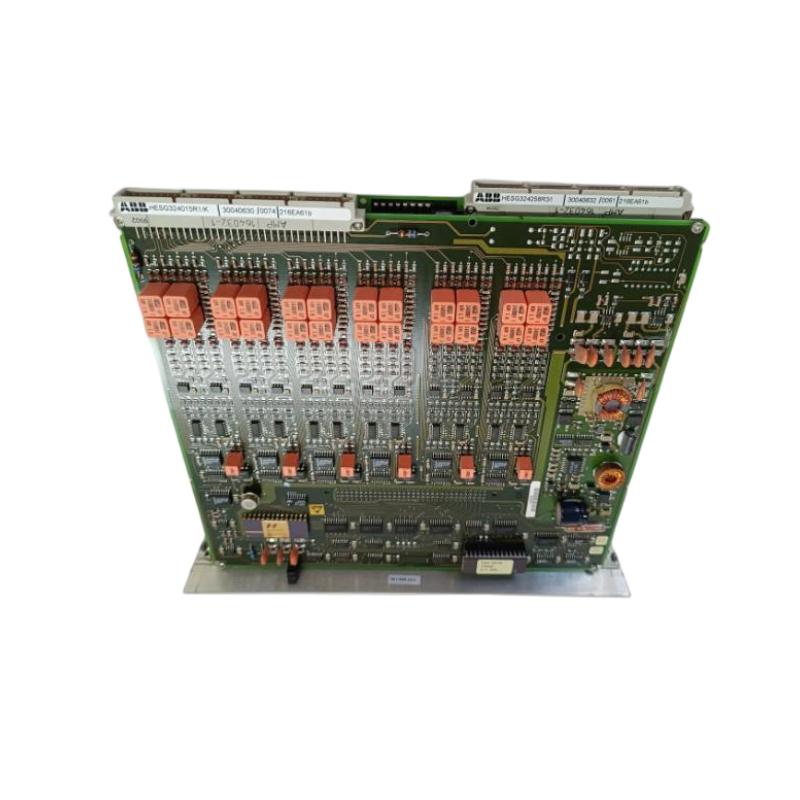
The ABB 216EA61B HESG448230R1 Input Module is designed to acquire digital signals from field devices and transfer them to the central automation controller for processing. In modern industrial control environments, input modules serve as the primary interface between physical equipment and the control logic that governs production systems.
This module is commonly deployed in:
-
Process control installations within chemical and petrochemical plants
-
Power generation facilities monitoring operational equipment status
-
Industrial manufacturing lines requiring machine condition feedback
-
Water and wastewater treatment systems handling distributed sensor inputs
-
Industrial safety systems that depend on reliable status signal monitoring
Through stable signal acquisition, the module helps controllers maintain accurate awareness of equipment conditions and process states.
Operational Advantages in Automation Systems
Reliable Field Signal Acquisition
The module is engineered to capture signals from sensors, switches, and industrial instrumentation with high reliability.
Integration with Modular Automation Systems
It fits seamlessly into rack-based control architectures used in ABB industrial automation environments.
Stable Operation in Industrial Conditions
The hardware is designed to perform consistently in environments where electrical noise, vibration, and continuous operation are common.
Clear Diagnostic Feedback
Built-in system indicators allow technicians to monitor module activity and quickly identify signal or wiring issues.
Scalable System Expansion
Additional modules can be added to the automation rack as system capacity grows, supporting flexible plant expansion.
Technical FAQs
1. What is the main function of the 216EA61B input module?
It collects input signals from field devices and sends that data to the automation controller for monitoring and control.
2. What types of devices are typically connected to this module?
Devices such as limit switches, sensors, push buttons, and other digital signal sources.
3. How does the module communicate with the control system?
It exchanges data with the controller through the automation rack backplane.
4. Can the module be used in distributed automation systems?
Yes, it can operate as part of a distributed I/O architecture connected to a central controller.
5. What happens if an input signal changes state?
The module immediately reports the change to the controller, allowing control logic to respond accordingly.
6. Does the module provide diagnostic information?
Yes, operational indicators and system diagnostics help identify module status and potential faults.
7. Is the module designed for continuous industrial operation?
Yes, it is built to function reliably in industrial environments requiring long-term operation.
8. How is wiring typically connected to the module?
Field devices are connected through terminal blocks that provide secure and organized wiring connections.
9. Can the module operate in environments with electrical noise?
Industrial input modules typically include filtering and signal conditioning to minimize interference.
10. What maintenance procedures are recommended?
Routine inspection of wiring connections and monitoring through system diagnostics ensures optimal performance.
 A DCS Q Co., Ltd. - PLC and DCS Industrial Control Equipment Wholesale