Where This Power Device Is Typically Applied
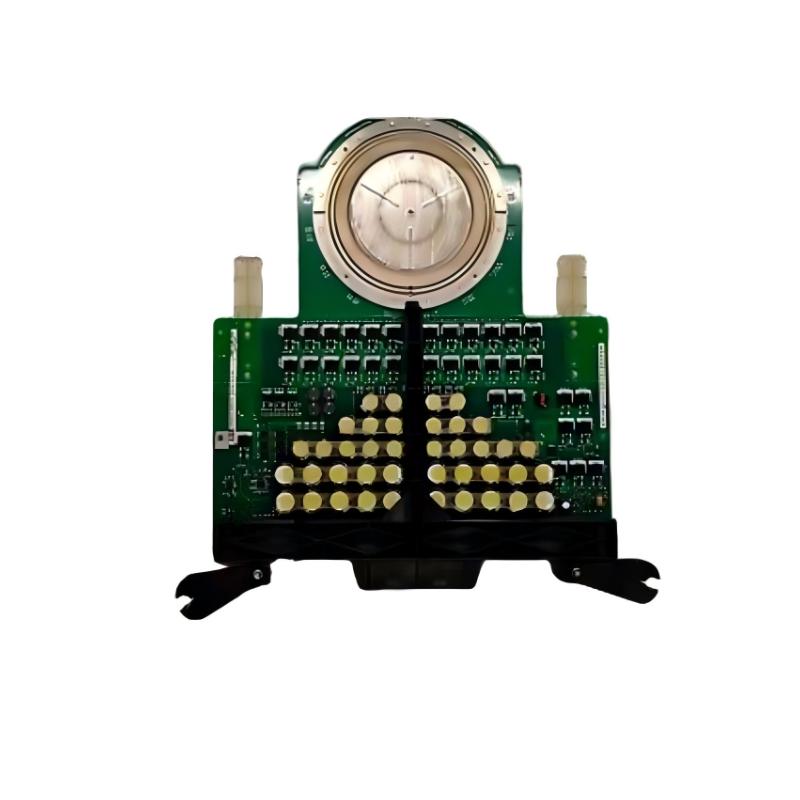
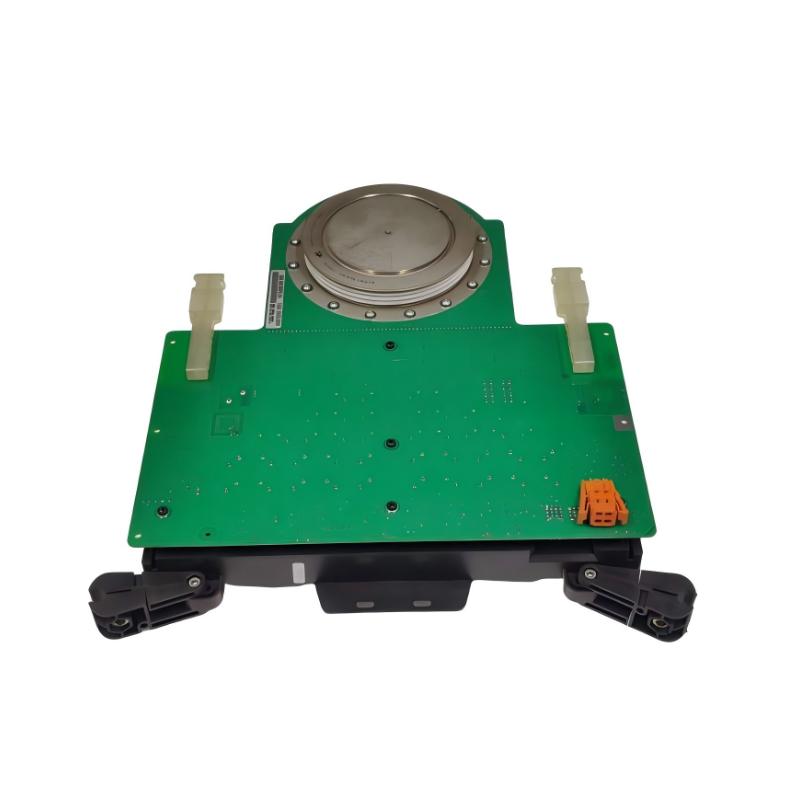
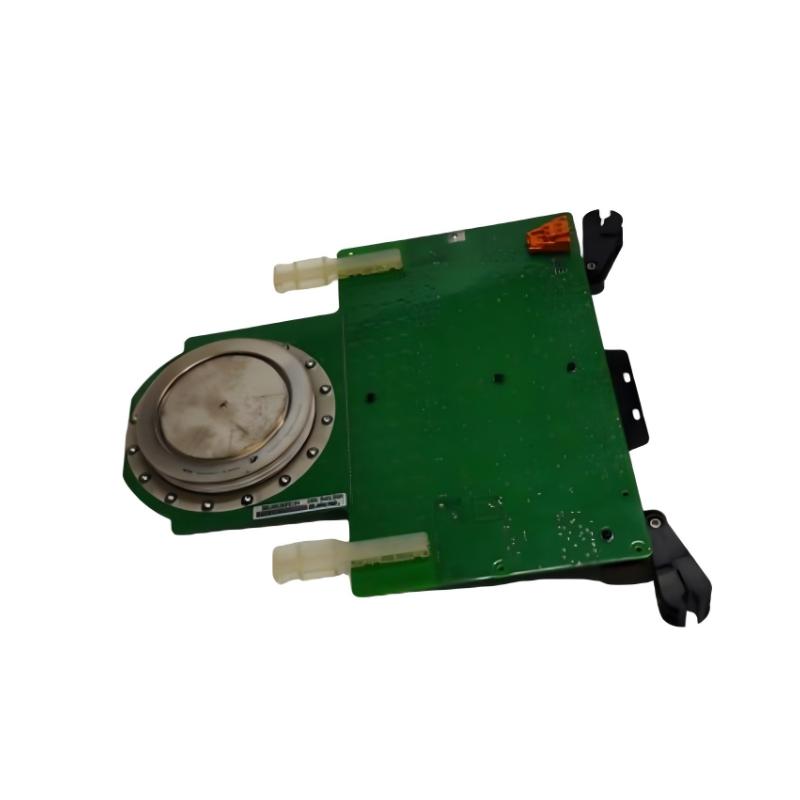
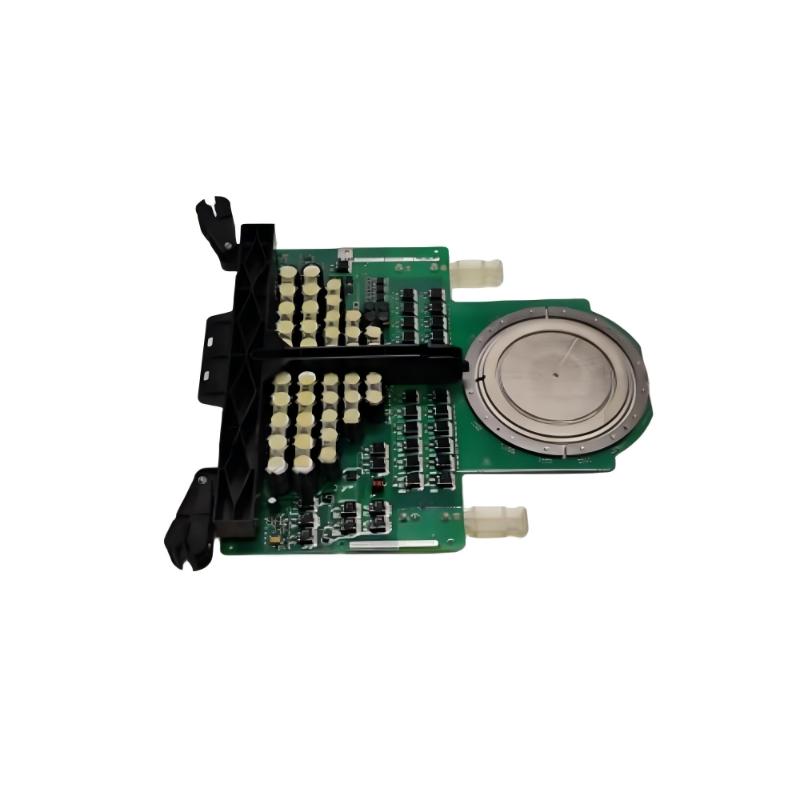
The ABB 5SHX2645L0001 3BHL000389P0101 IGCT Module is developed for high-power switching tasks within industrial power electronics systems. Integrated Gate Commutated Thyristor technology enables this module to handle substantial current loads while maintaining efficient switching performance, making it suitable for demanding electrical infrastructure.
It is commonly implemented in the following environments:
-
Medium-voltage variable frequency drives controlling large industrial motors
-
Grid stabilization systems such as STATCOM and reactive power compensation units
-
High-capacity inverter systems in heavy industrial plants
-
Railway traction converters used in electric locomotive propulsion
-
Renewable energy conversion systems requiring reliable power semiconductor switching
In these applications, the module forms part of the converter stack where it manages high-energy electrical switching with controlled timing and minimal losses.
Key Engineering Advantages
Efficient Power Switching
IGCT technology allows the device to achieve very low conduction losses while maintaining reliable switching under heavy electrical loads.
High Current Density Capability
The module is engineered to operate in applications where large electrical currents must be controlled precisely and continuously.
Fast Turn-Off Characteristics
Unlike traditional thyristors, IGCT modules support active turn-off through gate control, allowing improved switching performance in converter circuits.
Industrial-Grade Thermal Performance
The device is designed to operate with external cooling systems such as heat sinks or liquid cooling plates, ensuring consistent performance in high-temperature environments.
Reliable Operation in High-Power Drives
Its robust semiconductor structure allows stable operation in demanding motor drive systems used in mining, metal processing, and large-scale manufacturing.
Technical FAQs
1. What role does the 5SHX2645L0001 IGCT module play in a power converter?
It acts as a high-power semiconductor switch that regulates the flow of electrical current within inverter and converter circuits.
2. How does IGCT technology improve efficiency compared with older switching devices?
IGCT devices combine the low conduction losses of thyristors with controlled turn-off capability, improving overall energy efficiency.
3. What type of industrial systems typically require IGCT modules?
Medium-voltage drives, large industrial inverters, and grid-support converters often rely on IGCT technology.
4. Why is gate drive control important for IGCT devices?
The gate drive circuit ensures fast switching transitions and helps maintain safe operating conditions during high current events.
5. What cooling methods are usually used with this module?
Industrial systems typically employ heat sinks, forced air cooling, or liquid cooling assemblies to manage thermal output.
6. Can this IGCT module operate in renewable energy power converters?
Yes, it is suitable for use in high-capacity wind power converters and other energy conversion equipment.
7. What protective circuits are commonly used with IGCT modules?
Converter systems often incorporate snubber circuits, voltage clamps, and thermal monitoring to protect semiconductor devices.
8. How does the module contribute to motor drive performance?
By enabling efficient switching at high power levels, it allows precise speed and torque control of large electric motors.
9. What factors influence the lifespan of an IGCT module?
Thermal cycling, switching frequency, cooling efficiency, and electrical load conditions all impact long-term reliability.
10. Is the module suitable for continuous industrial operation?
Yes, it is designed for long-duration operation in heavy industrial power electronics systems.
 A DCS Q Co., Ltd. - PLC and DCS Industrial Control Equipment Wholesale