Practical Deployment in Power Conversion Systems
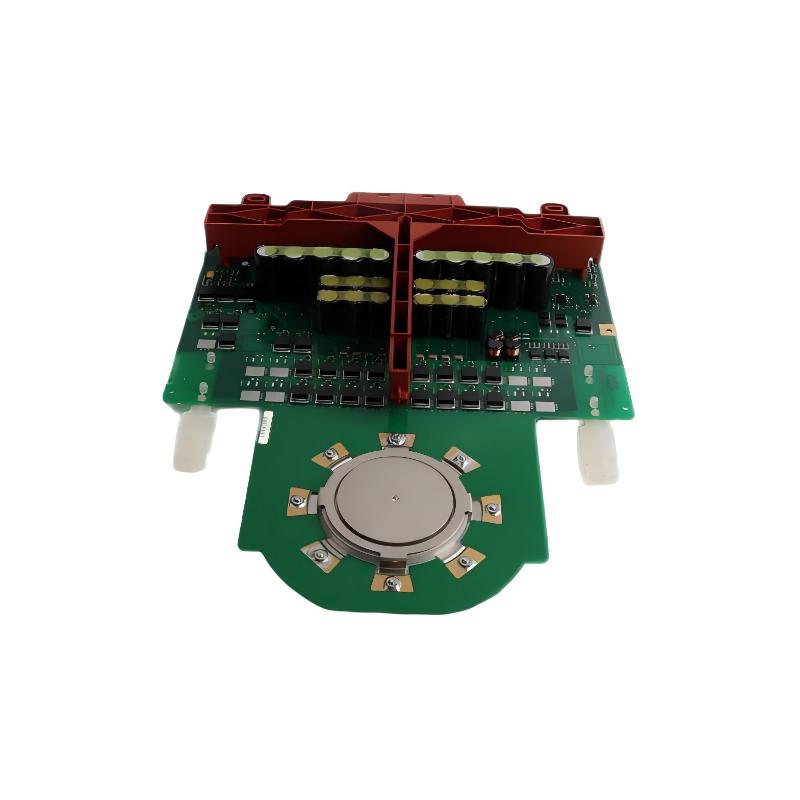
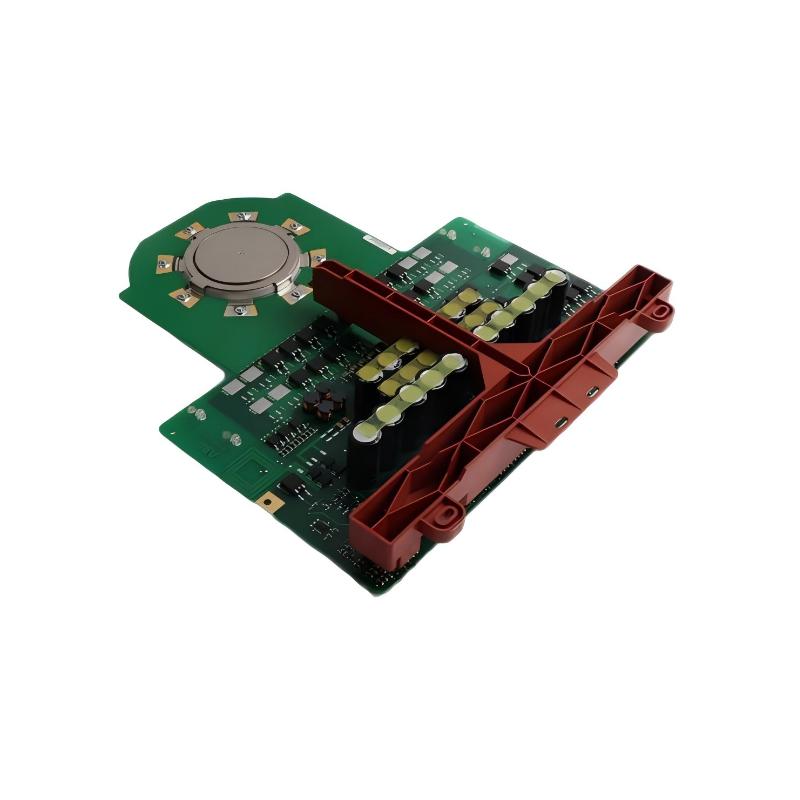
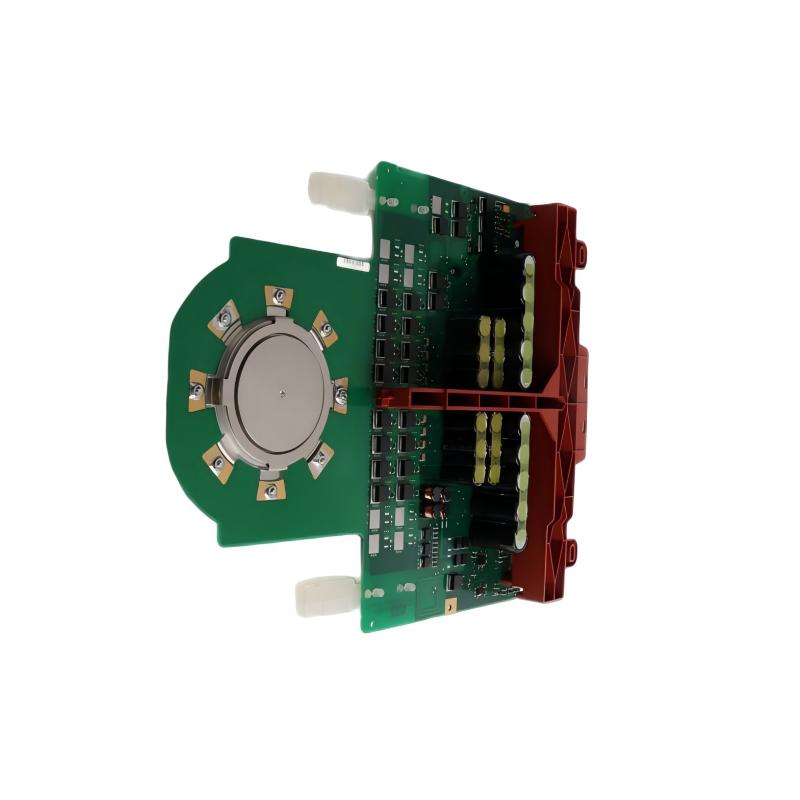
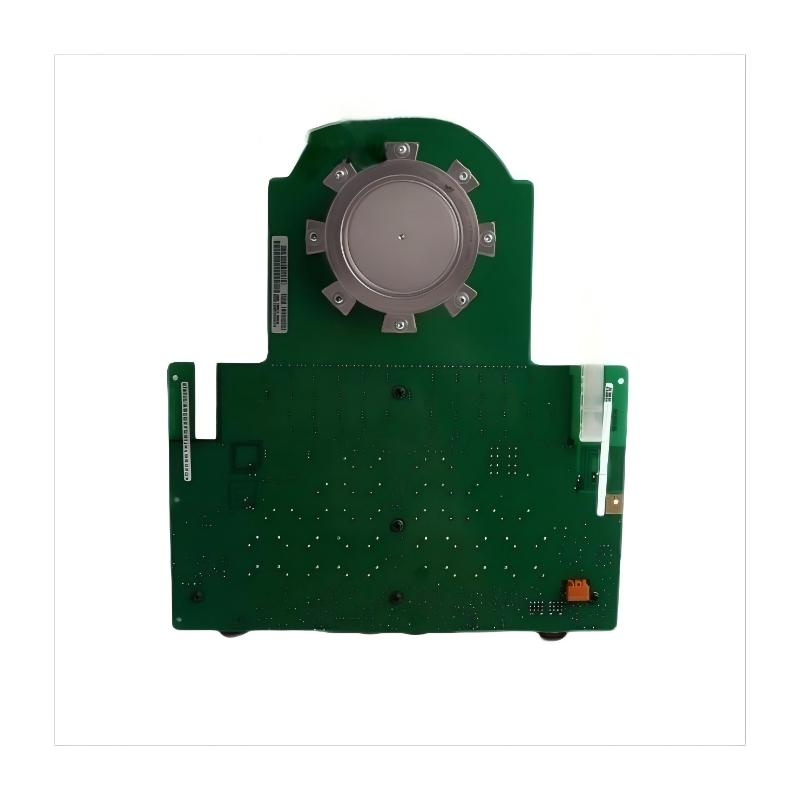
The ABB 5SHX1445H0002 3BHB003386R0101 IGCT Module is designed for demanding power electronics environments where high current switching and precise energy control are essential. As an Integrated Gate Commutated Thyristor device, it is frequently incorporated into medium- and high-power converter systems responsible for regulating electrical energy in industrial infrastructure.
Typical industrial implementations include:
-
Medium-voltage variable frequency drives used in mining and heavy industry
-
Industrial inverter systems in steel mills and cement production facilities
-
Grid stabilization equipment such as reactive power compensators
-
Electric traction systems used in rail propulsion converters
-
Large renewable energy converters used in wind power installations
In these environments, the IGCT module provides controlled switching of high electrical loads, helping maintain efficiency and operational stability.
Key Engineering Strengths
Low Conduction Losses
IGCT devices are engineered to deliver minimal conduction losses compared with many transistor-based switching components, improving the overall efficiency of high-power converters.
High Current Switching Capability
The module is designed to manage substantial current levels while maintaining stable switching performance in industrial power electronics systems.
Fast Gate-Controlled Turn-Off
Unlike conventional thyristors, the IGCT integrates a gate structure capable of actively turning the device off, allowing improved control over switching cycles.
Thermal Durability
The internal semiconductor structure supports efficient heat dissipation when installed with industrial cooling assemblies, ensuring long-term reliability.
Suitable for Medium-Voltage Drives
The module is commonly used in medium-voltage drive systems where both high power density and dependable switching performance are required.
Technical FAQs
1. What is the function of the 5SHX1445H0002 IGCT module in a converter system?
It acts as a high-power switching element that regulates current flow in power converters, enabling efficient energy conversion and motor control.
2. How does IGCT technology differ from IGBT technology?
IGCT devices typically provide lower conduction losses and higher current capability, making them suitable for very high-power applications.
3. What role does the gate drive system play in IGCT operation?
The gate drive controls the turn-on and turn-off processes by injecting and removing charge from the device structure.
4. In which types of industrial drives are IGCT modules commonly used?
They are often installed in medium-voltage variable frequency drives for large motors in industries such as mining, oil processing, and metal production.
5. Why is thermal management important for IGCT modules?
Proper heat dissipation prevents semiconductor degradation and ensures stable performance during continuous high-load operation.
6. Can this module be used in grid support systems?
Yes, IGCT devices are frequently used in reactive power compensators and grid stabilization equipment.
7. What type of cooling is typically required?
Industrial installations generally use heat sinks or liquid cooling systems to manage thermal output.
8. How does the module handle voltage stress during switching?
The device is designed with semiconductor layers optimized for high blocking voltage and transient stress resistance.
9. Are IGCT modules suitable for renewable energy converters?
Yes, they are often used in large wind turbine converters and other high-capacity energy systems.
10. What factors determine the service life of an IGCT module?
Thermal management, switching frequency, operating current levels, and proper gate drive configuration all influence the device lifespan.
 A DCS Q Co., Ltd. - PLC and DCS Industrial Control Equipment Wholesale