Product Overview
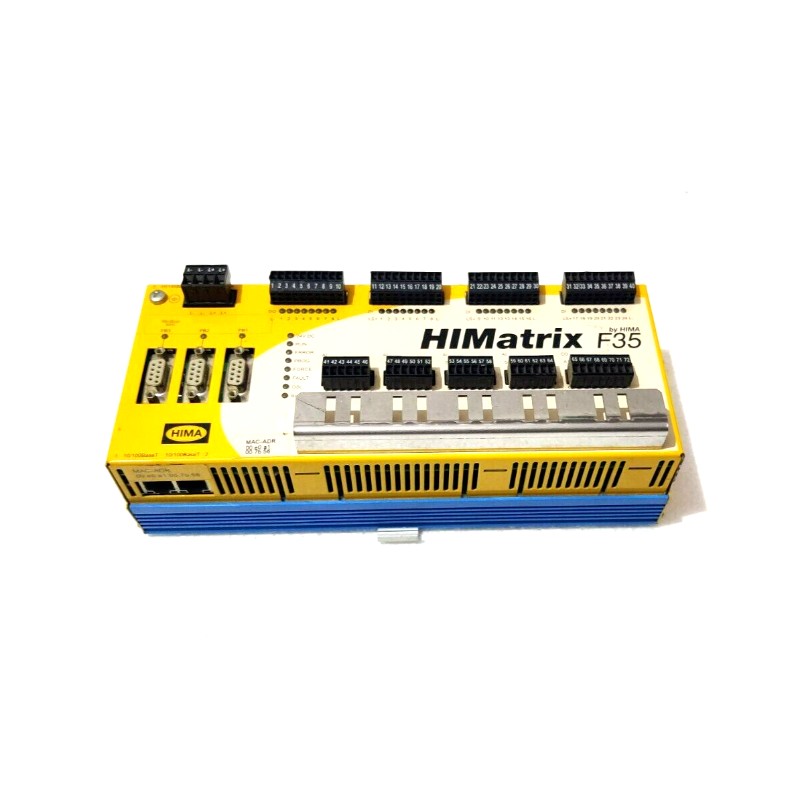
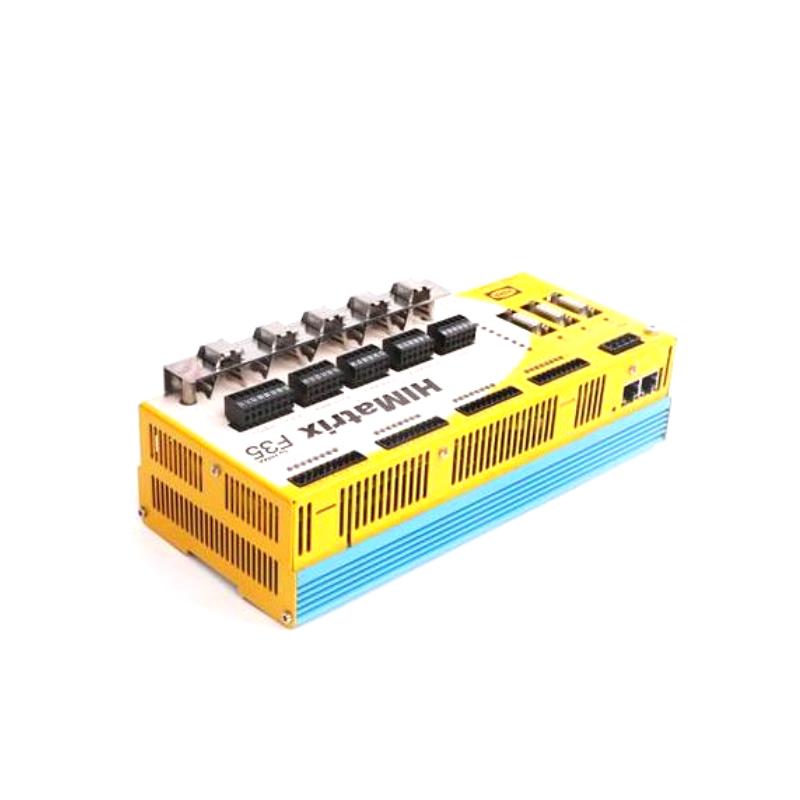
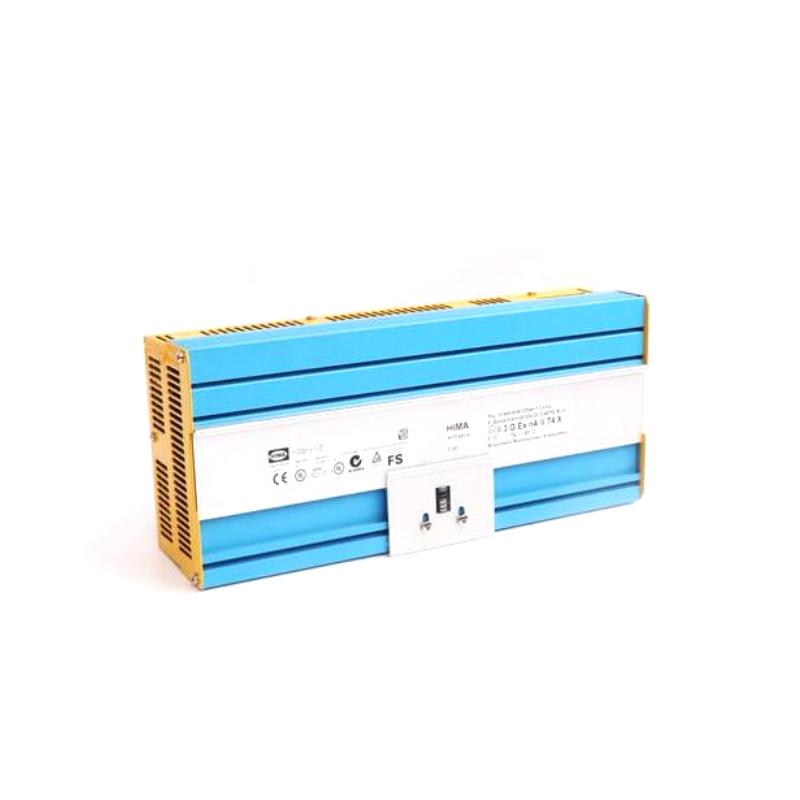
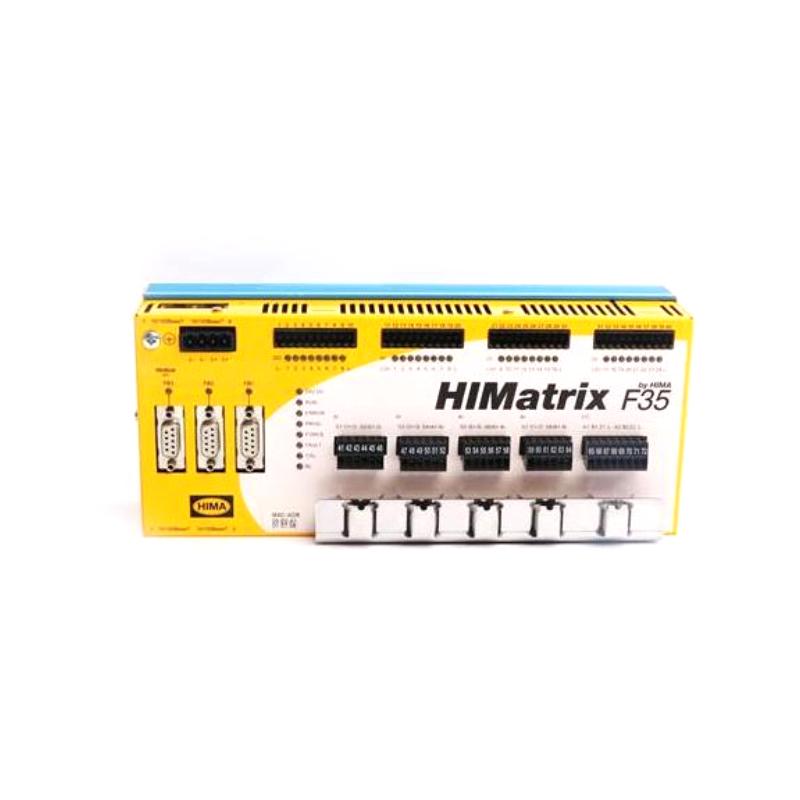
The HIMA F35 010 30 Safety-Related Controller is a compact safety automation controller used within the HIMatrix F35 platform. It acts as the central processing unit of the safety system, executing programmed safety logic based on signals received from sensors and field devices.
When abnormal process conditions occur—such as excessive pressure, vibration, or temperature—the controller evaluates the input signals and activates predefined safety responses. These responses may include shutting down machinery, closing valves, triggering alarms, or isolating hazardous equipment.
Because of its compact design and flexible integration capabilities, the F35 controller is widely used in distributed safety architectures where localized safety control is required near process equipment. It enables industrial operators to implement reliable safety strategies while maintaining efficient system performance.
Technical Specifications
| Parameter | Specification |
|---|
| Manufacturer | HIMA |
| Model | F35 010 30 |
| Module Type | Safety-Related Controller |
| System Platform | HIMatrix F35 System |
| Function | Safety logic execution and system control |
| Application | Safety instrumented systems (SIS) |
| Installation | Control cabinet / automation rack |
| Dimensions | 123 mm × 120 mm × 81 mm |
| Weight | 0.227 kg (0.50 lb) |
Typical Use Cases in Functional Safety Systems
The HIMA F35 010 30 Safety-Related Controller belongs to the HIMatrix F35 automation platform and serves as a compact programmable safety controller designed for safety instrumented systems (SIS). It executes certified safety logic that protects industrial processes and personnel in hazardous operating environments.
Because of its integrated architecture and deterministic response behavior, the controller is commonly deployed in distributed safety control installations where reliable and fast protective actions are required.
Typical industrial applications include:
-
Emergency shutdown systems (ESD) in oil and gas facilities, ensuring rapid isolation of process equipment during abnormal conditions.
-
Burner management systems (BMS) in power plants and industrial boilers, where reliable control logic is required to maintain combustion safety.
-
Machinery safety control, protecting rotating equipment such as compressors, pumps, and turbines.
-
Pipeline monitoring and protection, providing logic execution for leak detection and automated shutdown.
-
Chemical processing safety systems, where controllers coordinate alarms, interlocks, and emergency process stops.
In these scenarios, the F35 controller executes safety logic programs and communicates with connected input/output modules to maintain safe operating conditions.
Key Operational Advantages
Compact Integrated Safety Controller
The controller combines safety processing capabilities with communication and control functions in a compact hardware unit.
Designed for HIMatrix Safety Platforms
Fully compatible with the HIMatrix F35 system architecture, supporting modular safety automation configurations.
Deterministic Safety Logic Execution
The controller processes safety logic with predictable response times, enabling rapid protective actions when abnormal conditions are detected.
Flexible System Integration
It can be integrated into distributed safety networks and connected to a wide range of industrial field devices and I/O modules.
High Reliability for Critical Processes
Engineered specifically for safety-related applications where system stability and continuous operation are essential.
Technical FAQs
1. What is the main function of the F35 010 30 controller?
It executes safety-related control logic within the HIMatrix F35 safety automation platform.
2. Which type of system architecture uses this controller?
It is designed for distributed safety instrumented systems used in industrial automation.
3. Can the controller manage multiple safety I/O modules?
Yes. It can coordinate and process signals from various safety input and output modules connected to the system.
4. What role does the controller play in emergency shutdown systems?
It processes sensor inputs and executes shutdown logic to safely stop the process when hazardous conditions occur.
5. How does the controller communicate with other system components?
It exchanges data with connected modules and field devices through integrated communication interfaces.
6. Is the controller suitable for distributed safety applications?
Yes. It can operate as part of distributed safety architectures across industrial facilities.
7. Can the controller handle real-time safety monitoring tasks?
Yes. It continuously monitors inputs and executes logic routines to maintain safe process conditions.
8. What types of industrial processes typically use this controller?
Oil and gas processing, chemical production, energy generation, and industrial manufacturing safety systems.
9. Does the controller support integration with plant automation systems?
Yes. It can interface with higher-level control systems for monitoring, diagnostics, and system coordination.
10. What makes the controller suitable for safety-critical environments?
Its design emphasizes reliability, deterministic processing, and compatibility with certified safety architectures.
 A DCS Q Co., Ltd. - PLC and DCS Industrial Control Equipment Wholesale