Product Overview
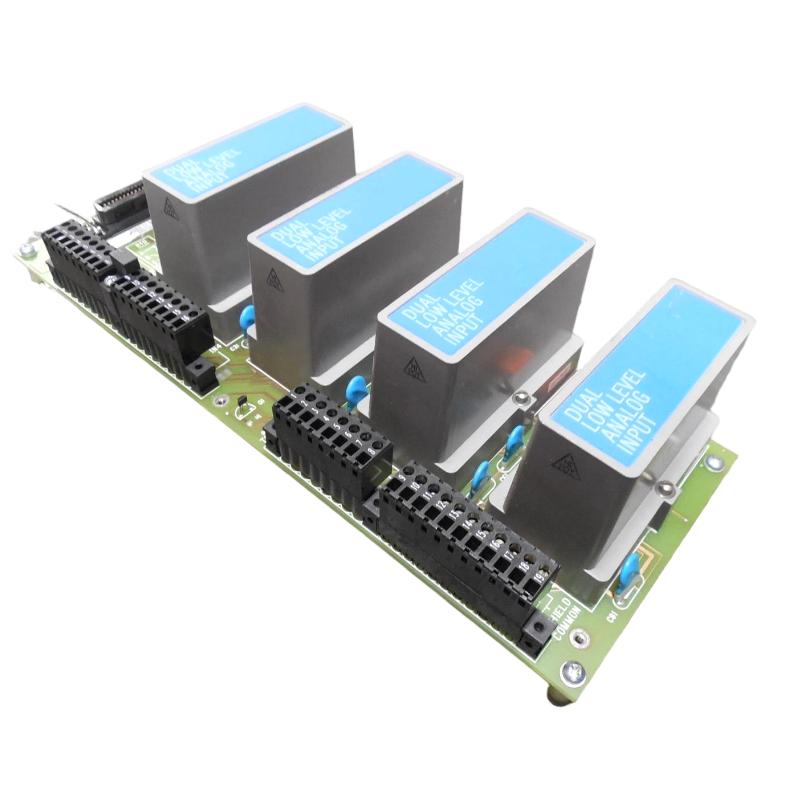
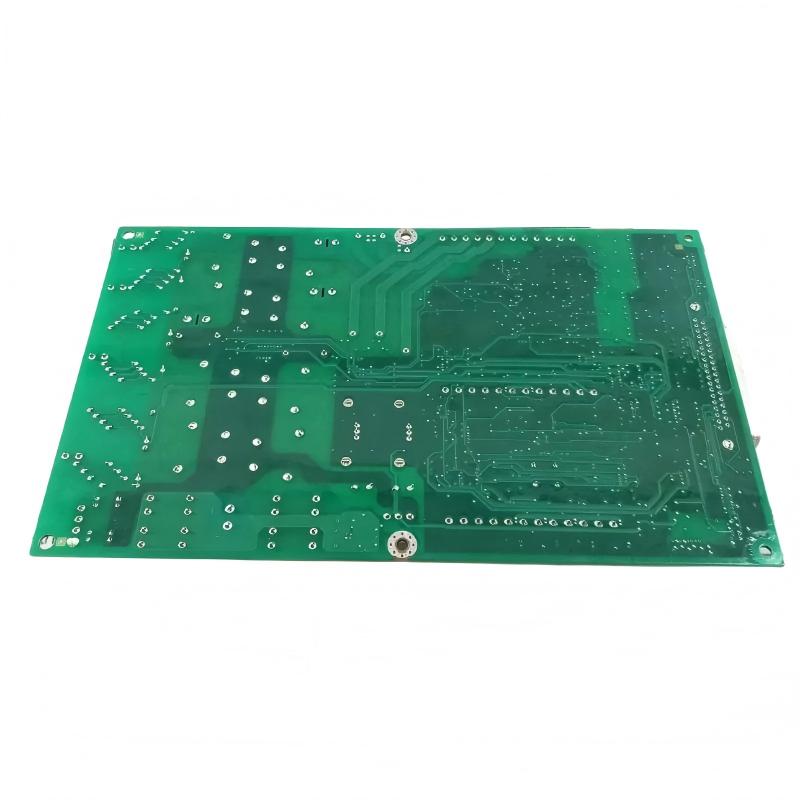
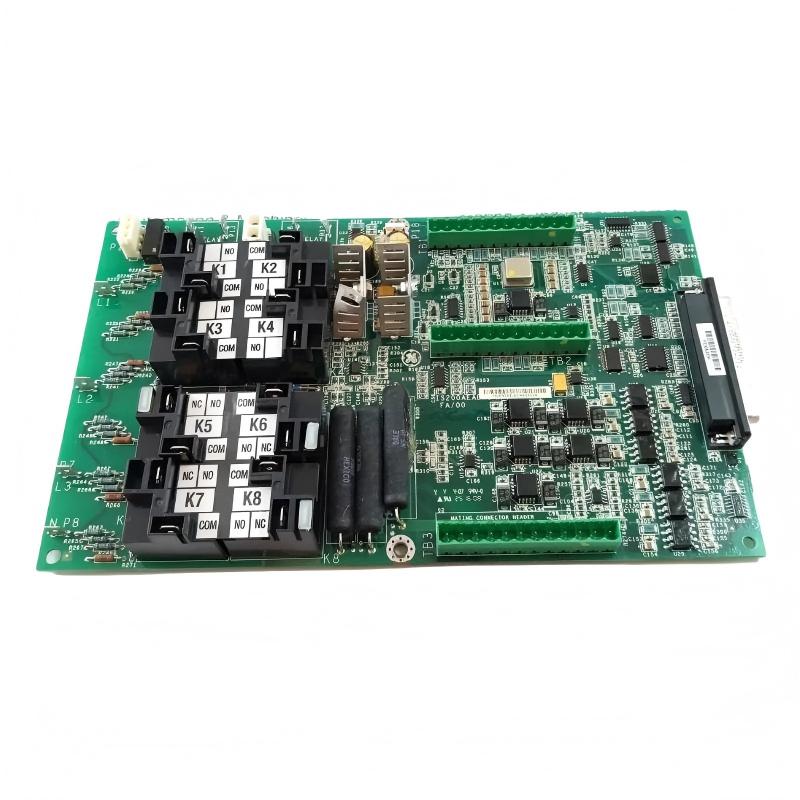
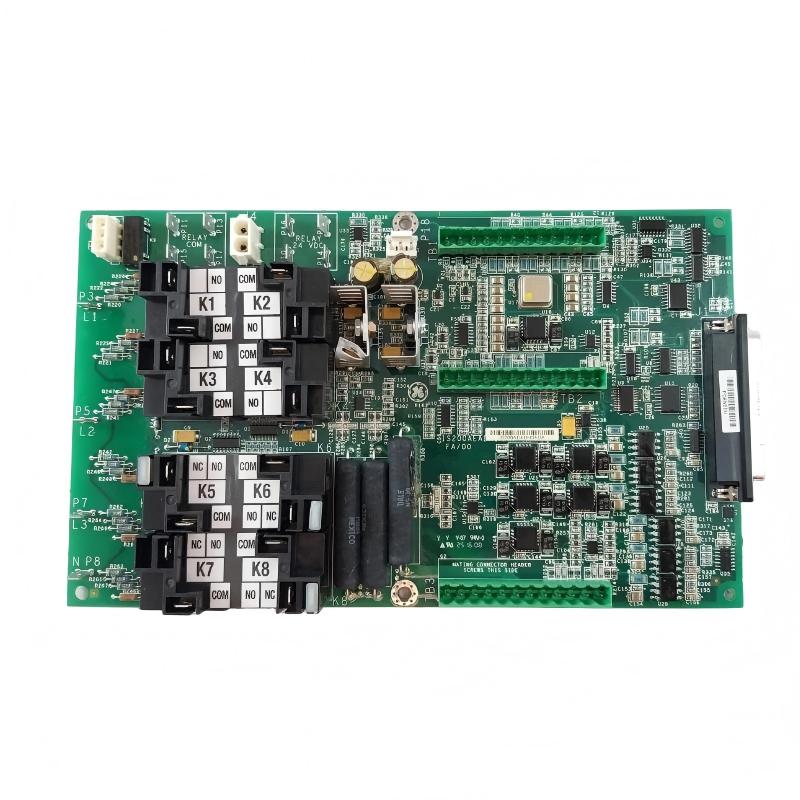
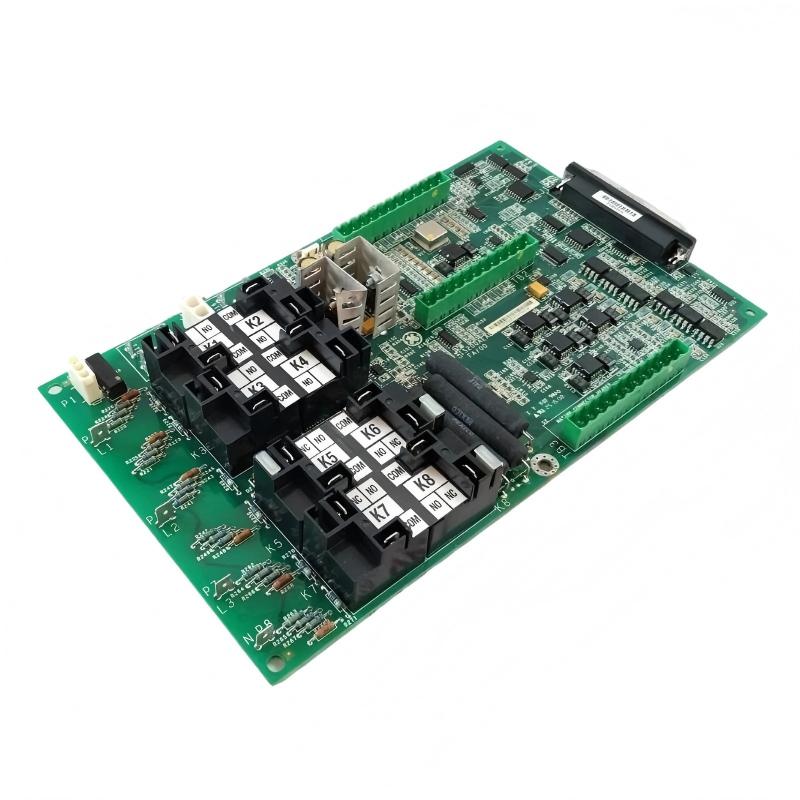
The GE IS200AEADH3ADA Printed Circuit Board is an industrial interface board designed for high-reliability turbine control environments. As part of the GE Mark VI and Mark VIe turbine control platform, this board serves as a signal interface component that enables communication between field devices and the system control processor.
Engineered for demanding power generation applications, the IS200AEADH3ADA plays a critical role in managing input/output contact signals and ensuring stable signal transmission within turbine control cabinets. Its compact design allows it to fit efficiently into dense control systems while maintaining excellent durability under vibration, temperature fluctuations, and continuous operation.
With proven performance in gas and steam turbine control systems, this PCB module supports both centralized and distributed control architectures, helping operators maintain precise system monitoring and reliable equipment protection.
Technical Specifications
| Parameter | Specification |
|---|
| Manufacturer | GE (General Electric) |
| Model Number | IS200AEADH3ADA |
| Product Type | Printed Circuit Board |
| Series | Mark VI / Mark VIe Turbine Control System |
| Function | Contact signal interface and I/O processing |
| Compatible Systems | GE Mark VI and Mark VIe |
| Input Voltage Range | 90–264 V AC |
| Output Power Rating | 200 W |
| Operating Temperature | -20°C to +70°C |
| Mounting Type | Panel / rack installation |
| Connector Type | Multi-pin edge connectors |
| Application | Steam and gas turbine control systems |
Industrial Applications
The IS200AEADH3ADA board is widely used in critical industrial automation systems where reliable signal management is essential.
Typical applications include:
-
Gas turbine control systems
-
Steam turbine automation platforms
-
Power generation plants
-
Industrial energy management systems
-
Turbine auxiliary equipment monitoring
-
Sensor and actuator signal interfacing
Its design ensures accurate signal transmission between sensors, actuators, and control processors, supporting efficient turbine operation and safe power plant performance.
Performance Advantages
Industrial-Grade Reliability
Built with durable electronic components and designed for harsh environments, the board maintains stable performance even under vibration and temperature variations typical in turbine cabinets.
Compact and Efficient Layout
The small footprint simplifies installation within densely packed control panels, allowing engineers to optimize cabinet space.
Seamless System Integration
Designed specifically for GE Mark VI and Mark VIe control platforms, the board integrates smoothly with existing turbine control infrastructure.
Stable Signal Processing
By providing consistent contact input/output interfacing, the module ensures precise data exchange between field devices and the central controller.
Simplified Maintenance
The plug-and-play style design allows technicians to replace or maintain the board quickly, minimizing system downtime.
Technical FAQs
1. What is the primary function of the IS200AEADH3ADA board?
It acts as an interface board that manages contact input and output signals within GE turbine control systems.
2. Which systems are compatible with this module?
It is designed for use with GE Mark VI and Mark VIe turbine control platforms.
3. What industries typically use this board?
It is primarily used in power generation facilities operating steam and gas turbines.
4. What is the operating temperature range?
The module operates reliably between approximately -20°C and +70°C.
5. How is the board installed?
It can be mounted in control cabinets using panel or rack mounting configurations.
6. What type of connectors are used on this board?
It uses multi-pin edge connectors for secure signal transmission.
7. Can this board be used in distributed control systems?
Yes, it supports both centralized and distributed turbine control architectures.
8. What role does it play in turbine safety?
By ensuring reliable signal transmission, it helps maintain accurate monitoring and protective control functions.
9. Is the board designed for continuous operation?
Yes, it is engineered for long-term industrial use in high-duty applications such as power plants.
10. Is it suitable for high-vibration environments?
Yes, its industrial design supports stable operation in vibration-intensive turbine installations.
 A DCS Q Co., Ltd. - PLC and DCS Industrial Control Equipment Wholesale