Industrial Use in Rotating Machinery Protection
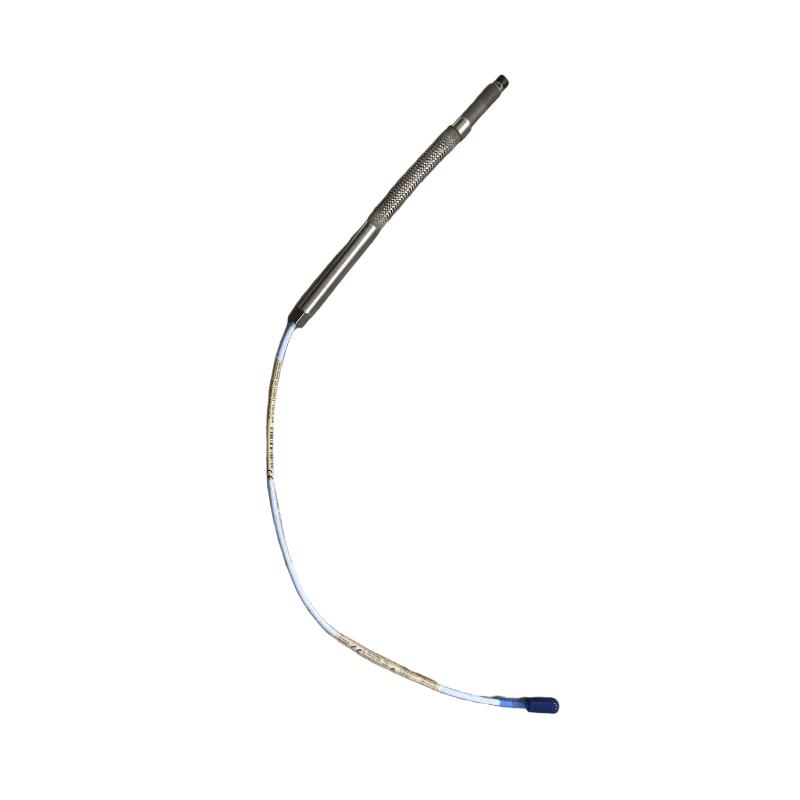
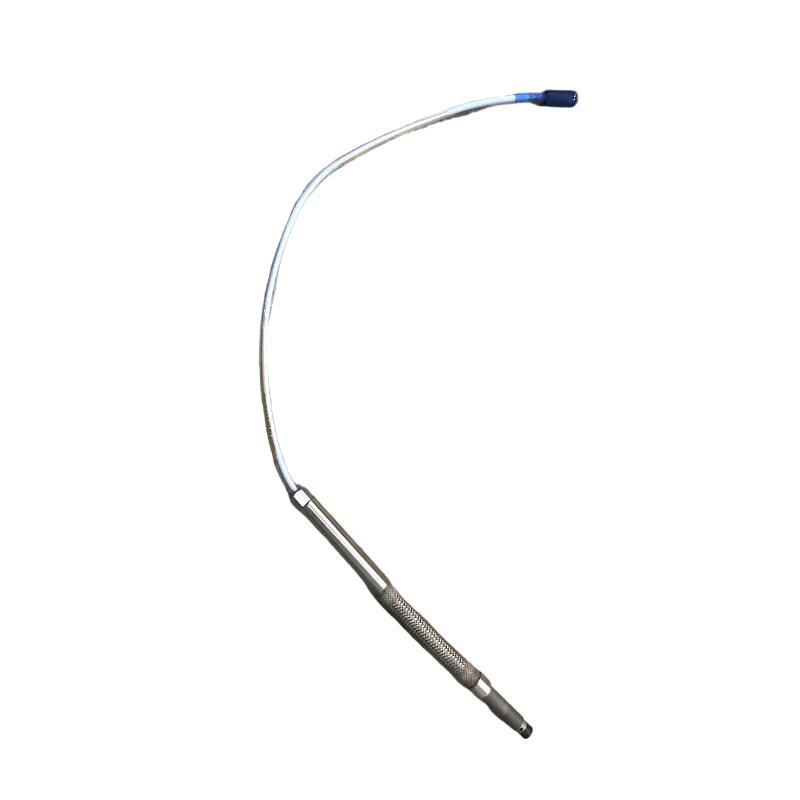
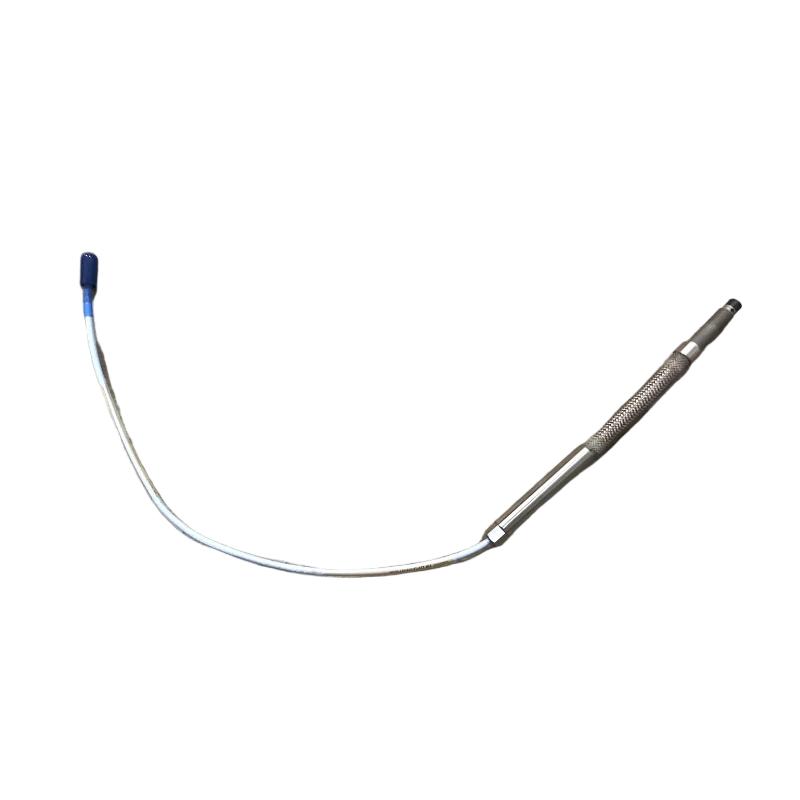
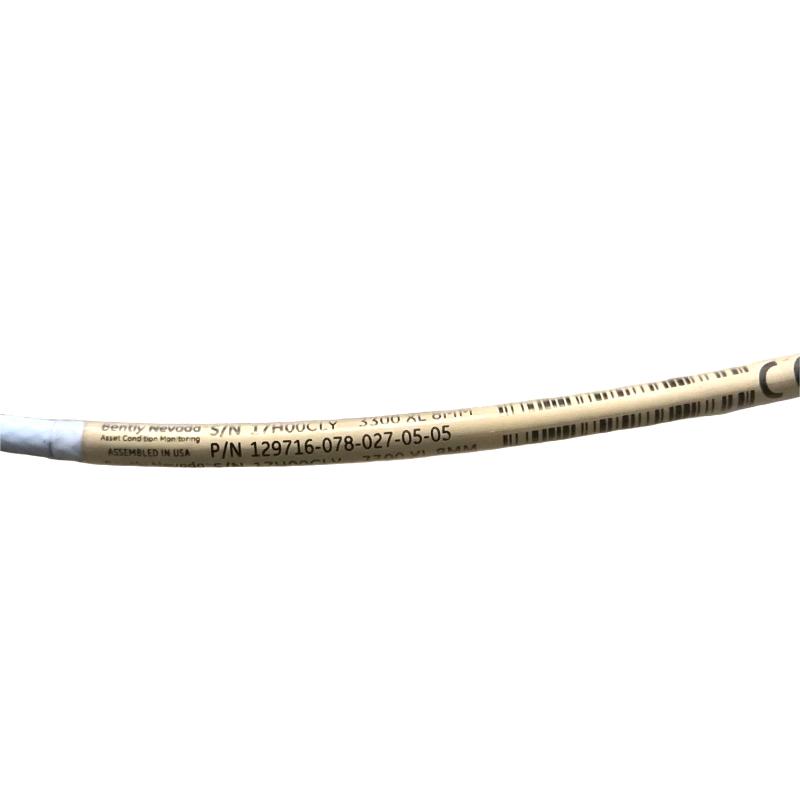
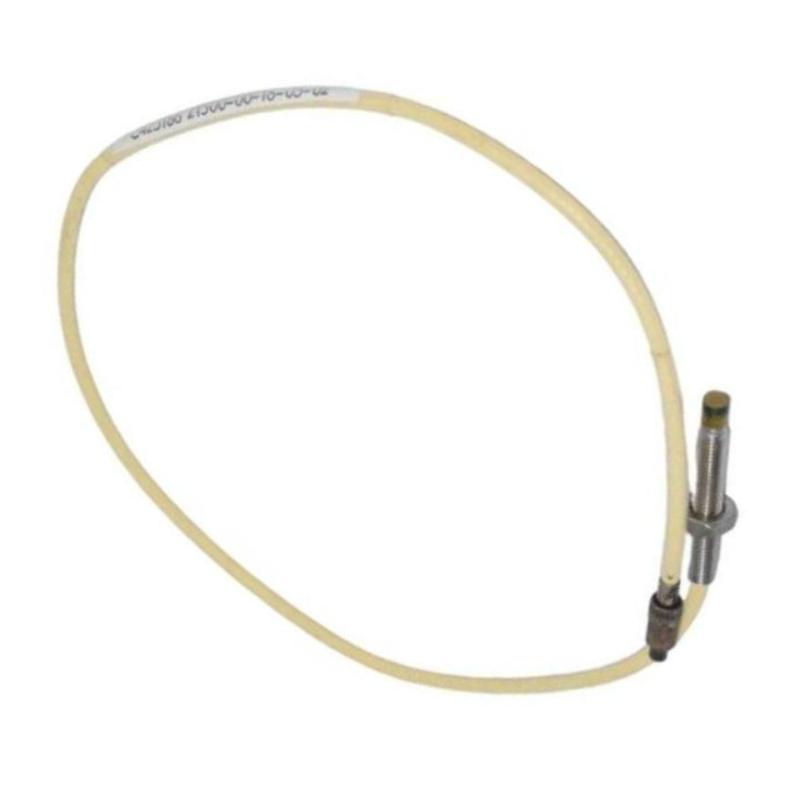
The Bently Nevada 129716-078-027-05-05 3300 XL Proximity Sensor is developed for non-contact measurement of shaft displacement and vibration in rotating machinery. Within industrial condition monitoring systems, proximity sensors provide essential feedback about the mechanical behavior of rotating components during operation.
Installed close to the shaft surface, the sensor detects small variations in distance between the probe tip and the metal shaft. These changes represent vibration patterns and shaft movement, which are analyzed by monitoring systems to evaluate machine health.
Common industrial applications include:
-
Turbine shaft vibration monitoring in power plants
-
Compressor shaft position measurement in oil and gas facilities
-
Pump condition monitoring in chemical processing plants
-
Electric motor vibration monitoring in manufacturing lines
-
Gearbox and rotating equipment diagnostics in heavy industry
Continuous shaft monitoring allows operators to identify mechanical abnormalities before they escalate into serious equipment failures.
Engineering Advantages in Monitoring Systems
Non-Contact Measurement Technology
The sensor measures shaft displacement without physical contact, ensuring stable readings and eliminating mechanical wear.
High Sensitivity for Early Fault Detection
It detects minute shaft movement changes, enabling monitoring systems to identify early signs of imbalance, misalignment, or bearing damage.
Continuous Monitoring Capability
The sensor is designed for integration with machine protection systems operating around the clock.
Industrial-Grade Durability
Its construction supports operation in environments with vibration, temperature variation, and mechanical stress.
Compatibility with 3300 XL Monitoring Platforms
The sensor is intended for use within machinery protection systems built on the 3300 XL architecture.
Technical FAQs
1. What is the main purpose of the 129716-078-027-05-05 proximity sensor?
It measures shaft displacement and vibration in rotating machinery to support condition monitoring and machine protection.
2. What sensing principle does the proximity sensor use?
It operates using eddy current technology to detect the distance between the probe tip and the conductive shaft surface.
3. Why is shaft displacement monitoring important?
Abnormal shaft movement can indicate mechanical problems such as imbalance, bearing wear, or misalignment.
4. What types of equipment typically use proximity sensors?
Turbines, compressors, motors, pumps, and gearboxes frequently rely on proximity sensors for vibration monitoring.
5. How does the sensor detect vibration in rotating equipment?
It measures changes in the distance between the probe and the shaft as the shaft moves during operation.
6. What role does the 8 mm sensor head diameter play?
The 8 mm probe size determines the sensing geometry and compatibility with specific monitoring system configurations.
7. How does the sensor integrate with monitoring systems?
It connects to signal conditioning and monitoring modules that process vibration and displacement signals.
8. Can the sensor operate continuously in industrial environments?
Yes. It is designed for long-term continuous monitoring in machinery protection systems.
9. What happens if excessive shaft vibration occurs?
Monitoring systems can trigger alarms or initiate protective shutdown procedures to prevent equipment damage.
10. Why are proximity sensors critical for turbine and compressor safety?
They provide real-time shaft movement data, allowing early detection of mechanical problems in high-speed rotating equipment.
 A DCS Q Co., Ltd. - PLC and DCS Industrial Control Equipment Wholesale