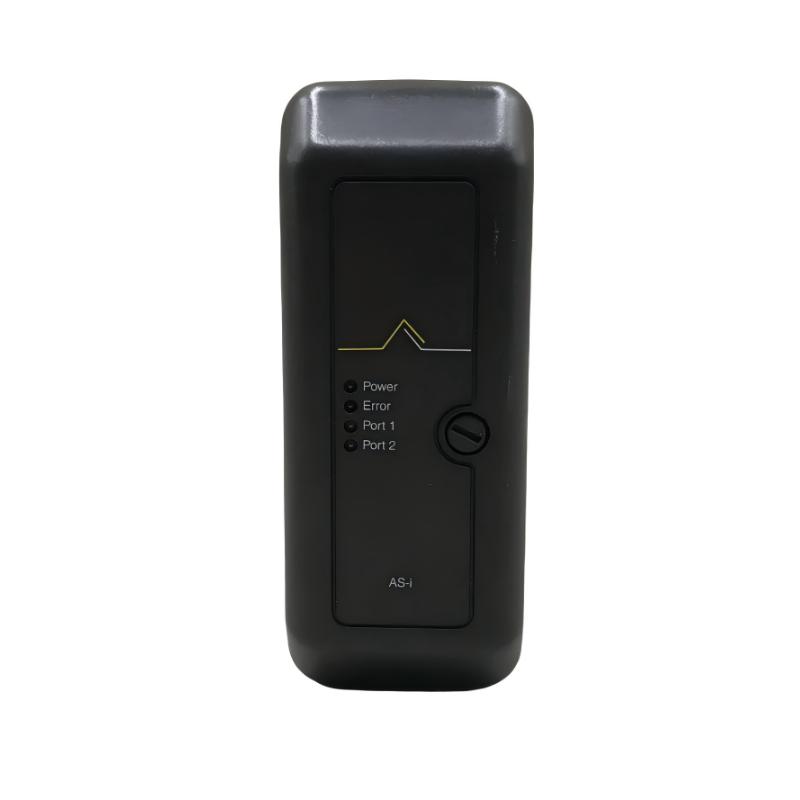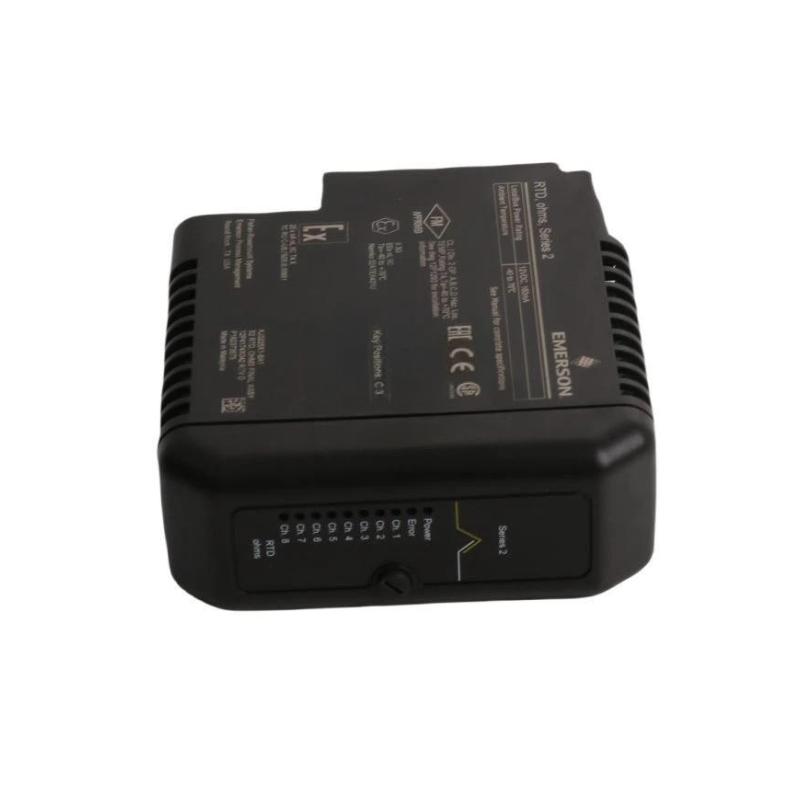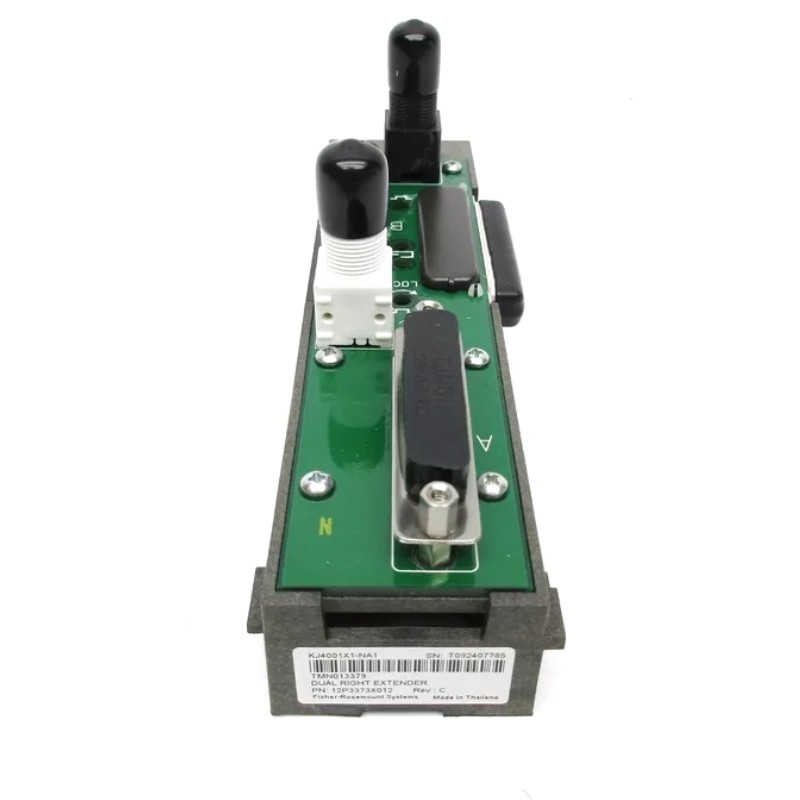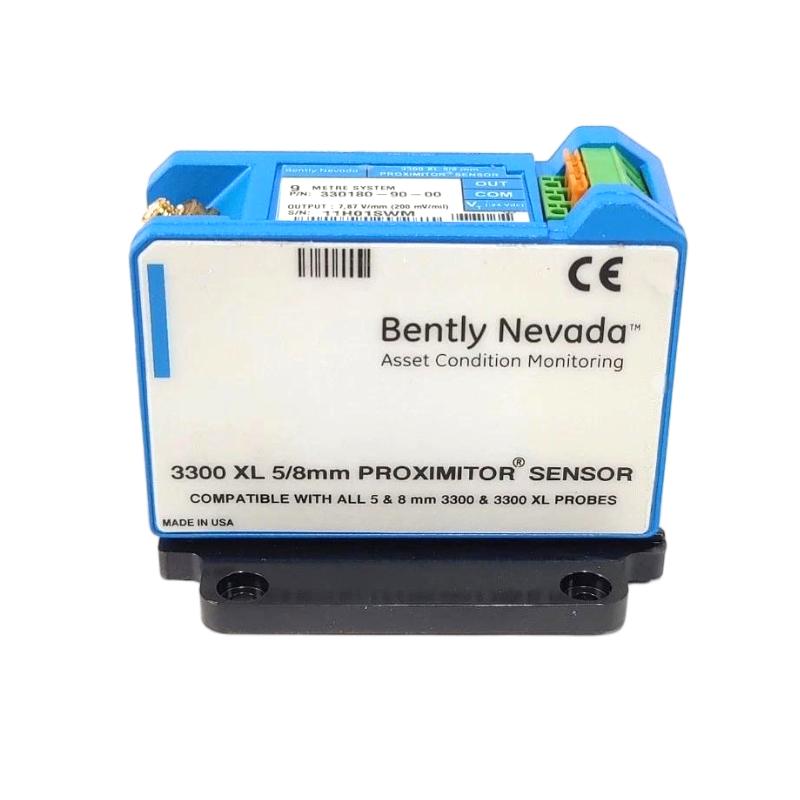
Product Overview
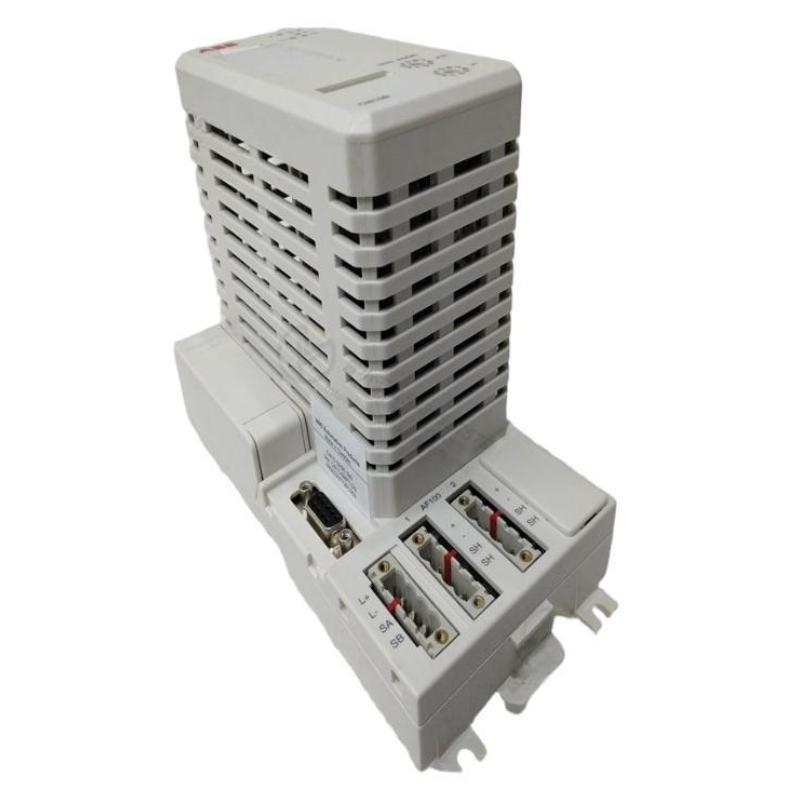
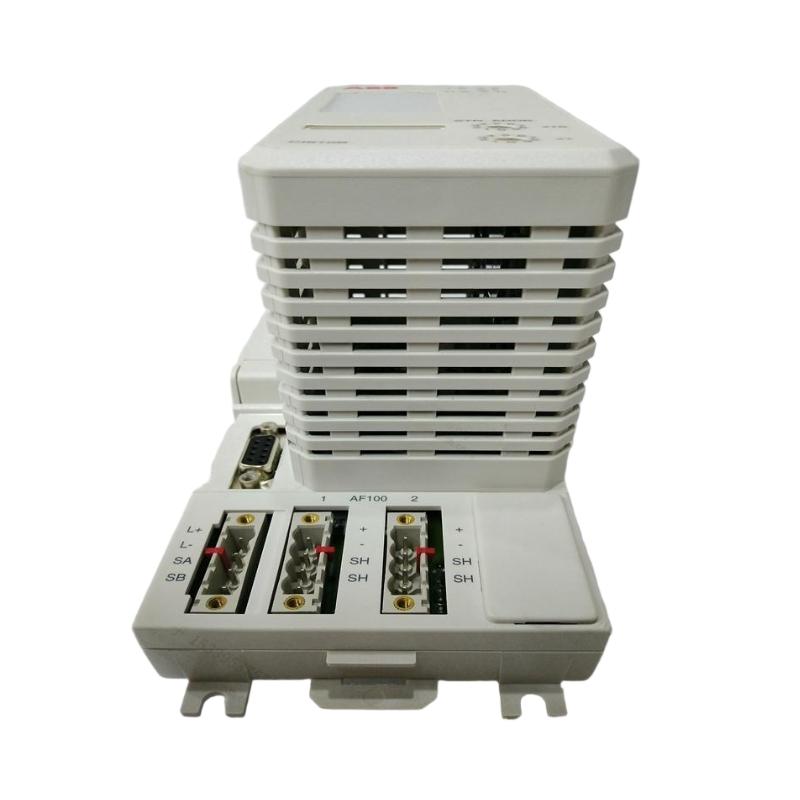
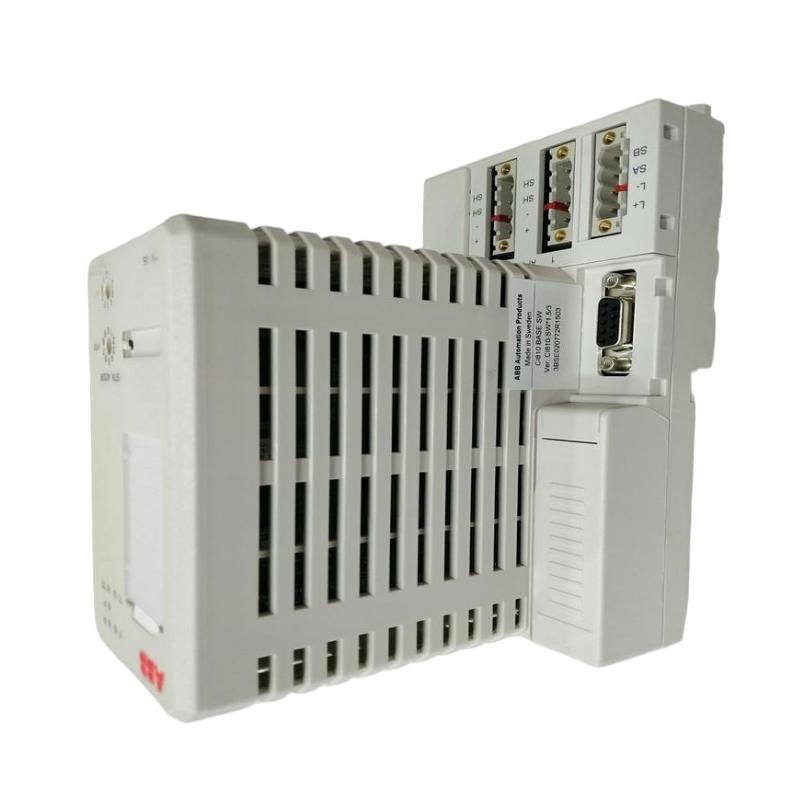
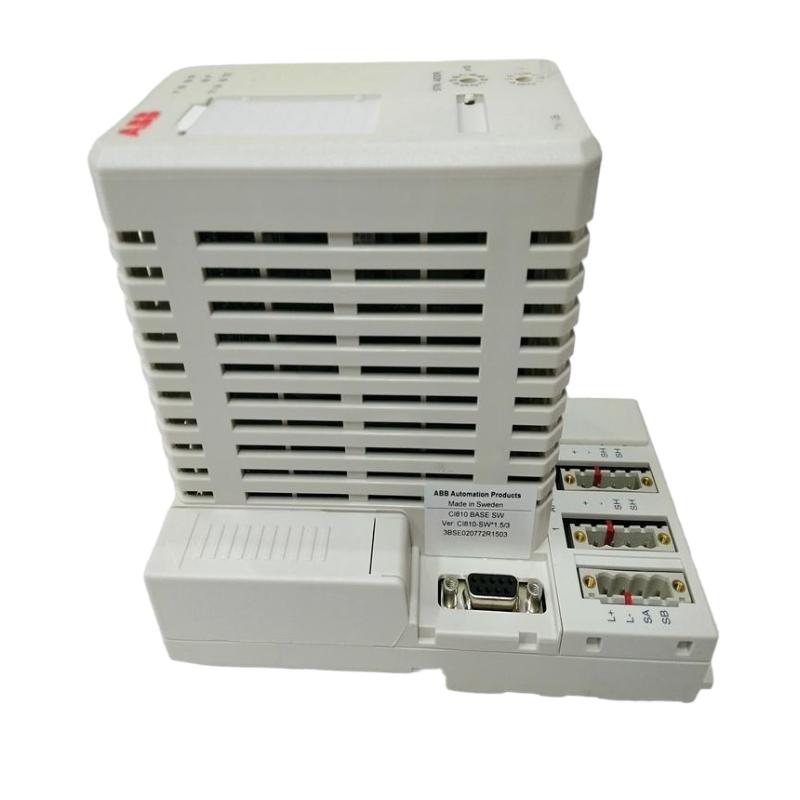
The ABB 3BSE031108R100 Controller Module is designed to manage the execution of automation logic within industrial control environments. It acts as the processing unit responsible for interpreting incoming data, performing control calculations, and issuing commands to connected devices.
In advanced process automation systems, multiple subsystems must communicate seamlessly to maintain production efficiency and operational safety. Controller modules coordinate these activities by processing data from sensors, evaluating system conditions, and controlling outputs such as valves, motors, and pumps.
Because industrial processes often operate continuously, controller modules are engineered for reliability, consistent performance, and integration within modular automation architectures.
Technical Specifications
| Parameter | Specification |
|---|
| Manufacturer | ABB |
| Model | 3BSE031108R100 |
| Module Type | Controller Module |
| Function | Industrial automation control processing |
| Application | Distributed control and automation systems |
| Installation | Control cabinet mounting |
| Dimensions | 125 mm × 70 mm × 30 mm |
| Weight | 0.25 kg (0.55 lb) |
Typical Industrial Deployment Scenarios
The ABB 3BSE031108R100 Controller Module functions as a central processing component within industrial automation architectures. It is designed to execute control logic, coordinate communication between system components, and manage real-time process data.
In complex automation environments, controller modules act as the operational core of distributed control systems and programmable automation platforms. The module ensures stable operation across interconnected devices such as I/O units, field instruments, and communication networks.
Typical application environments include:
-
Distributed control systems in power generation facilities
-
Process control platforms in oil, gas, and petrochemical plants
-
Continuous manufacturing operations in pulp and paper mills
-
High-reliability production environments such as pharmaceuticals and food processing
-
Industrial plants integrating multiple sensor networks and automation layers
These environments require deterministic control performance and reliable data handling, both of which are supported by dedicated controller modules.
Key Engineering Benefits
Deterministic Control Performance
The module executes automation logic with predictable timing, which is essential for stable industrial processes.
Centralized Process Coordination
It manages data exchange between field devices, I/O modules, and supervisory control systems, ensuring synchronized operation.
Compact Control Architecture
With a small physical footprint, the controller can be installed efficiently in high-density automation cabinets.
System Reliability
Designed for industrial environments, the module maintains stable operation under continuous workloads and demanding process conditions.
Scalable Automation Integration
The controller module can be incorporated into larger automation systems, supporting modular expansion and system upgrades.
Technical Questions and Answers
1. What is the primary role of the 3BSE031108R100 controller module?
It processes control logic, coordinates system communication, and manages real-time industrial automation tasks.
2. How does the controller interact with input and output modules?
The controller receives field data from input modules, processes it according to configured control logic, and sends commands to output modules.
3. What types of industrial systems typically use controller modules like this one?
Distributed control systems, programmable automation controllers, and integrated process automation platforms.
4. How does the controller maintain stable process control?
By continuously executing programmed algorithms and monitoring sensor feedback to regulate actuators and process equipment.
5. Can the controller communicate with other automation devices?
Yes. Controller modules are designed to exchange data with I/O units, operator stations, and industrial communication networks.
6. What happens if communication with a field device is interrupted?
The automation system can generate diagnostic alerts, allowing operators to identify and address the issue quickly.
7. Why is deterministic processing important in industrial controllers?
Predictable execution timing ensures that process control actions occur precisely when required, preventing instability or delays.
8. How does the module support system diagnostics?
It provides operational data and diagnostic feedback that helps maintenance engineers detect faults or performance issues.
9. Is redundancy possible in controller architectures?
In many industrial systems, controller redundancy can be implemented to ensure continued operation during hardware failures.
10. Why are controller modules essential in modern automation systems?
They serve as the decision-making core that processes data, executes control strategies, and coordinates equipment throughout the plant.
 A DCS Q Co., Ltd. - PLC and DCS Industrial Control Equipment Wholesale