Industrial Integration Scenarios
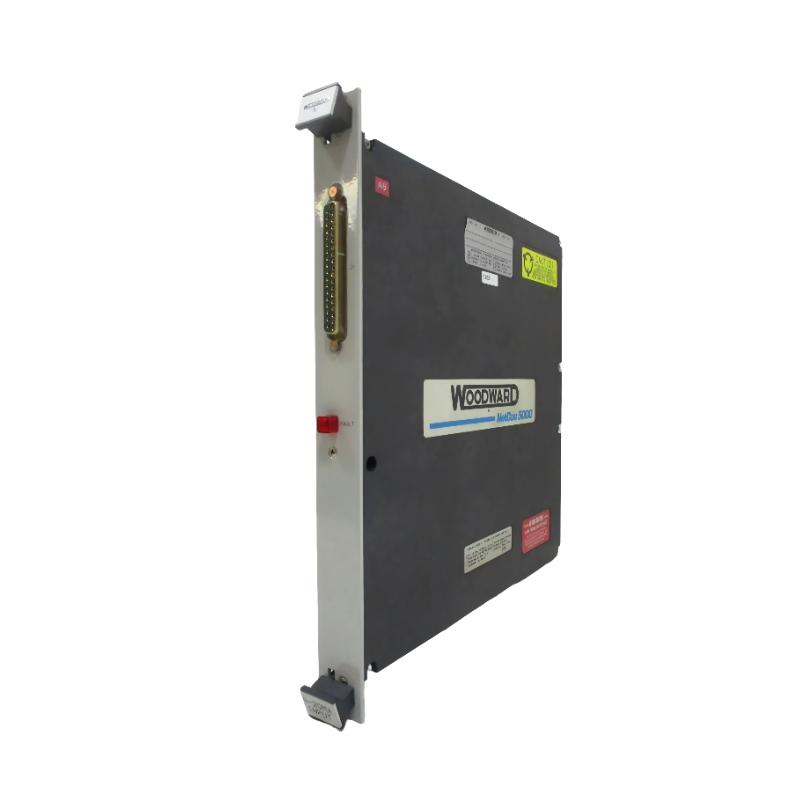
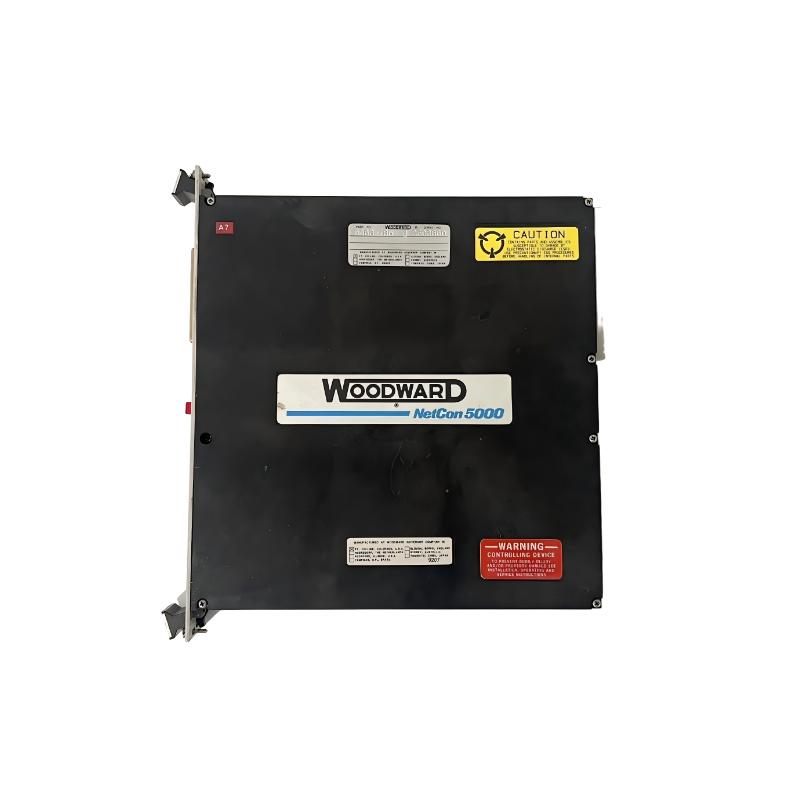
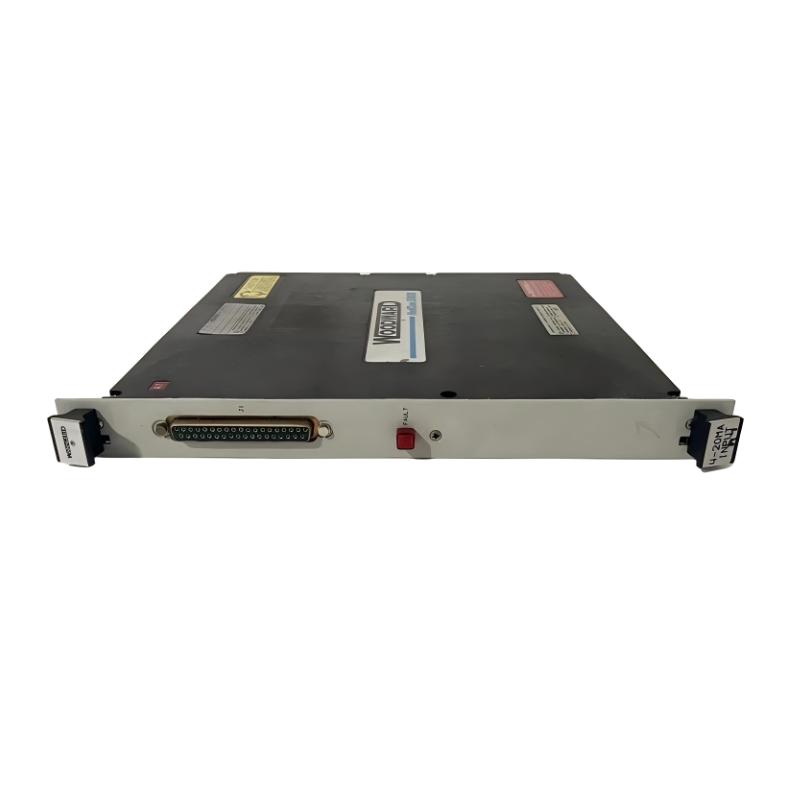
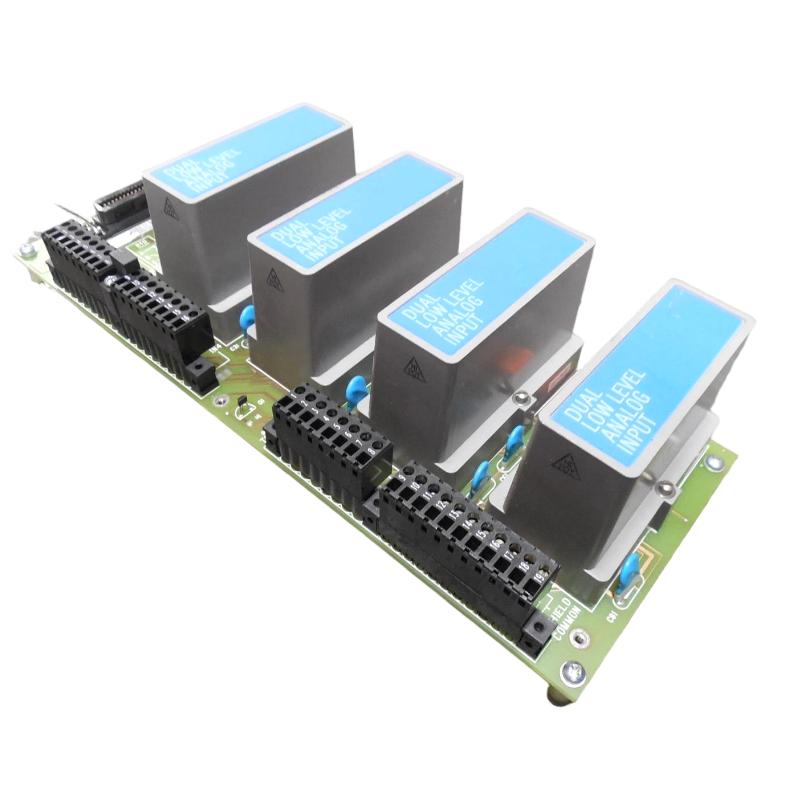
The Woodward 5463-785 4153782 Analog Input Control Module Speed Controller is designed to support precision monitoring and speed regulation within industrial turbine and engine control platforms. In many automation architectures, analog input modules serve as the interface between field instrumentation and the control processor, allowing continuous measurement signals to be interpreted and used for dynamic control adjustments.
Typical environments where this module is deployed include:
-
Gas turbine and steam turbine control systems in power generation plants
-
Industrial generator speed monitoring and load balancing applications
-
Compressor and pump drive systems within energy infrastructure
-
Marine propulsion engine control platforms
-
Process plants requiring continuous speed feedback from rotating equipment
The module captures analog signals such as speed feedback, voltage signals from sensors, and other instrumentation outputs that are essential for maintaining stable machine operation.
Operational Advantages
Engineers implementing the 5463-785 Analog Input Control Module benefit from its specialized role in high-precision control environments.
-
Accurate Signal Acquisition – Designed to capture analog signals with high stability, enabling precise speed monitoring and regulation.
-
Fast Response in Control Loops – Supports rapid signal processing required for real-time control decisions.
-
Reliable Industrial Performance – Built to function continuously in demanding industrial environments.
-
Seamless System Integration – Compatible with Woodward turbine and engine control platforms.
-
Efficient Signal Conditioning – Helps ensure consistent signal quality from field sensors to the control system.
These capabilities support control strategies where accurate analog signal interpretation is essential for stable equipment performance.
Technical FAQs
1. What is the primary role of the 5463-785 module in a control system?
It collects and processes analog input signals that are used by the controller to regulate equipment speed and operational parameters.
2. What types of signals can the module accept?
It is designed to receive analog signals from sensors such as speed pickups, voltage transmitters, and other instrumentation devices.
3. How does this module assist with speed control?
It provides accurate sensor feedback to the controller, enabling the system to maintain or adjust rotational speed in turbines or engines.
4. Is the module used in turbine governor systems?
Yes, it is often incorporated into turbine governing architectures where continuous speed feedback is required.
5. Does the module perform signal conditioning?
Yes, it helps stabilize and interpret incoming analog signals before transmitting them to the system processor.
6. Can it be used in redundant control configurations?
In high-availability control systems, analog input modules may be installed within redundant architectures to enhance system reliability.
7. What types of sensors typically connect to this module?
Magnetic speed sensors, analog transmitters, and other industrial measurement devices.
8. Does the module directly control actuators?
No. It focuses on signal acquisition; actuator control is handled by other output or driver modules.
9. How does the module support stable machine operation?
By delivering accurate sensor data to the controller, enabling precise adjustments to fuel flow, load, or mechanical speed.
10. Can the module be replaced without altering system logic?
In most cases, it can be replaced with an identical module while maintaining existing control configurations.
 A DCS Q Co., Ltd. - PLC and DCS Industrial Control Equipment Wholesale