Product Overview
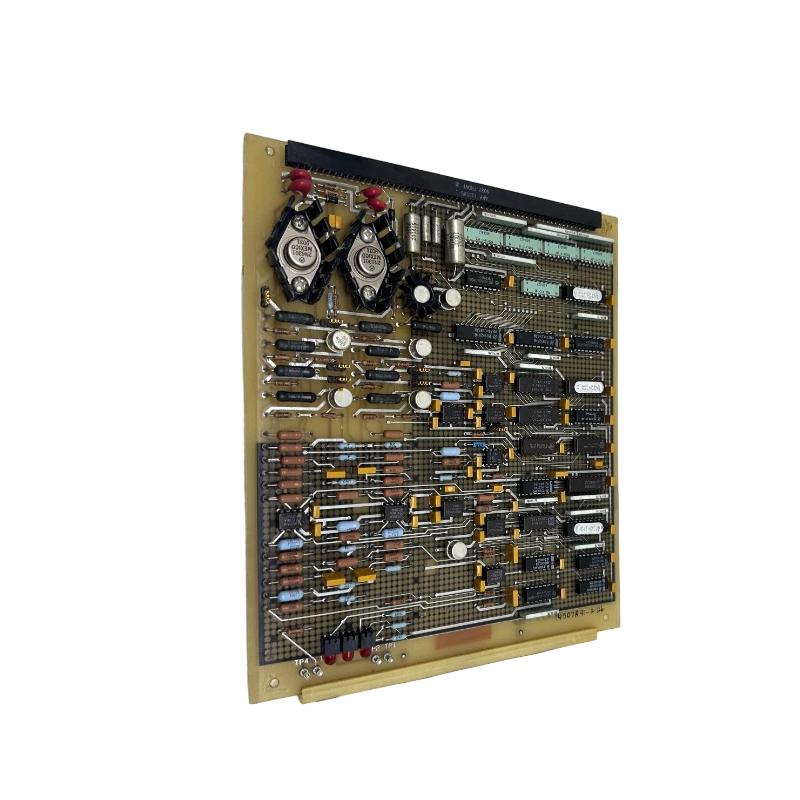
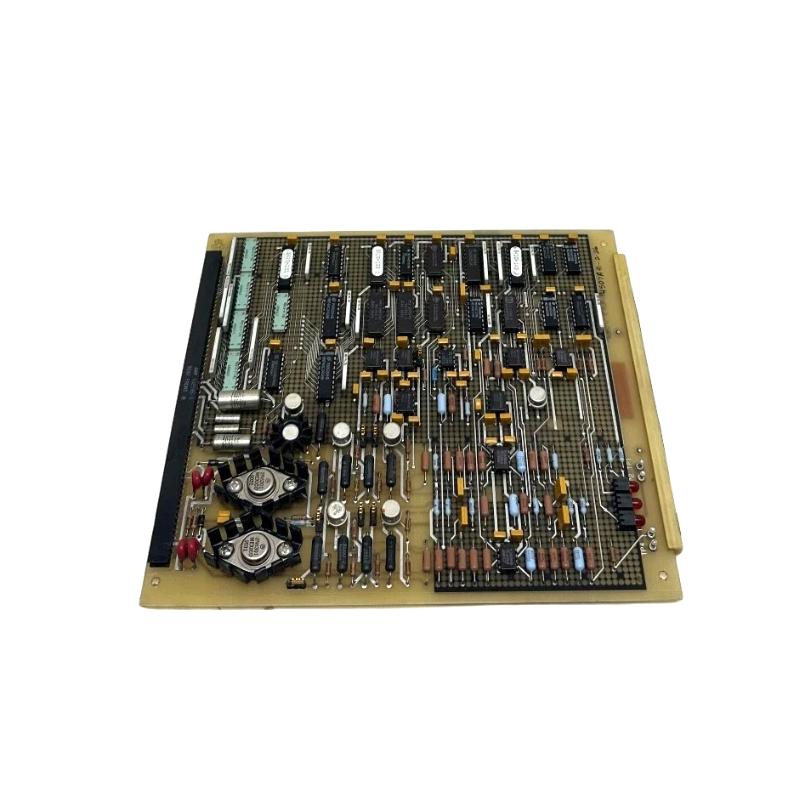
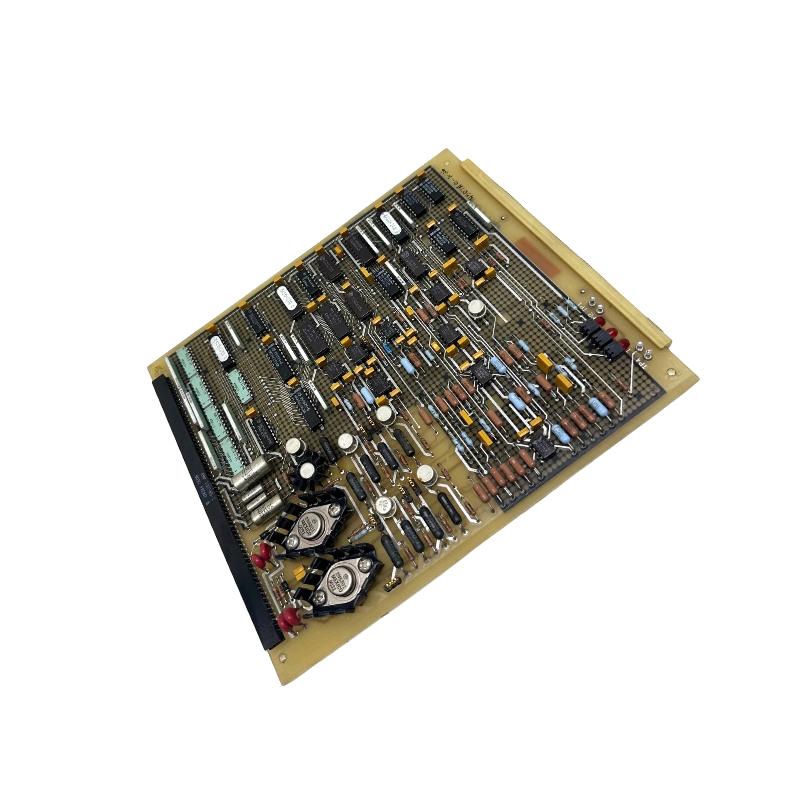
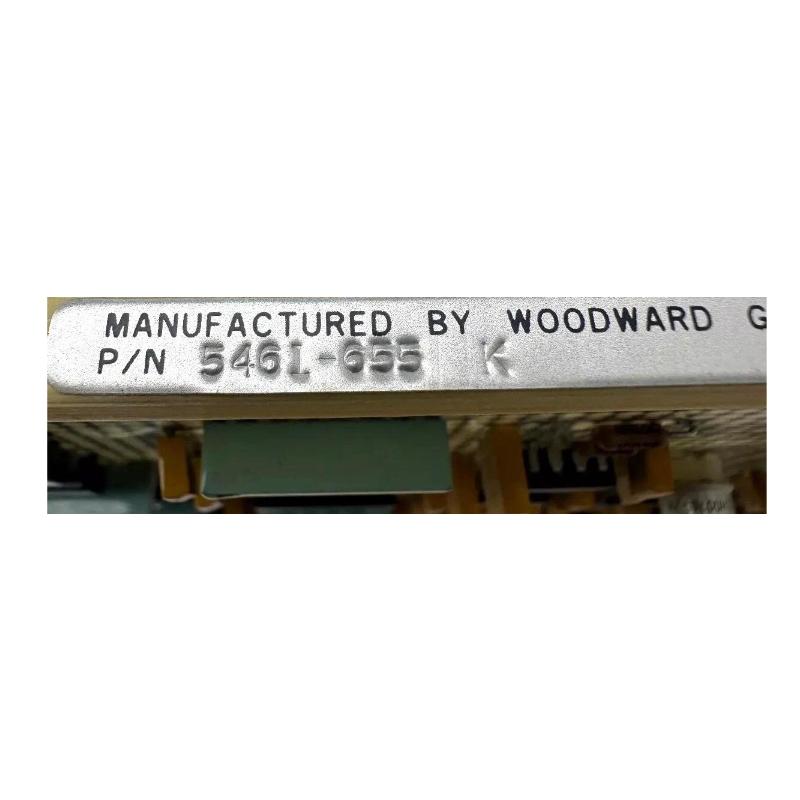
The Woodward 5461-655 Final Driver Module serves as the interface between digital control logic and physical actuator mechanisms. In turbine and engine automation systems, this module is responsible for translating processed control commands into electrical signals that drive mechanical components.
Its position in the control architecture makes it critical for ensuring accurate response from fuel valves, steam regulators, and other actuator-driven devices. Any delay or instability at this stage could affect equipment performance, which is why the module is engineered for signal precision and reliability.
Designed for integration within Woodward control racks, the module supports modular system layouts that simplify maintenance, upgrades, and long-term system expansion.
Technical Specifications
| Parameter | Specification |
|---|
| Manufacturer | Woodward |
| Model | 5461-655 |
| Module Type | Final Driver Module |
| Function | Actuator drive interface for turbine and engine control |
| System Compatibility | Woodward industrial control systems |
| Installation | Rack-mounted module |
| Signal Role | Final stage actuator drive output |
| Operating Environment | Industrial control cabinets |
| Dimensions (L × W × H) | 178 × 102 × 127 mm |
| Weight | 1.8 kg (3.97 lb) |
Where This Module Is Commonly Used
The Woodward 5461-655 Final Driver Module is designed for industrial control systems where actuator commands must be delivered with precision and reliability. In many turbine and engine control architectures, the final driver stage is responsible for converting controller commands into physical motion through actuators or servo devices.
This module is frequently deployed in environments such as:
-
Gas turbine control systems in power generation facilities
-
Steam turbine governing systems used in large industrial plants
-
Compressor and pipeline control stations within energy infrastructure
-
Marine propulsion engine control platforms
-
Heavy industrial engine management systems
Because the module operates at the final stage of the control signal chain, it plays an important role in ensuring accurate mechanical response and stable machine operation.
Engineering Advantages
The 5461-655 Final Driver Module offers several operational advantages valued by control engineers and maintenance teams.
-
Reliable Actuator Signal Delivery – Provides consistent electrical drive signals to servo actuators and valve control mechanisms.
-
Stable Control Loop Performance – Supports accurate response in time-critical turbine control loops.
-
Industrial Durability – Designed for long-term operation in power plants and heavy industrial environments.
-
Modular Integration – Fits seamlessly into Woodward rack-based control systems for simplified maintenance and replacement.
-
Operational Predictability – Maintains signal stability even under fluctuating load conditions.
These characteristics help maintain system stability in applications where actuator accuracy directly affects equipment safety and efficiency.
Technical FAQs
1. What is the primary function of the 5461-655 module?
It serves as a final driver stage that outputs electrical signals capable of directly driving actuators used in turbine or engine control systems.
2. How does this module interact with the main control processor?
The processor sends command signals to the module, which then conditions and delivers the output drive signal to connected actuators.
3. Can this module support redundant control configurations?
Yes. In systems designed with redundancy, multiple driver modules may be used to ensure operational continuity.
4. What types of actuators are typically connected to this module?
Servo actuators, control valves, and fuel metering devices are common interfaces.
5. Is the module suitable for continuous operation environments?
Yes. It is designed for long-duration operation in industrial control cabinets within power generation and energy facilities.
6. How does the module contribute to turbine speed regulation?
By delivering accurate control signals to fuel or steam valves, it helps regulate turbine load and speed response.
7. What diagnostic features are typically associated with this module?
System diagnostics usually include status monitoring through the main control platform and indicator feedback within the rack system.
8. Does the module require special configuration during installation?
Configuration is generally handled within the system controller, while the module functions as an output driver stage.
9. What factors can affect output performance?
Electrical supply stability, actuator load characteristics, and proper system calibration influence performance.
10. Can the module be replaced during maintenance without system redesign?
Yes. In most installations, it can be replaced with an identical module while maintaining the same control configuration.
 A DCS Q Co., Ltd. - PLC and DCS Industrial Control Equipment Wholesale











