Product Overview
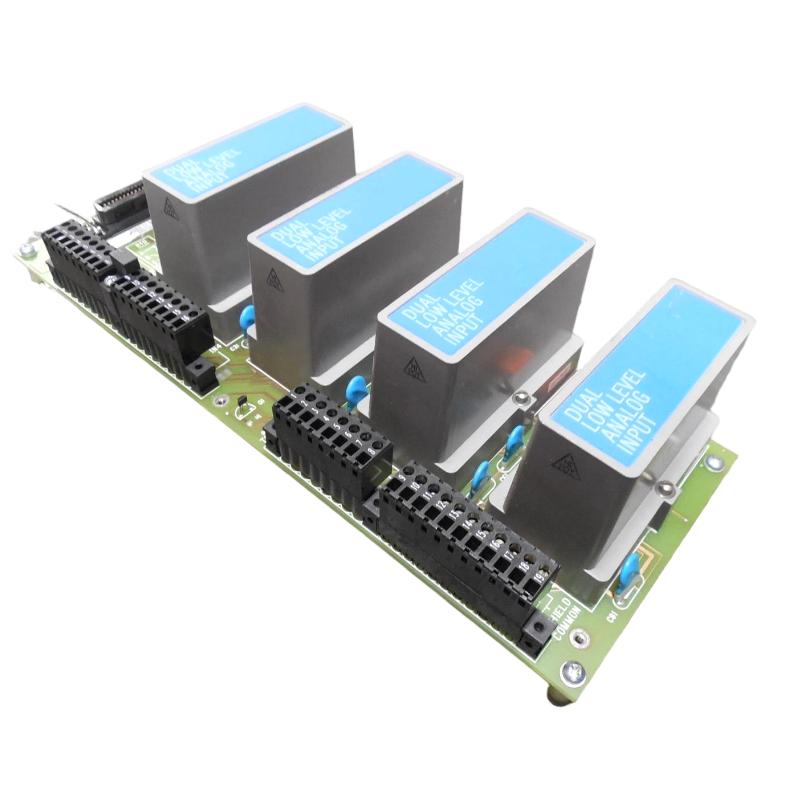
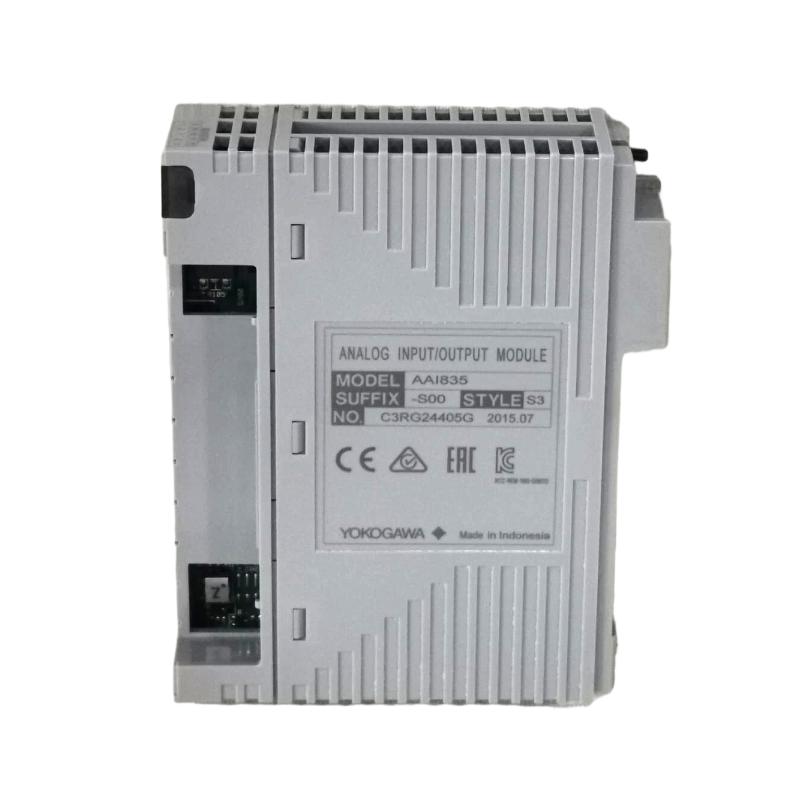
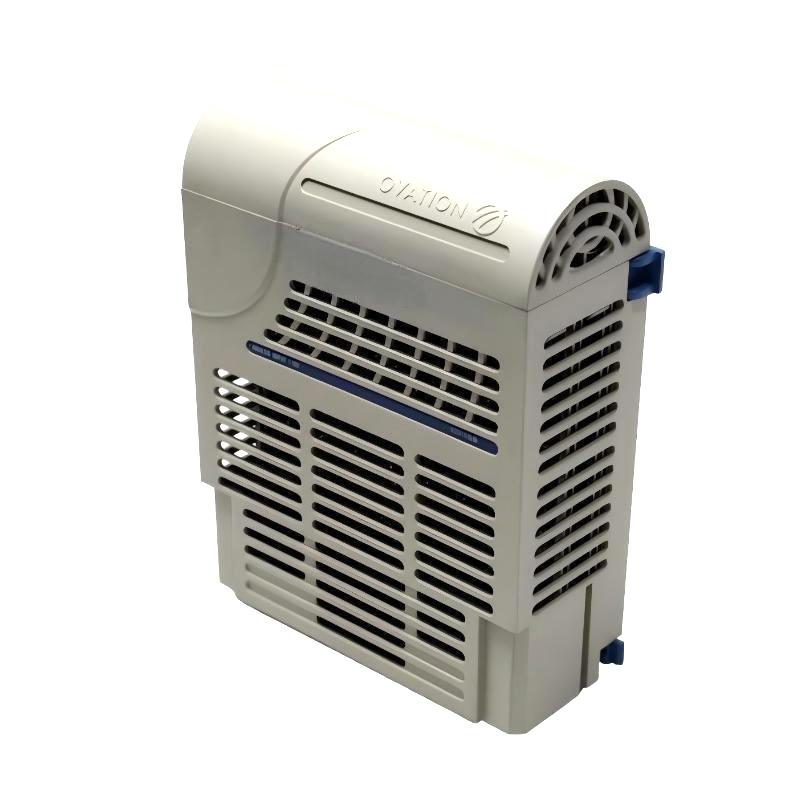
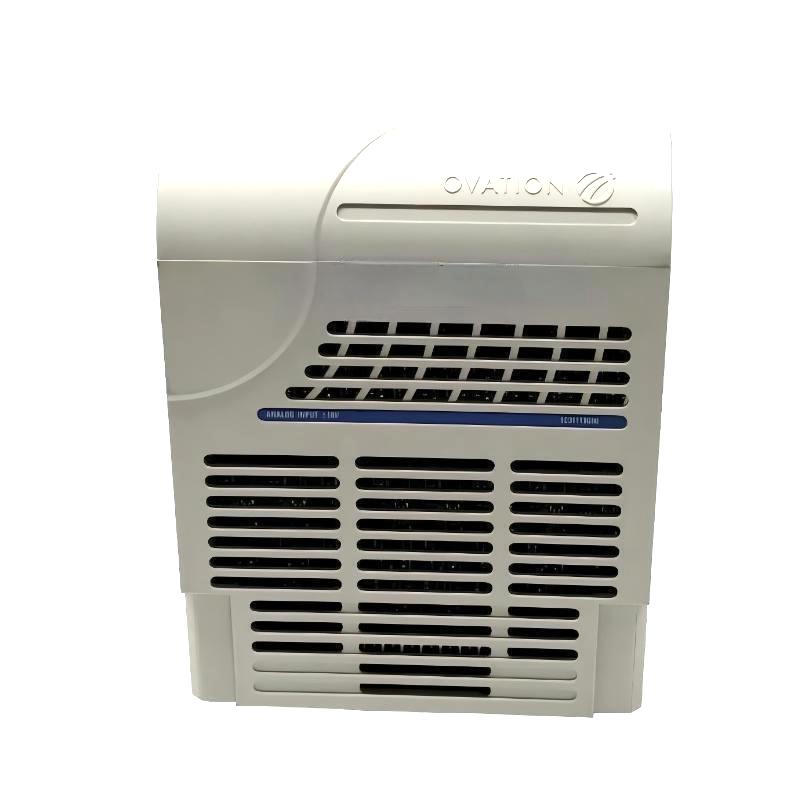
The Ovation 1C31113G06 Analog Input Module serves as a critical measurement interface within Ovation distributed control systems. Industrial facilities rely on continuous monitoring of key process variables, and this module ensures that signals from field instruments are accurately transferred to the control processors.
When a transmitter measures a parameter such as pressure or temperature, it sends an analog signal representing the measurement value. The module receives this signal and converts it into digital information that can be interpreted by the Ovation control system.
This information is then used in several operational functions, including closed-loop process control, alarm generation, operator visualization, and historical performance analysis. Because many industrial systems operate continuously for extended periods, reliable measurement acquisition is essential.
Through stable signal processing and compatibility with the Ovation automation platform, the 1C31113G06 module supports scalable monitoring solutions for complex industrial plants.
Technical Specifications
| Parameter | Specification |
|---|
| Manufacturer | Ovation |
| Model | 1C31113G06 |
| Module Type | Analog Input Module |
| Input Type | Industrial analog transmitter signals |
| Signal Interface | Continuous process variable input |
| System Compatibility | Ovation Distributed Control System |
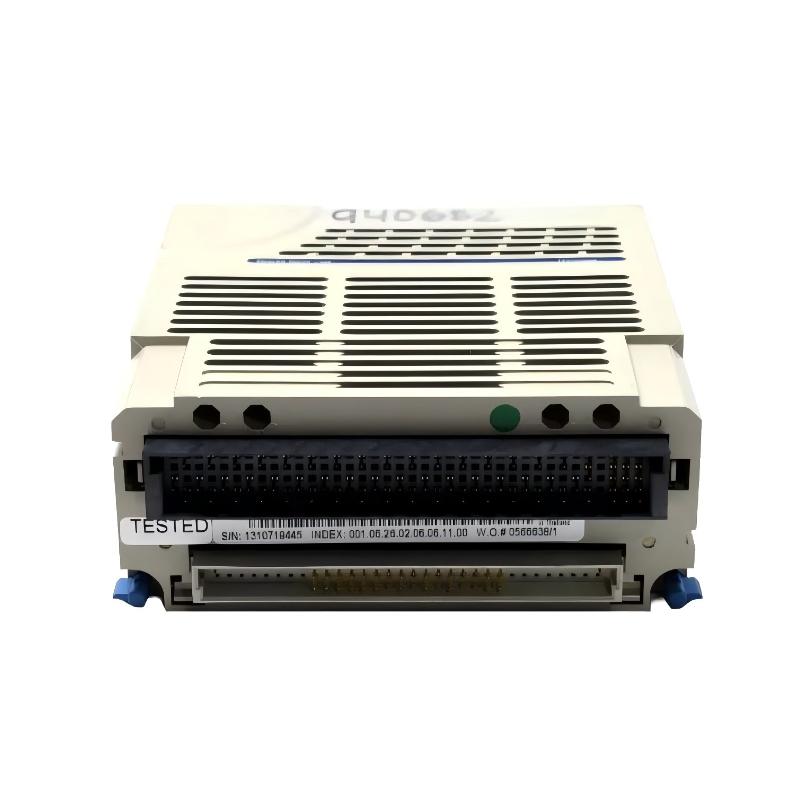
| Mounting | Ovation I/O rack installation |
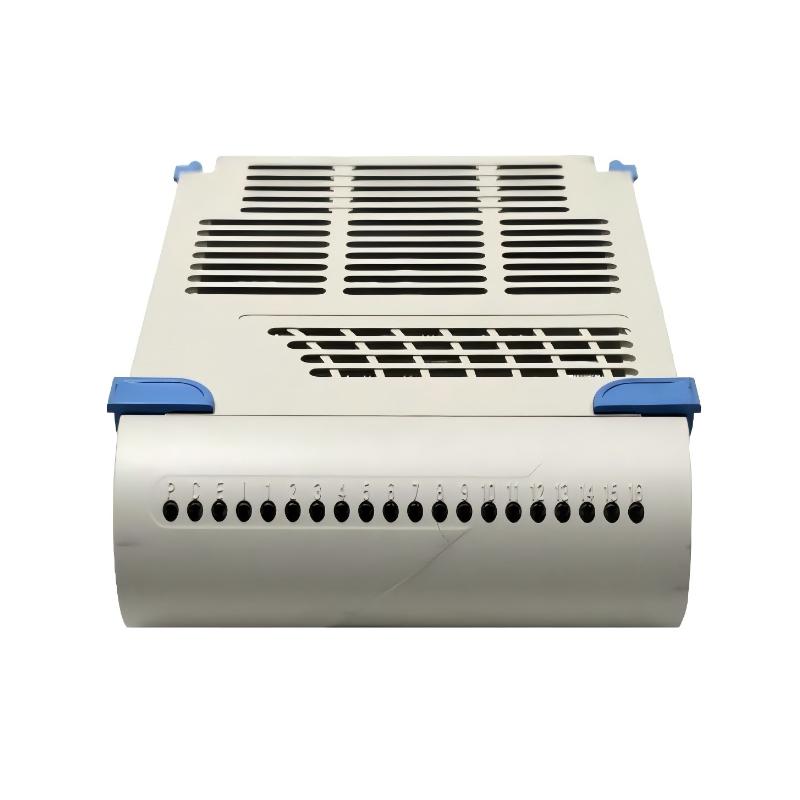
| Diagnostic Features | Channel status indicators and system diagnostics |
| Industrial Application | Process measurement acquisition |
| Dimensions | 260 × 32 × 176 mm |
| Weight | 0.8 kg (1.7637 lb) |
Process Control Environments and Field Applications
The Ovation 1C31113G06 Analog Input Module is designed to interface field instrumentation with the Ovation distributed control system, enabling accurate acquisition of continuous process signals. In large industrial facilities, analog measurements provide essential visibility into operational conditions and allow automated systems to regulate processes in real time.
Typical applications include:
-
Utility-scale power plants, where analog transmitters measure variables such as turbine pressure, steam temperature, and fuel flow.
-
Chemical and petrochemical operations, monitoring reaction conditions that require stable measurement and control.
-
Water treatment and desalination plants, integrating signals from flow meters, level transmitters, and chemical monitoring devices.
-
Industrial energy systems, tracking cooling water temperatures, compressor pressures, and plant utility performance.
-
Manufacturing facilities, where continuous process variables influence equipment efficiency and production quality.
By collecting and digitizing these signals, the module provides the control system with the data required to maintain stable and efficient plant operation.
Operational Advantages for Industrial Engineers
Reliable Measurement Acquisition
The module captures analog signals from field transmitters with consistent accuracy, ensuring dependable process monitoring.
Seamless Ovation System Integration
Designed specifically for Ovation control architectures, the module integrates directly into distributed I/O frameworks and communicates efficiently with system controllers.
Enhanced Signal Conditioning
Internal circuitry filters electrical noise and helps maintain signal integrity even in environments with heavy industrial equipment.
Expandable Automation Infrastructure
The modular design allows facilities to increase measurement capacity without redesigning the entire control architecture.
Simplified Maintenance and Diagnostics
Channel indicators and system diagnostics help technicians quickly identify signal status and locate potential instrument or wiring faults.
Technical FAQs
1. What types of instruments typically connect to the module?
Pressure transmitters, temperature transmitters, flow sensors, and level measurement devices commonly provide signals to the module.
2. What signal standard is most commonly used with analog input modules?
The widely adopted industrial standard is the 4–20 mA current loop used by most field transmitters.
3. How does the module maintain signal accuracy in industrial environments?
Signal conditioning and filtering circuits minimize electrical interference and stabilize incoming analog signals.
4. Can this module support continuous monitoring for critical processes?
Yes, it is designed for continuous operation in industrial systems where process data must be available at all times.
5. How are engineering units applied to the signals?
Signal scaling and conversion to engineering units are configured within the Ovation control software.
6. What happens if a transmitter signal becomes abnormal?
The control system can trigger alarms or protective actions when measurements exceed configured limits.
7. Is the module compatible with redundant control system architectures?
Yes, it can function within Ovation systems designed with redundant controllers and distributed I/O configurations.
8. Are special wiring practices recommended?
Shielded cables and proper grounding are recommended to protect signal integrity in electrically noisy environments.
9. How can technicians diagnose a failed sensor connection?
System diagnostics and abnormal signal readings help identify open circuits or transmitter faults.
10. Can the collected data be used for historical analysis?
Yes, Ovation systems can store measurement data for long-term performance monitoring and process optimization.
 A DCS Q Co., Ltd. - PLC and DCS Industrial Control Equipment Wholesale