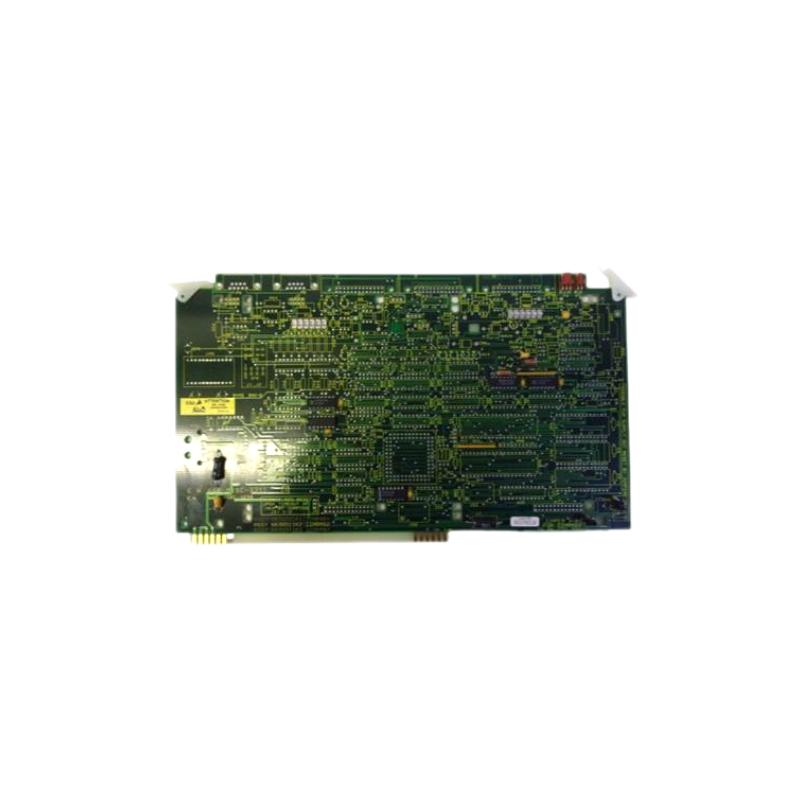
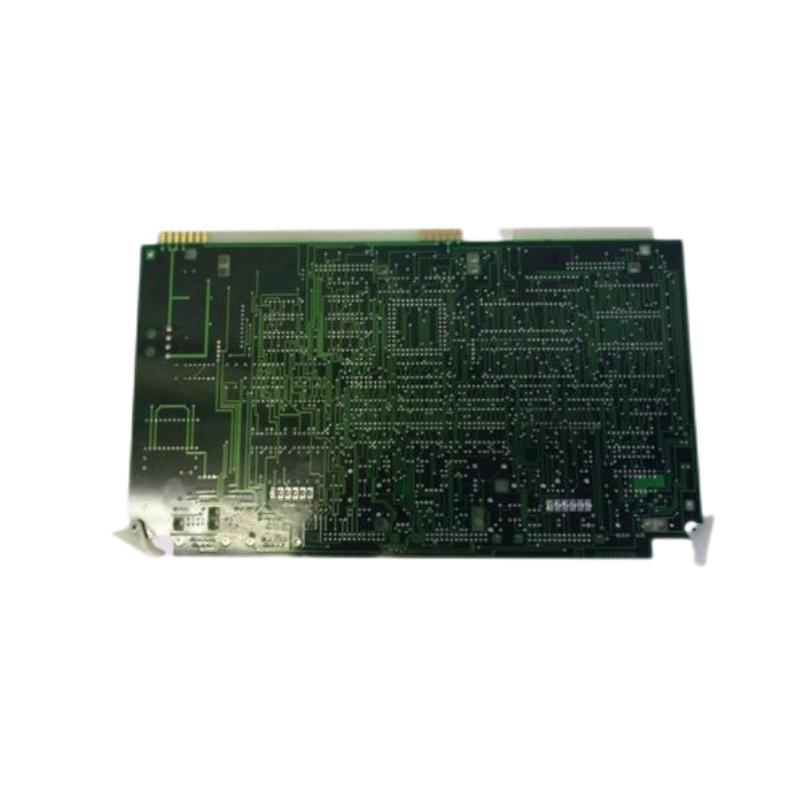
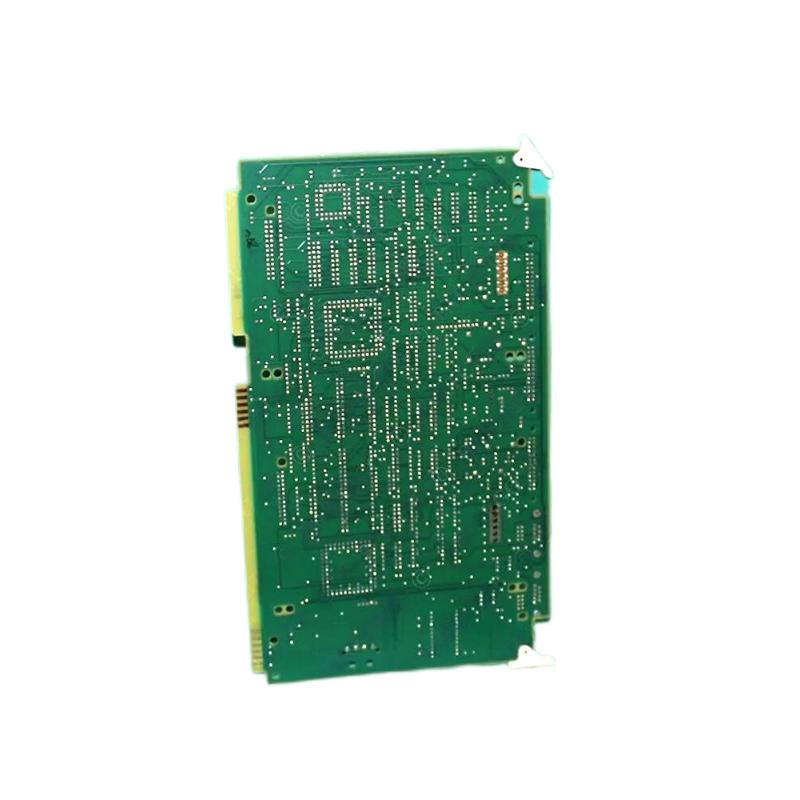
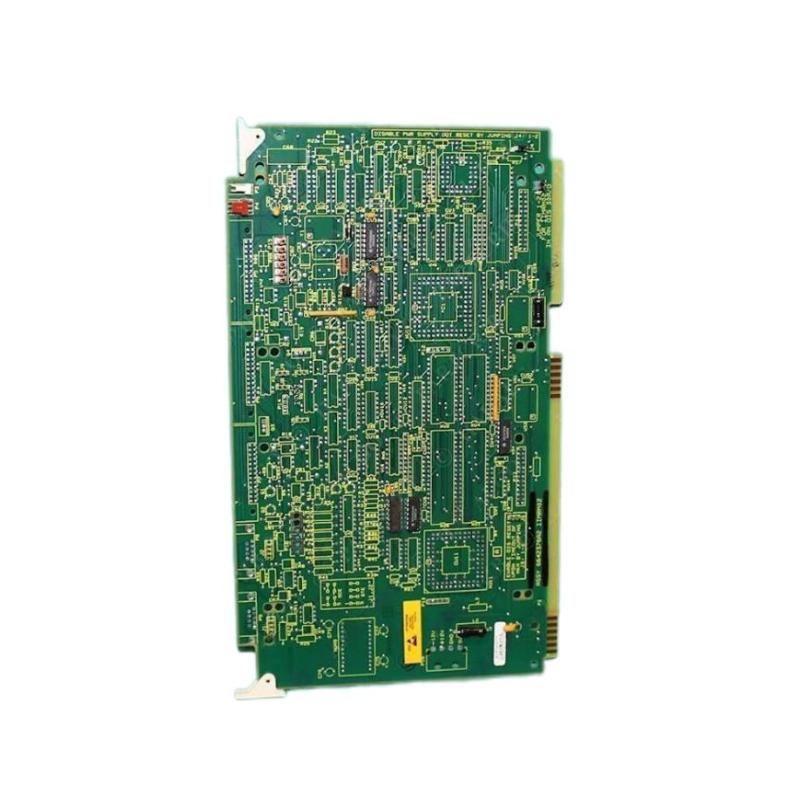
Typical Industrial Applications
The IIMRM02 Multibus Reset Module is installed where orderly communication reset and system recovery are needed:
-
Coordinated reset of multibus communication segments following faults
-
System recovery after configuration or network topology changes
-
Initialization resets during commissioning or maintenance activities
-
Reset logic for distributed I/O modules after diagnostic trips
-
Supporting orderly handoff in redundant network setups
By centralizing reset logic into a dedicated module, engineers can reduce the need for ad‑hoc rebooting and improve system control discipline.
Key Advantages & Features
-
Structured Reset Control:
Provides a repeatable and predictable mechanism for resetting multibus communication paths.
-
System Stability Support:
Helps restore orderly communication following faults or topology changes without requiring full system shutdown.
-
Industrial‑Grade Reliability:
Built to withstand vibration, electrical noise, and fluctuating temperatures common in plant environments.
-
Simplified Network Management:
Centralized reset capability improves clarity and uniformity in system recovery procedures.
-
Seamless Integration:
Designed to work within ABB Bailey multibus infrastructures, aiding integration with rack‑level communication elements.
Together, these features help maintain system uptime and simplify recovery procedures in complex distributed control architectures.
Technical FAQs
-
What is the purpose of the IIMRM02 module?
It provides structured reset logic for multibus communication segments to support system recovery.
-
Which systems is it compatible with?
ABB Bailey distributed control platforms such as INFI‑90.
-
Does it control field I/O signals?
No — its role is focused on communication and control logic reset operations.
-
Is it rugged enough for industrial use?
Yes — built to withstand vibration, electrical noise, and typical plant environment conditions.
-
How is it mounted?
It installs within control racks or cabinet interfaces alongside other communication modules.
-
Does it require separate power?
It typically uses backplane or system bus power according to system wiring conventions.
-
Can it support redundant systems?
Yes — within properly designed network architectures, it can assist reset logic across redundant bus paths.
-
Does it provide diagnostics?
While primarily a reset element, its meaningful integration helps clarify reset sequence statuses in system logs.
-
Is external configuration required?
Reset logic is typically configured through system engineering tools based on topology and control strategy.
-
Can it improve system recovery time?
Yes — by centralizing and standardizing reset behavior, it simplifies and accelerates recovery procedures.
 A DCS Q Co., Ltd. - PLC and DCS Industrial Control Equipment Wholesale