Application Scenarios
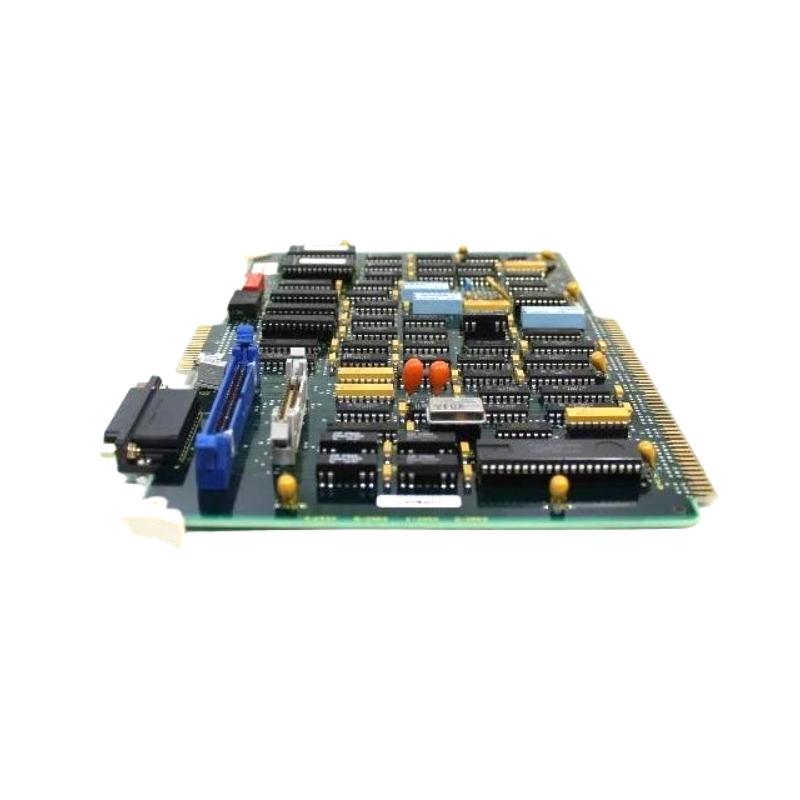
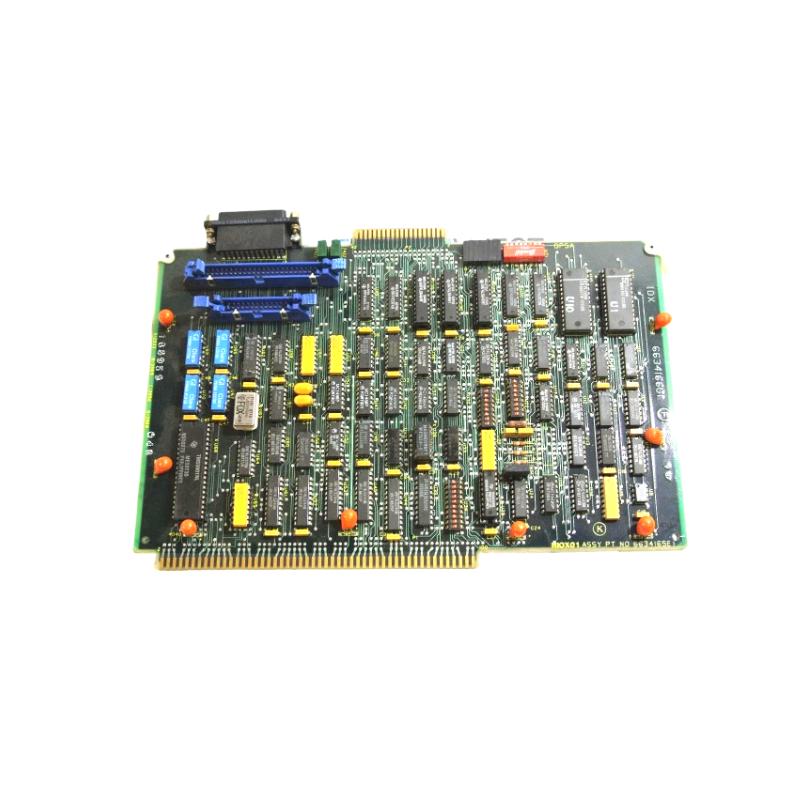
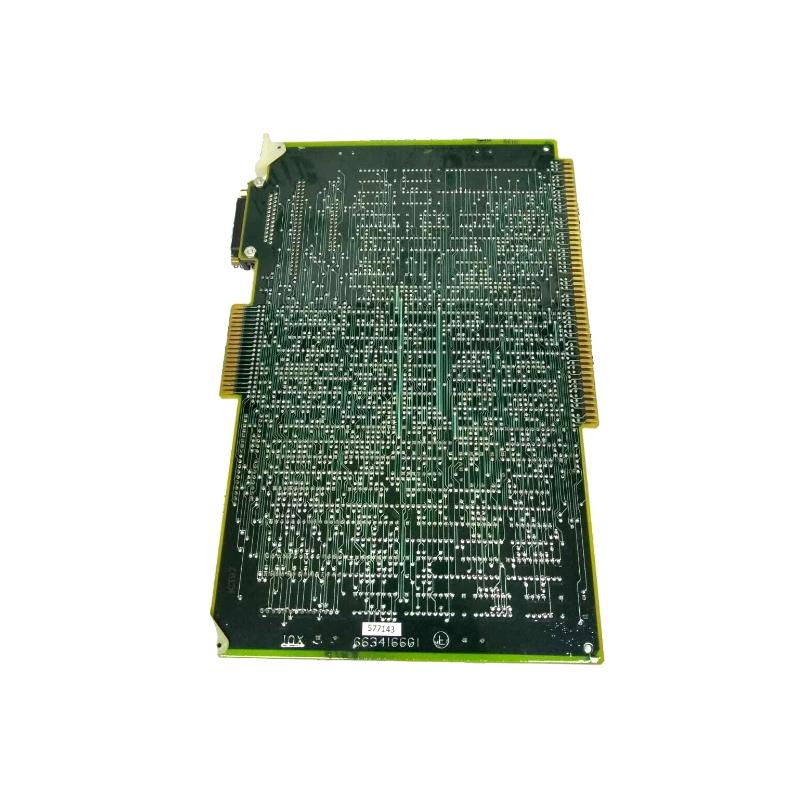
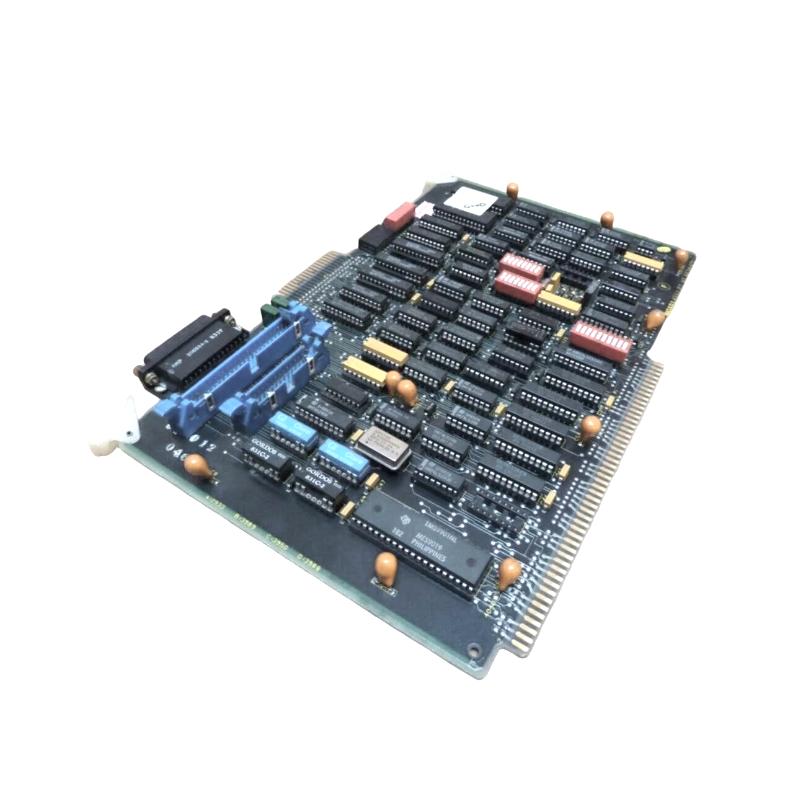
The NIOX01 I/O Expander Module is ideal for systems that require additional I/O points beyond the capacity of standard I/O racks. Common applications include:
-
Control System Growth: Incrementally increasing I/O capacity to support plant expansion or additional process loops
-
Large‑Scale Distributed I/O: Supporting multiple discrete and analog device connections across remote or centralized racks
-
Remote Field Aggregation: Acting as a local aggregation point for field I/O in remote skids, subsystems, or distributed panels
-
Process Automation Environments: Enhancing connectivity in petrochemical plants, power generation, water/wastewater facilities, and manufacturing
By enabling orderly expansion of I/O architecture, the NIOX01 reduces the need for extensive system redesigns when capacity needs grow.
Advantages
-
Scalable I/O Expansion: Allows additional I/O modules to be added without modifying core controllers
-
Seamless DCS Integration: Integrates with legacy and extended Bailey system backplanes and communication buses
-
Flexible Deployment: Suitable for centralized or remote rack installations
-
Industrial‑Grade Reliability: Built for rugged operation in harsh plant environments
-
Cost‑Effective Growth: Extends I/O without expensive controller upgrades
These features make the NIOX01 a practical choice for phased plant upgrades or ongoing control system evolution.
Technical FAQs
-
What is the core purpose of the NIOX01?
It increases the available I/O capacity of an ABB Bailey control system by providing additional slots for I/O modules.
-
Which systems is it compatible with?
ABB Bailey INFI 90, Network 90, and Symphony DCS architectures.
-
Does it support analog and digital modules?
Yes — the types of I/O supported depend on the modules paired with the NIOX01.
-
How does the expander connect to the system?
Through the distributed I/O bus or backplane interface defined in the DCS architecture.
-
Can it be installed in remote panels?
Yes — it can be mounted in local termination or field panels to support remote aggregation.
-
Does it require configuration software?
Yes — engineering tools are used to configure I/O mapping and parameters.
-
Is it redundant capable?
Redundancy support depends on the overall system design and communication architecture.
-
Does it support diagnostics?
System‑level diagnostics report expander status and faults through the central controller interface.
-
What industries use this module?
Petrochemical, power generation, water/wastewater, and manufacturing sectors.
-
Can it be hot‑swapped?
Module replacement practices depend on system design; safety and system procedures apply.
 A DCS Q Co., Ltd. - PLC and DCS Industrial Control Equipment Wholesale