Application Scenarios
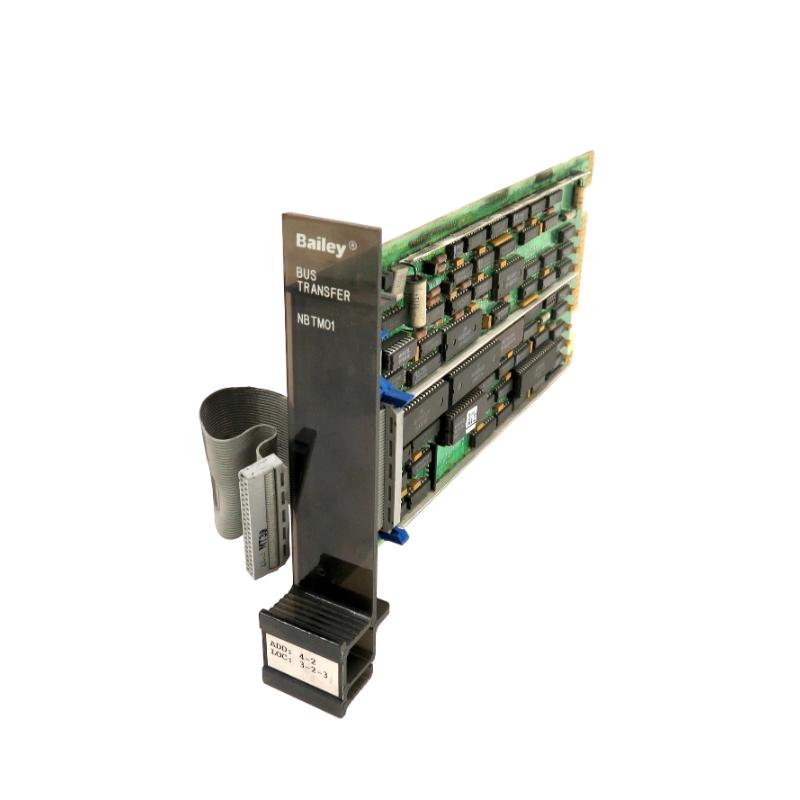
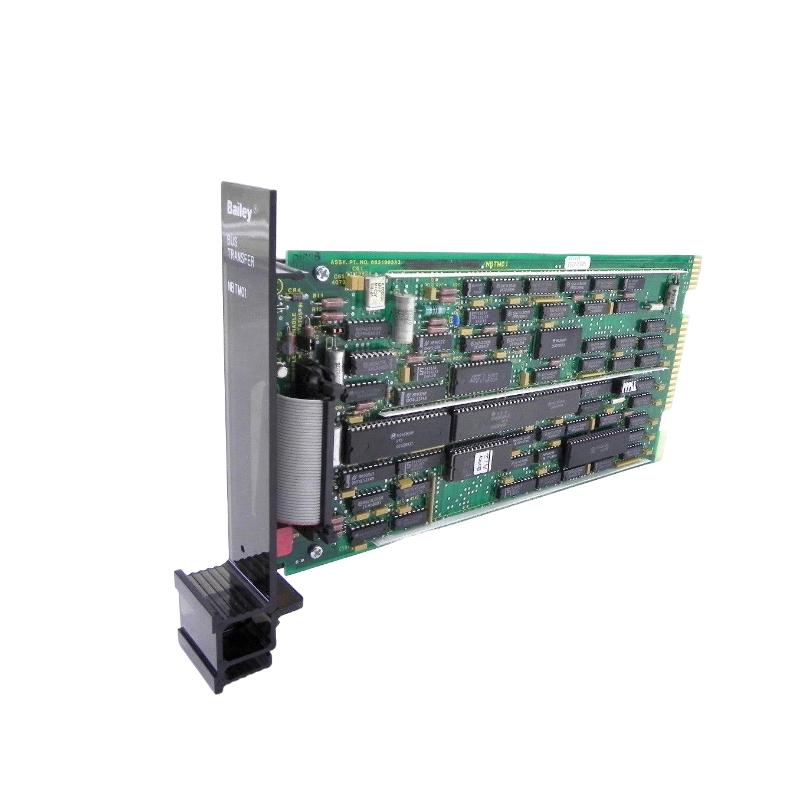
The NBTM01 Bus Transfer Module is used in distributed automation systems where uninterrupted network communication is essential. Typical applications include:
-
Redundant Bus Architectures: Ensuring continuous data exchange between controllers and I/O nodes by switching paths upon fault detection
-
High-Availability DCS Installations: Facilitating dynamic bus transfer in critical process plants
-
Process Control Networks: Supporting communication stability where deterministic signal delivery is required
-
Fault Tolerant System Designs: Minimizing the impact of link failures in bus communication pathways
Its primary purpose is to enhance the resilience of communication networks that underpin control and safety logic in complex automation environments.
Key Advantages
-
Redundancy Support: Enables automated bus transfer between primary and alternate paths for fault tolerance
-
Continuous Communication: Helps maintain uninterrupted data flow in control architectures
-
System Compatibility: Integrates with ABB Bailey DCS communication frameworks
-
Industrial Durability: Designed for continuous operation in typical plant environments
-
Modular Mounting: Fits standard rack layouts for organized installation
These features help ensure that mission-critical process data and control signals remain available even in the presence of communication path interruptions.
Technical FAQs
-
What is the primary function of the NBTM01?
It manages automatic switch-over between redundant bus communication paths to maintain system connectivity.
-
Where is this module typically installed?
Within control system cabinets alongside controllers and I/O modules in distributed automation architectures.
-
Does it support hot switchover?
Yes — it is designed for controlled, typically seamless transfer between buses in redundant configurations.
-
Is it specific to a particular ABB platform?
It is designed for use with Bailey DCS platforms such as INFI-90 and compatible bus architectures.
-
Does it manage multiple bus types?
Configuration depends on system architecture; support is defined by overall Bailey bus design.
-
Does it require external configuration tools?
Yes, system engineering tools are used to define bus parameters and transfer logic.
-
Can it alert operators to transfer events?
System diagnostics typically report bus status and transfer events via controller interfaces.
-
Is the module hot-swappable?
Physical replacement procedures depend on system configuration and operational policies.
-
What happens if both primary and alternate paths fail?
System logic determines fallback actions; consult system design policies for fault behavior.
-
Can this module be used in safety applications?
It enhances communication redundancy but must be implemented within appropriate safety architectures for safety-critical functions.
 A DCS Q Co., Ltd. - PLC and DCS Industrial Control Equipment Wholesale