Applications: High-Availability and Safety-Critical Installations
The 10315/1/1 is widely used in systems that demand continuous availability and fail-safe operation, including:
-
Process Control Plants – Chemical, petrochemical, and refining environments with high uptime requirements
-
Power Generation Facilities – Turbine, generator, and auxiliary control systems
-
Manufacturing Automation – High-speed and high-precision control loops
-
Utility and Infrastructure Control – Water/wastewater, transportation systems, and substations
-
Fail-Safe Safety Systems – Emergency shutdown systems and protective control logic
In these applications, the redundant backplane supports the integrity of critical I/O data flows across all operating states.
Advantages: Resilience, Reliability, and System Continuity
-
Redundant Data Paths
Dual communication buses help maintain data integrity even if a primary path fails.
-
Fail-Safe Design
Supports system safety requirements by enabling continued operation under fault conditions.
-
Modular Integration
Works with a wide range of redundant and standard I/O, controller, and communication modules.
-
Industrial Durability
Designed to withstand typical control room environmental stresses and continuous operation.
-
Seamless Scaling
Facilitates expansion of I/O capacity without compromising the redundant architecture.
Together, these strengths make the 10315/1/1 a core element in resilient automation systems where uptime and fault tolerance are top priorities.
Technical FAQs: Clear Answers for Engineers
1. What is the primary function of the 10315/1/1 backplane?
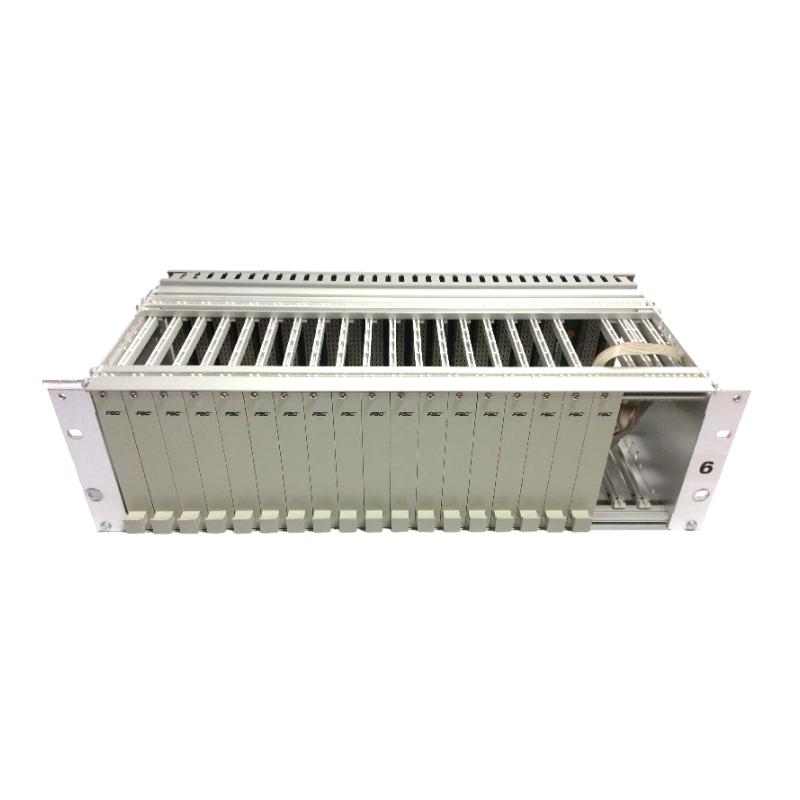
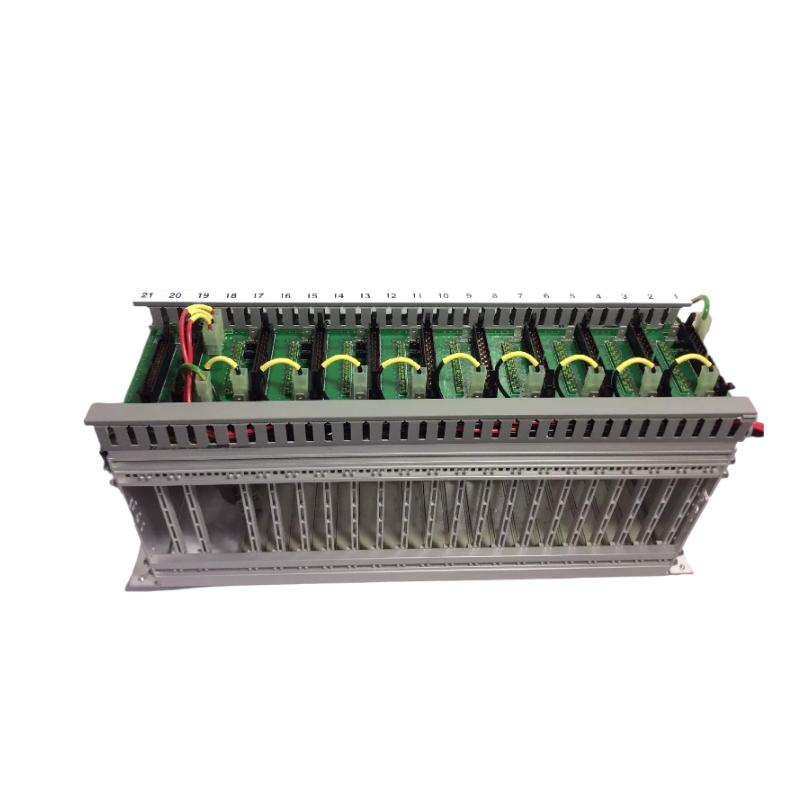
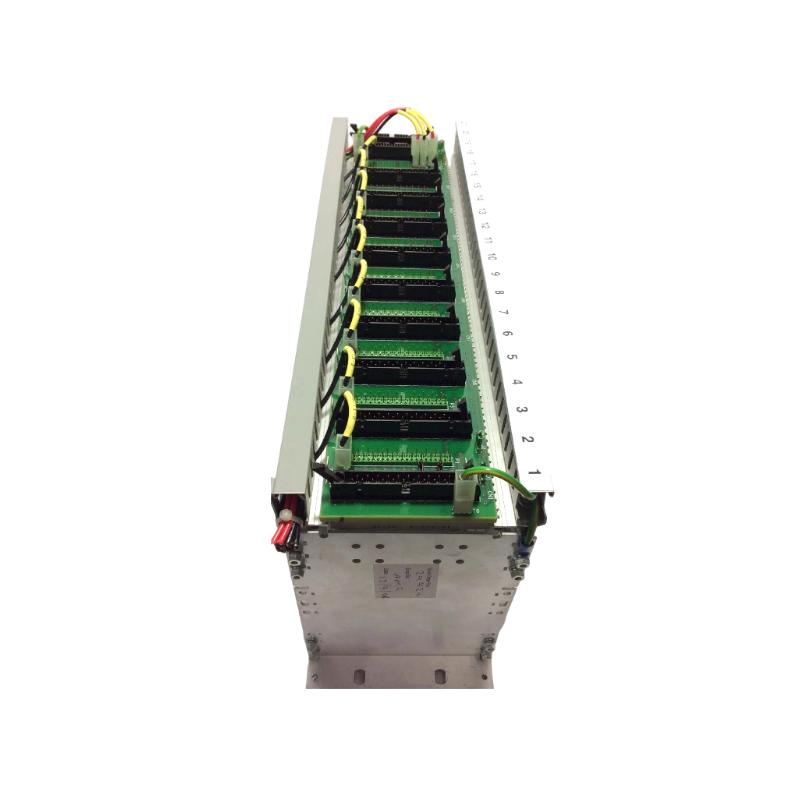
It provides redundant data and power distribution for fail-safe I/O and control modules in critical systems.
2. Which systems is it compatible with?
It integrates with Honeywell control and safety platforms that support redundant architectures.
3. Does it support both redundant and non-redundant modules?
Yes — the backplane can accommodate a mix of redundant and standard I/O and communication modules.
4. How does redundancy improve system uptime?
By maintaining alternate data paths and power routes, it minimizes the impact of partial hardware failures.
5. What type of mounting is used?
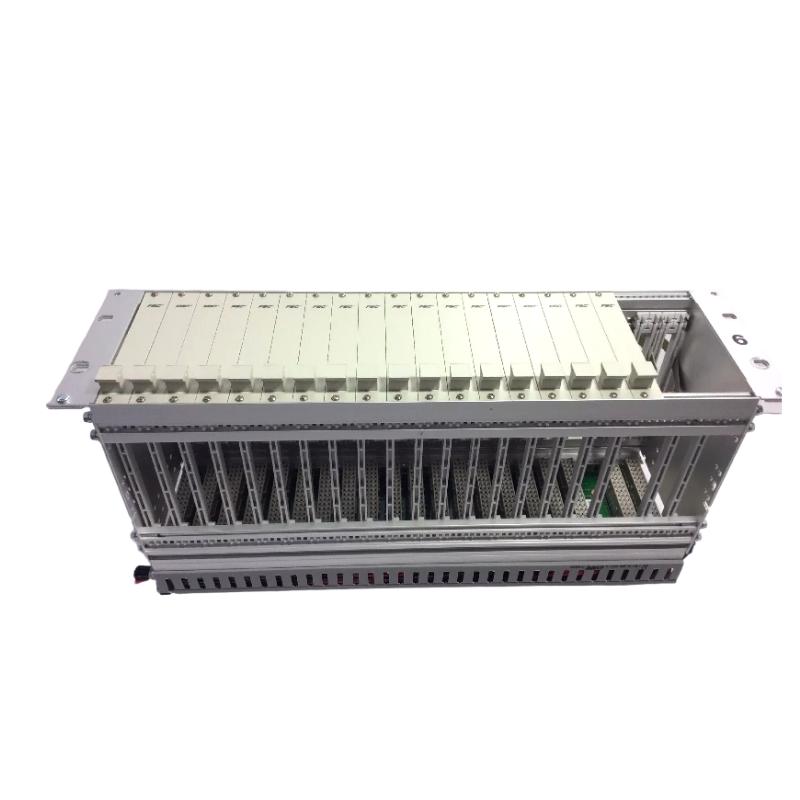
It mounts in standard industrial control racks or chassis designed for modular backplanes.
6. Can it withstand harsh environments?
Yes — it is engineered for continuous use in typical control cabinet temperature and humidity ranges.
7. How does it support fail-safe control?
By ensuring that I/O and communication paths remain active even when a component or bus segment fails.
8. Does it require special configuration tools?
Configuration is typically handled through the system’s engineering environment rather than the backplane itself.
9. How does it interface with controllers?
Controllers and I/O cards connect to the backplane using standard rack edge connectors designed for fail-safe communication.
10. Is the backplane serviceable?
Yes — modules can be replaced or upgraded in maintenance windows with proper procedures.
 A DCS Q Co., Ltd. - PLC and DCS Industrial Control Equipment Wholesale