Introduction
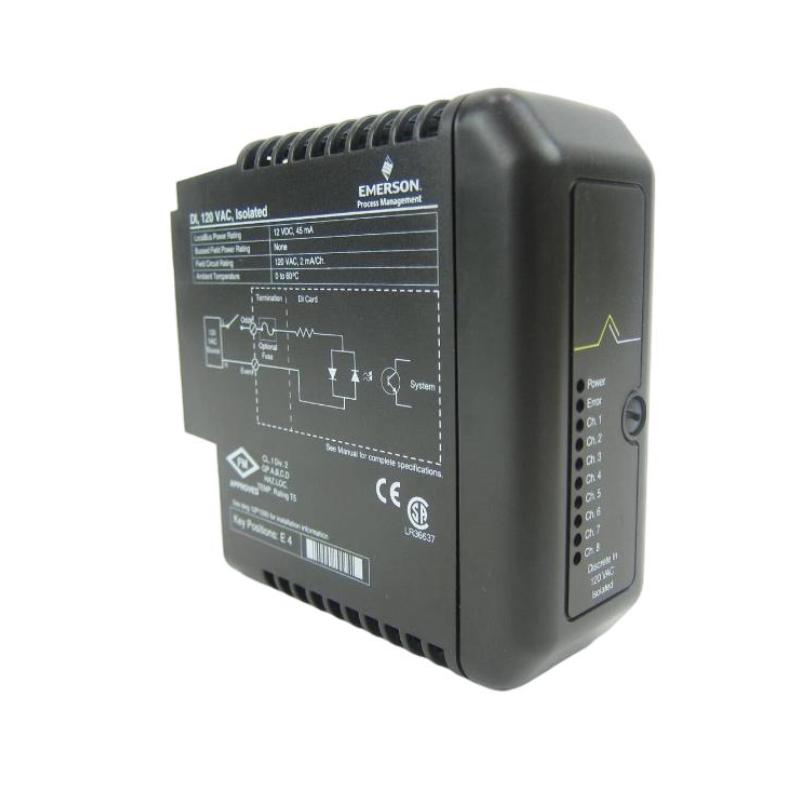
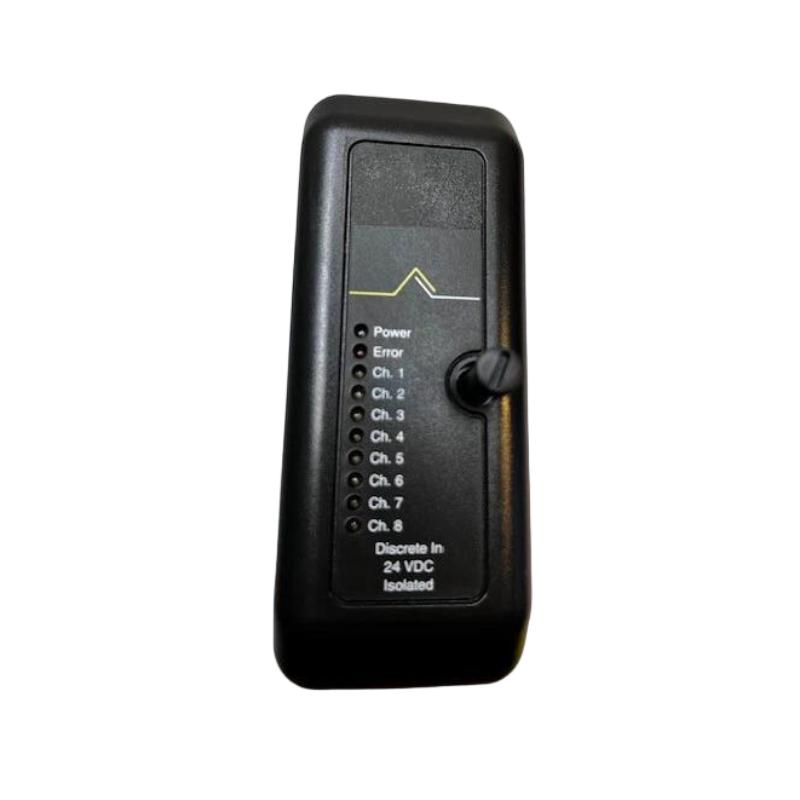
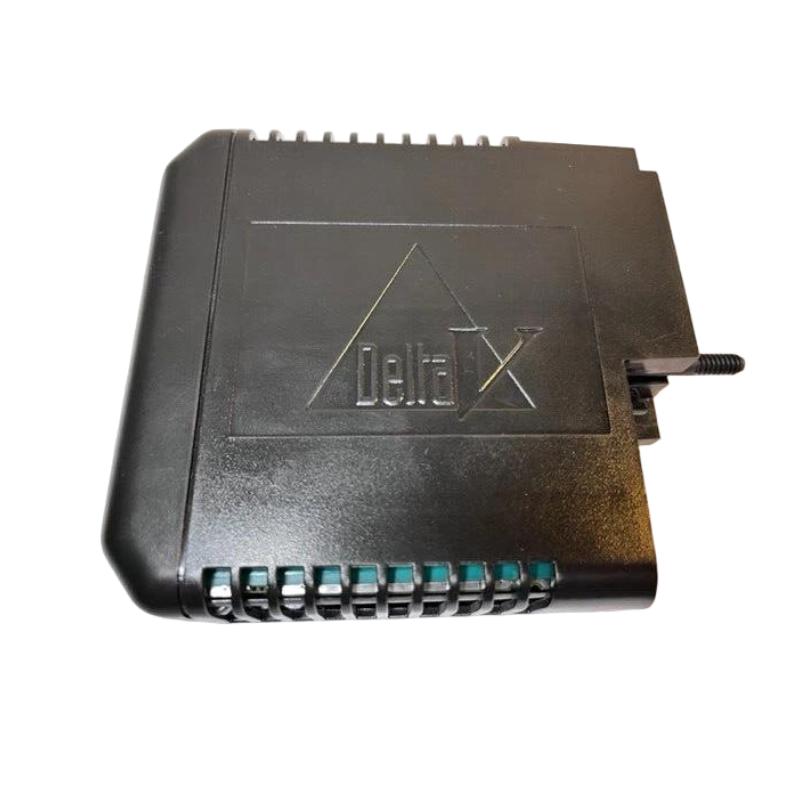
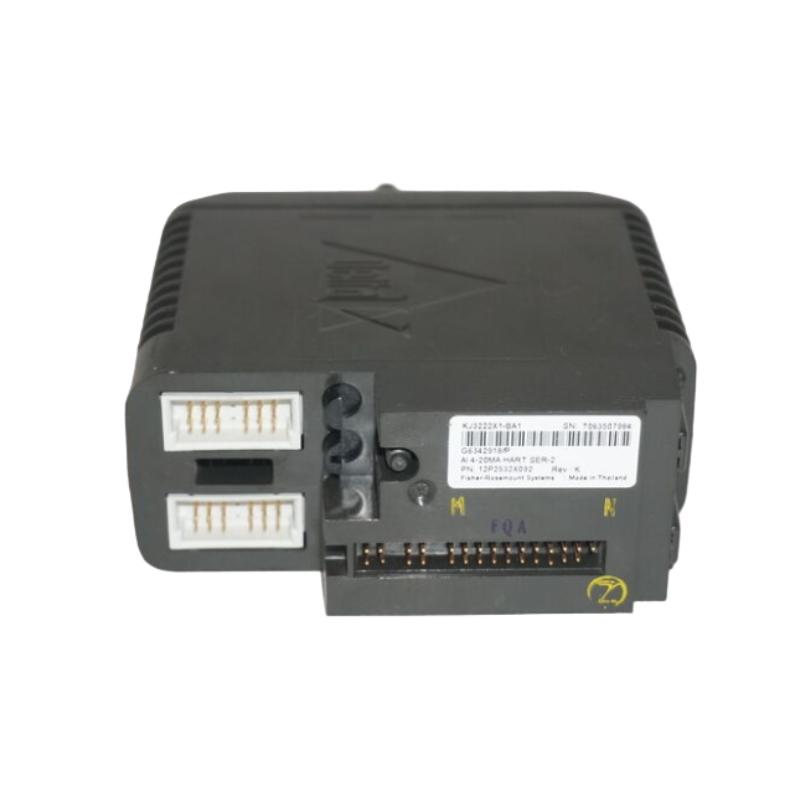
The Emerson VE4003S5B1 Thermocouple Input Module is designed to provide precise and reliable thermocouple signal measurement in industrial automation systems. It interfaces seamlessly with Emerson’s control systems, enabling the accurate conversion of thermocouple signals to digital data for processing by the control system.
This module is crucial in applications requiring temperature measurement and control, such as in process industries, manufacturing, and energy sectors. The VE4003S5B1 offers excellent accuracy and stability, making it an essential component for maintaining optimal system performance in temperature-sensitive environments.
Technical Specifications
| Specification | Details |
|---|
| Model | VE4003S5B1 |
| Order Number | N/A |
| Type | Thermocouple Input Module |
| Dimensions | 107 x 41 x 105 mm |
| Weight | 0.281 kg |
| Input Type | Thermocouple (Type J, K, T, etc.) |
| Input Channels | 8 Channels |
| Operating Voltage | 24 V DC |
| Operating Temperature | -10°C to 60°C |
| Storage Temperature | -20°C to 70°C |
| Compliance | CE, UL |
Applications
The Emerson VE4003S5B1 Thermocouple Input Module is suitable for a wide range of applications where precise temperature measurement and control are critical. Key applications include:
-
Process Automation: Used in industries like chemical processing, pharmaceuticals, and food production, where accurate temperature readings are essential for process control.
-
Manufacturing: Monitors and controls temperature-sensitive processes, such as in the production of semiconductors, automotive components, and other precision manufacturing industries.
-
Energy & Utilities: Ideal for measuring temperature in power plants, substations, and renewable energy facilities to ensure optimal performance and safety.
-
Oil & Gas: Provides real-time temperature measurements in critical systems such as pipelines, compressors, and storage tanks.
-
Water Treatment: Used in water and wastewater treatment plants for monitoring temperature in various processes, ensuring compliance with environmental standards and improving efficiency.
-
HVAC Systems: Helps control heating, ventilation, and air conditioning systems by providing accurate temperature data for system optimization.
 A DCS Q Co., Ltd. - PLC and DCS Industrial Control Equipment Wholesale











