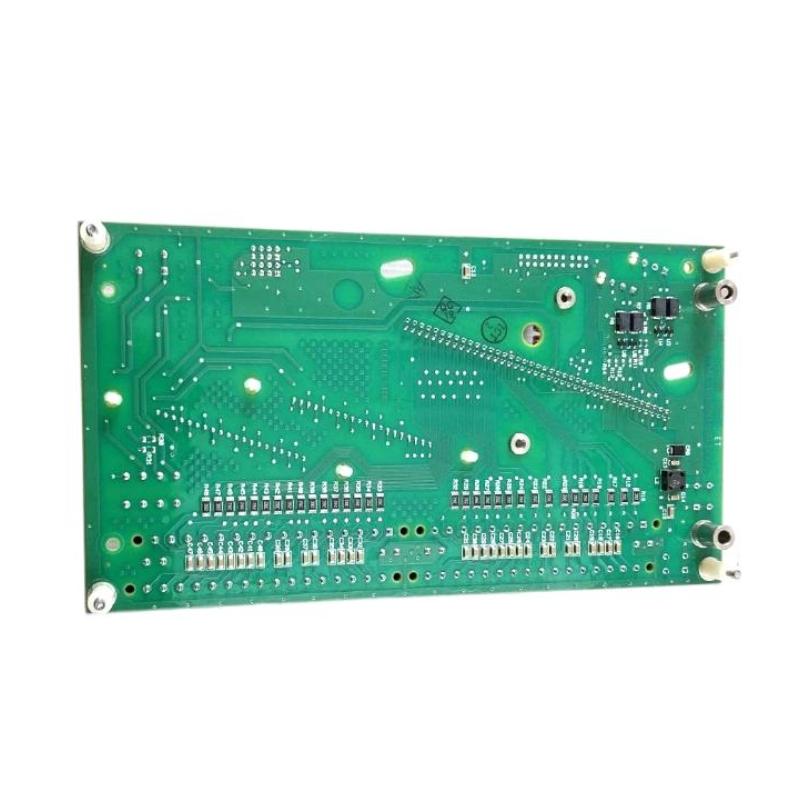
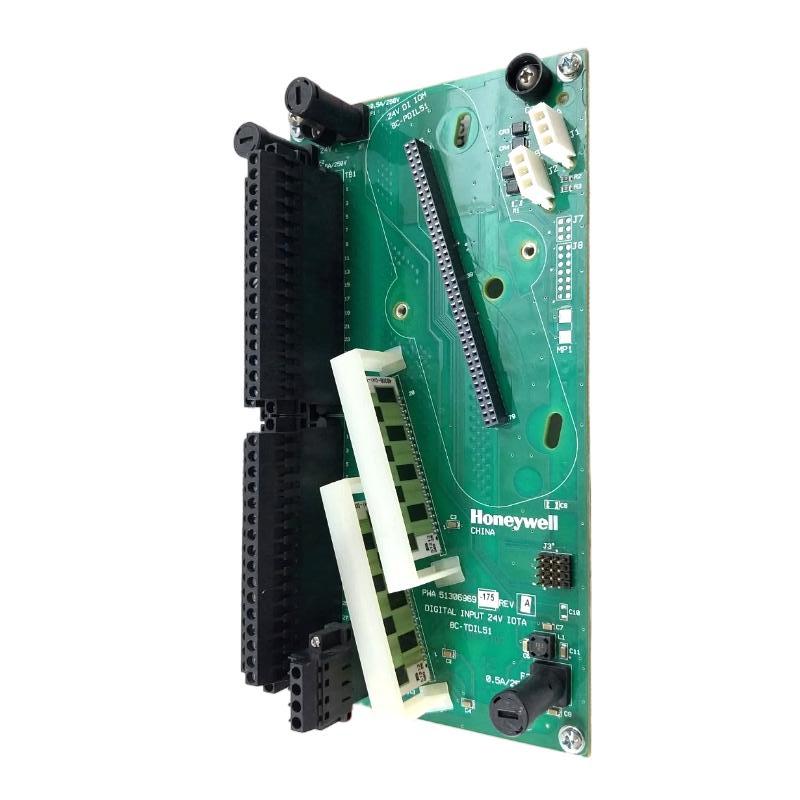
Introduction
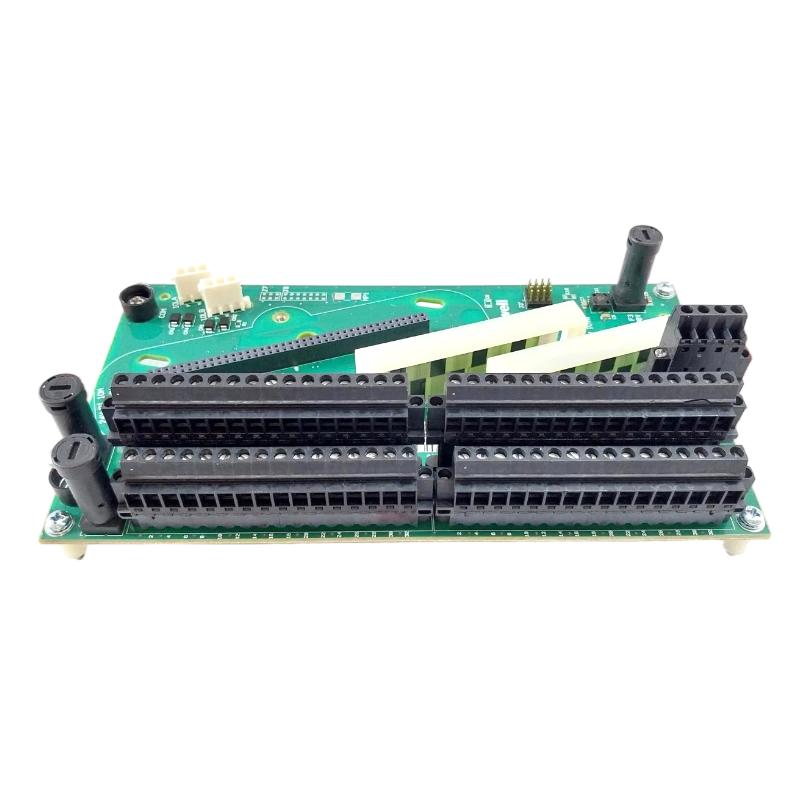
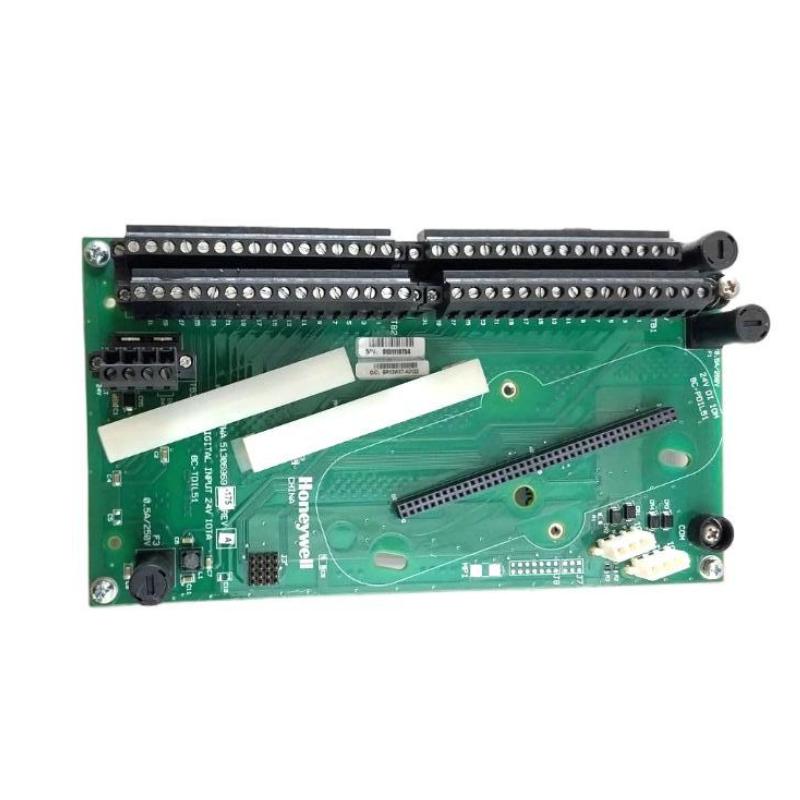
The Honeywell 8C-TDIL61 Digital Input Module is designed to facilitate seamless integration between Honeywell’s control systems and field devices, offering reliable digital input capabilities. This module efficiently processes ON/OFF signals from field devices such as sensors, limit switches, and alarms, ensuring smooth and precise communication between field equipment and the control system.
Built to perform reliably in demanding industrial environments, the 8C-TDIL61 module enhances the control system’s performance by providing accurate and real-time digital input processing. It’s an essential component in various industrial applications, where the reliability of signal transmission is critical for maintaining operational efficiency and safety.
Technical Specifications
| Specification | Details |
|---|
| Model | 8C-TDIL61 |
| Order Number | 51306967-175 |
| Type | Digital Input Module |
| Dimensions | 160 x 40 x 130 mm |
| Weight | 0.5 kg |
| Input Type | Digital (ON/OFF) |
| Input Channels | 16 Channels |
| Operating Voltage | 24 V DC |
| Operating Temperature | -10°C to 60°C |
| Storage Temperature | -20°C to 70°C |
| Compliance | CE, UL |
Applications
The Honeywell 8C-TDIL61 Digital Input Module is used in a wide range of industrial automation applications, providing crucial digital input control. Some of the key applications include:
-
Process Automation: Interfacing with field devices like sensors, switches, and alarms for real-time process control and monitoring.
-
Manufacturing: Used in production lines and assembly systems to monitor and control automated processes, ensuring smooth operation of machinery and equipment.
-
Energy & Utilities: Essential for monitoring power systems and controlling devices like pressure switches and flow meters in energy plants and substations.
-
Oil & Gas: Facilitates communication in complex, safety-critical applications within the oil and gas industry, helping to manage sensors and other field devices.
-
Water Treatment: Used in water treatment plants to monitor and control devices like pumps, valves, and flow meters, improving operational efficiency.
-
Building Automation: Helps integrate security systems, motion detectors, and other monitoring devices into building management systems, optimizing building operations.
 A DCS Q Co., Ltd. - PLC and DCS Industrial Control Equipment Wholesale