Compact Digital Excitation Control for Stable and Efficient Power Generation
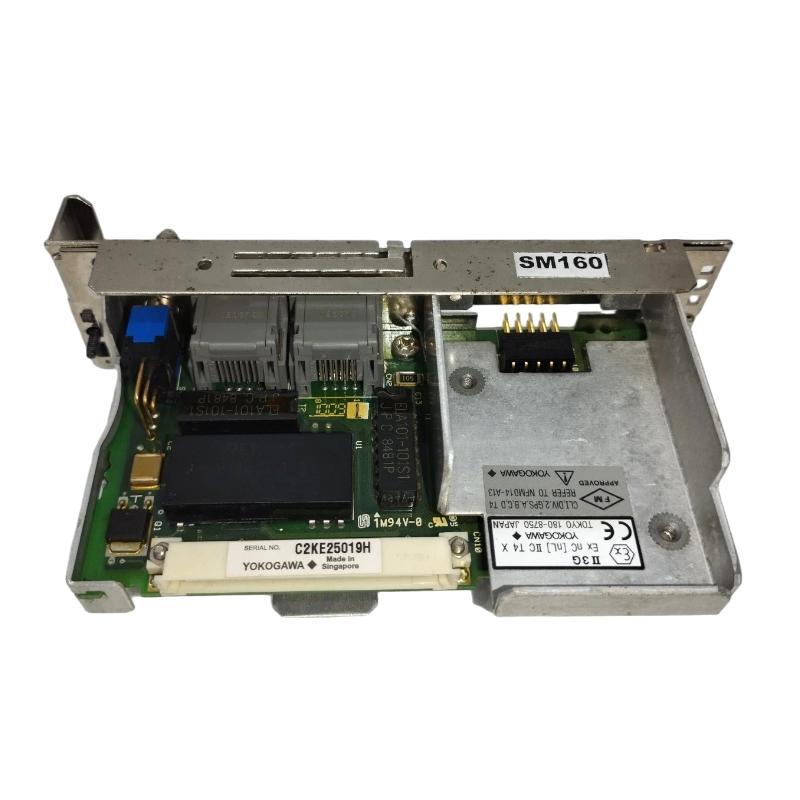
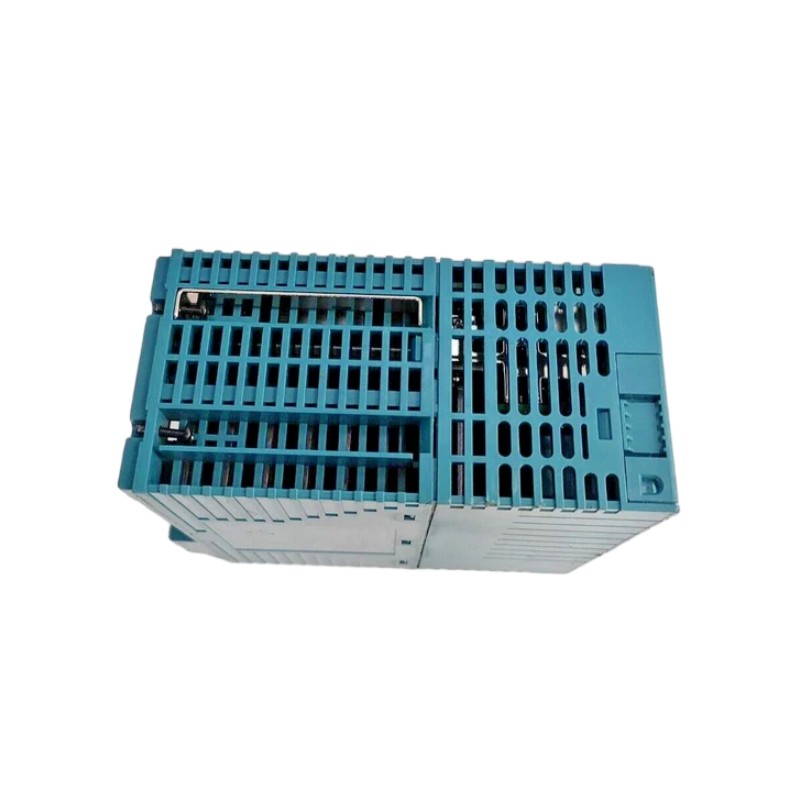
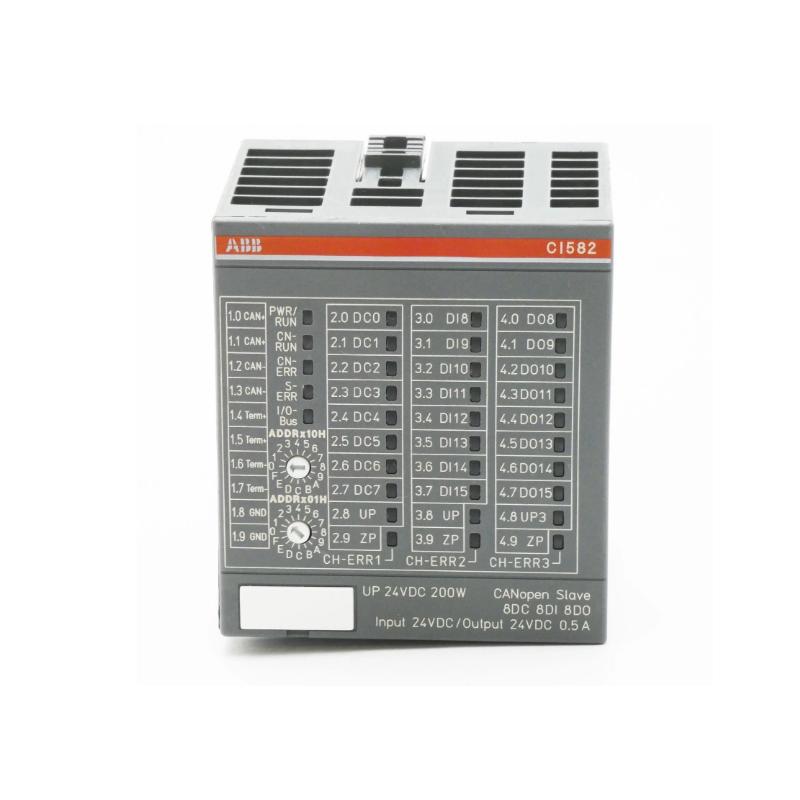
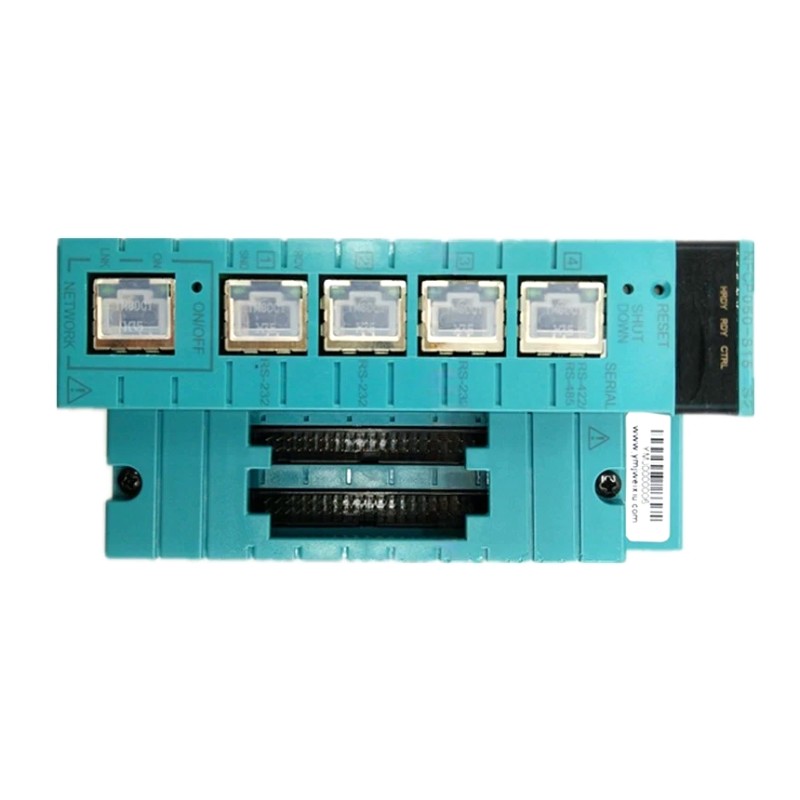
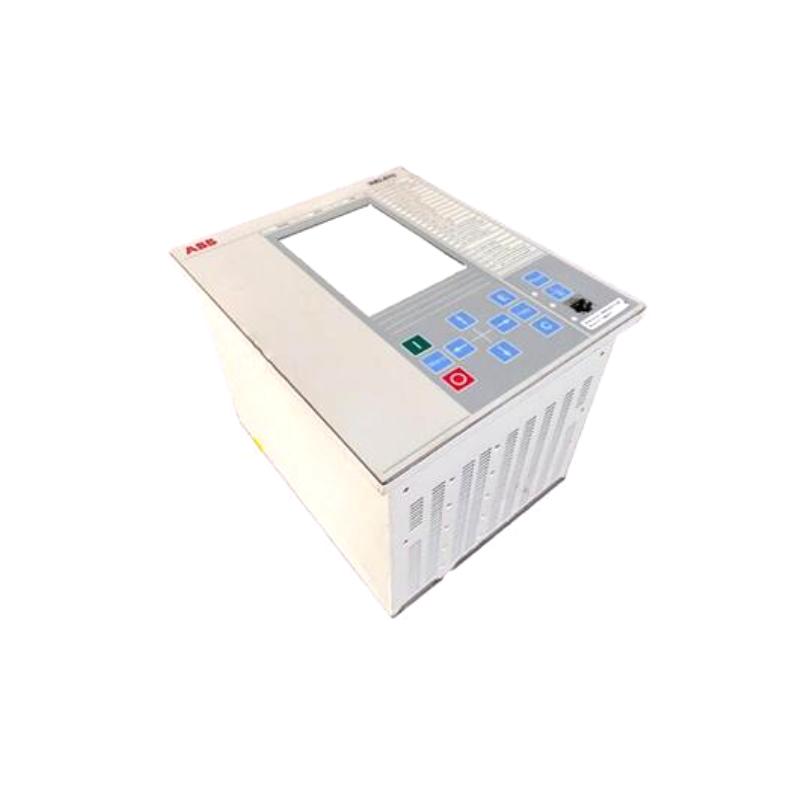
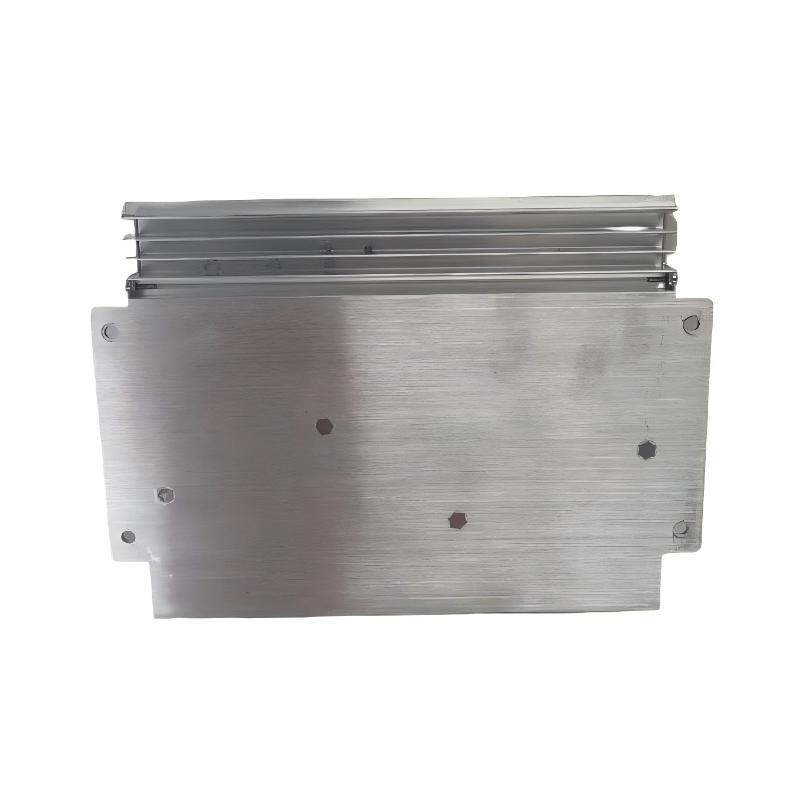
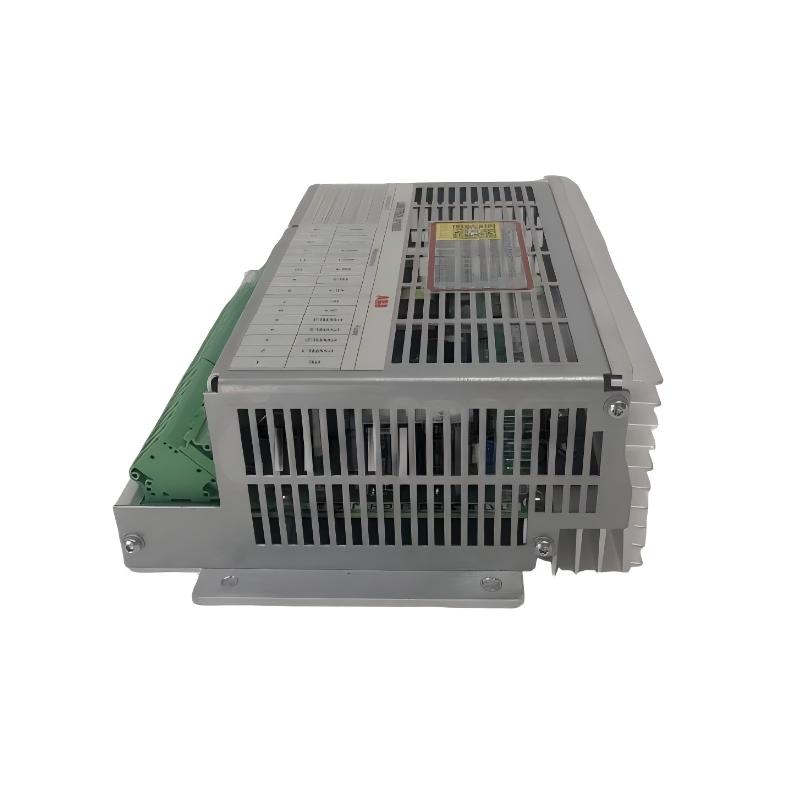
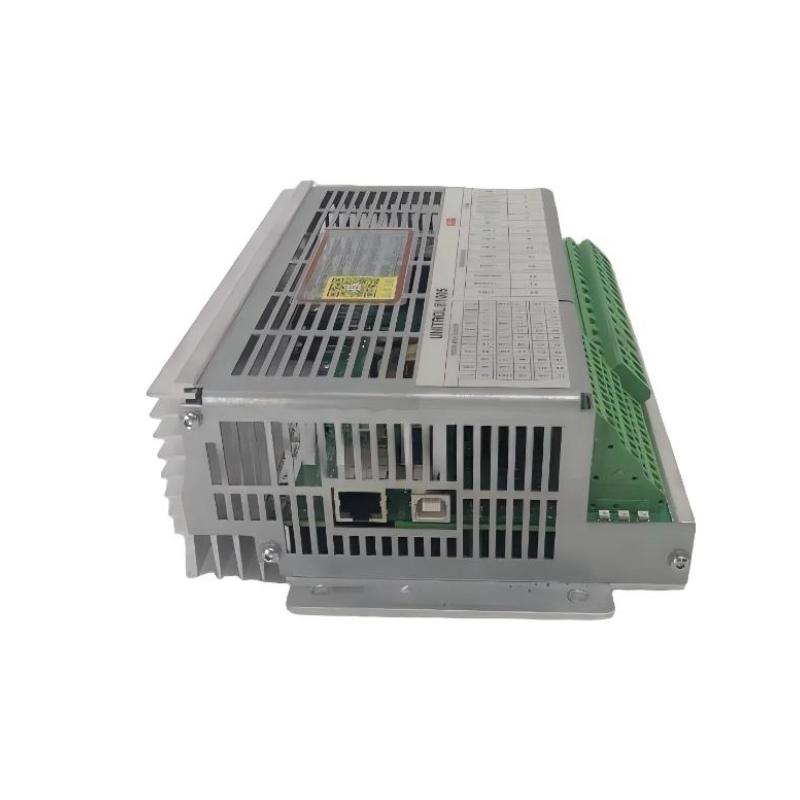
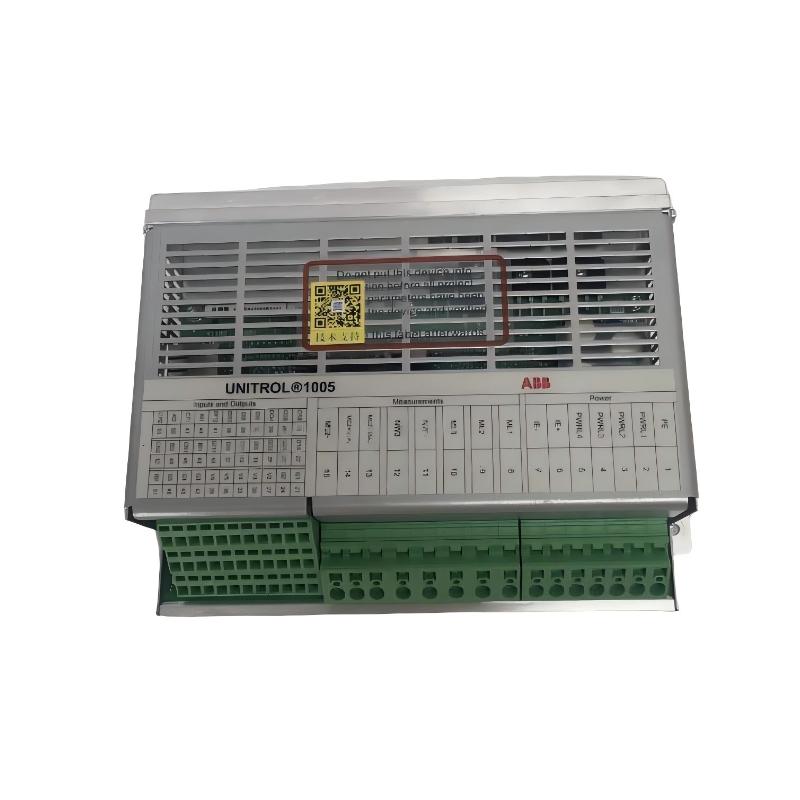
The ABB UNITROL 1005-0012 3BHE043576R0012 Automatic Voltage Regulator (AVR) is a compact, high-performance excitation control unit designed for precise voltage regulation of synchronous machines in industrial and power generation systems. As part of ABB’s UNITROL 1000 series, it delivers fast dynamic response, stable voltage control, and reliable performance under fluctuating load conditions.
This model is optimized for small to medium generator applications, offering a balance of advanced digital control, simplified integration, and strong operational stability. It is widely used in modern decentralized energy systems where efficiency, compact design, and dependable voltage regulation are required.
Technical Specifications
| Parameter | Specification |
|---|
| Manufacturer | ABB |
| Model | UNITROL 1005-0012 |
| Part Number | 3BHE043576R0012 |
| Product Type | Automatic Voltage Regulator (AVR) |
| System Family | UNITROL 1000 Series |
| Control Technology | Digital microprocessor-based excitation control |
| Application | Synchronous generator voltage regulation |
| Operating Temperature | -25°C to +55°C |
| Storage Temperature | -40°C to +85°C |
| Protection Features | Overvoltage, undervoltage, and excitation limiting functions |
| Communication | Industrial Ethernet / Modbus (system dependent) |
| Installation Type | Control cabinet / rack mounted |
| Cooling Method | Passive cooling |
| Design Format | Compact industrial control module |
| Dimensions | Approx. 124 × 126 × 22 mm |
| Weight | Approx. 0.1–0.3 kg |
Industrial Applications
The ABB UNITROL 1005-0012 AVR is widely deployed in compact and medium-scale power systems where stable excitation control is essential:
-
Diesel and gas generator sets
-
Industrial backup power systems
-
Marine auxiliary power units
-
Renewable energy hybrid systems
-
Small hydro and distributed generation plants
-
Industrial automation power supply systems
-
Island-mode microgrid systems
-
Light industrial synchronous machines
Its compact architecture makes it especially suitable for retrofit projects and space-constrained installations.
Key Advantages
Stable and Accurate Voltage Regulation
Ensures consistent generator output voltage with high precision, improving overall electrical stability.
Compact Industrial Design
Space-saving structure allows easy integration into modern control panels and legacy system upgrades.
Fast Excitation Response
Rapid adjustment of excitation current helps maintain stability during sudden load changes.
High Operational Reliability
Designed for continuous industrial duty with strong resistance to temperature and electrical variations.
Seamless UNITROL Integration
Fully compatible with ABB UNITROL 1000 architecture for simplified commissioning and system consistency.
Efficient System Performance
Optimized control logic enhances generator efficiency and reduces voltage fluctuations.
Technical FAQs
1. What is the main function of the ABB UNITROL 1005-0012?
It regulates excitation voltage to maintain stable output from synchronous generators.
2. Which system family does it belong to?
It belongs to the ABB UNITROL 1000 excitation and AVR product family.
3. What types of generators does it support?
It is designed for small to medium synchronous generators.
4. What is its operating temperature range?
It operates between -25°C and +55°C.
5. Is it suitable for continuous industrial operation?
Yes, it is designed for 24/7 operation in industrial environments.
6. Does it support modern communication protocols?
Yes, depending on configuration, it supports Modbus and Ethernet-based communication.
7. What industries commonly use this AVR?
Power generation, marine systems, industrial plants, and distributed energy systems.
8. Does it require active cooling?
No, it uses passive cooling for reliable operation.
9. Is it suitable for retrofit applications?
Yes, its compact design makes it ideal for system upgrades and replacements.
10. Why is voltage regulation important in generators?
It ensures stable power output, protects equipment, and maintains grid reliability.
 A DCS Q Co., Ltd. - PLC and DCS Industrial Control Equipment Wholesale