High-Precision Optical Communication Module for Industrial Control Systems
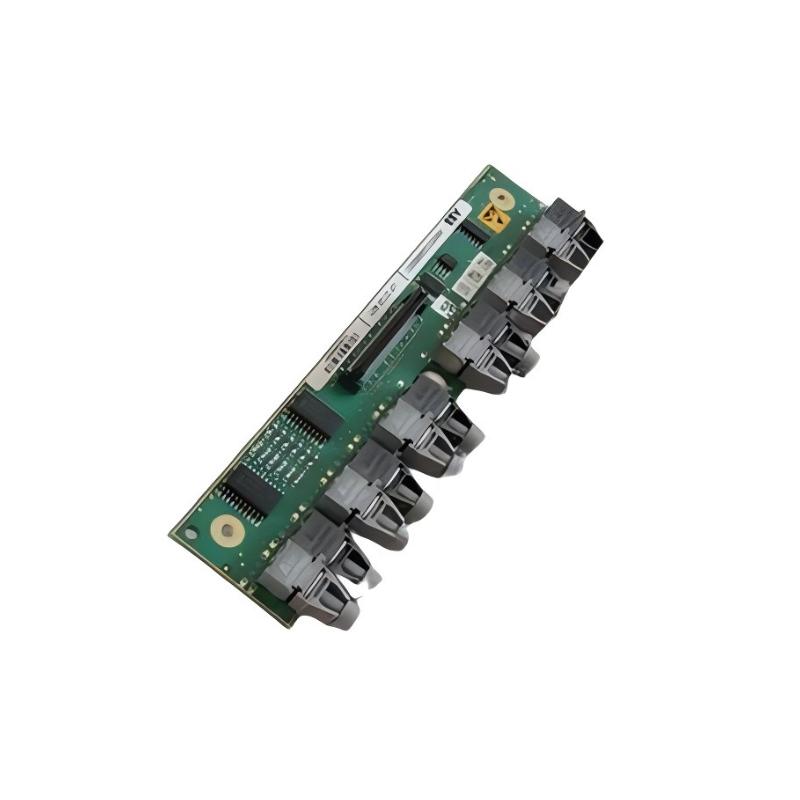
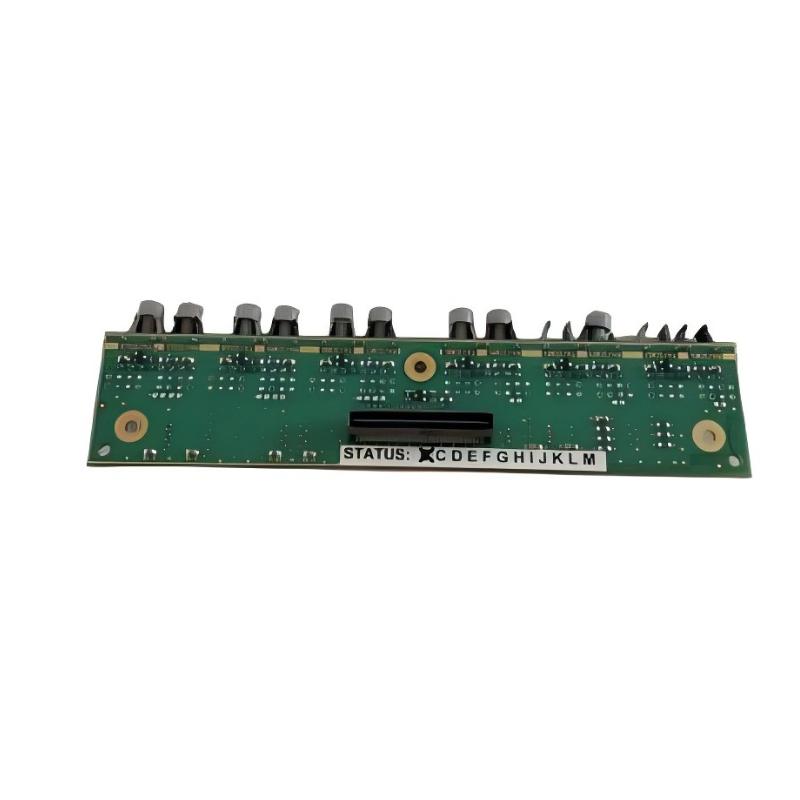
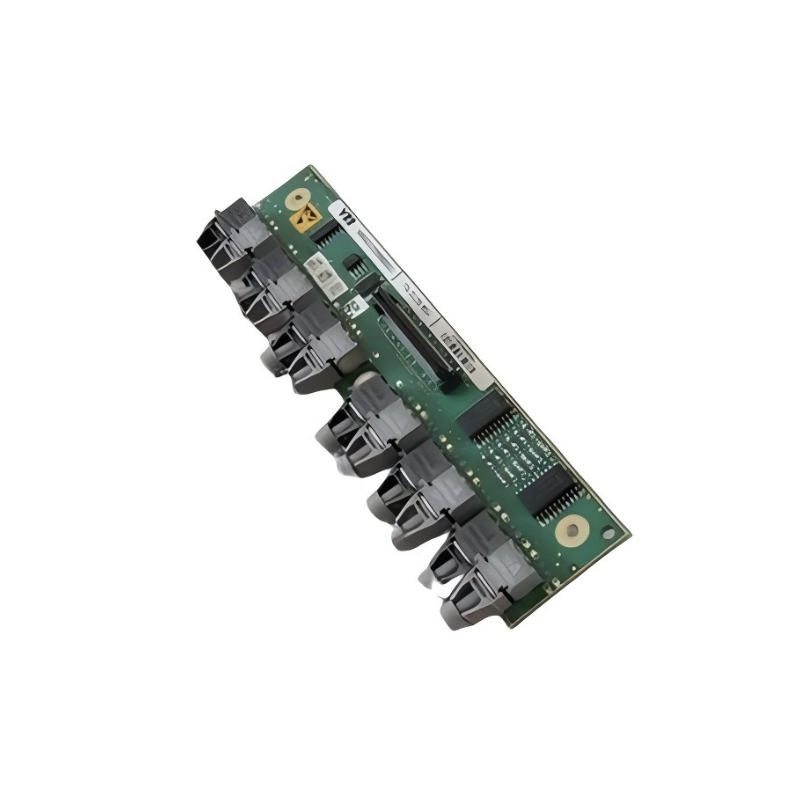
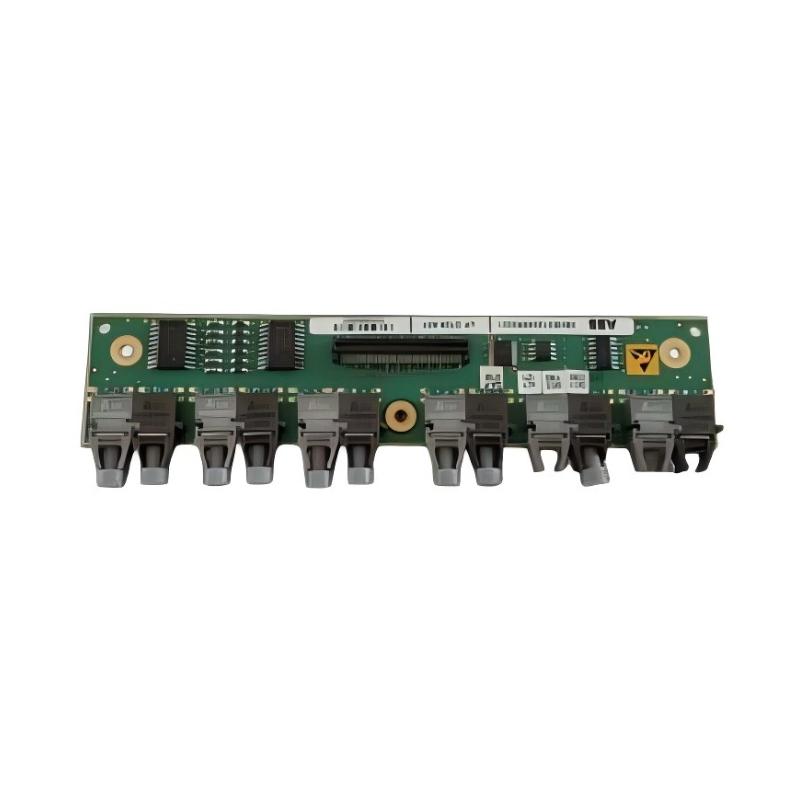
The ABB UF D128 A01 3BHE012049R0001 Fiber Optic Board is an advanced industrial communication module designed to enable high-speed optical signal transmission within ABB automation and control architectures. Built for mission-critical environments, this fiber optic board ensures stable, noise-resistant data transfer between distributed system components, improving overall system synchronization and control reliability.
Engineered with ABB’s robust industrial design standards, the UF D128 A01 supports long-distance optical communication, high signal integrity, and reliable performance in electrically noisy industrial environments. It is widely used in power systems, process automation, and high-performance drive control applications where communication stability is essential.
Technical Specifications
| Parameter | Specification |
|---|
| Manufacturer | ABB |
| Model | UF D128 A01 |
| Part Number | 3BHE012049R0001 |
| Product Type | Fiber Optic Board / Optical Communication Module |
| Function | Optical Signal Transmission Interface |
| System Compatibility | ABB AC 800PEC / Industrial Control Systems |
| Communication Medium | Fiber Optic Cable (POF / HCS supported system-dependent) |
| Data Transmission | High-speed industrial optical signal |
| Installation Type | Internal Control Rack / Module Slot |
| Operating Temperature | -20°C to +70°C |
| Storage Temperature | -40°C to +85°C |
| Insulation Level | Industrial electrical isolation via optical transmission |
| Cooling Method | Passive cooling |
| Construction | Industrial-grade PCB with optical interface components |
| Dimensions | Approx. 124 × 126 × 22 mm |
| Weight | Approx. 0.1 kg – 1.9 kg (variant dependent) |
Industrial Applications
The ABB UF D128 A01 Fiber Optic Board is widely used in industrial environments requiring high-speed and interference-free communication. Typical applications include:
-
Power generation control systems
-
ABB AC 800PEC automation platforms
-
Industrial drive and converter systems
-
Distributed control systems (DCS)
-
Renewable energy power conversion systems
-
Heavy industrial machinery control
-
Process automation networks
-
High-voltage electrical control environments
Its optical transmission capability ensures reliable communication even in high electromagnetic interference (EMI) conditions.
Key Advantages
Noise-Immune Optical Communication
Fiber optic transmission eliminates electrical noise interference, ensuring stable and accurate data exchange in industrial environments.
High-Speed System Synchronization
Supports fast communication between control units, improving real-time system responsiveness.
Robust Industrial Design
Built for long-term operation in harsh environments with vibration, heat variation, and electrical stress resistance.
Enhanced System Stability
Improves overall automation reliability by maintaining consistent communication integrity across modules.
ABB Ecosystem Compatibility
Designed for seamless integration into ABB AC 800PEC and related industrial automation platforms.
Compact and Efficient Architecture
Small-form-factor design enables easy integration into existing control racks and systems.
Technical FAQs
1. What is the main function of the ABB UF D128 A01 board?
It provides optical fiber-based communication for industrial control systems, ensuring high-speed and interference-free data transmission.
2. Where is this module commonly used?
It is commonly used in ABB AC 800PEC systems, power plants, and industrial automation environments.
3. Why use fiber optic communication in industrial systems?
Fiber optics reduce electromagnetic interference and improve long-distance signal stability.
4. Is this board compatible with ABB automation systems?
Yes, it is specifically designed for ABB industrial control architectures.
5. What type of signals does it handle?
It handles high-speed digital optical signals for system communication.
6. Can it operate in harsh environments?
Yes, it is engineered for industrial-grade durability and environmental resistance.
7. What is its operating temperature range?
It operates reliably between -20°C and +70°C.
8. Does it require active cooling?
No, it uses passive cooling through system airflow and design efficiency.
9. What industries use this module most?
It is widely used in energy, manufacturing, heavy industry, and automation sectors.
10. What makes ABB fiber optic boards important?
They ensure stable, fast, and interference-free communication in critical automation systems.
 A DCS Q Co., Ltd. - PLC and DCS Industrial Control Equipment Wholesale