Introduction
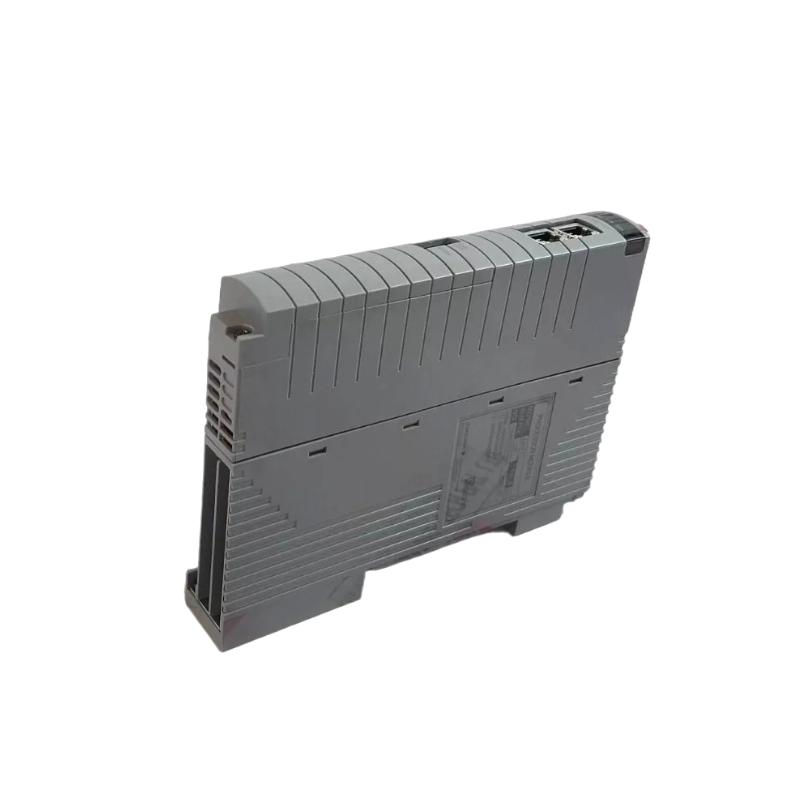
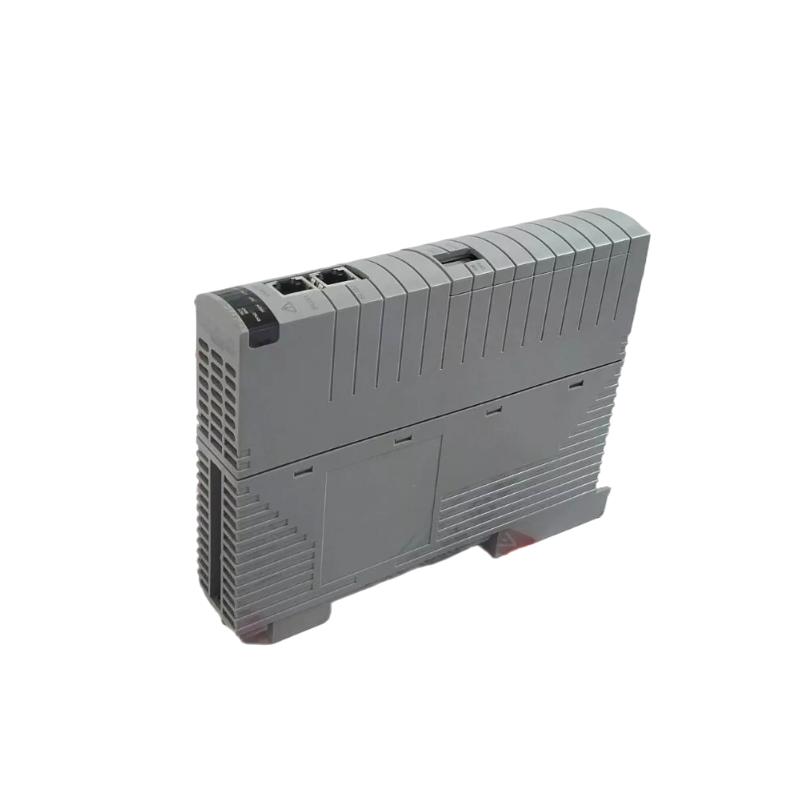
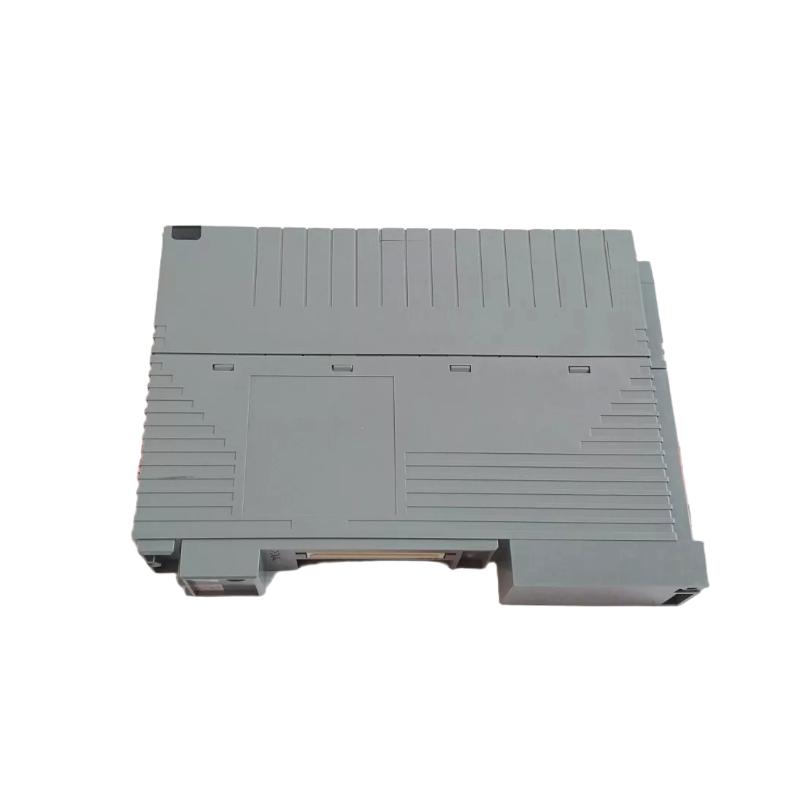
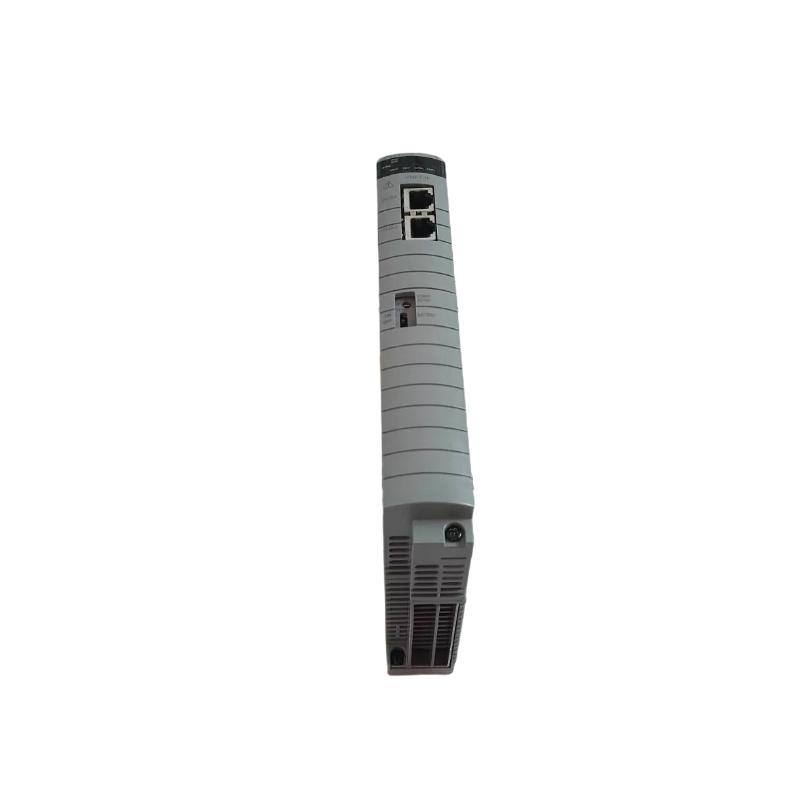
The Yokogawa CP471 Processor Module is a next-generation control processor engineered for high-integrity distributed control systems within the CENTUM VP platform. Designed as a core computing unit for Field Control Units (FCUs), it delivers stable real-time processing, deterministic control execution, and seamless system coordination in mission-critical industrial environments.
Positioned as an upgraded replacement for earlier generation processor modules, the CP471 is built for long lifecycle operation, supporting redundancy architectures and high-availability configurations required in modern process automation plants.
Technical Specifications
| Item | Description |
|---|
| Product Type | Processor Module |
| System Platform | CENTUM VP Distributed Control System |
| Function | Real-time control logic execution & system coordination |
| Installation | Field Control Unit (FCU) rack-mounted |
| Redundancy | Dual-redundant configuration supported |
| Communication | ESB bus / system backplane integration |
| Operating Software | CENTUM VP R5.01 and later (R6.x supported) |
| Compatibility | AFV30 / AFV40 / A2FV series FCUs |
Applications
The CP471 module is widely deployed in industries where continuous, fail-safe automation is essential:
-
Oil & gas production and refining facilities
-
Petrochemical and chemical processing plants
-
Power generation and energy distribution systems
-
Large-scale manufacturing automation lines
-
Water treatment and environmental processing systems
-
Safety-critical process control environments
Its architecture is particularly suited for plants requiring continuous uptime, synchronized control loops, and redundant system design.
Technical FAQs
1. What is the main role of the CP471 module?
It executes control logic and coordinates real-time operations in CENTUM VP systems.
2. Can CP471 operate in redundant mode?
Yes, it supports dual-redundant configurations for high availability.
3. Which systems is it compatible with?
It is compatible with CENTUM VP field control units such as AFV30 and AFV40 series.
4. Is CP471 a direct replacement for older modules?
Yes, it is commonly used as an upgrade path from earlier processor modules.
5. What communication system does it use?
It integrates via ESB bus and system backplane architecture.
6. What industries use CP471 most?
Oil & gas, chemical processing, power generation, and heavy manufacturing.
7. Does it require special cooling?
No active cooling; it operates within standard control cabinet airflow.
8. Can it support 24/7 operation?
Yes, it is designed for continuous industrial duty cycles.
9. Is software configuration required?
Yes, it must be configured within CENTUM VP engineering tools.
10. What makes CP471 different from older CPUs?
Improved processing stability, better system integration, and enhanced redundancy support.
 A DCS Q Co., Ltd. - PLC and DCS Industrial Control Equipment Wholesale