Product Introduction
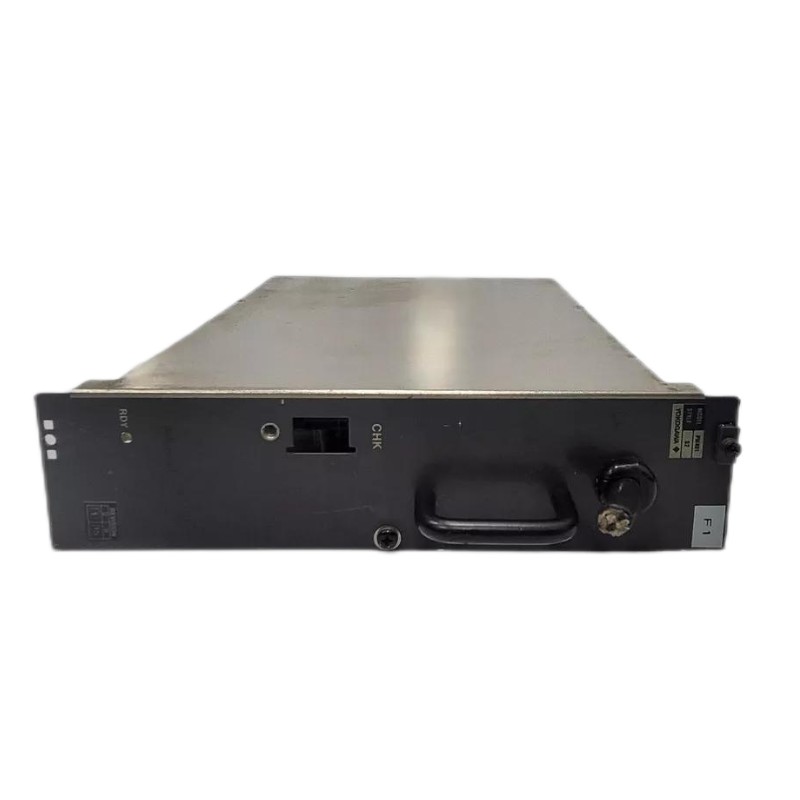
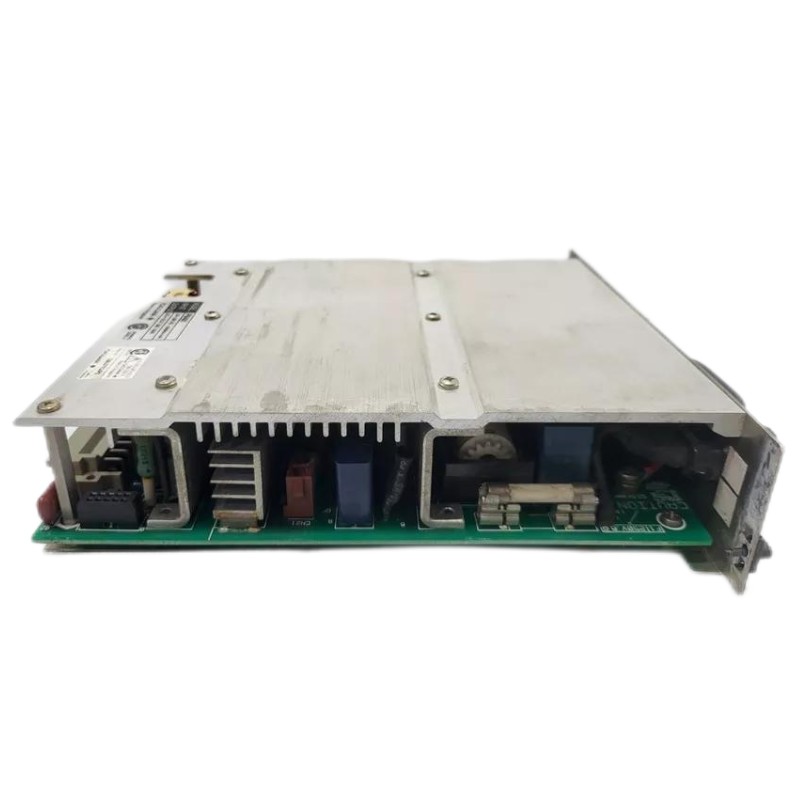
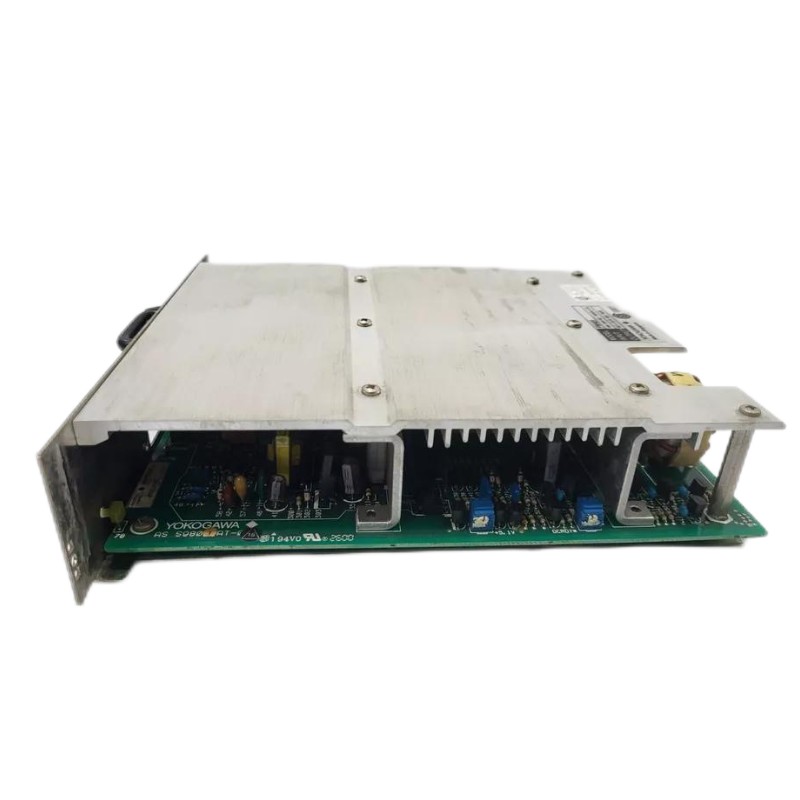
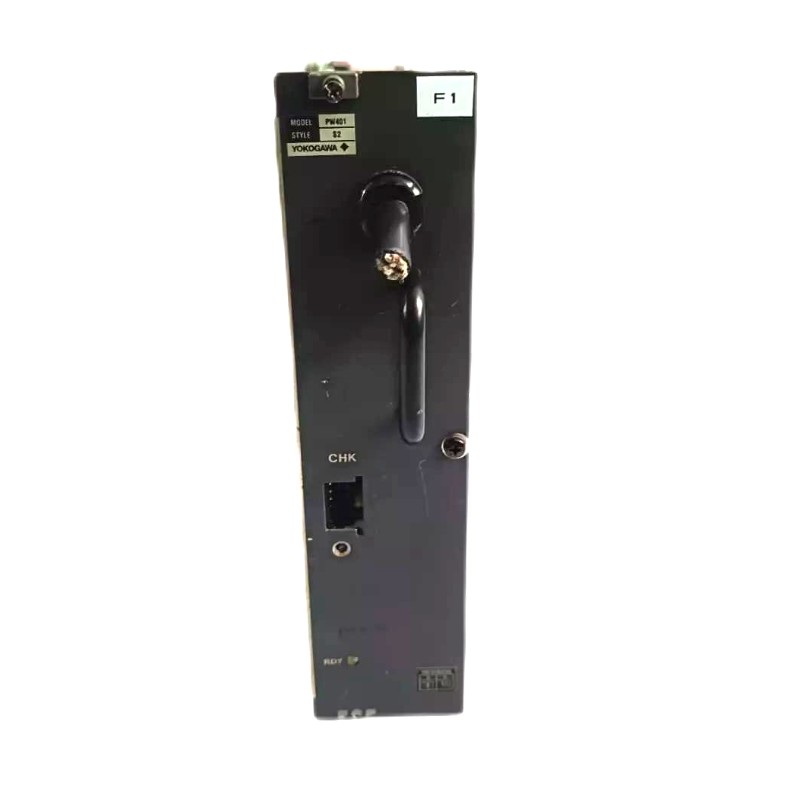
The Yokogawa PW401 Power Supply Module is a reliable industrial power unit engineered for Yokogawa CENTUM distributed control systems. Designed to provide stable and regulated DC power, it supports critical system components such as processors, I/O modules, and communication interfaces.
As part of Yokogawa’s legacy yet highly trusted power module lineup, the PW401 is known for its durability, consistent output performance, and seamless integration into long-running automation systems. It is particularly valued in facilities that prioritize system stability and lifecycle continuity.
Technical Specifications
| Parameter | Specification |
|---|
| Model | PW401 |
| Module Type | Power Supply Module |
| Input Voltage | 100–120 V AC |
| Input Frequency | 50/60 Hz |
| Input Current | Approx. 5–7 A |
| Output Voltage | +5 V DC / +24 V DC (system dependent) |
| Output Current | Up to 18 A (5 V rail), 3–5 A (24 V rail) |
| Output Power | Approx. 180–220 W |
| Efficiency | Industrial switching design |
| Protection Features | Overvoltage, overcurrent, short circuit protection |
| Redundancy Support | Supported (dual configuration) |
| Operating Temperature | 0°C to +55°C |
| Storage Temperature | -20°C to +70°C |
| Dimensions (H×W×D) | 279 × 102 × 254 mm |
| Weight | Approx. 3.2–3.5 kg |
| Mounting Type | Rack-mounted DCS module |
Industrial Applications
The PW401 is widely implemented in industries where reliable and uninterrupted power is essential for automation systems:
-
Oil & gas exploration and refining
-
Petrochemical processing facilities
-
Power generation and distribution systems
-
Water treatment and infrastructure automation
-
Legacy CENTUM DCS installations
Its stable performance makes it a dependable choice for systems that require long-term operational continuity.
Technical FAQs
1. What is the main function of the PW401?
It supplies regulated DC power to Yokogawa DCS modules and control systems.
2. What systems is it compatible with?
It is primarily used in Yokogawa CENTUM series systems.
3. What output voltages does it provide?
Typically +5 V DC and +24 V DC depending on system configuration.
4. Does it support redundancy?
Yes, it can be configured in dual redundant setups.
5. What is its output capacity?
Approximately 180–220 W depending on load.
6. Is it suitable for modern systems?
It is mainly used in legacy systems and maintenance projects.
7. What is the operating temperature range?
0°C to +55°C.
8. How is it installed?
It is mounted in rack-based control cabinets.
9. What protection features are included?
Overvoltage, overcurrent, and short-circuit protection.
10. Why is it still in use?
Because many industrial plants continue operating long-life Yokogawa DCS systems requiring compatible modules.
 A DCS Q Co., Ltd. - PLC and DCS Industrial Control Equipment Wholesale