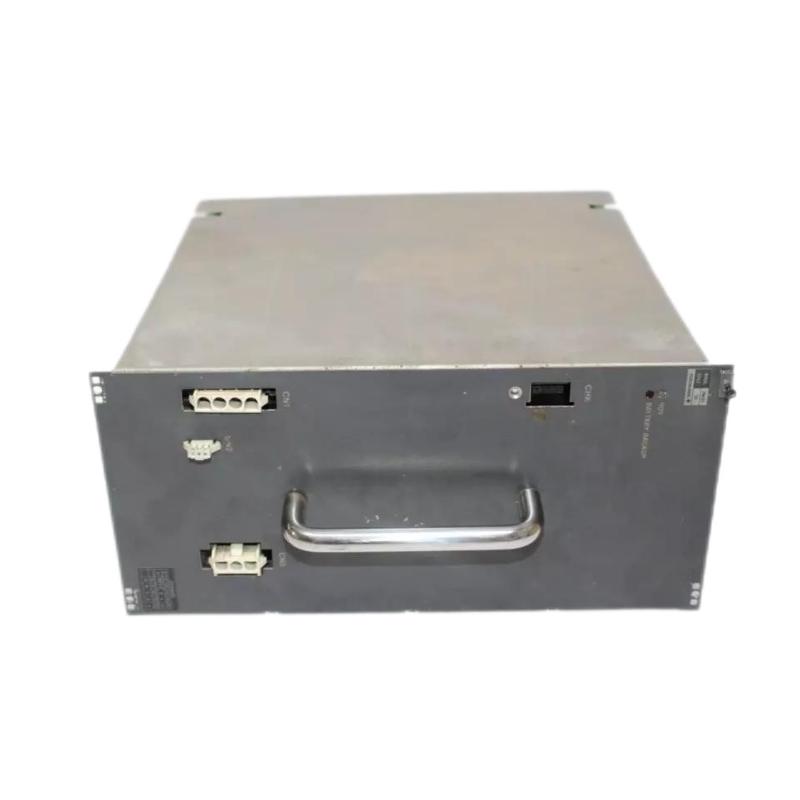
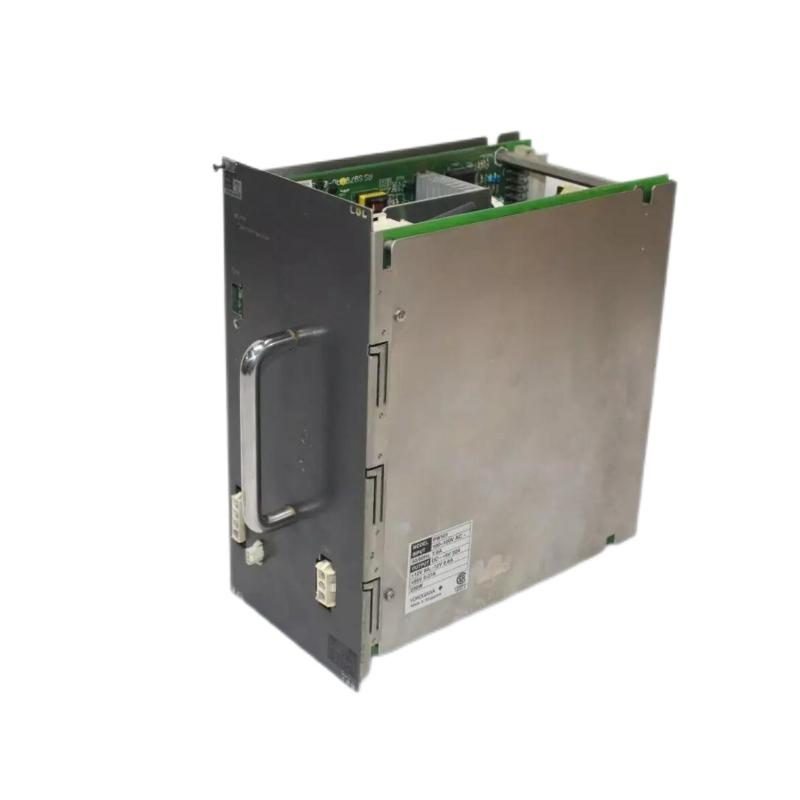
Product Introduction
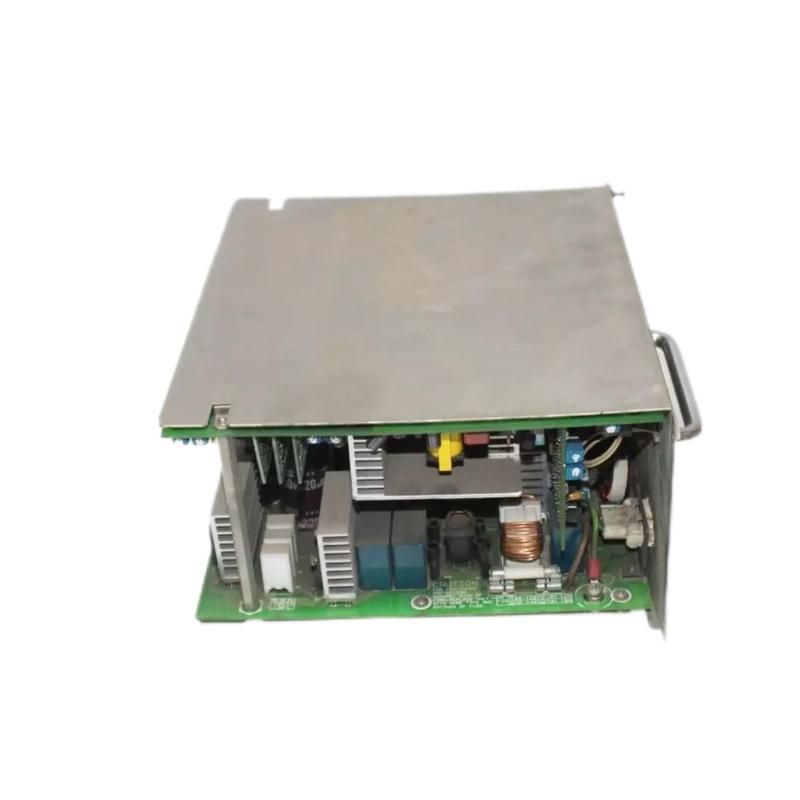
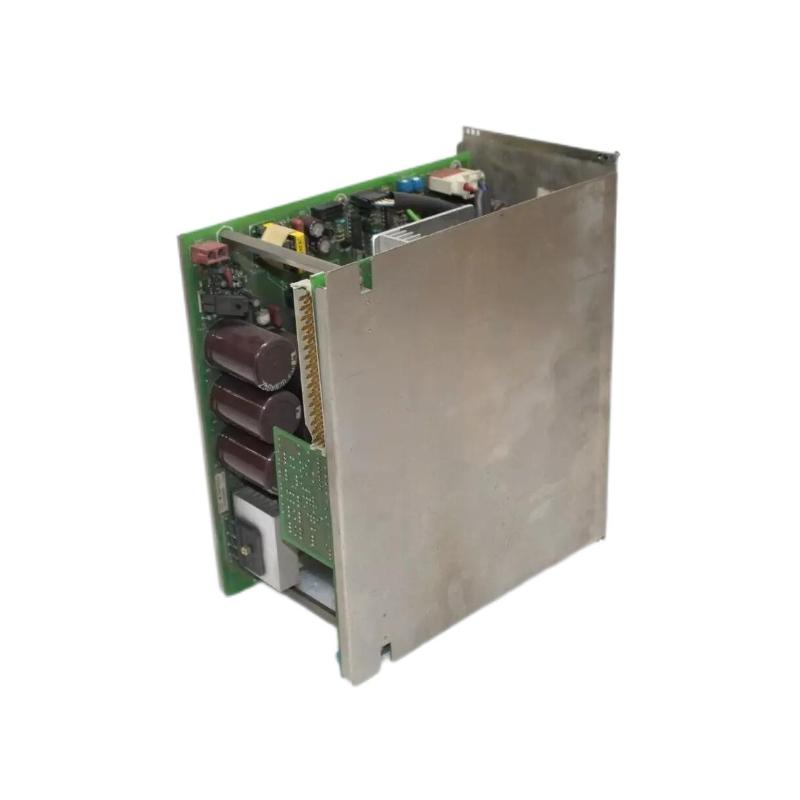
The Yokogawa PW101 Power Supply Module is a legacy-grade industrial power unit designed to provide stable electrical power for Yokogawa Distributed Control Systems (DCS) and related automation hardware. It is commonly used in older CENTUM and process control architectures where reliable DC power distribution is required for CPUs, I/O modules, and communication components.
Although considered an earlier-generation design, the PW101 is still valued in maintenance and retrofit projects due to its robust construction, stable output performance, and compatibility with established Yokogawa systems.
Technical Specifications
| Parameter | Specification |
|---|
| Model | PW101 |
| Module Type | Power Supply Module |
| Input Voltage | 100–120 V AC |
| Input Frequency | 50/60 Hz |
| Input Current | ~7.0 A |
| Output Voltage | 5–12 V DC (system dependent) |
| Output Current | Up to ~22 A |
| Output Power | ~230 W |
| Efficiency | Industrial legacy design |
| Protection Features | Overvoltage, overcurrent, short-circuit protection |
| Operating Temperature | -10°C to +70°C |
| Storage Temperature | -20°C to +85°C |
| Dimensions (H×W×D) | 127 × 254 × 279 mm |
| Weight | Approx. 3.6 kg |
| Mounting Type | Rack-mounted DCS system module |
Industrial Applications
The PW101 is typically used in older or maintained industrial control systems where system continuity is required:
-
Legacy oil & gas control systems
-
Petrochemical plant automation (older DCS installations)
-
Manufacturing process control systems
-
Power plant auxiliary control cabinets
-
Retrofit and spare-part replacement applications
Its main value today lies in supporting long-life industrial systems that continue to operate beyond original equipment lifecycles.
Technical FAQs
1. What is the main function of the PW101?
It supplies regulated DC power to Yokogawa DCS control system modules.
2. Is the PW101 still actively used in new systems?
No, it is mainly used in legacy systems and maintenance environments.
3. What is the output voltage range?
Typically 5–12 V DC depending on system configuration.
4. What is the input power requirement?
100–120 V AC at 50/60 Hz.
5. What is its power output capacity?
Approximately 230 W depending on load conditions.
6. Is it suitable for modern DCS systems?
It is primarily intended for older system architectures.
7. What is its typical weight?
Around 3.6 kg.
8. How is it installed?
It is mounted in rack-based control cabinets within DCS systems.
9. Does it include protection features?
Yes, including overvoltage, overcurrent, and short-circuit protection.
10. Why is it still in demand?
Because many industrial plants still operate legacy Yokogawa systems requiring compatible spare parts.
 A DCS Q Co., Ltd. - PLC and DCS Industrial Control Equipment Wholesale