Product Introduction
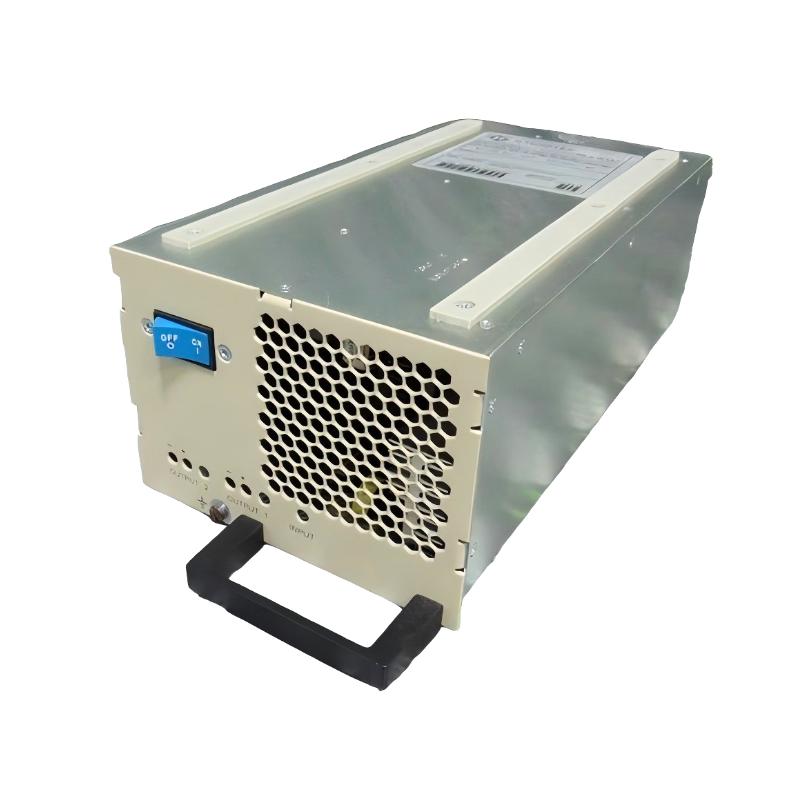
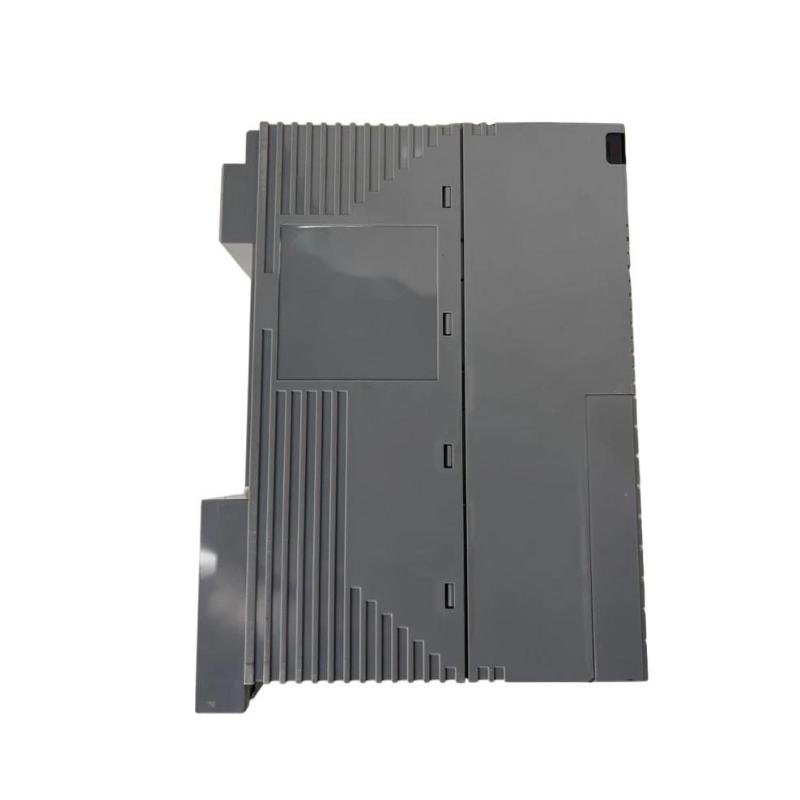
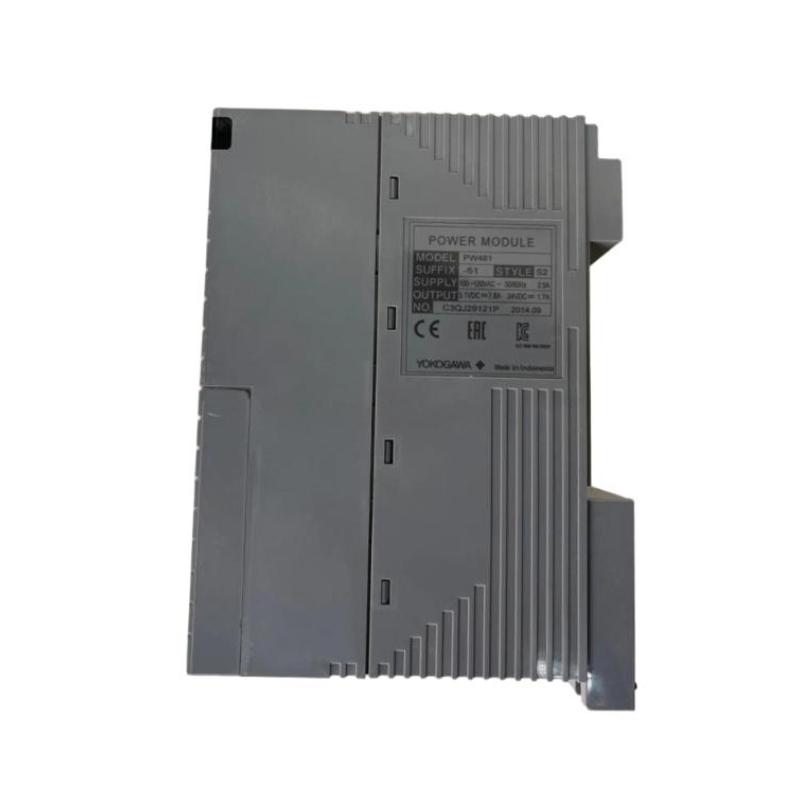
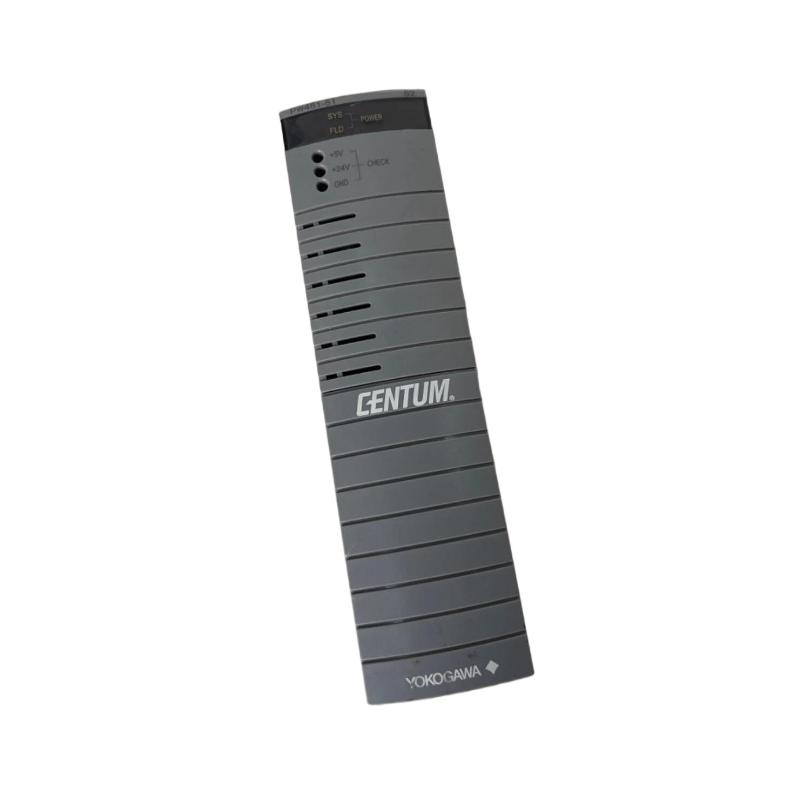
The Yokogawa PW481-51 Power Module is a high-reliability industrial power supply unit designed specifically for Yokogawa Distributed Control Systems (DCS), including Field Control Units (FCU), FIO Node Units, and Optical ESB Bus Repeater Units.
Rather than being a general-purpose power supply, it is an architecture-specific module that ensures stable internal DC power distribution for CPUs, I/O modules, and communication components. This makes it a critical foundation for maintaining continuous, safe, and synchronized operation in large-scale automation systems.
Technical Specifications
| Parameter | Specification |
|---|
| Model | PW481-51 |
| Module Type | Power Supply Module |
| Input Voltage | 100–120 V AC ±10% |
| Input Frequency | 50/60 Hz ±3 Hz |
| Maximum Power Consumption | ~200 VA |
| Output Type | Internal regulated DC bus (system-exclusive) |
| Redundancy Support | 1+1 dual redundant configuration |
| Compatible Systems | FCU, FIO Node Unit, Optical ESB Bus Repeater |
| Installation | Rack-mounted system module |
| Operating Temperature | Typically 0°C to +55°C |
| Storage Temperature | -20°C to +70°C |
| Cooling Method | Natural convection |
| Dimensions (H×W×D) | 190 × 146.5 × 49.7 mm |
| Weight | Approx. 1 kg |
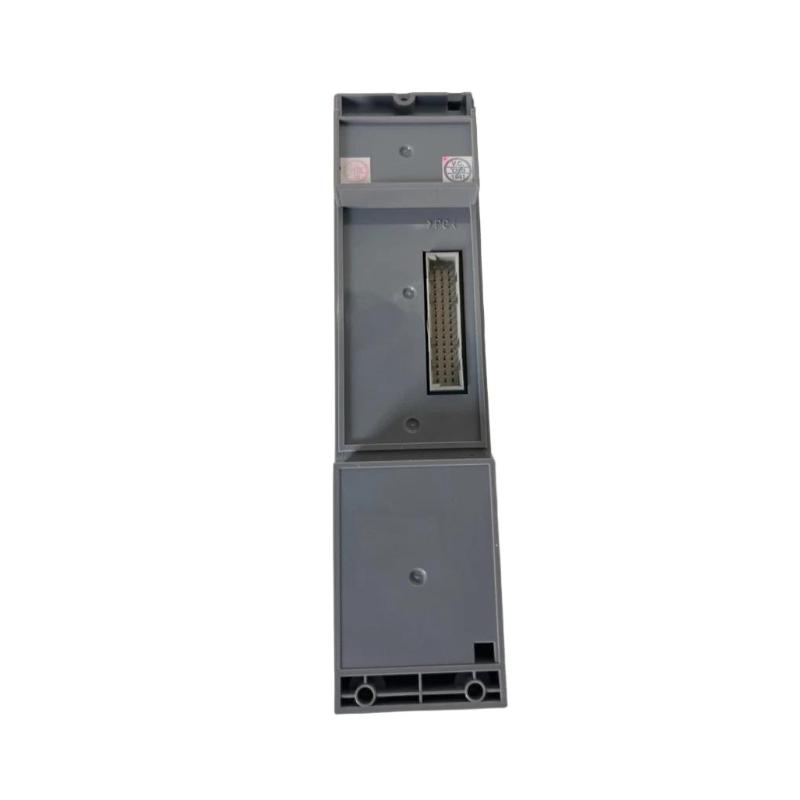
| Interface | Exclusive system connector |
System Applications
The PW481-51 is widely used in mission-critical industrial automation environments where uninterrupted system power is essential:
-
Oil & gas upstream and downstream facilities
-
Petrochemical and refining plants
-
Thermal and nuclear power generation systems
-
Large-scale process manufacturing systems
-
Distributed control system (DCS) cabinets
It plays a central role in ensuring that control modules remain continuously powered and synchronized across the automation network.
Technical FAQs
1. What is the main function of the PW481-51?
It supplies regulated internal DC power to Yokogawa control system modules.
2. Can it be used as a general-purpose power supply?
No, it is designed exclusively for Yokogawa system integration.
3. What input voltage does it require?
It operates on 100–120 V AC power.
4. Does it support redundancy?
Yes, it supports 1+1 redundant configuration for high availability systems.
5. What systems is it compatible with?
It is used in FCU, FIO Node Units, and Optical ESB Bus Repeater Units.
6. What is the typical power consumption?
Approximately 200 VA maximum.
7. How is it installed?
It is mounted in system racks or control cabinets as part of the DCS architecture.
8. What cooling method does it use?
Natural convection cooling with no active fan required.
9. What is its approximate weight?
Around 1 kg depending on configuration.
10. Why is it important in a control system?
Because it ensures stable and continuous power delivery to all critical automation modules, maintaining system integrity and uptime.
 A DCS Q Co., Ltd. - PLC and DCS Industrial Control Equipment Wholesale