Introduction
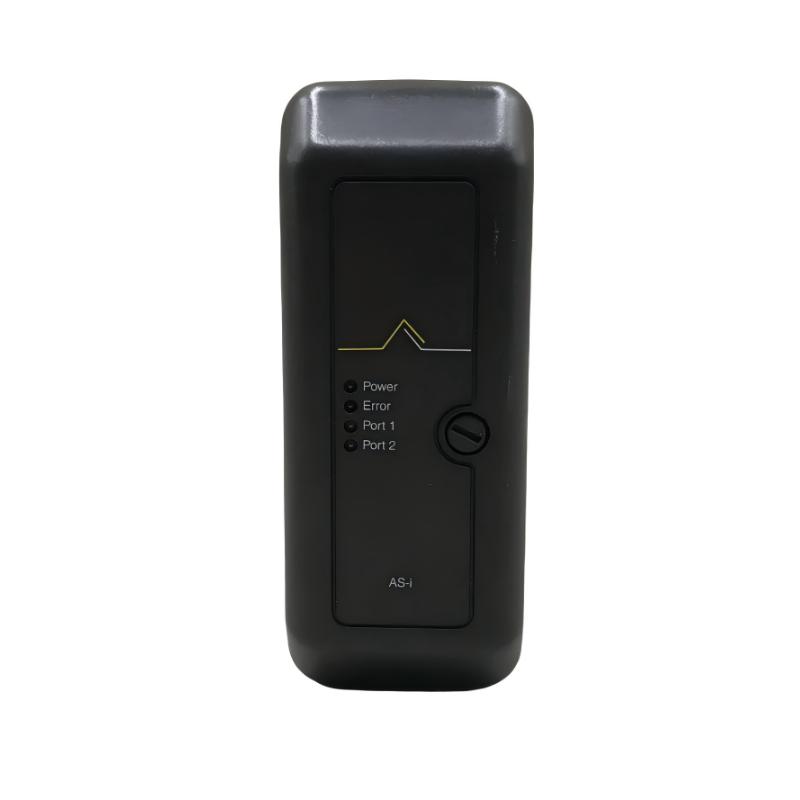
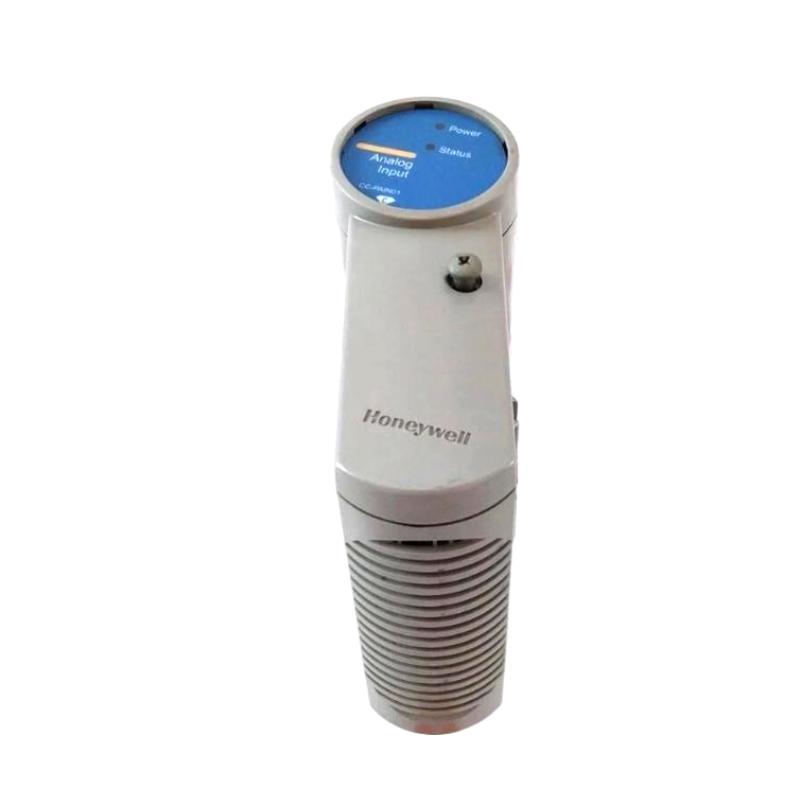
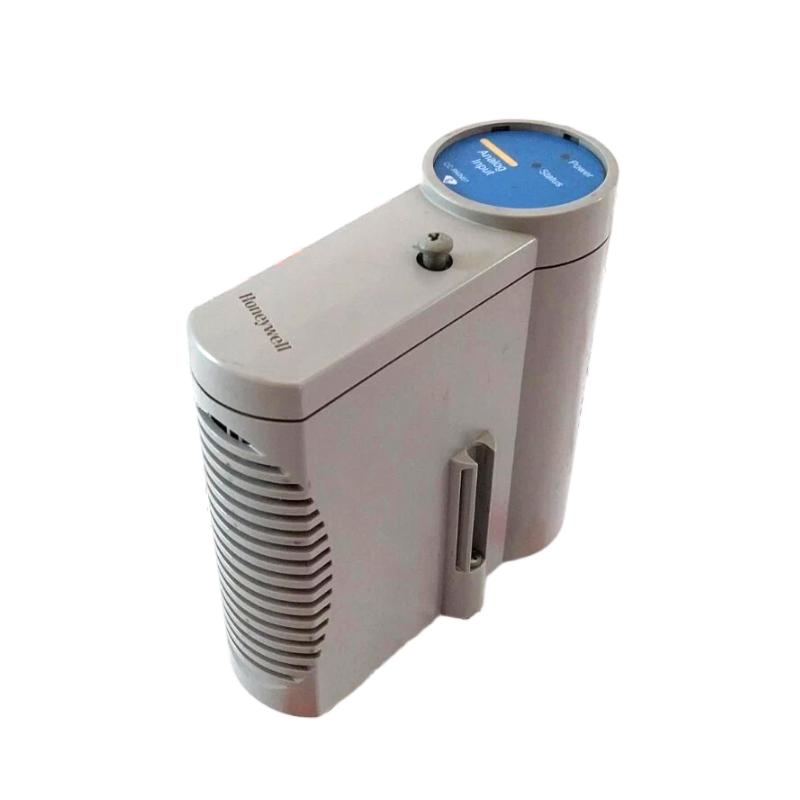
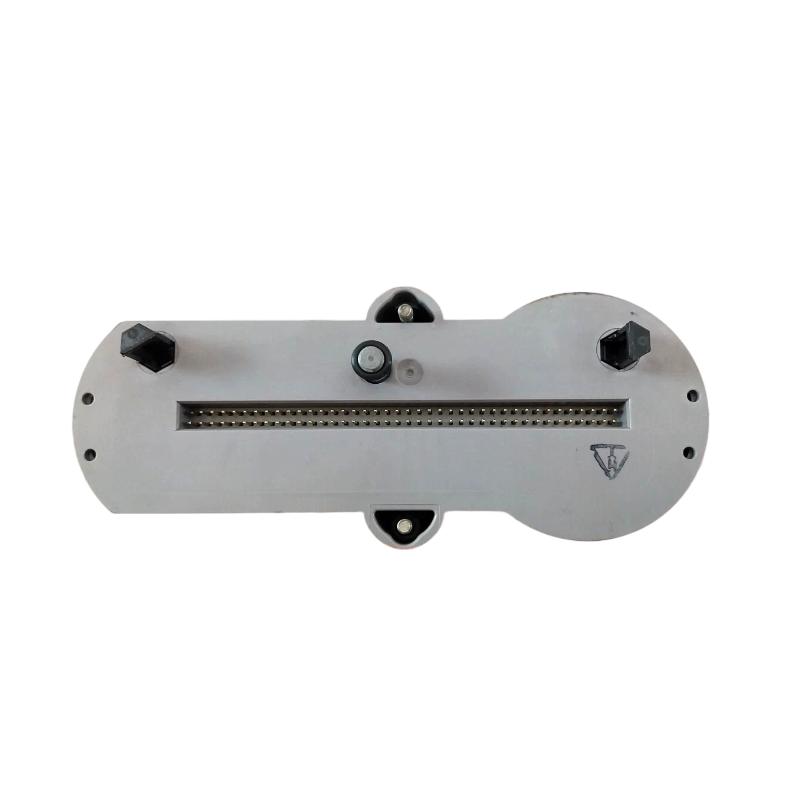
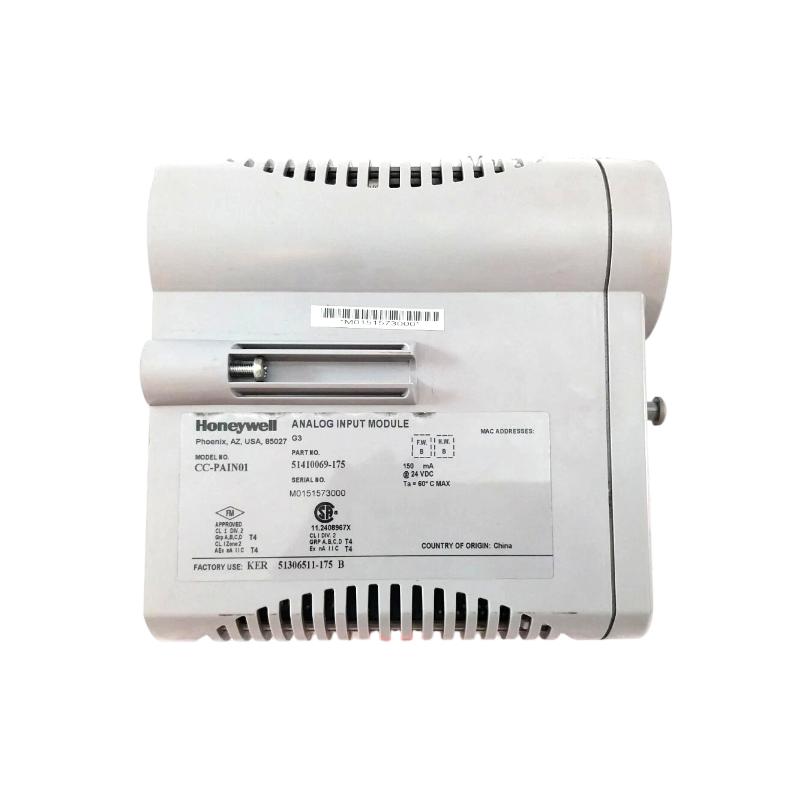
The Honeywell 8C-TAID51 Digital Input Module is a crucial component in industrial automation systems, designed for reliably receiving digital input signals from various field devices. This module converts binary signals (ON/OFF) from devices such as sensors, switches, and relays into digital data for processing within the Honeywell Distributed Control System (DCS). It is engineered for fast, accurate, and continuous signal processing, ensuring real-time monitoring and control in demanding industrial environments.
Ideal for use in a variety of industries including manufacturing, process control, and energy management, the 8C-TAID51 module provides flexibility and scalability, enabling system-wide integration and enhancing operational efficiency.
Technical Specifications
| Specification | Value |
|---|
| Model Number | 8C-TAID51 |
| Module Type | Digital Input Module |
| Dimensions | 61 × 153 × 145 mm |
| Weight | 0.3 kg |
| Input Type | Digital (ON/OFF) |
| Input Channels | 8 Channels |
| Nominal Voltage | 24 VDC |
| Communication Protocol | Fieldbus (Honeywell DCS) |
| Mounting Type | DIN Rail Mountable |
| Power Consumption | 4 W |
| Operating Temperature | -20°C to 60°C |
Applications
The Honeywell 8C-TAID51 Digital Input Module is versatile and suited for a wide range of applications that require fast and reliable binary input processing:
-
Industrial Process Control: Used to monitor digital signals from sensors and switches in chemical plants, refineries, and other process industries. It ensures precise control over critical parameters like pressure, temperature, and flow.
-
Manufacturing Automation: Controls machines, conveyors, and robotic systems by monitoring ON/OFF signals from limit switches, emergency stop buttons, and other field devices, enhancing system responsiveness.
-
Building Automation: Enables integration with HVAC systems, lighting controls, and security alarms by processing digital input signals from sensors, door switches, and occupancy detectors.
-
Energy and Utilities: Monitors and controls critical equipment such as circuit breakers, relays, and alarms in power plants and substations, ensuring operational stability and safety.
-
Oil and Gas: Facilitates monitoring of safety-critical field devices in remote oil rigs and pipelines, ensuring the integrity and safety of operations in harsh and hazardous environments.
 A DCS Q Co., Ltd. - PLC and DCS Industrial Control Equipment Wholesale