Product Overview
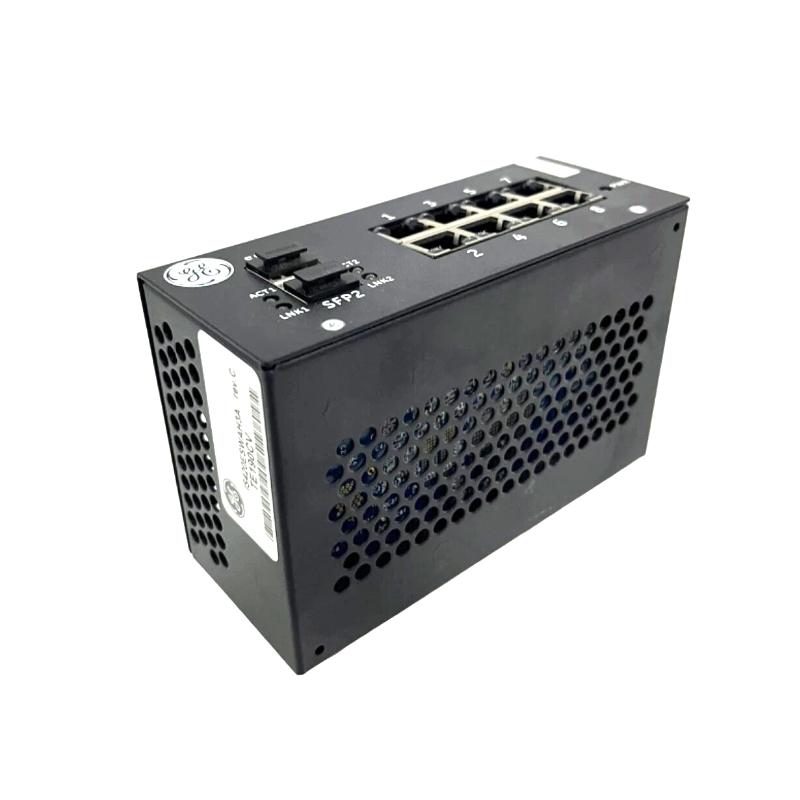
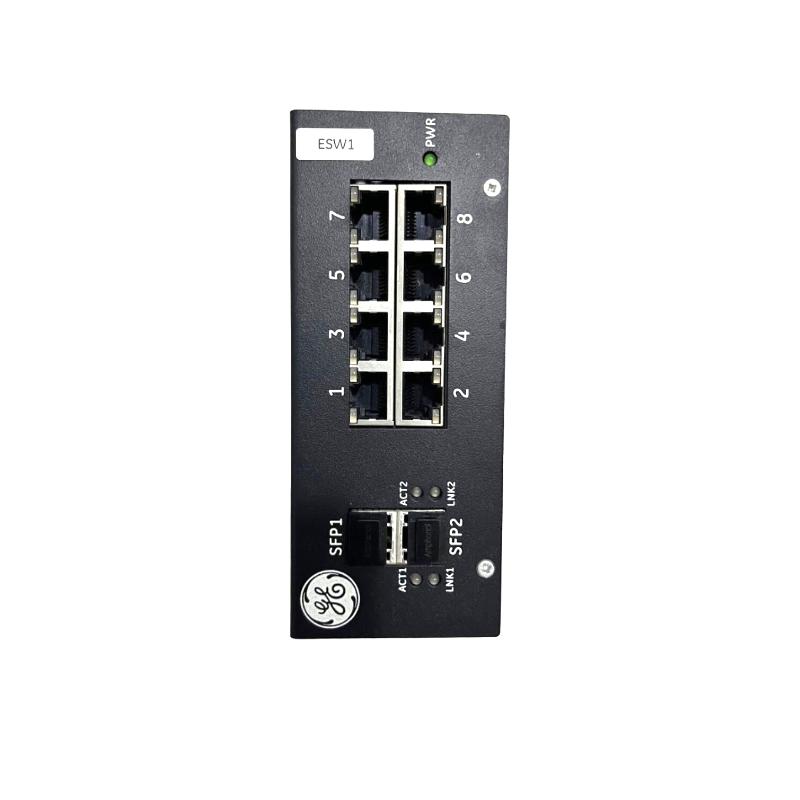
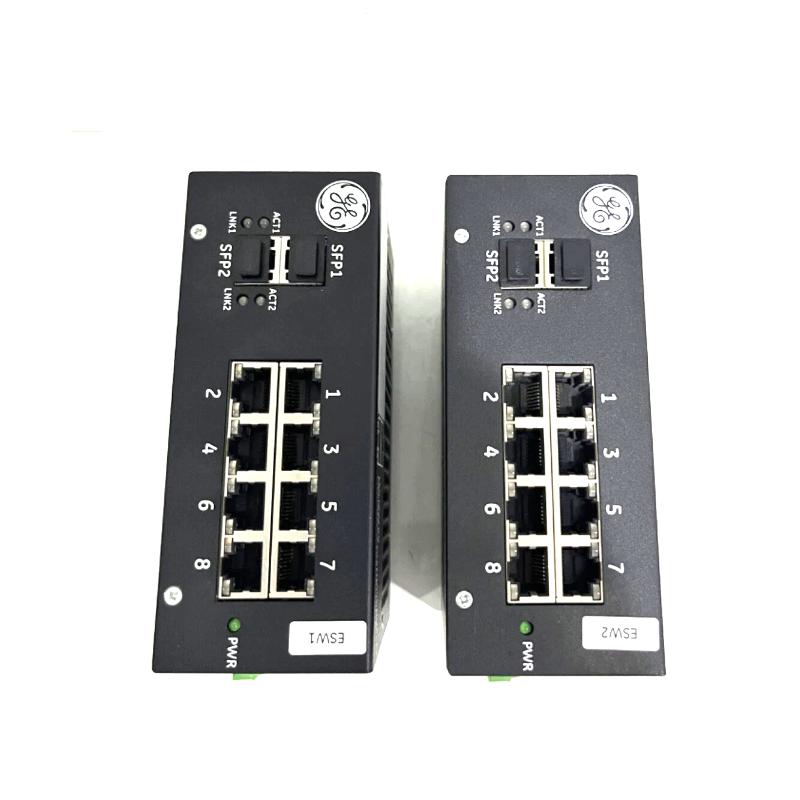
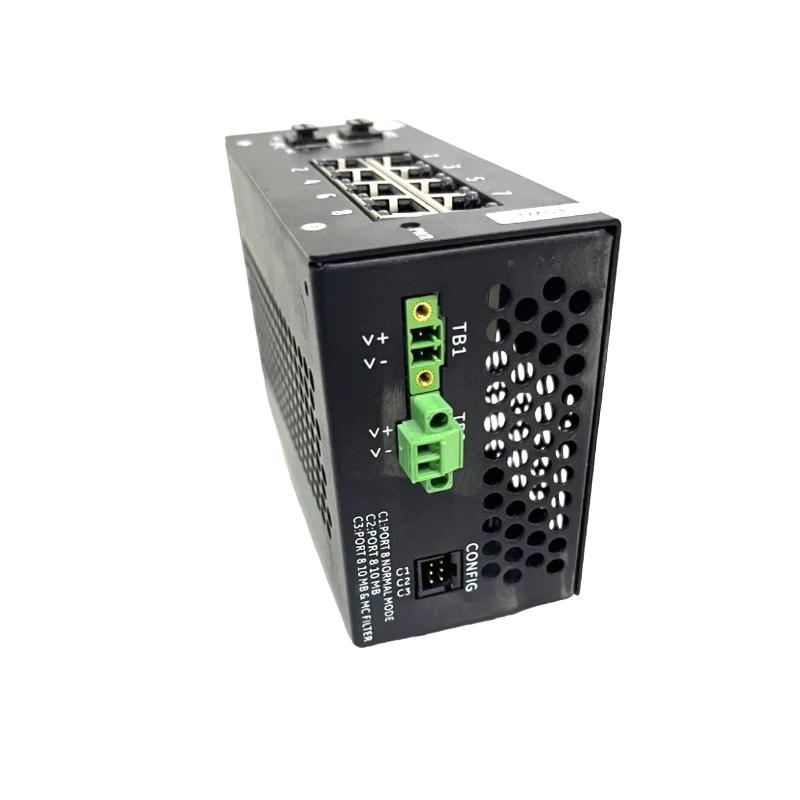
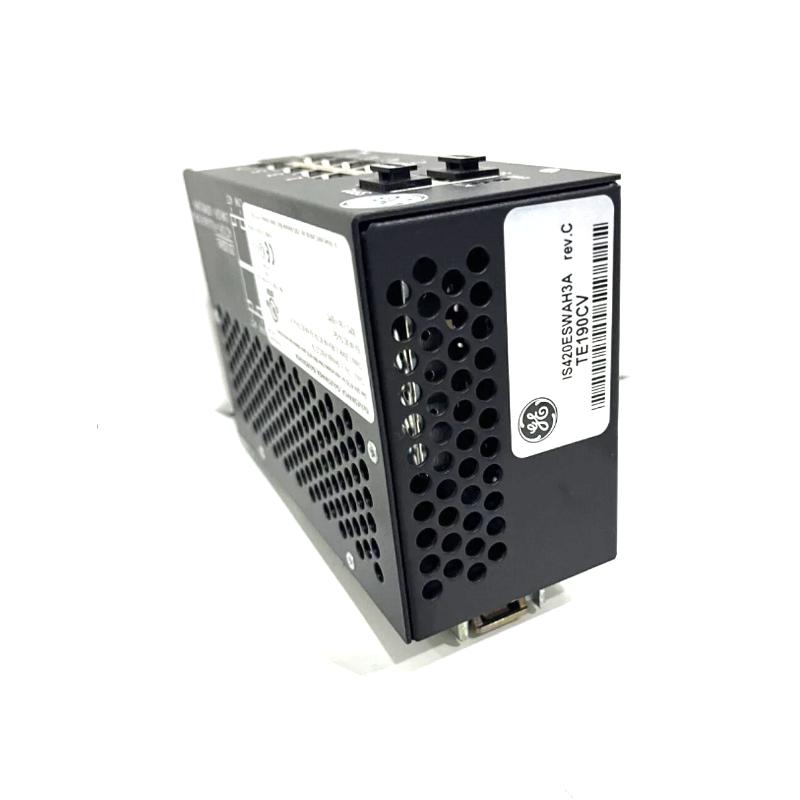
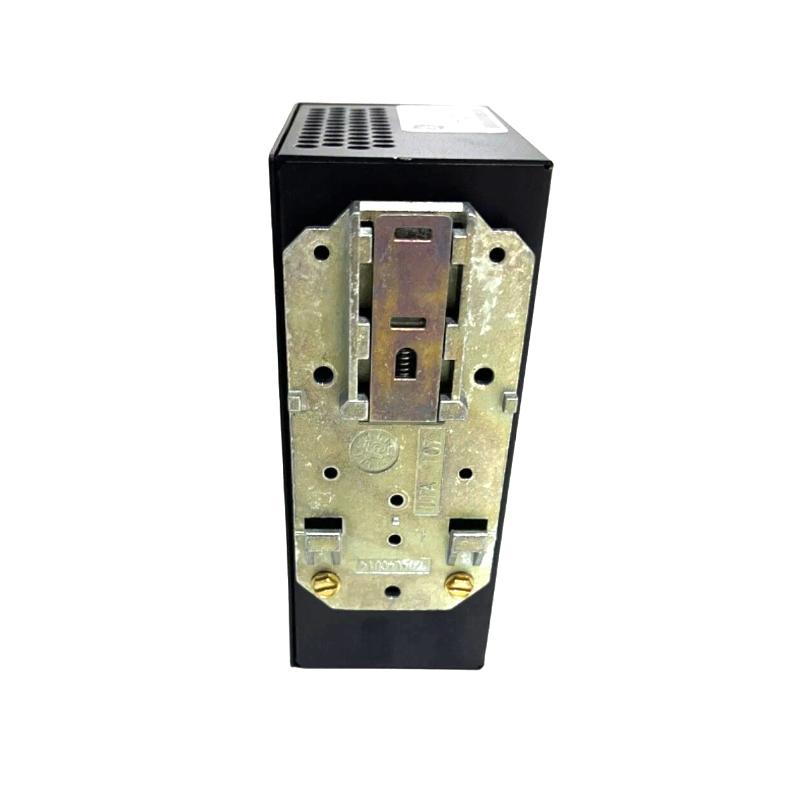
The GE IS420ESWAH1A Mark VIe I/O Net Switch is a dedicated industrial network switch module engineered for use within General Electric’s Mark VIe control systems. It provides high‑performance, managed Ethernet connectivity to distributed I/O modules, controllers, and communication gateways, enabling robust data routing and network segmentation in turbine automation, distributed control, and critical power systems.
Designed for industrial plant environments, the IS420ESWAH1A supports resilient communication paths, fault tolerance, and integration with redundant architectures—helping ensure Ethernet‑based data exchange remains stable, efficient, and secure under demanding operational conditions.
Technical Specifications
| Parameter | Details |
|---|
| Model | IS420ESWAH1A |
| Brand | GE |
| Module Type | I/O Net Switch |
| Series | Mark VIe Control System |
| Network Type | Ethernet / Industrial Ethernet |
| Port Count | Typically 8–10 ports (depending on configuration) |
| Speed | 10/100/1000 Mbps auto‑negotiation |
| Switching | Managed layering with VLAN support |
| Protocols | Standard Ethernet protocols, Quality of Service (QoS) |
| Redundancy Support | Network redundancy / ring protocols |
| Power Supply | Powered from the Mark VIe backplane |
| Operating Temperature | Industrial range |
| Storage Temperature | Extended industrial range |
| Mounting | Backplane module rack mount |
| Weight | Approx. 0.5–0.7 kg |
Application Scenarios
The IS420ESWAH1A Mark VIe I/O Net Switch is used wherever rugged, managed Ethernet connectivity is required within industrial control systems:
-
Distributed I/O Networking – linking digital and analog I/O modules to controllers
-
Controller Area Networking – establishing Ethernet paths between primary controllers and redundant backups
-
Plant Floor Network Infrastructure – consolidating field Ethernet traffic to central systems
-
Redundant Network Topologies – supporting ring or failover Ethernet structures
-
Communication Backbone for SCADA/DCS – bridging data traffic between Mark VIe subsystems and supervisory networks
Its managed switching functions help optimize traffic flow, improve determinism, and reduce latency in control networks.
Key Advantages
This Mark VIe I/O network switch module offers several critical operational benefits:
-
High‑Speed Ethernet Connectivity — supports gigabit speeds for efficient data exchange.
-
Managed Network Features — VLAN, QoS, and protocol filtering improve system performance and security.
-
Redundancy and Reliability — network redundancy support enhances communications uptime in critical applications.
-
Industrial‑Grade Robustness — designed for temperature, vibration, and electrical noise tolerance typical of plant environments.
-
Seamless Backplane Integration — mounts in the Mark VIe I/O rack for neat installation and standardized connectivity across modules.
These capabilities make the IS420ESWAH1A suitable for modern automation networks that require both speed and reliability.
Technical FAQs
1. What is the primary purpose of this switch?
It provides managed Ethernet networking for Mark VIe I/O and control modules.
2. How many Ethernet ports does it typically support?
It usually includes 8–10 Ethernet ports with auto‑negotiation.
3. What network speeds are supported?
It supports 10/100/1000 Mbps Ethernet speeds.
4. Does it support managed features?
Yes, it includes VLAN, Quality of Service (QoS), and routing functions relevant to industrial systems.
5. Can it be used in redundant network topologies?
Yes, it supports redundancy protocols for network failover and high availability.
6. How is it powered?
The module is powered through the Mark VIe backplane power system.
7. What environments is it suited for?
Industrial automation environments with temperature, vibration, and electrical noise exposure.
8. How does it integrate with I/O modules?
It connects Ethernet paths between the controller and distributed I/O modules via backplane and network cabling.
9. Is configuration software required?
Yes, network parameters are typically configured using dedicated engineering tools for managed switches.
10. What makes this switch valuable in control systems?
High‑speed, reliable network routing with managed Ethernet features optimizes deterministic communication in complex distributed systems.
 A DCS Q Co., Ltd. - PLC and DCS Industrial Control Equipment Wholesale