Product Overview (Introduction)
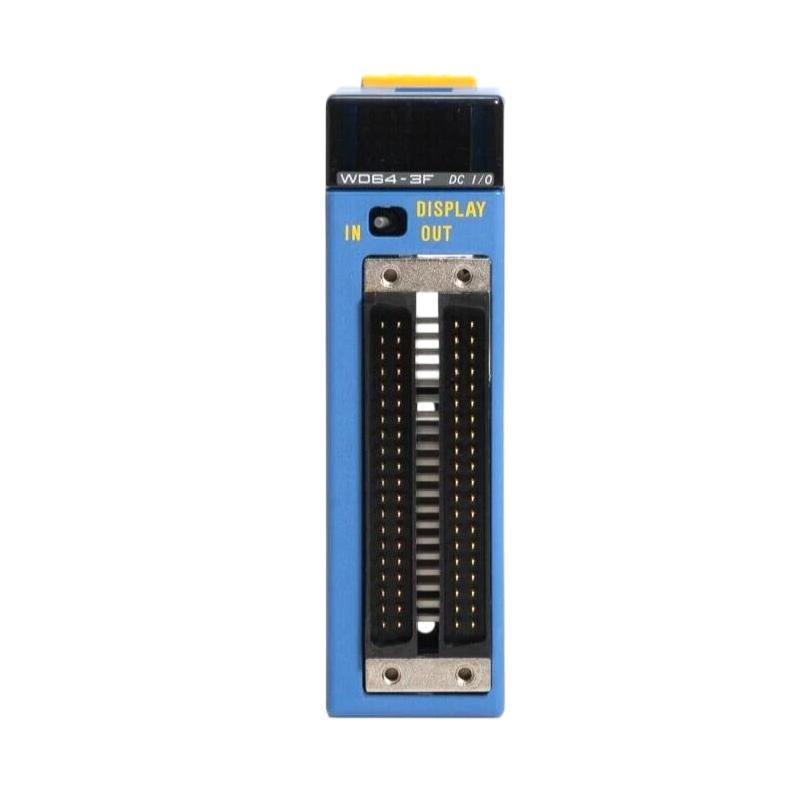
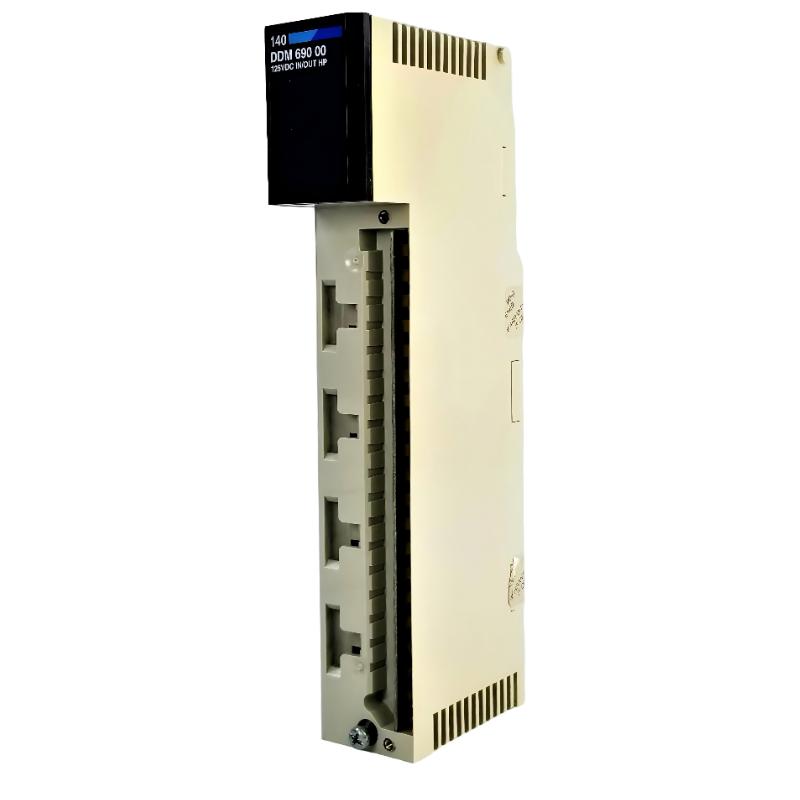
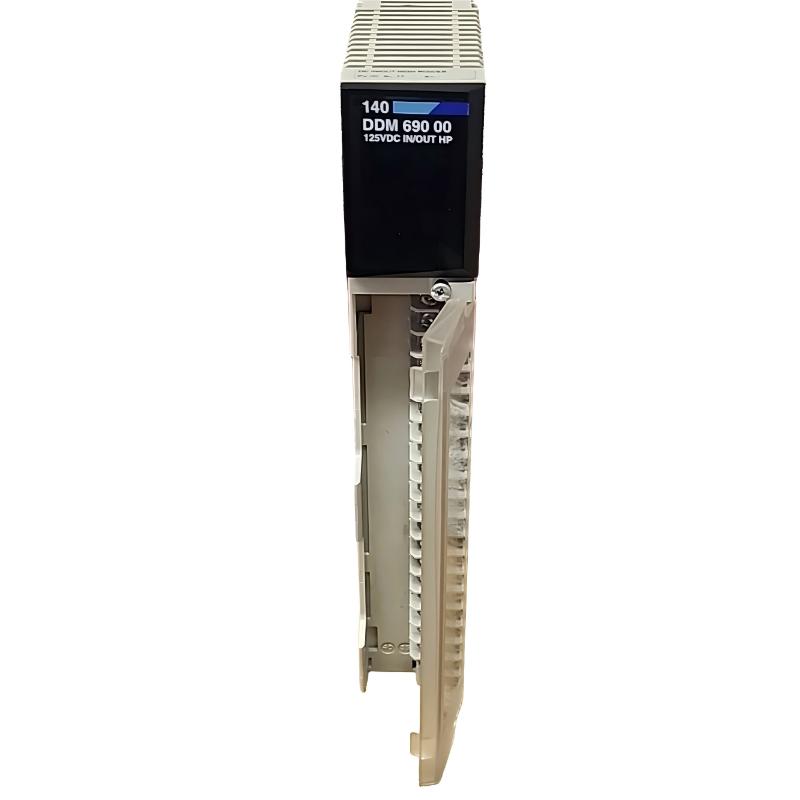
The Schneider 140DDM69000C Discrete I/O Module is a robust component for industrial automation systems requiring accurate digital signal management. It captures discrete inputs from field equipment and delivers output commands to actuators or relays, supporting coordinated operations in distributed control networks.
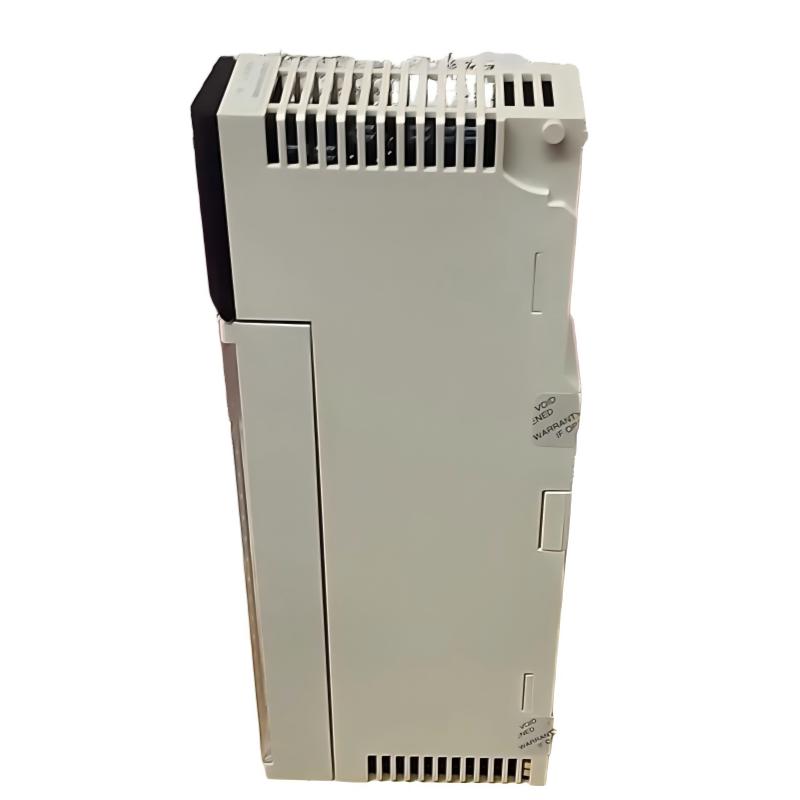
Designed for Modicon automation platforms, the module allows scalable system expansion while maintaining reliable communication between field devices and central controllers. Its compact design facilitates installation in high-density control racks and ensures continuous performance in industrial environments with electrical interference and continuous operational demands.
Technical Specifications
| Specification | Details |
|---|
| Manufacturer | Schneider Electric |
| Model Number | 140DDM69000C |
| Module Type | Discrete I/O Module |
| System Role | Digital Input/Output Management |
| System Compatibility | Modicon Distributed Control Systems |
| Installation | Control System Rack Mount |
| Operating Temperature | 0°C to 60°C |
| Storage Temperature | -40°C to 85°C |
| Dimensions | 103.9 mm × 40.3 mm × 250 mm |
| Weight | 0.3 kg |
Applications in Distributed Industrial Automation (Applications)
The Schneider 140DDM69000C Discrete I/O Module is designed to handle both digital input and output signals within Modicon automation systems. It enables real-time monitoring and control of field devices, converting discrete input signals into actionable data for the controller while transmitting output commands to actuators, relays, or other connected devices.
Typical application scenarios include:
-
Automated manufacturing systems tracking machine status and actuating equipment
-
Power generation facilities monitoring protective devices and operational signals
-
Oil and gas plants integrating sensors, safety switches, and digital actuators
-
Water and wastewater treatment plants controlling pumps, valves, and alarms
-
Chemical processing facilities managing process and safety digital signals
-
Industrial automation systems deploying distributed I/O architectures for scalable control
By accurately processing both input and output signals, the module ensures reliable system operation and coordinated plant control.
Operational Advantages (Advantages)
Bidirectional Digital Signal Handling
Manages both discrete input monitoring and output actuation for comprehensive control.
Reliable Industrial Performance
Ensures consistent operation in environments with electrical noise, vibration, and continuous operation.
Seamless Integration with Modicon Platforms
Compatible with Schneider Electric Modicon distributed automation systems for modular deployment.
Compact Rack-Mount Design
Optimized for dense control cabinet layouts while maintaining accessibility.
Supports Scalable Automation Architectures
Enables additional I/O modules to be added without disrupting existing operations.
Technical FAQs (Technical FAQs)
-
What is the primary function of the 140DDM69000C module?
It manages discrete digital inputs from field devices and controls discrete outputs to actuators or relays.
-
Which devices can connect to this module?
Digital sensors, switches, relays, pushbuttons, and actuators.
-
Is it compatible with Modicon automation systems?
Yes, it is fully compatible with Schneider Electric Modicon distributed control systems.
-
Can it process multiple input and output signals simultaneously?
Yes, it supports multiple digital input and output channels.
-
Is it suitable for continuous industrial operations?
Yes, designed for stable long-term operation in demanding environments.
-
How is the module installed?
It is mounted in a control rack and connected to field devices and the central controller.
-
Does it support diagnostic monitoring?
Yes, the module allows monitoring of I/O status and communication integrity.
-
Can it be used in safety-critical applications?
Yes, it can manage safety-related digital signals according to system design requirements.
-
Which industries typically deploy this module?
Manufacturing, energy, oil and gas, water treatment, and chemical processing facilities.
-
What are the benefits of using a discrete I/O module?
It enables precise monitoring and control of industrial devices, improving operational reliability and response time.
 A DCS Q Co., Ltd. - PLC and DCS Industrial Control Equipment Wholesale