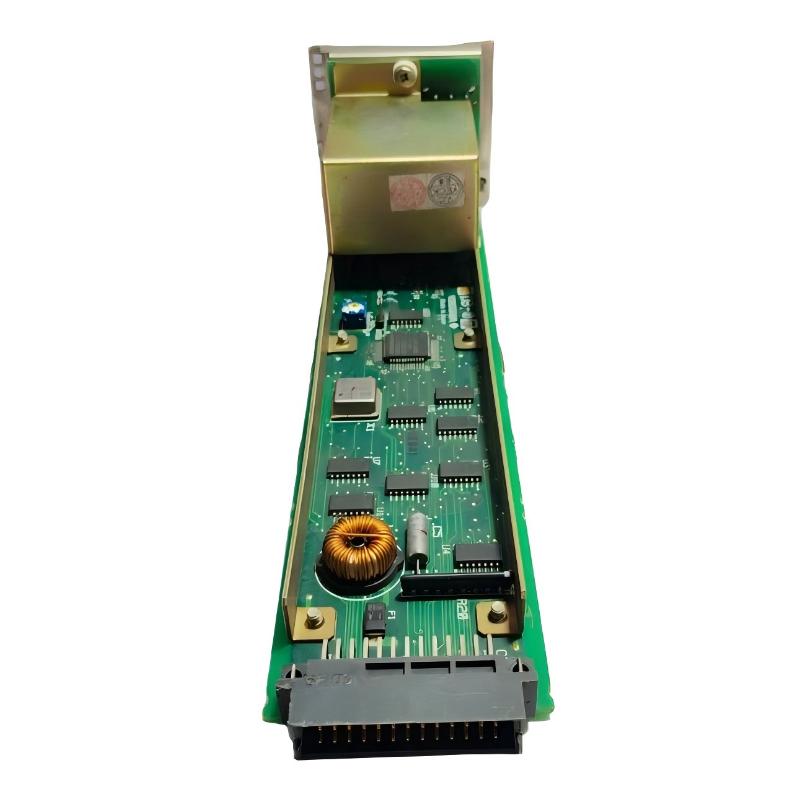
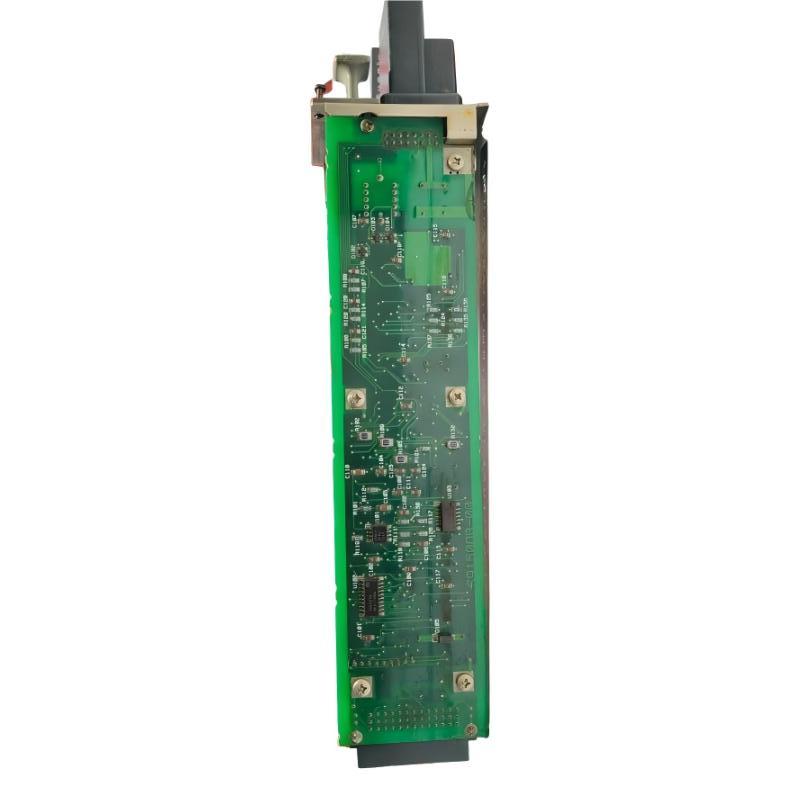
Product Overview (Introduction)
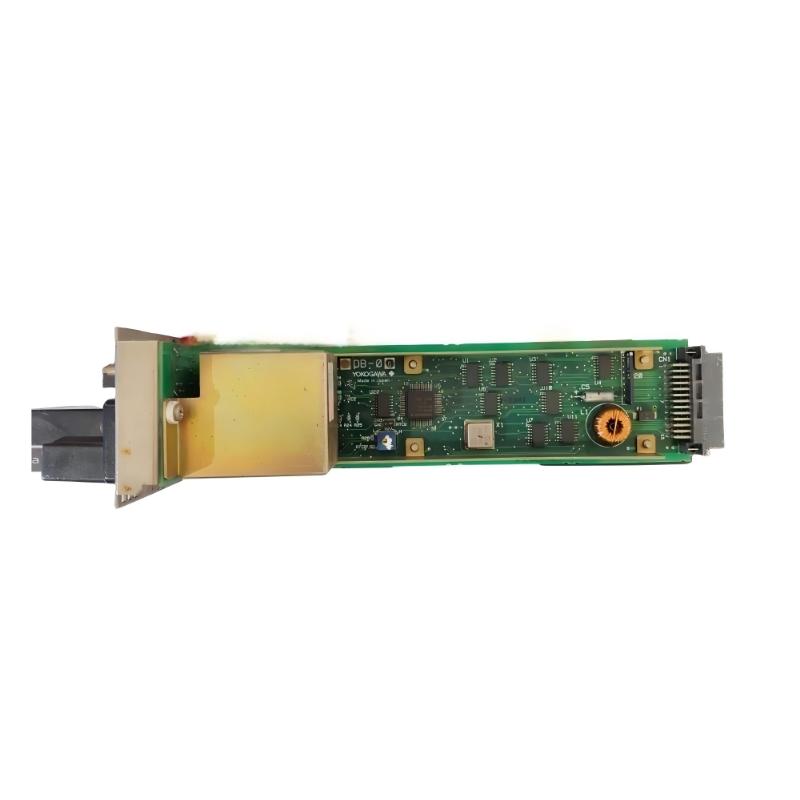
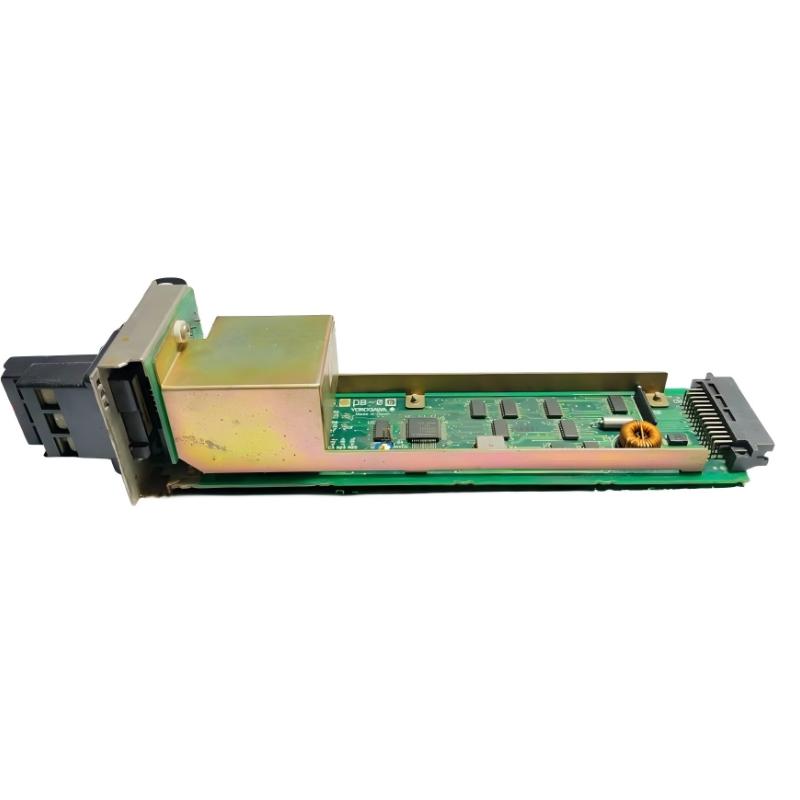
The Yokogawa AIP512 V-Net Coupler Module is a compact and high-performance network interface for distributed control systems. By bridging V-Net segments, it enables controllers, I/O modules, and field devices to communicate efficiently, maintaining coordinated operation and supporting modular system expansion.
Its small form factor allows easy installation in control cabinets with limited space, while its industrial-grade design ensures reliable performance in challenging plant environments. The AIP512 is ideal for applications requiring real-time, scalable, and dependable communication in modern industrial automation networks.
Technical Specifications
| Specification | Details |
|---|
| Manufacturer | Yokogawa |
| Model Number | AIP512 |
| Module Type | V-Net Coupler Module |
| System Role | Network Interface and Expansion |
| System Compatibility | Yokogawa Distributed Control Systems (V-Net) |
| Installation | Control System Cabinet / Rack |
| Operating Temperature | 0°C to 60°C |
| Storage Temperature | -20°C to 70°C |
| Dimensions | 76 mm × 76 mm × 30.5 mm |
| Weight | 0.2 kg |
Applications in Compact Distributed Control Networks (Applications)
The Yokogawa AIP512 V-Net Coupler Module is a compact network interface designed for Yokogawa distributed control systems (DCS). It links multiple V-Net segments, ensuring reliable communication between controllers, I/O modules, and field devices. Its small form factor makes it suitable for installations where space is limited while maintaining high-integrity network performance.
Typical deployment scenarios include:
-
Power plants integrating modular automation subsystems
-
Oil and gas facilities connecting distributed instrumentation
-
Chemical and petrochemical plants requiring modular control network expansion
-
Water and wastewater treatment facilities coordinating process control
-
Manufacturing facilities expanding V-Net networks for additional modules
-
Industrial plants needing real-time, reliable communication in compact cabinets
By bridging V-Net segments, the AIP512 provides reliable network communication and supports scalable system expansion.
Operational Advantages (Advantages)
-
Reliable V-Net Connectivity
Maintains stable and secure communication between controllers, I/O modules, and field devices.
-
Compact and Space-Saving Design
Its small footprint allows installation in constrained control cabinets and equipment racks.
-
Supports System Expansion
Facilitates the addition of new V-Net segments without affecting existing operations.
-
Industrial-Grade Reliability
Operates effectively under electrical noise, vibration, and temperature variations.
-
Optimized for Yokogawa DCS
Seamlessly integrates with V-Net networks for coordinated process automation.
Technical FAQs (Technical FAQs)
-
What is the main function of the AIP512 module?
It serves as a V-Net interface, connecting multiple segments to ensure reliable communication between controllers, I/O modules, and field devices.
-
Which systems are compatible with this module?
It is designed for Yokogawa distributed control systems utilizing V-Net architecture.
-
Can it support real-time process communication?
Yes, it provides timely and accurate data exchange across V-Net segments.
-
Is the module suitable for harsh industrial conditions?
Yes, it is engineered to function reliably under vibration, electrical noise, and temperature fluctuations.
-
How is the module installed?
It is mounted within control cabinets or racks, connecting V-Net devices and controllers.
-
Does the module provide diagnostic capabilities?
Yes, it allows monitoring of network status, device connectivity, and communication integrity.
-
Can multiple controllers communicate through one AIP512?
Yes, it supports coordinated communication between multiple controllers and I/O modules.
-
Which industries commonly deploy this module?
Power generation, oil & gas, chemical manufacturing, water treatment, and industrial automation facilities.
-
Does it support network scalability?
Yes, additional V-Net modules and segments can be integrated without disrupting existing operations.
-
What role does this module play in distributed control systems?
It functions as a V-Net interface, ensuring synchronized, reliable, and real-time communication across automation networks.
 A DCS Q Co., Ltd. - PLC and DCS Industrial Control Equipment Wholesale