Product Overview (Introduction)
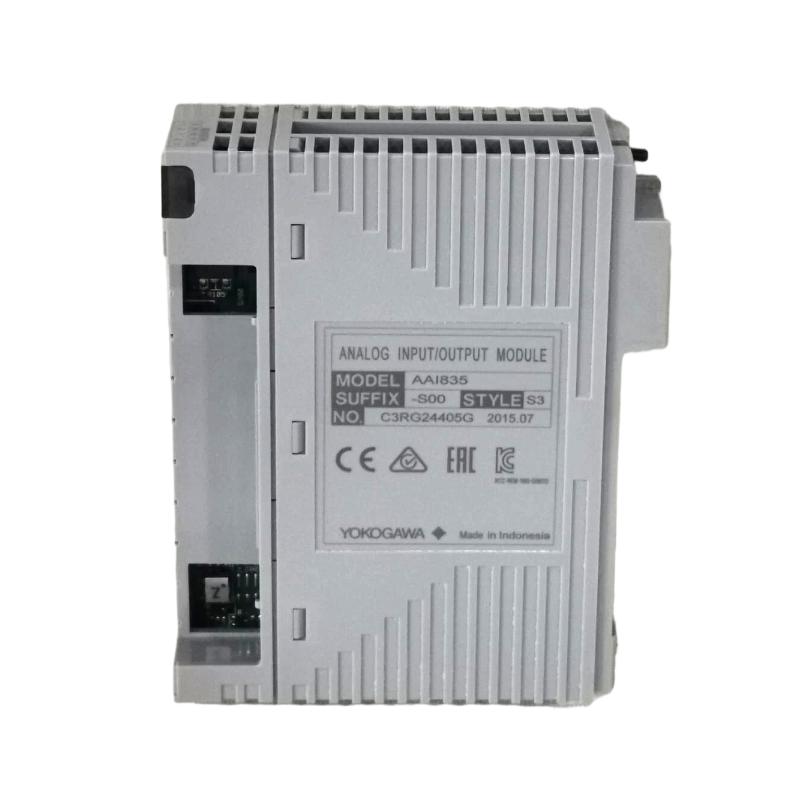
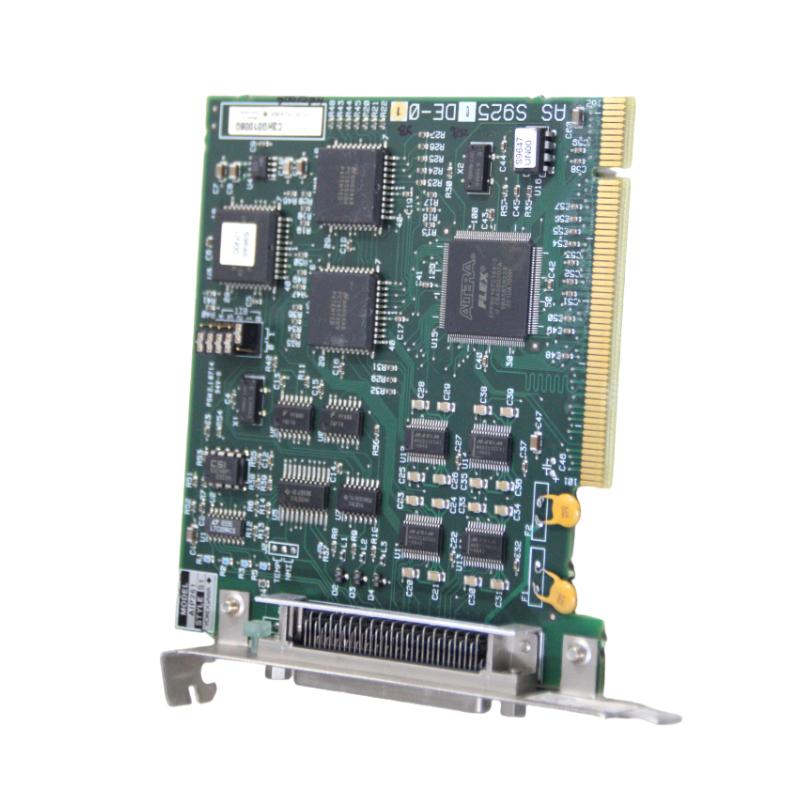
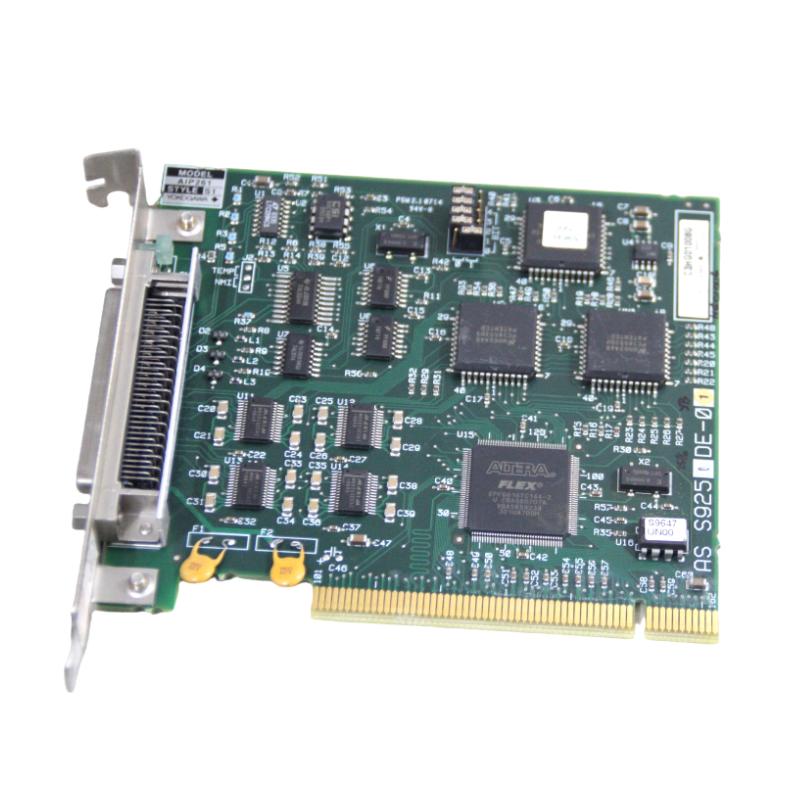
The Yokogawa AIP261 Interface Expansion Card is a versatile component designed to extend the communication and processing capabilities of Yokogawa distributed control systems. By providing additional interfaces and communication ports, it ensures that large-scale automation systems can scale efficiently without compromising on performance.
In industrial environments where system expansion is necessary, the AIP261 provides an effective solution by allowing operators to integrate more I/O devices, sensors, and controllers into the existing control network. This makes it particularly valuable in applications that require increased data throughput and enhanced connectivity.
With its compact design and ease of integration into existing systems, the AIP261 is well-suited for industries requiring robust and flexible control solutions. Its ability to maintain reliable performance even in harsh environments makes it an essential tool for modern process automation.
Technical Specifications
| Specification | Details |
|---|
| Manufacturer | Yokogawa |
| Model Number | AIP261 |
| Card Type | Interface Expansion Card |
| System Role | Expand Communication Capacity |
| System Compatibility | Yokogawa Distributed Control Systems |
| Installation | Control System Rack or Equipment Enclosure |
| Operating Temperature | 0°C to 60°C |
| Storage Temperature | -20°C to 70°C |
| Dimensions | 250 mm × 170 mm × 40 mm |
| Weight | 0.5 kg |
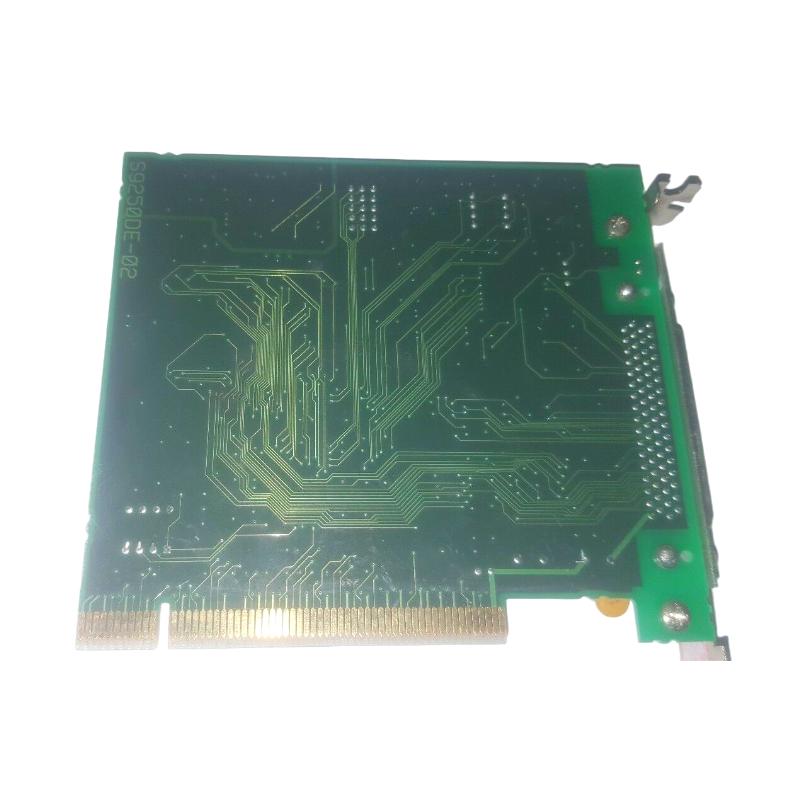
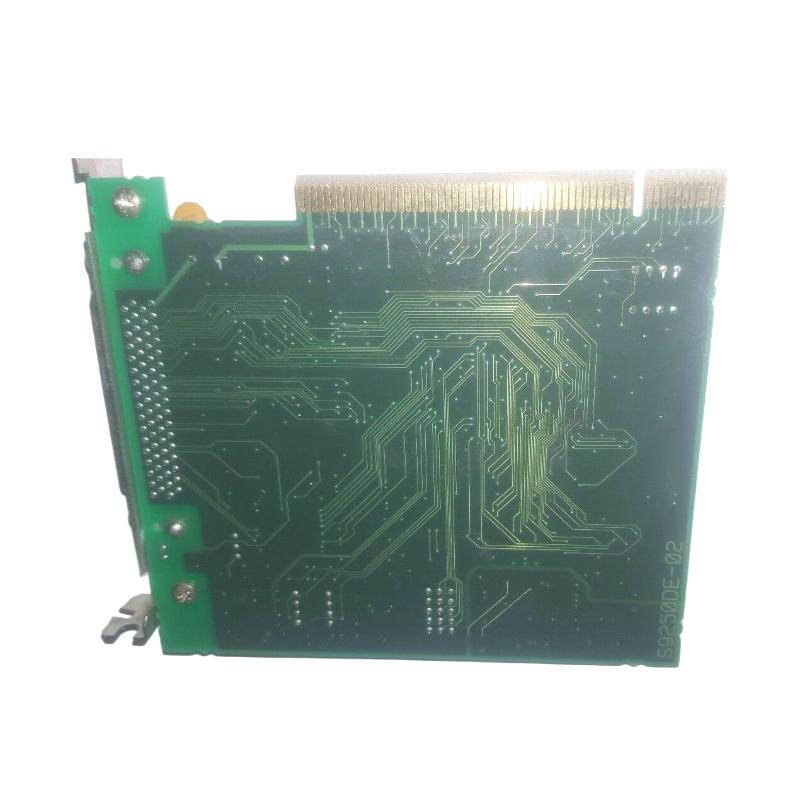
Yokogawa AIP261 Interface Expansion Card
Applications in Distributed Control System Interfaces (Applications)
The Yokogawa AIP261 Interface Expansion Card is a critical component designed to extend the functionality of Yokogawa distributed control systems (DCS). It provides enhanced interface capabilities between various modules, improving overall system performance by enabling additional communication paths and processing power.
Typical deployment scenarios include:
Automation systems in power generation plants requiring expanded interface capacity
Petrochemical facilities with multiple I/O modules needing scalable control solutions
Chemical plants that require enhanced data management between field devices and control systems
Oil and gas industries managing complex sensor networks and instrumentation
Manufacturing and process plants with modular system architectures
Industrial control rooms requiring integration of additional modules or I/O connections
By expanding the interface capabilities of a DCS, the AIP261 ensures seamless integration and reliable communication across large-scale automation systems.
Operational Advantages (Advantages)
Increased System Flexibility
Provides the ability to add more I/O modules and communication pathways, supporting larger and more complex automation systems.
Seamless Integration with Yokogawa DCS Platforms
Designed specifically for use within Yokogawa’s distributed control environments, ensuring smooth integration.
Enhanced Communication Capacity
Supports additional communication ports for greater network and module interaction.
Compact and Scalable Design
Its small form factor allows for easy installation in existing control racks while enabling system scalability.
Optimized for Industrial Environments
Built to maintain high performance in environments with electrical noise and harsh operating conditions.
Technical FAQs (Technical FAQs)
-
What is the primary function of the AIP261 Interface Expansion Card?
It expands the interface capabilities of a Yokogawa DCS by providing additional communication ports and processing capacity.
-
Which systems are compatible with this expansion card?
It is designed to work with Yokogawa distributed control systems, enhancing their modular architecture.
-
How does this card benefit large-scale industrial systems?
It allows for seamless integration of additional I/O modules, increasing the control system's capacity without disrupting operations.
-
Can this card support high-speed data communication?
Yes. It enhances communication between modules, allowing for faster and more reliable data transfer.
-
Is the AIP261 suitable for use in complex industrial environments?
Yes. It is designed to function efficiently in harsh industrial conditions, including environments with high electrical noise.
-
Does the card provide diagnostic capabilities?
Yes. It includes monitoring features that allow operators to check the health and status of connected modules.
-
How is the AIP261 installed into the system?
It is installed into existing control racks or equipment enclosures, expanding the interface of the DCS without extensive system redesign.
-
Can this card be used in process industries with distributed systems?
Yes. It is commonly used in industries like oil and gas, power generation, and chemical processing to expand system connectivity.
-
What role does the AIP261 card play in system scalability?
It enables the easy addition of I/O modules and communication links, making it ideal for systems that need to scale as operations grow.
-
What are the typical industries that deploy this card?
Petrochemical, power generation, chemical manufacturing, oil & gas, and large-scale automation facilities.
 A DCS Q Co., Ltd. - PLC and DCS Industrial Control Equipment Wholesale