Product Overview (Introduction)
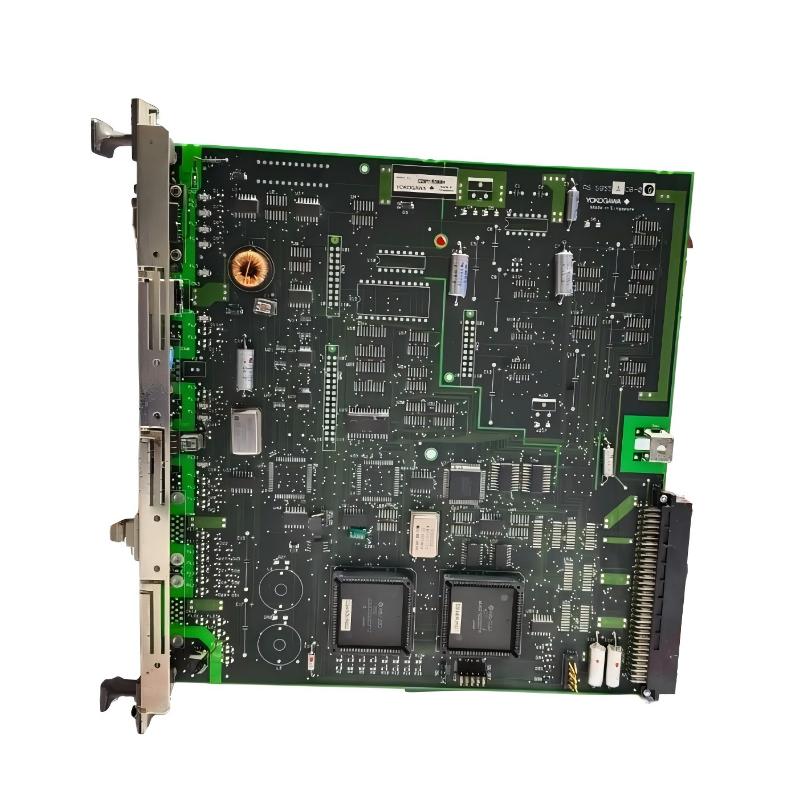
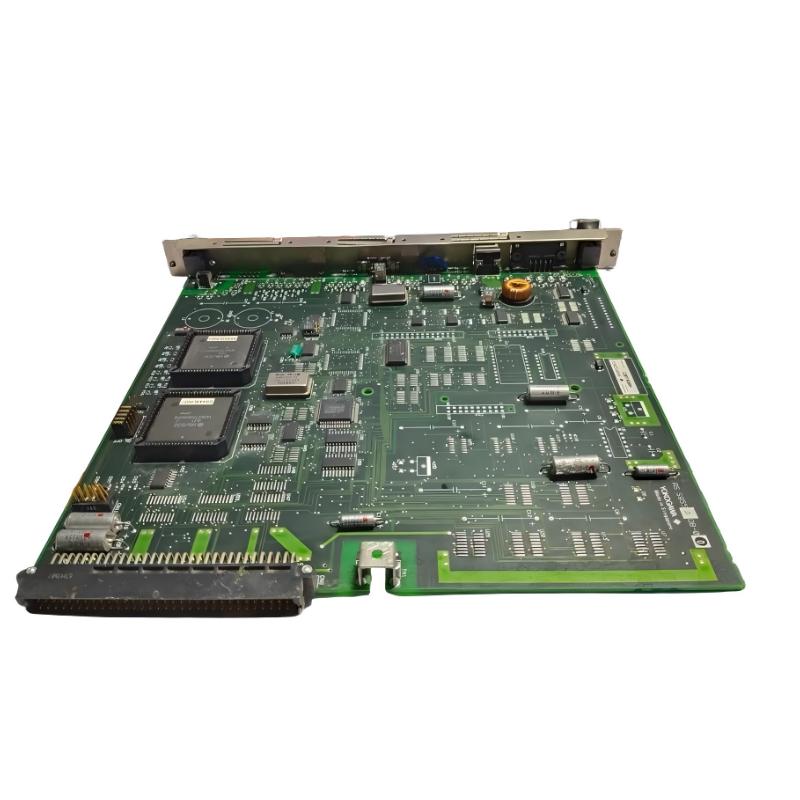
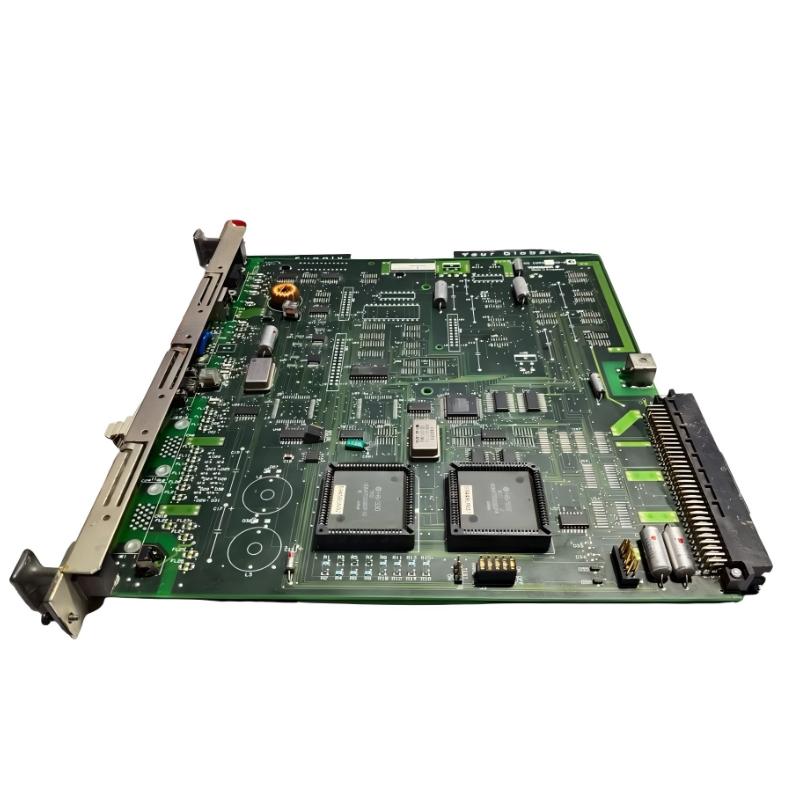
The Yokogawa AIP125 MMCTLDT Board is a specialized control system board used within Yokogawa automation platforms to support internal processing and communication functions. In distributed control system environments, various internal boards are responsible for ensuring that system modules exchange information efficiently and operate in a coordinated manner.
This board plays a supporting role within the control system hardware architecture by helping manage processing tasks and maintaining communication between system components. Its compact design allows it to be installed within equipment racks where reliable performance is required.
In large industrial facilities, stable internal system communication is essential for maintaining consistent automation performance. The AIP125 MMCTLDT Board contributes to this by supporting reliable control system operation within complex industrial environments.
Technical Specifications
| Specification | Details |
|---|
| Manufacturer | Yokogawa |
| Model Number | AIP125 |
| Board Type | MMCTLDT Board |
| System Role | Control System Processing Interface |
| System Compatibility | Yokogawa Distributed Control Systems |
| Installation | Control System Rack / Equipment Assembly |
| Operating Temperature | 0°C to 60°C |
| Storage Temperature | -20°C to 70°C |
| Dimensions | 260 mm × 250 mm × 30 mm |
| Weight | 0.5 kg |
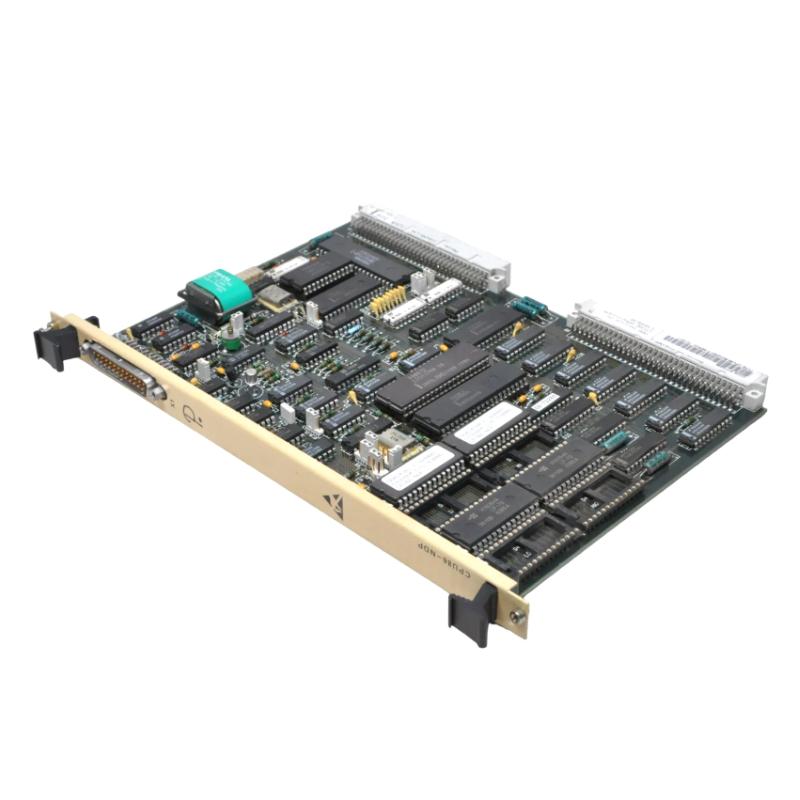
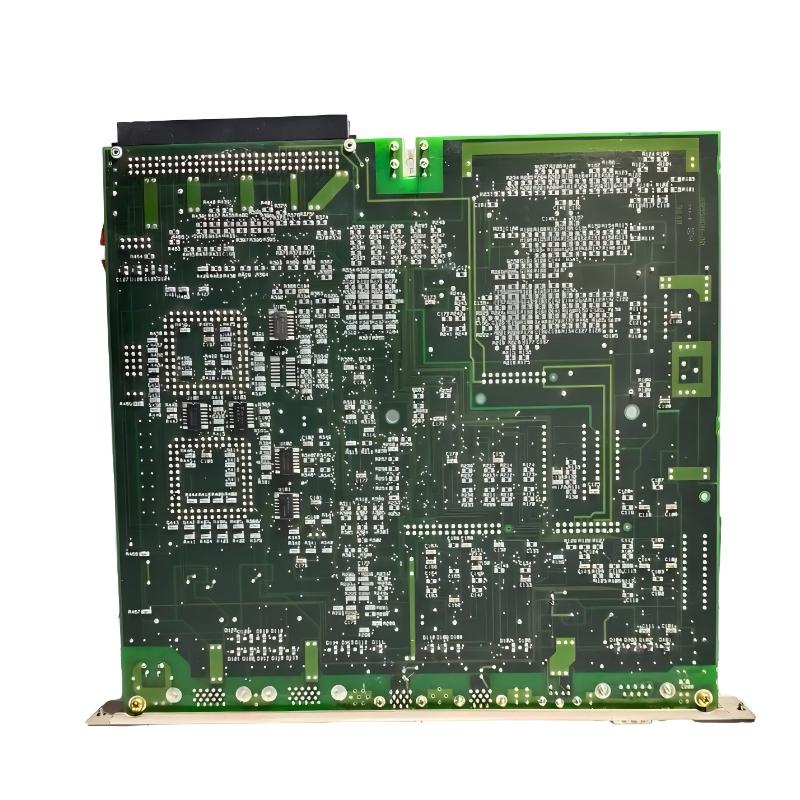
Yokogawa AIP125 MMCTLDT Board
Applications in Control System Processing Interfaces (Applications)
The Yokogawa AIP125 MMCTLDT Board is designed to support internal control system processing and signal management within Yokogawa distributed control system environments. It functions as a specialized control board responsible for handling system-level communication and processing tasks inside automation hardware platforms.
Typical deployment scenarios include:
Distributed control system cabinets in large process plants
Industrial control centers managing multiple automation subsystems
Petrochemical facilities with complex control hardware architecture
Power generation control rooms handling system data processing
Chemical plants requiring stable system-level board communication
Industrial automation platforms integrating modular control hardware
By supporting internal system processing and communication pathways, the board contributes to stable operation of control hardware assemblies.
Operational Advantages (Advantages)
Dedicated Control Processing Interface
Designed to manage system-level communication between internal modules and control components.
Reliable Operation in Automation Hardware Platforms
Maintains consistent processing performance within control system infrastructure.
Optimized for Yokogawa System Integration
Engineered to function within Yokogawa distributed control system hardware environments.
Compact Board-Level Design
Its form factor allows installation within control system racks and equipment enclosures.
Supports Stable System Communication
Helps ensure reliable data flow between internal control system components.
Technical FAQs (Technical FAQs)
-
What is the primary function of the AIP125 MMCTLDT Board?
It acts as a control system processing and communication board within automation hardware platforms.
-
Which systems typically use this board?
It is used within Yokogawa distributed control system equipment.
-
Does the board handle internal system communication?
Yes. It supports communication and processing functions between system modules.
-
Can it operate continuously in industrial environments?
Yes. It is designed for continuous operation inside industrial control system cabinets.
-
Is the board intended for field device connections?
No. It primarily supports internal system processing and communication tasks.
-
How does it contribute to system stability?
By maintaining reliable processing and communication between system components.
-
Does the board support diagnostic monitoring?
Yes. System-level diagnostics allow engineers to monitor operational conditions.
-
Can it be integrated into modular control hardware setups?
Yes. It is designed to work within modular distributed control system architectures.
-
What industries commonly use systems that include this board?
Oil and gas, power generation, petrochemical processing, and large-scale manufacturing.
-
What role does it play in automation system architecture?
It functions as an internal processing and communication interface supporting control system operations.
 A DCS Q Co., Ltd. - PLC and DCS Industrial Control Equipment Wholesale