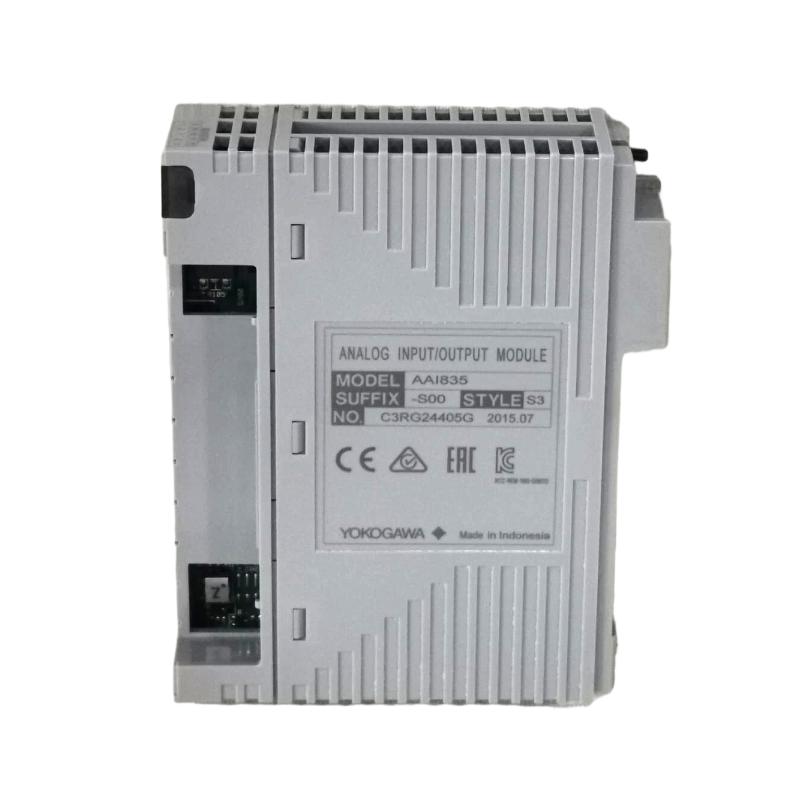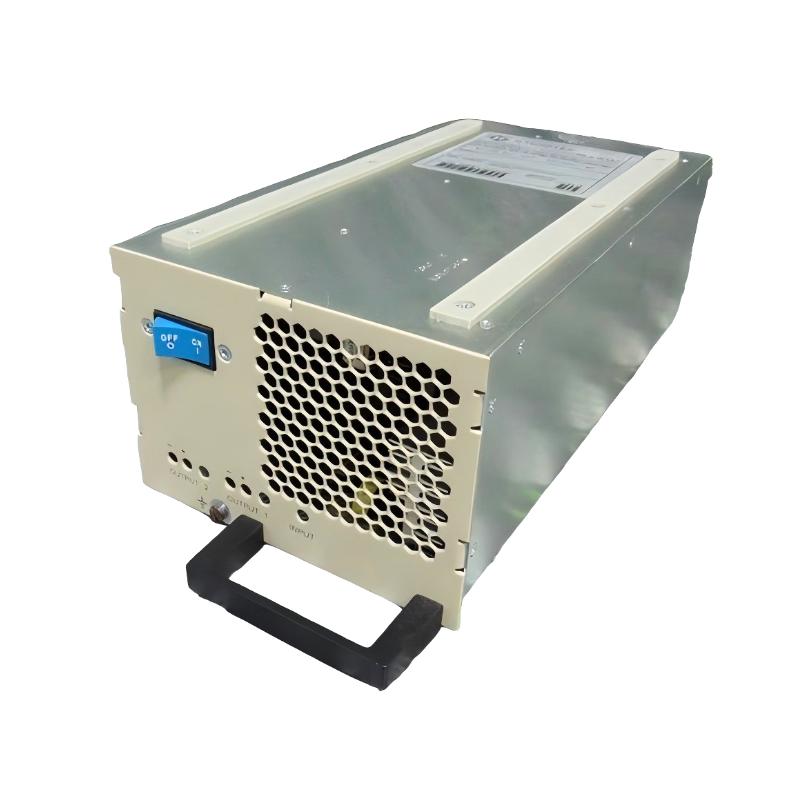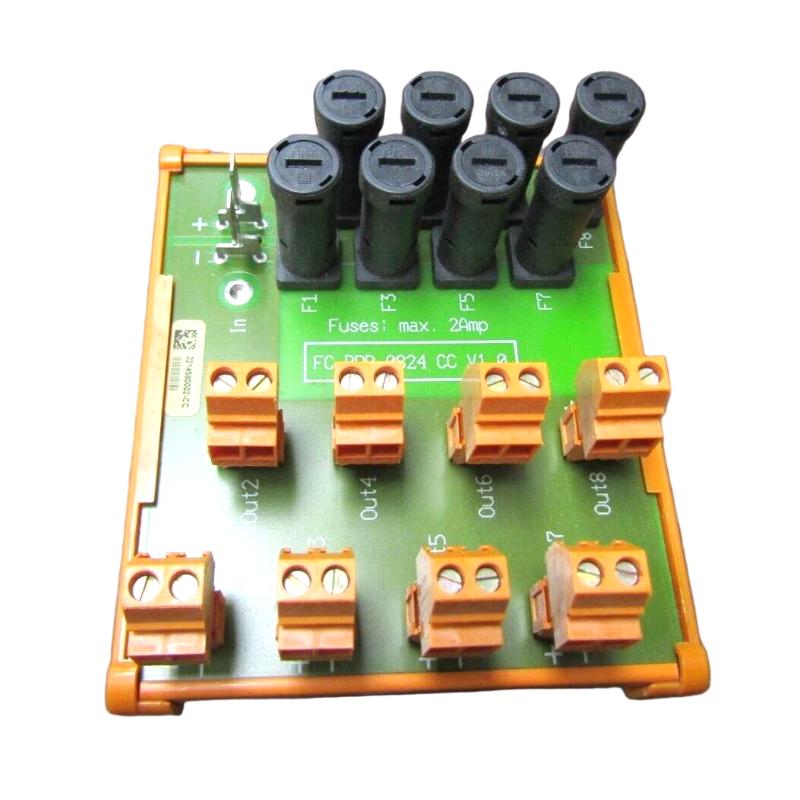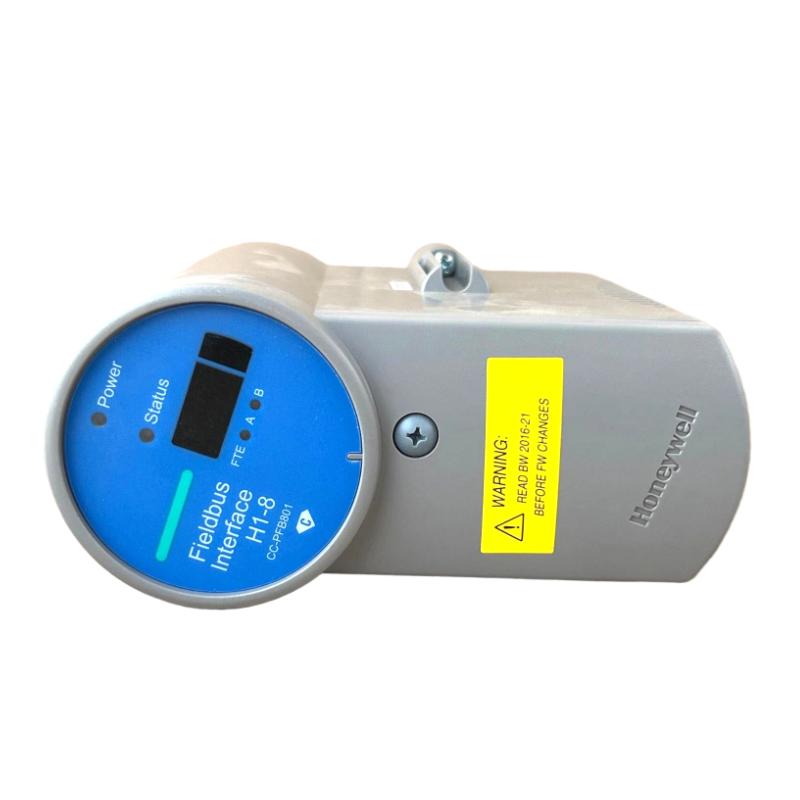
Product Overview (Introduction)
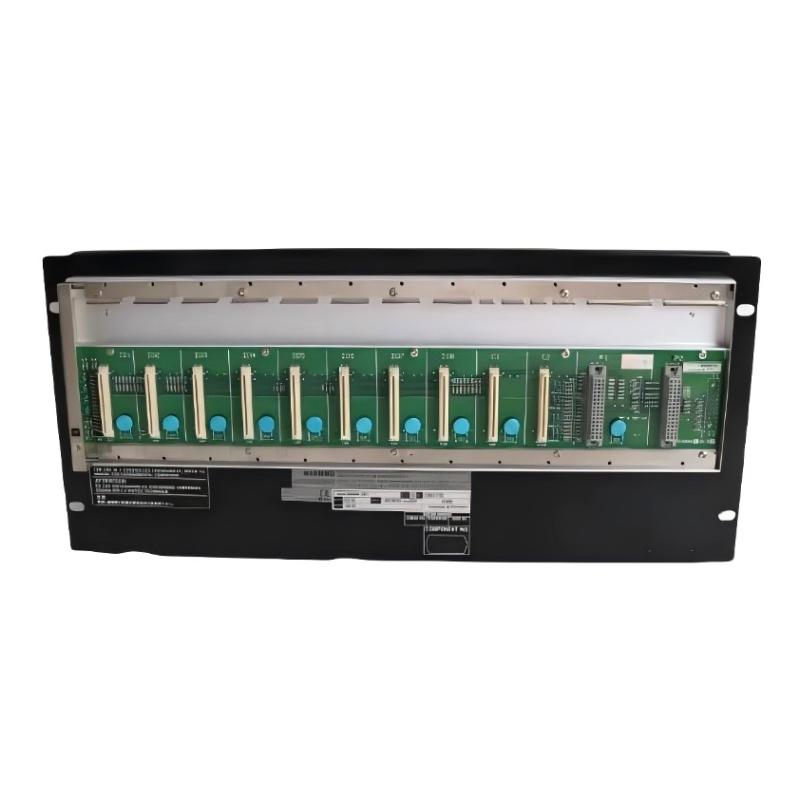
The Yokogawa AFV30S-A41262 Field Control Unit is designed to support stable and efficient process automation within Yokogawa distributed control system environments. Positioned within the field control layer, it executes process logic, manages device communication, and ensures that plant operations remain synchronized.
In large industrial facilities, field control units are responsible for maintaining consistent process regulation while communicating with supervisory systems. The AFV30S-A41262 is engineered to handle these responsibilities reliably, supporting continuous industrial operations.
Its architecture allows it to integrate seamlessly into complex control systems where multiple production units and automation processes must operate simultaneously. This makes it suitable for industries where operational continuity and system stability are critical.
Technical Specifications
| Specification | Details |
|---|
| Manufacturer | Yokogawa |
| Model Number | AFV30S-A41262 |
| Module Type | Field Control Unit |
| System Role | Field Control Processor |
| System Compatibility | Yokogawa Distributed Control Systems |
| Installation | Control System Cabinet / Rack |
| Operating Temperature | 0°C to 60°C |
| Storage Temperature | -20°C to 70°C |
| Dimensions | 207 mm × 265.9 mm × 482.6 mm |
| Weight | 7 kg |
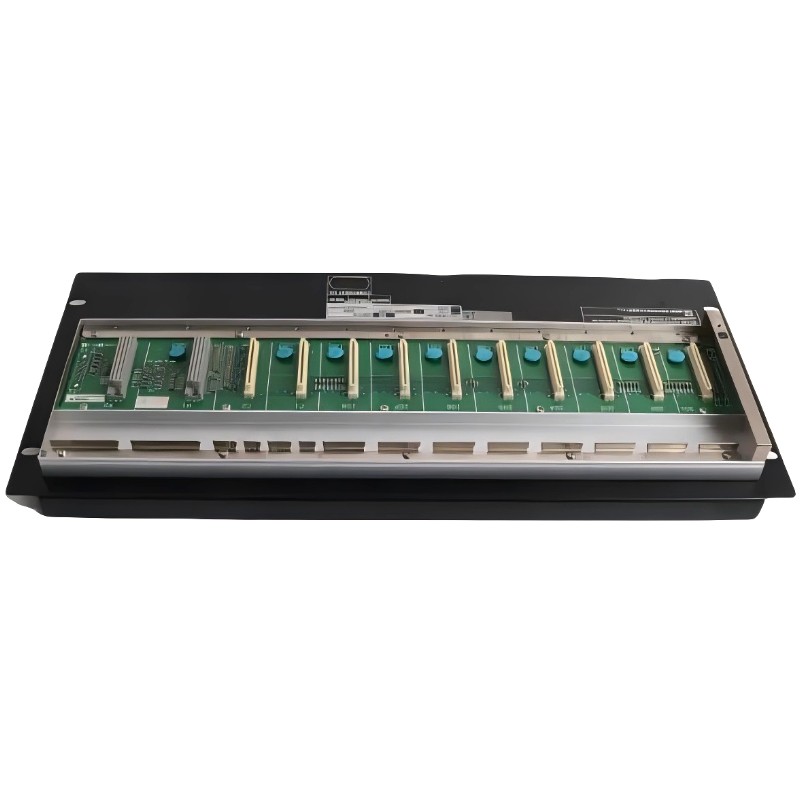
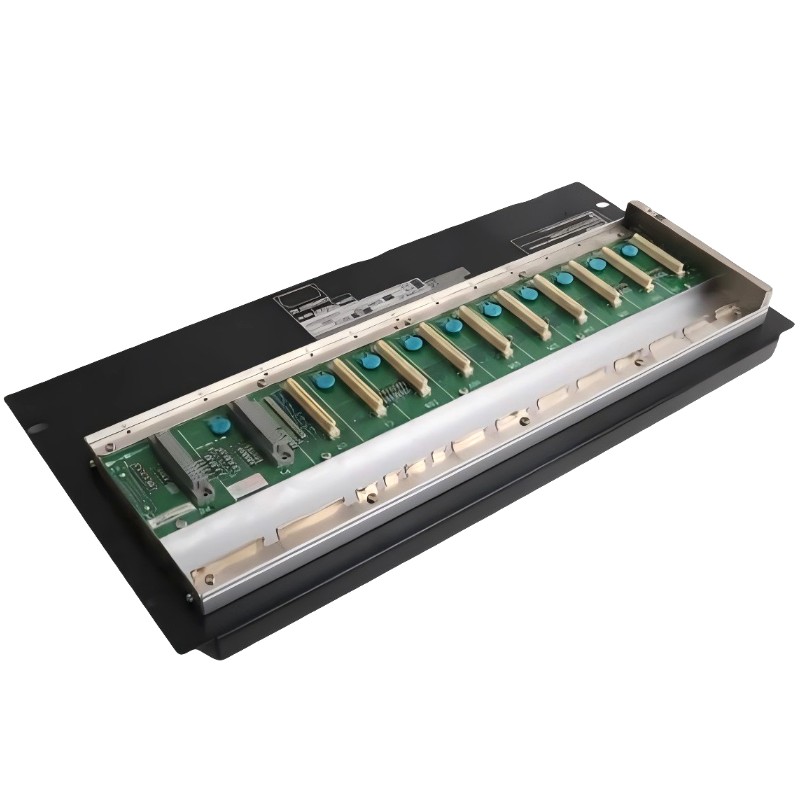
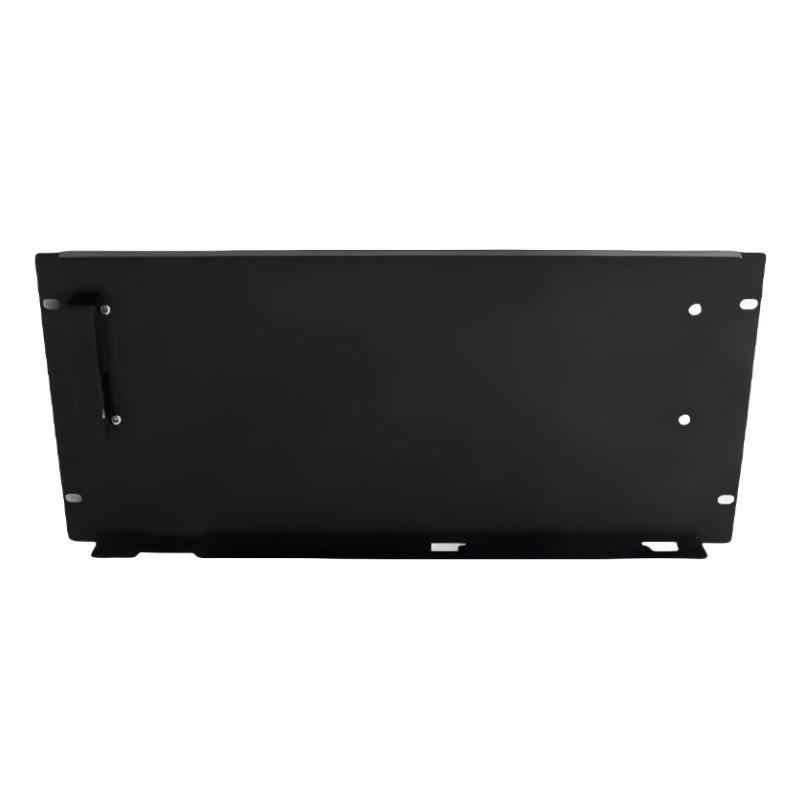
Yokogawa AFV30S-A41262 Field Control Unit
Applications in Plant-Wide Distributed Automation Systems (Applications)
The Yokogawa AFV30S-A41262 Field Control Unit is developed to handle field-level process control tasks within Yokogawa distributed control system environments. It operates as a core controller responsible for executing automation logic, processing field data, and maintaining communication between plant equipment and supervisory control systems.
Typical deployment scenarios include:
Oil refining facilities managing multiple process units
Petrochemical plants requiring stable distributed control
Power generation plants coordinating operational subsystems
Chemical manufacturing lines with complex process monitoring
Water treatment infrastructure operating automated control networks
Large industrial plants implementing plant-wide DCS architectures
With its integration into Yokogawa automation platforms, the unit helps ensure stable and coordinated operation across multiple production areas.
Operational Advantages (Advantages)
Efficient Field Control Processing
Designed to execute automation logic close to the process, improving system responsiveness.
Reliable Integration with Yokogawa Control Architecture
Works within Yokogawa distributed control systems to maintain consistent plant operations.
Stable Data Handling from Field Devices
Processes signals from sensors, transmitters, and I/O modules with dependable performance.
Designed for Continuous Industrial Operation
Supports long-term automation processes running in demanding production environments.
Adaptable to Expanding Control Systems
Suitable for facilities where automation infrastructure continues to grow.
Technical FAQs (Technical FAQs)
-
What is the main function of the AFV30S-A41262 Field Control Unit?
It performs field-level process control and manages communication with connected devices within a distributed control system.
-
Which systems commonly use this control unit?
It is designed for Yokogawa distributed control system platforms used in process industries.
-
Can this unit manage multiple process control loops?
Yes. It is built to support complex automation environments with numerous control tasks.
-
Does it operate in real-time industrial applications?
Yes. The unit processes field data and executes control commands continuously.
-
How does it support stable plant operations?
By maintaining consistent communication with field instrumentation and executing control logic reliably.
-
Is the control unit suitable for 24/7 process plants?
Yes. It is intended for continuous operation in industrial environments.
-
Does the unit include system monitoring features?
Yes. Diagnostic functions allow engineers to monitor operational conditions.
-
What types of devices interact with this field control unit?
Sensors, transmitters, and various I/O modules connected within the control system.
-
Which industries typically implement this module?
Oil and gas, petrochemical, power generation, chemical manufacturing, and water treatment industries.
-
Where does it sit within the control system structure?
It operates at the field control level, connecting process equipment with higher-level system management.
 A DCS Q Co., Ltd. - PLC and DCS Industrial Control Equipment Wholesale