Product Overview (Introduction)
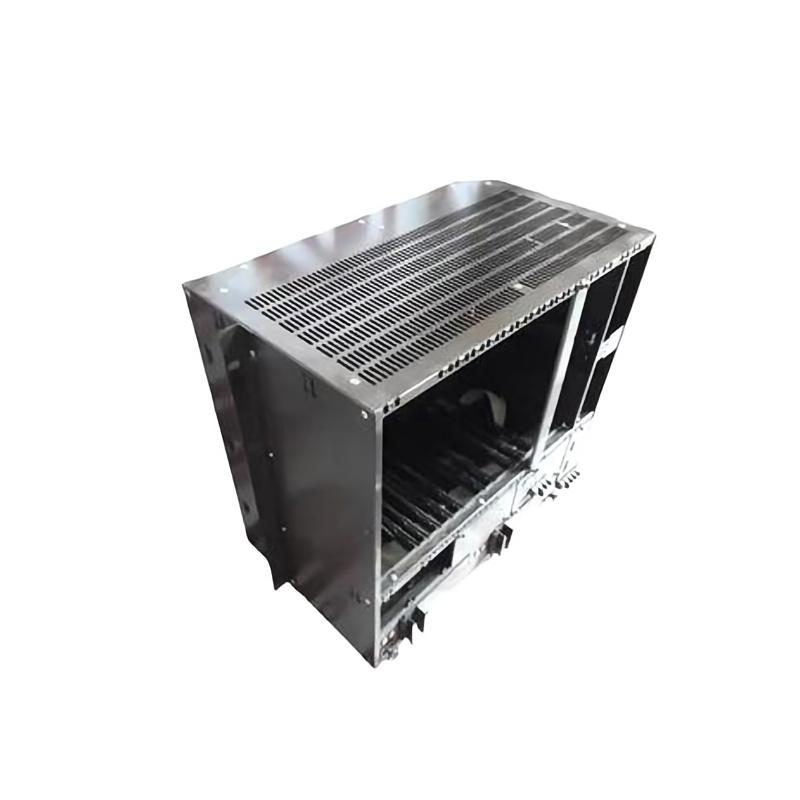
The Yokogawa AFS30D Duplex Field Control Unit is engineered for high-availability process automation systems where reliability and continuous control are essential. Within a distributed control system, it serves as a central control processor responsible for executing control logic and maintaining communication with field devices and higher-level systems.
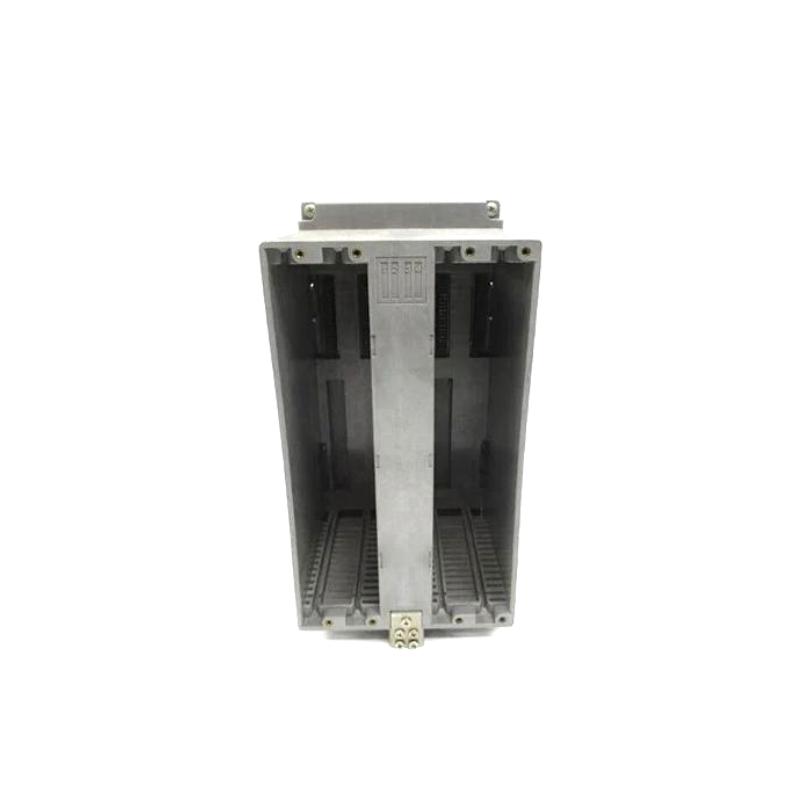
What differentiates this unit is its duplex configuration. In many industrial environments, unexpected downtime can lead to production loss or safety concerns. The AFS30D addresses this challenge by providing redundant processing capability, allowing control tasks to continue even if one processor becomes unavailable.
This design makes it particularly suitable for large-scale plants where system reliability, operational stability, and long-term performance are key priorities.
Technical Specifications
| Specification | Details |
|---|
| Manufacturer | Yokogawa |
| Model Number | AFS30D |
| Module Type | Duplex Field Control Unit |
| System Role | Field Control Processor |
| Architecture | Duplex Redundant Control |
| System Compatibility | Yokogawa Distributed Control Systems |
| Installation | Control System Cabinet / Rack |
| Operating Temperature | 0°C to 60°C |
| Storage Temperature | -20°C to 70°C |
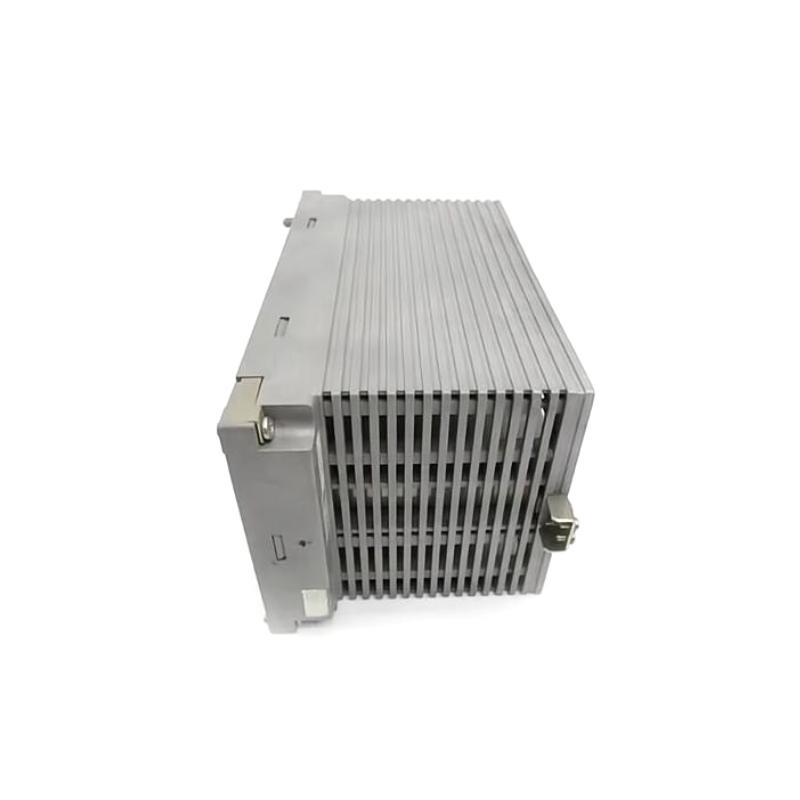
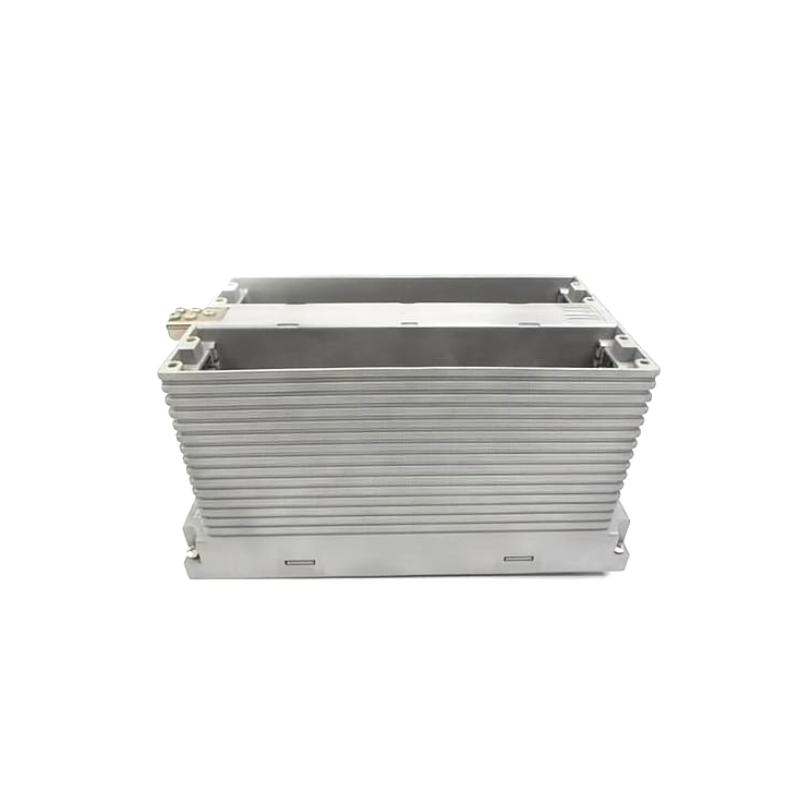
| Dimensions | 207 mm × 265.9 mm × 482.6 mm |
| Weight | 8 kg |
Operational Advantages (Advantages)
Redundant Duplex Architecture
The system uses dual control processors to maintain continuous operation even if one side experiences a fault.
High Reliability for Critical Processes
Designed for industries where control system availability is essential for safety and production continuity.
Seamless Integration with Yokogawa DCS Platforms
Works within Yokogawa control system environments to provide coordinated process management.
Stable Performance in Demanding Industrial Conditions
Built to maintain control accuracy and system communication under heavy workloads and harsh plant environments.
Supports Large-Scale Process Automation
Suitable for complex control strategies used in continuous production industries.
Technical FAQs (Technical FAQs)
-
What is the main function of the AFS30D Duplex Field Control Unit?
It manages process control tasks while providing redundancy to ensure uninterrupted operation in distributed control systems.
-
What does duplex configuration mean in this unit?
It refers to a redundant design where two control processors operate together to improve system availability.
-
Which control systems is this unit typically used with?
It is designed for Yokogawa distributed control system environments.
-
Can the unit continue operating if one processor fails?
Yes. The duplex architecture allows the backup processor to take over without interrupting process control.
-
Is the AFS30D suitable for mission-critical industries?
Yes. It is commonly used in industries such as oil & gas, chemical processing, and power generation.
-
Does the unit support real-time process control?
Yes. It is designed to handle continuous process monitoring and control tasks in real time.
-
How does the system maintain operational stability?
Through redundant processing, reliable communication with field devices, and stable system integration.
-
Can the control unit handle large process loads?
Yes. It is intended for complex industrial automation environments with multiple control loops.
-
Does the system support system diagnostics?
Yes. It provides monitoring capabilities that help engineers detect system conditions and maintain reliability.
-
What role does it play within a distributed control system architecture?
It acts as the core field-level control processor responsible for executing control strategies and coordinating process operations.
 A DCS Q Co., Ltd. - PLC and DCS Industrial Control Equipment Wholesale