Typical Deployment in Industrial Control
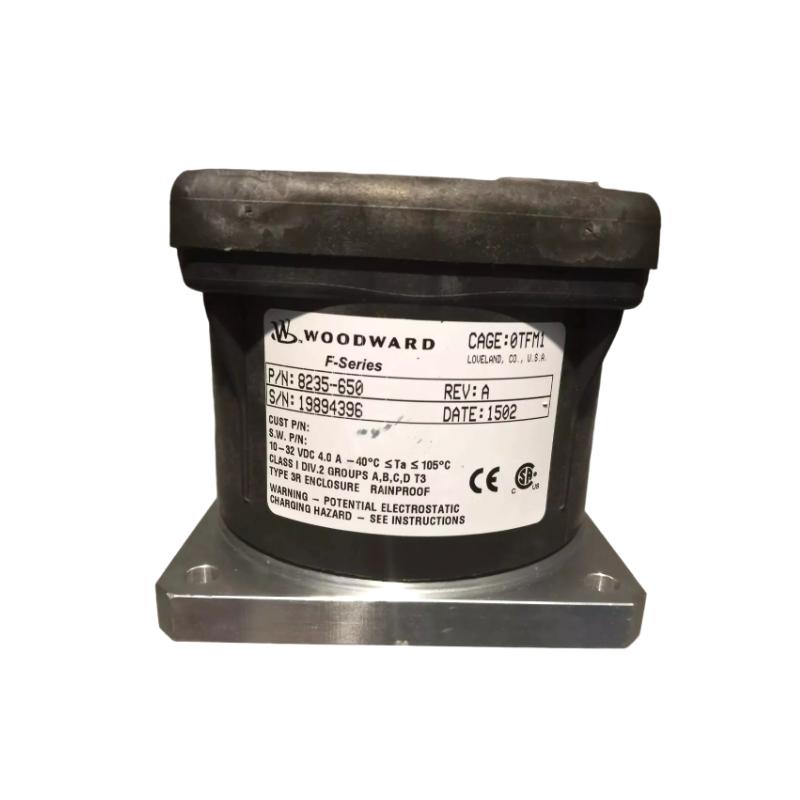
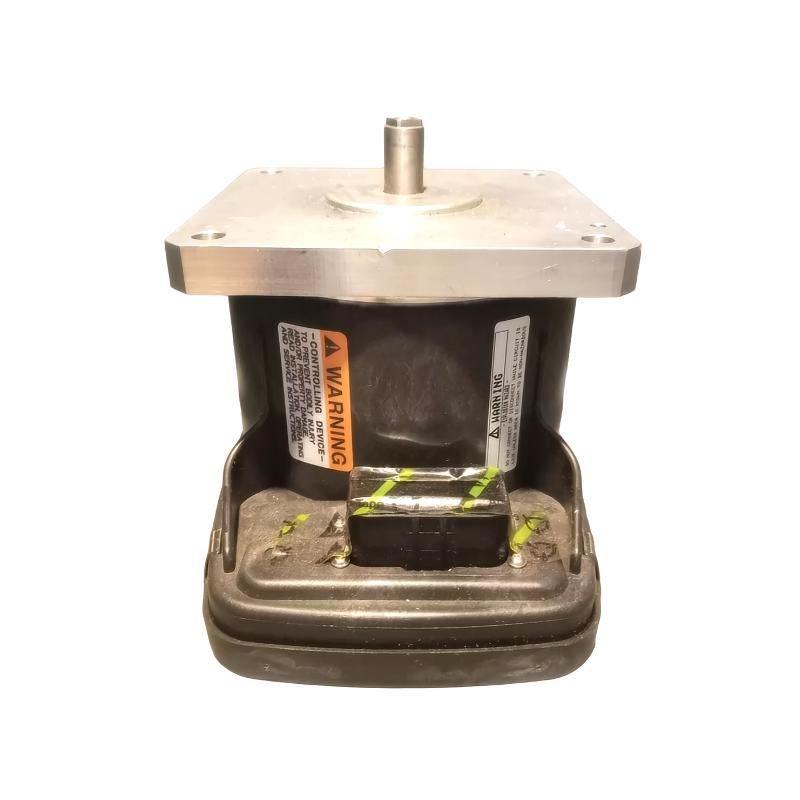
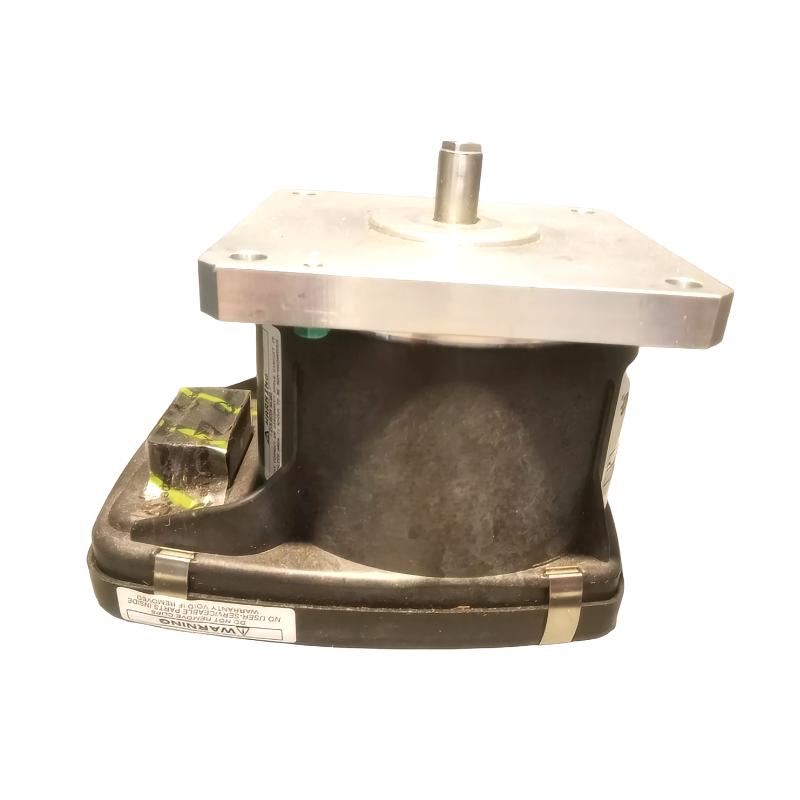
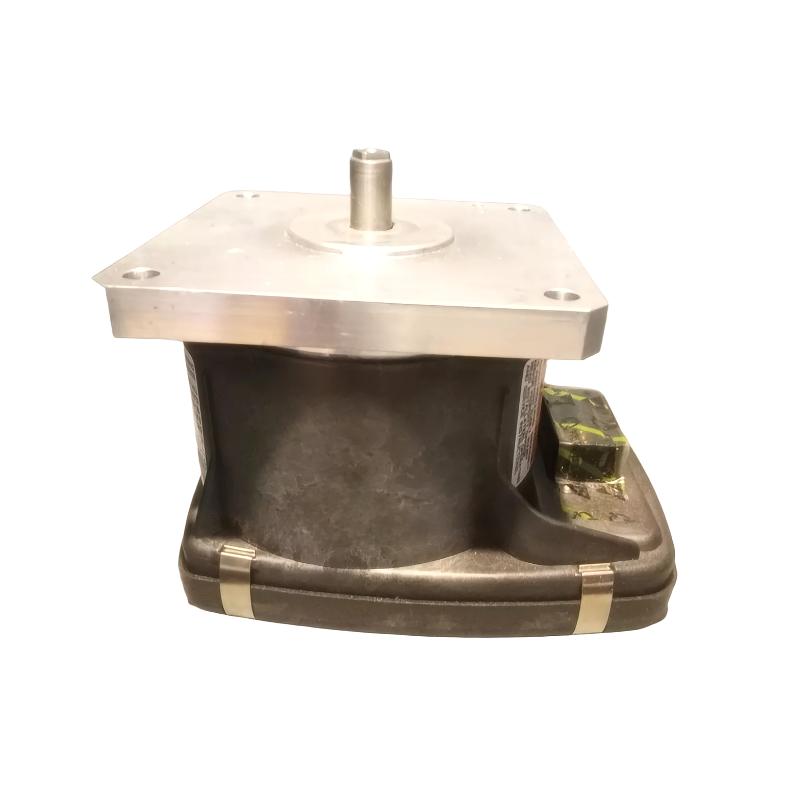
The Woodward 8235-650 Actuator is used in turbine and engine control systems where precise mechanical movement is required to regulate valves, fuel flow, or other process-critical components. It is commonly found in power plants, compressor stations, and industrial automation environments that rely on accurate actuator response to maintain stable operations.
Engineers install this actuator in control loops where motion accuracy and response reliability directly affect system performance, particularly in applications involving turbines, generators, and heavy-duty mechanical drive equipment.
Operational Advantages and Reliability
The actuator is designed to provide consistent movement control under demanding industrial conditions. Its construction supports stable mechanical output, allowing it to respond effectively to control signals from turbine or process controllers.
Another important advantage is durability. The unit is engineered to perform reliably in environments that involve continuous operation, vibration, and temperature variations, making it suitable for mission-critical infrastructure such as energy production and process industries.
Technical FAQs
-
What is the main function of the 8235-650 actuator?
It converts control signals into precise mechanical movement for regulating industrial equipment.
-
Is it suitable for turbine control systems?
Yes, it is commonly used to control turbine valves and related mechanisms.
-
Can it be integrated with digital control systems?
Yes, it operates with industrial controllers and turbine automation platforms.
-
Does it support continuous operation in power plants?
Yes, it is designed for long-duration industrial operation.
-
Can it improve response accuracy in control loops?
Yes, precise mechanical movement helps maintain stable process control.
-
Is it used in engine or compressor applications?
Yes, it is applicable in various mechanical drive and engine control systems.
-
Where is the actuator typically installed?
It is mounted near controlled valves or mechanical components within industrial systems.
-
Does it require integration with a controller?
Yes, it operates based on signals from control modules or governors.
-
Can it withstand industrial environmental conditions?
Yes, it is built for environments involving vibration and operational stress.
-
Is it suitable for system modernization projects?
Yes, it can be integrated into upgraded control architectures.
 A DCS Q Co., Ltd. - PLC and DCS Industrial Control Equipment Wholesale