Operational Deployment in Control Systems
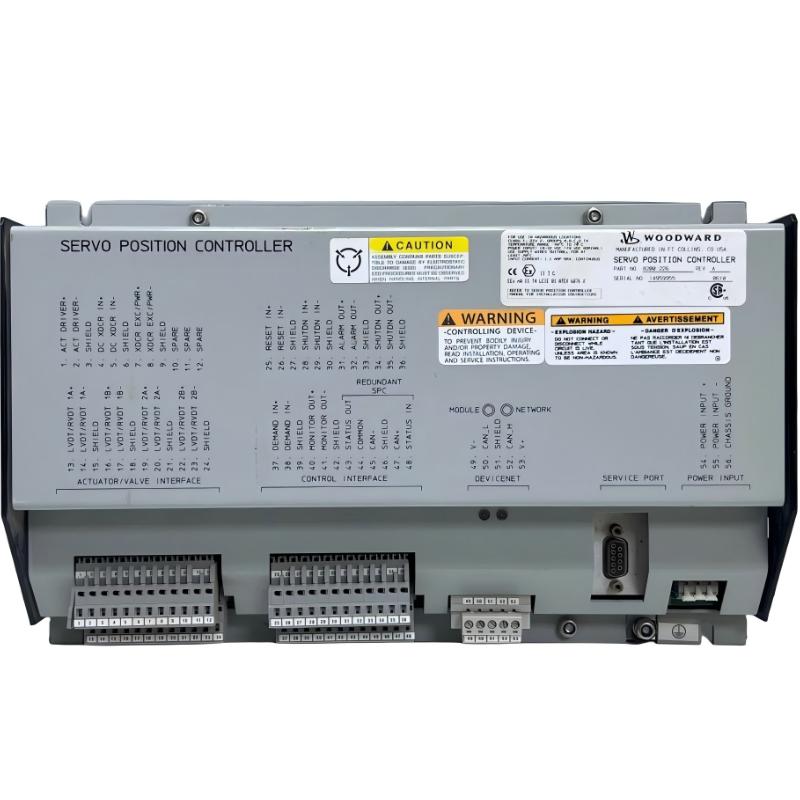
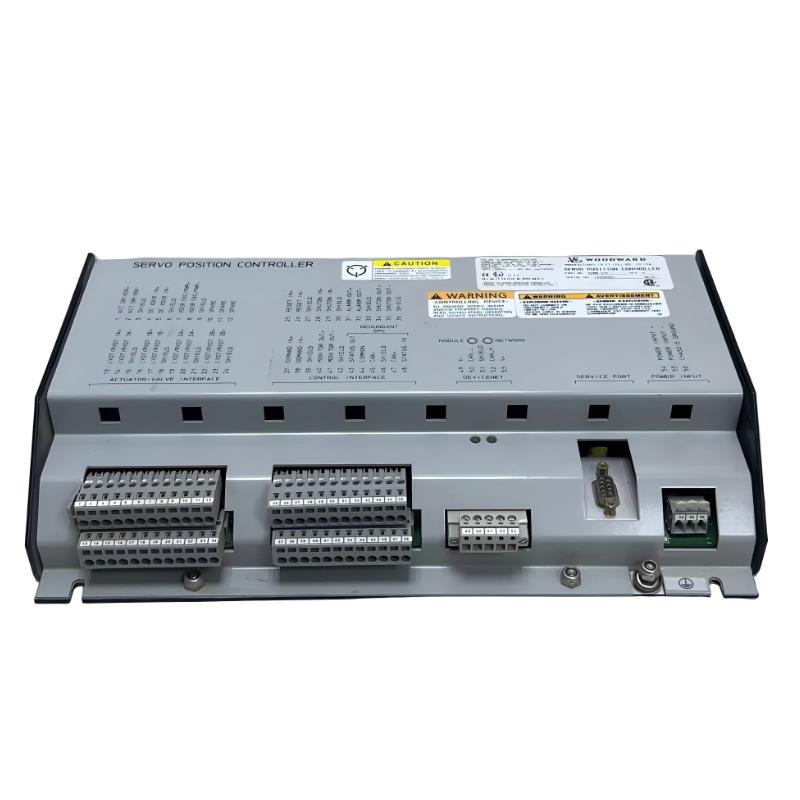
The Woodward 8200-226 Servo Position Controller is implemented in industrial control environments where accurate actuator positioning is required for stable system performance. It is commonly used in turbine control assemblies, valve regulation systems, and process automation setups that depend on precise servo movement and feedback-driven adjustments.
In many power generation and process plants, engineers install this controller to maintain controlled positioning of actuators that influence flow regulation, turbine performance, and mechanical system stability.
Engineering Benefits and Control Performance
This controller is designed to deliver consistent servo positioning accuracy across continuous industrial operation cycles. It processes position feedback signals and translates them into stable control actions, helping ensure smooth and responsive actuator behavior.
Another benefit is integration flexibility. The unit works effectively within broader automation architectures and can operate alongside other control modules, enabling coordinated process control in complex industrial systems.
Technical FAQs
-
What is the main function of the 8200-226 Servo Position Controller?
It controls actuator position using feedback-based servo regulation.
-
Is it suitable for turbine valve control applications?
Yes, it is commonly used for turbine valve and actuator positioning.
-
Does the controller support continuous industrial operation?
Yes, it is built for long-term operation in demanding environments.
-
Can it improve control precision in automation systems?
Yes, it helps maintain accurate positioning and stable process response.
-
Is integration possible with turbine automation systems?
Yes, it can operate within turbine and plant control architectures.
-
Does it rely on feedback signals from actuators?
Yes, the controller uses position feedback for accurate adjustments.
-
Where is this controller typically installed?
It is usually mounted inside industrial control cabinets or automation panels.
-
Can it assist in system upgrades or modernization projects?
Yes, it can be integrated into upgraded control systems.
-
Does it help maintain process stability?
Yes, precise actuator positioning contributes to stable operations.
-
Is it compatible with multi-module control systems?
Yes, it works alongside other modules within integrated control systems.
 A DCS Q Co., Ltd. - PLC and DCS Industrial Control Equipment Wholesale