Deployment in Precision Control Systems
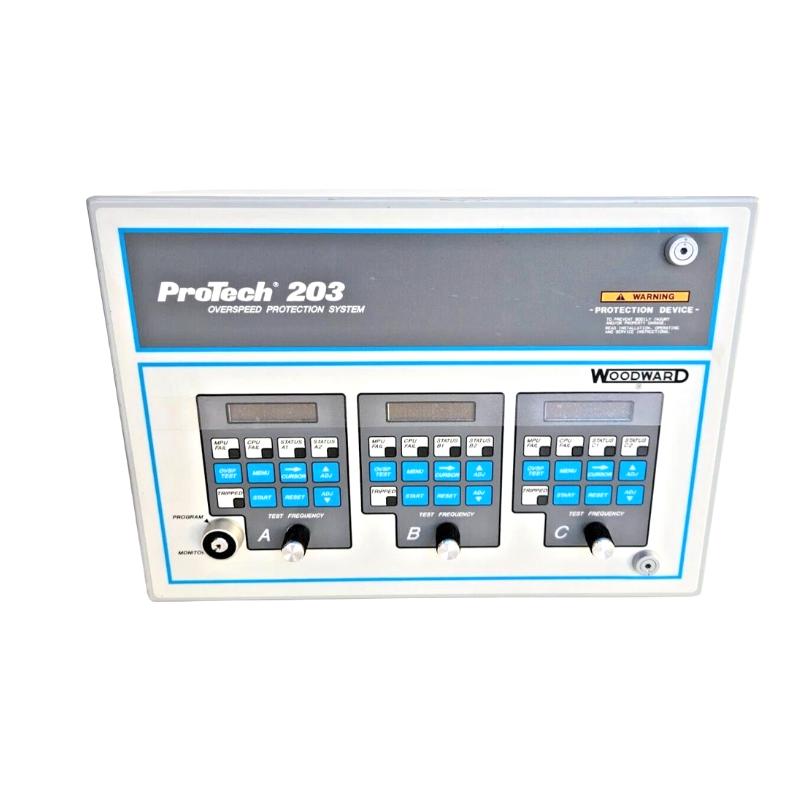
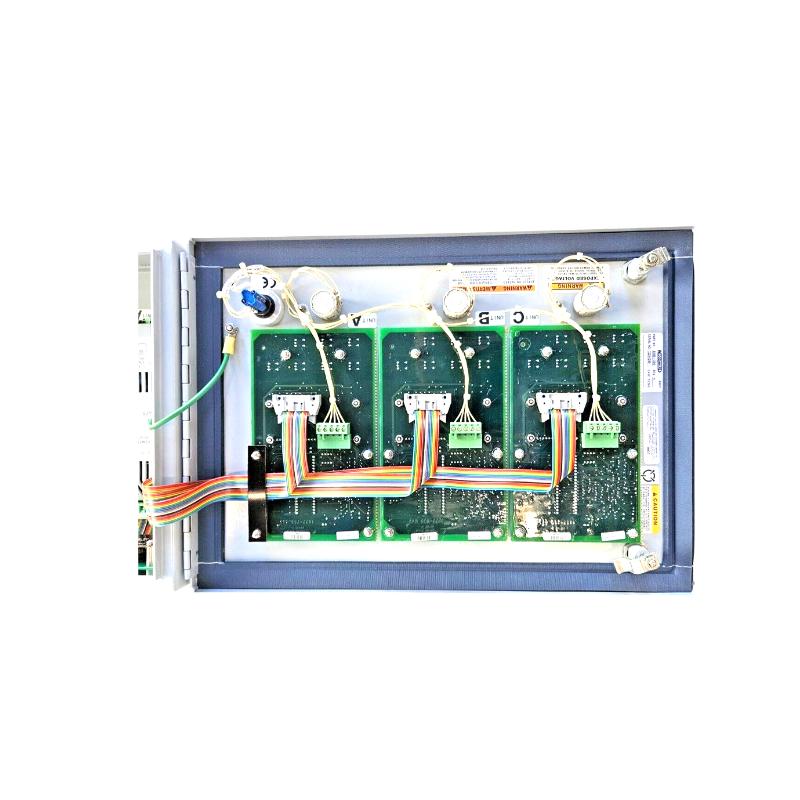
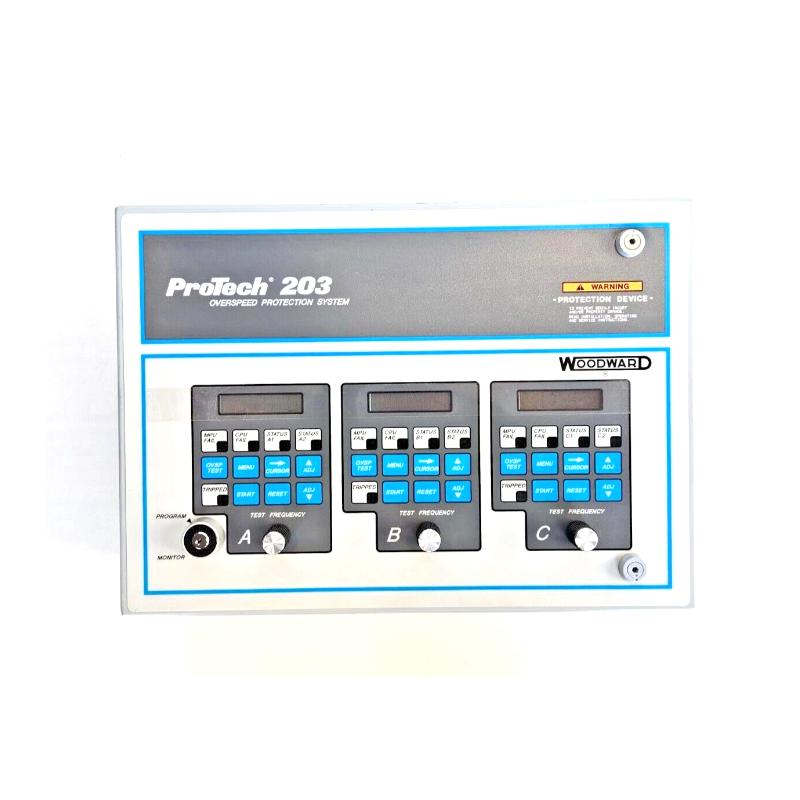
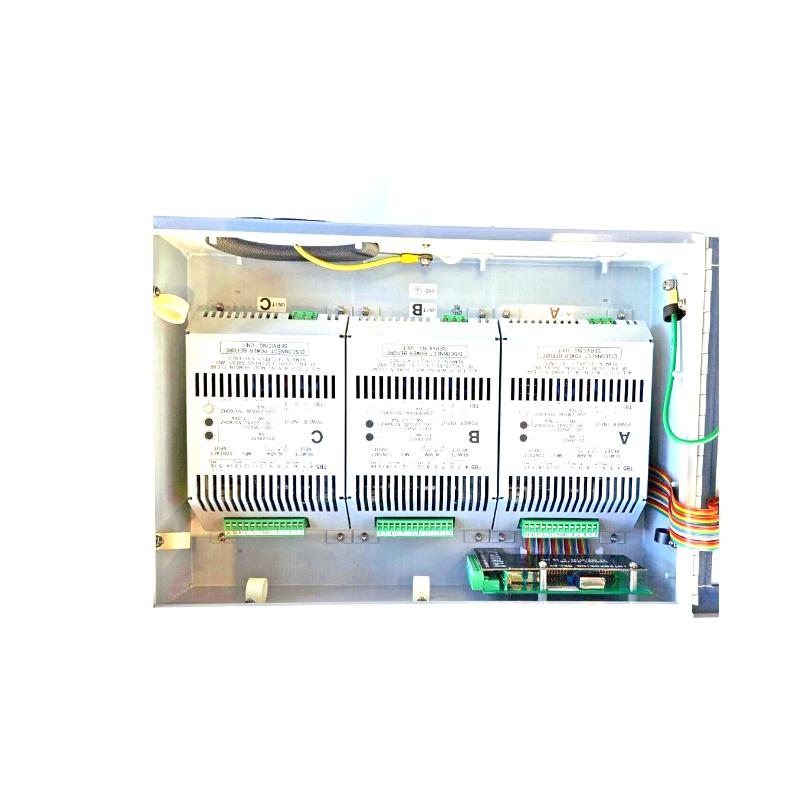
The Woodward 8200-205 Servo Position Controller is used in industrial automation environments where precise positioning and motion control are essential. It is commonly integrated into turbine regulation systems, actuator control platforms, and mechanical drive systems that require accurate servo positioning and feedback-based control.
In large power plants and process industries, engineers implement this controller to regulate valve positions, guide vane movements, and other actuator-driven mechanisms that influence process stability and efficiency.
Functional Strengths for Industrial Operation
The 8200-205 controller provides stable servo control performance by processing position feedback and issuing accurate control signals to connected actuators. Its design supports consistent response during dynamic operational changes, which is critical for systems such as turbine governing and process regulation.
Another advantage is system reliability. The controller is built for continuous industrial use, maintaining consistent performance in environments that may involve electrical interference, long operational cycles, and demanding control requirements.
Technical FAQs
-
What is the primary role of the 8200-205 controller?
It manages servo actuator positioning within industrial control systems.
-
Can it be used for turbine valve positioning?
Yes, it is commonly applied in turbine and process valve control.
-
Does it support feedback-based positioning?
Yes, the controller operates using position feedback signals from connected devices.
-
Is it suitable for continuous industrial operation?
Yes, it is designed for long-term operation in demanding environments.
-
Can it improve control accuracy in automation systems?
Yes, it provides precise positioning to support stable process control.
-
Is integration possible with turbine automation platforms?
Yes, it can operate within turbine and plant control architectures.
-
Does it assist in maintaining system stability?
Yes, accurate servo control helps stabilize mechanical and process operations.
-
Where is the module typically installed?
It is usually mounted in control cabinets or dedicated turbine control panels.
-
Can it support modernization of legacy systems?
Yes, it is often used when upgrading control strategies in industrial plants.
-
Does it allow coordination with other control modules?
Yes, it can operate alongside other controllers within a broader automation system.
 A DCS Q Co., Ltd. - PLC and DCS Industrial Control Equipment Wholesale