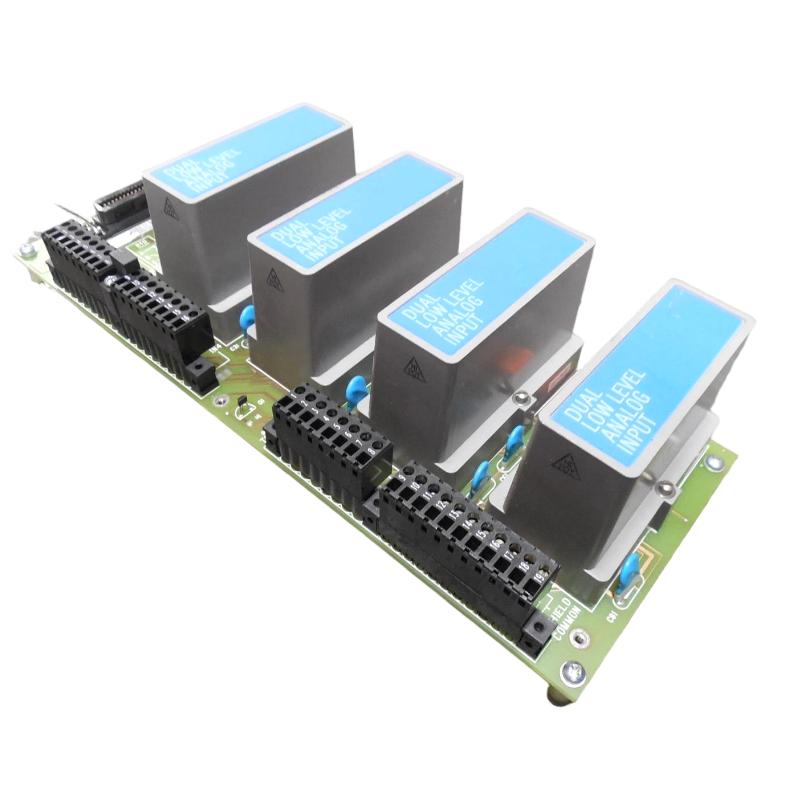
Introduction
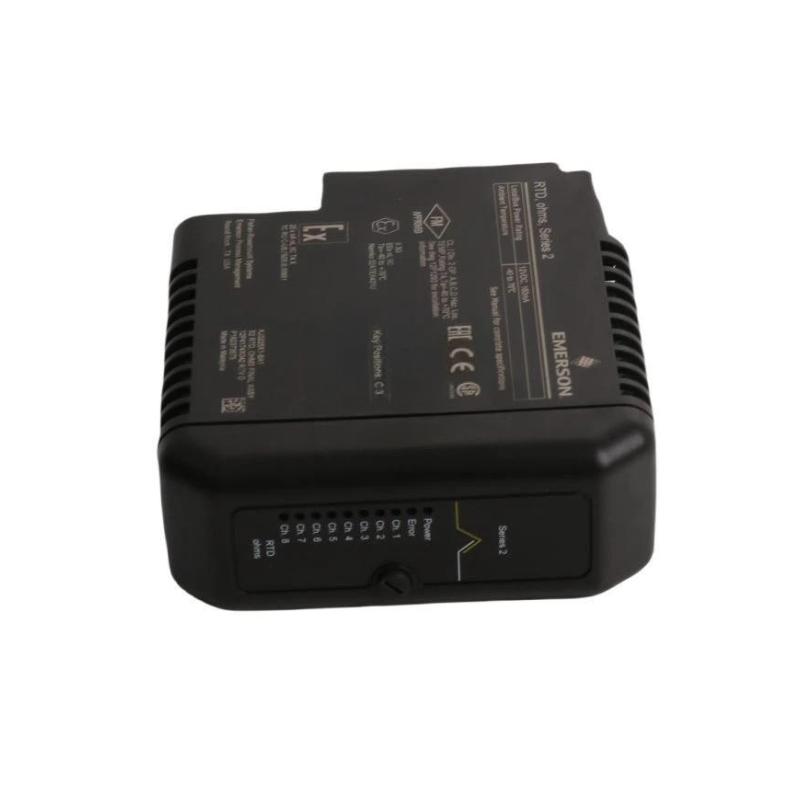
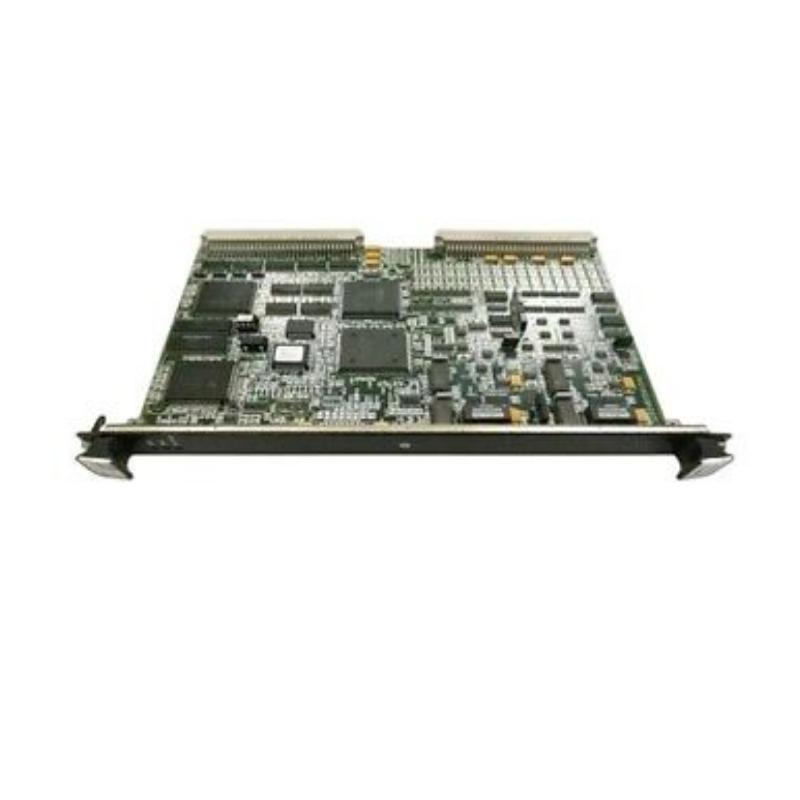
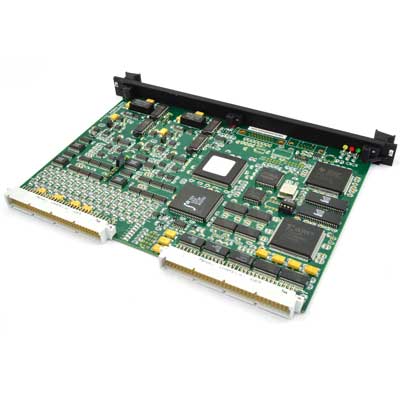
The GE IS200VRTDH1D RTD Input Board is a robust and precision‑engineered module designed to interface resistance temperature devices (RTDs) with industrial control systems. As part of GE’s versatile automation platform, this input board converts RTD signals into reliable digital data that can be processed by PLCs, DCS units, or monitoring systems. Built for high noise immunity, stable performance, and long‑term reliability, it supports critical temperature monitoring applications across manufacturing, power, and process industries.
Technical Specifications
| Parameter | Specification |
|---|
| Model | IS200VRTDH1D |
| Board Type | RTD Input Board |
| Supported Sensor | Platinum RTD (Pt100 / Pt1000) |
| Input Channels | 4 differential RTD inputs |
| Measurement Range | -200°C to +850°C (sensor dependent) |
| Resolution | 0.1°C equivalent or better |
| Sampling Rate | 10–50 samples per second per channel |
| A/D Converter | High‑precision sigma‑delta |
| Signal Conditioning | Lead compensation, filtering |
| Isolation | Channel‑to‑board isolation (industry standard) |
| Communication | System backplane bus interface |
| Operating Voltage | Standard system backplane supply |
| Operating Temperature | 0°C to +60°C |
| Storage Temperature | -40°C to +85°C |
| Board Dimensions | Standard module rack form factor |
| Weight | Approx. 0.15 kg |
Applications
The IS200VRTDH1D RTD Input Board enables accurate temperature acquisition in a wide range of industrial systems:
-
Chemical and petrochemical process controls
-
Steam boiler and heat exchanger monitoring
-
HVAC control systems
-
Power generation temperature feedback loops
-
Food and pharmaceutical thermal processing
Its multi‑channel input capability makes it suitable for plants requiring simultaneous monitoring from multiple RTD sensors, enhancing visibility into thermal conditions across production assets.
Advantages
This GE RTD input board delivers several benefits that support industrial performance and maintainability:
-
High Accuracy: Advanced signal conditioning and high‑resolution conversion ensure precise temperature readings, reducing process variability and alarm noise.
-
Multi‑Channel Support: Four differential RTD inputs allow efficient scaling, reducing the need for multiple discrete modules.
-
Lead Compensation: Embedded lead resistance compensation improves real‑world accuracy when field wiring is long.
-
Noise Immunity: Industrial‑grade isolation and filtering protect measurements in electrically noisy environments.
-
System Integration: Designed for seamless backplane integration, the board simplifies installation and maintenance with GE automation hardware.
-
Reliable Performance: Durable design withstands extended operation and thermal cycling common to industrial sites.
These features make the board ideal for facility managers and automation engineers seeking dependable temperature data in complex systems.
Technical FAQs
1. What types of RTD sensors can be connected to this board?
Standard platinum RTD sensors such as Pt100 and Pt1000.
2. How many input channels does the board support?
Four differential RTD inputs.
3. What is the typical temperature measurement range?
-200°C to +850°C, depending on sensor type and system scaling.
4. Does the board support lead wire compensation?
Yes, it includes lead compensation to improve accuracy with long field runs.
5. What kind of noise protection does it offer?
It features industrial‑grade isolation and filtering to mitigate electrical interference.
6. Is this board hot‑swappable?
It depends on the host rack system; consult system design guidelines.
7. Can it be used in high‑temperature environments?
The board operates within standard industrial ambient temperatures; remote RTDs can monitor elevated process temperatures.
8. What interface does the board use to communicate with the controller?
It uses the system backplane bus interface for digital signal transfer.
9. Does this board provide diagnostic feedback?
Yes, most applications provide open‑wire and sensor fault diagnostics through system software.
10. Is calibration required?
Periodic calibration may be performed via system tools to maintain long‑term measurement integrity, depending on application criticality.
 A DCS Q Co., Ltd. - PLC and DCS Industrial Control Equipment Wholesale