Introduction
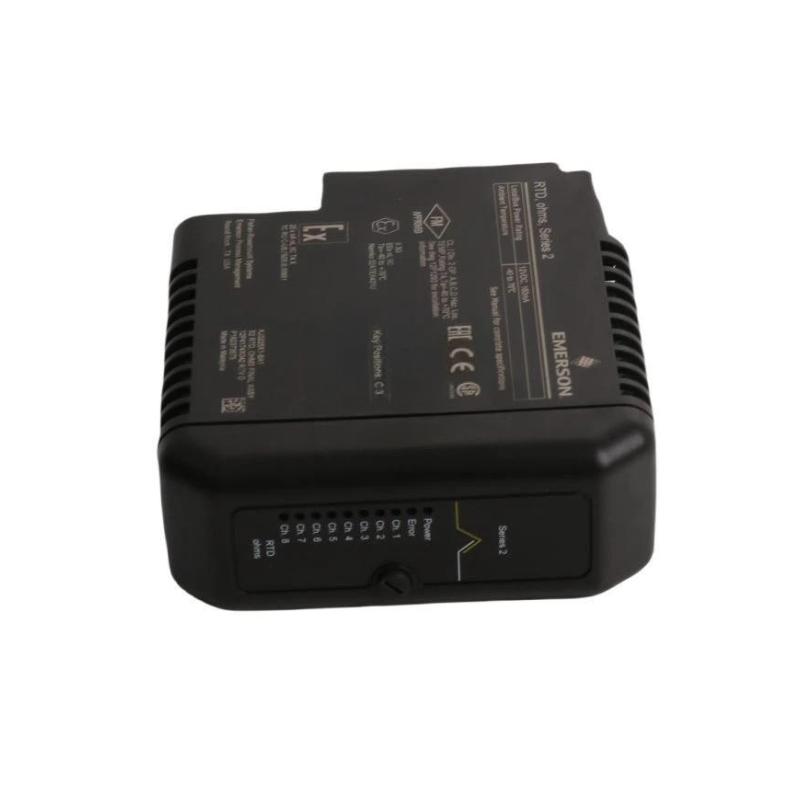
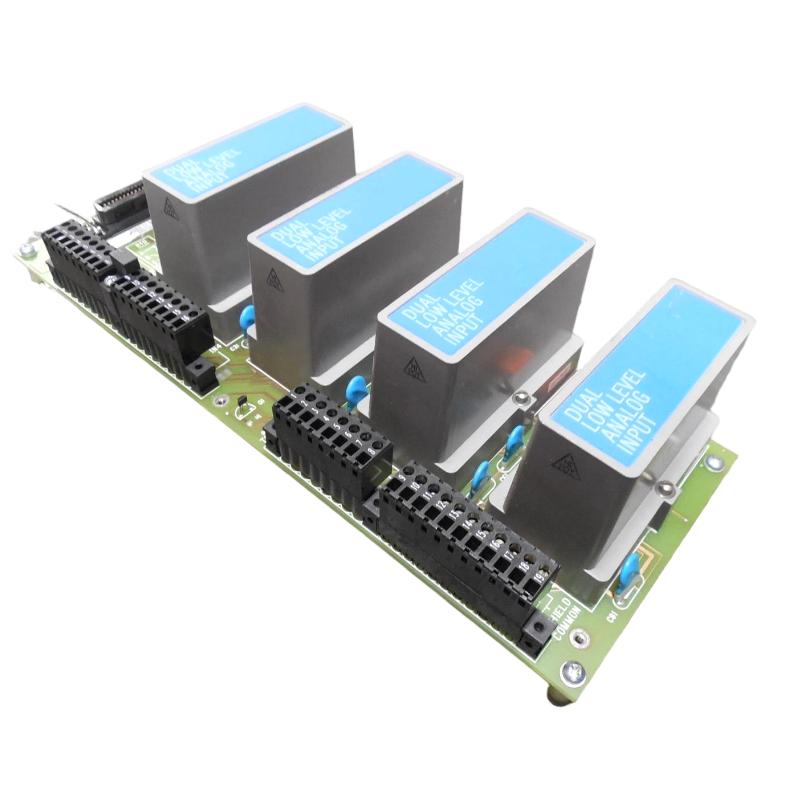
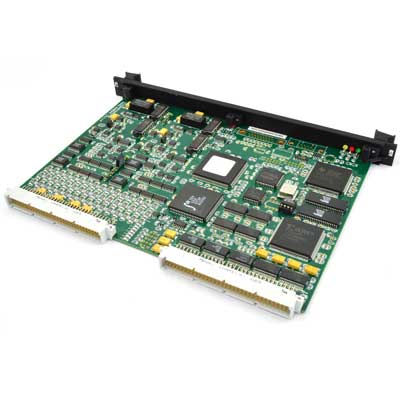
The GE IS200VRTDH1DAB Resistance Temperature Device (RTD) is a precision temperature sensing instrument designed for industrial process control and monitoring. Engineered to deliver accurate, stable temperature measurements across a wide range of environments, this RTD is built to meet the rigorous demands of automation, energy, and manufacturing systems. Its robust construction and reliable electrical characteristics make it a trusted choice for engineers seeking dependable temperature feedback in mission‑critical applications.
Technical Specifications
| Parameter | Specification |
|---|
| Model | IS200VRTDH1DAB |
| Type | Resistance Temperature Device (RTD) |
| Sensor Element | Platinum (Pt100) |
| Resistance | 100 Ω at 0°C |
| Temperature Range | -50°C to +250°C |
| Accuracy Class | Class A (±0.15°C at 0°C) |
| Lead Configuration | 3‑wire |
| Conductor Material | Tinned copper or equivalent |
| Sheath Material | Stainless steel |
| Sheath Diameter | Approx. 6 mm |
| Insertion Length | 150 mm |
| Connection Head | Standard industrial head |
| Operating Pressure | Up to 10 bar (varies with installation) |
| Weight | Approx. 0.12 kg |
Applications
The IS200VRTDH1DAB RTD is widely used in diverse industrial systems where precise temperature data is essential:
-
Process control in chemical and petrochemical plants
-
Steam and heat exchanger monitoring
-
HVAC systems and industrial climate control
-
Power generation and turbine temperature measurement
-
Food and beverage processing
Its versatility and accuracy make it suitable for both continuous process monitoring and safety‑related temperature feedback loops in control systems.
Advantages
This GE RTD stands out for its stable, linear response over a broad temperature range. Platinum RTD elements such as Pt100 are renowned for their repeatability and low drift, providing engineers with consistent, trustworthy data over prolonged service life.
The stainless‑steel sheath protects the sensing element against mechanical damage and corrosion, ensuring long‑term durability. The 3‑wire configuration minimizes lead resistance errors, improving measurement accuracy in field installations.
Engineered for industrial environments, the IS200VRTDH1DAB offers reliable performance even under vibration, thermal cycling, and fluctuating process conditions. It integrates easily with PLCs, DCS systems, and temperature transmitters, making it an adaptable solution across automation platforms.
Technical FAQs
1. What does RTD stand for?
RTD stands for Resistance Temperature Device, a sensor that measures temperature by correlating resistance changes with temperature variations.
2. What type of RTD element is used?
This model uses a platinum Pt100 element.
3. What is the operating temperature range?
Approximately –50°C to +250°C.
4. What accuracy class does it meet?
Class A accuracy (±0.15°C at 0°C).
5. Why is a 3‑wire configuration used?
The 3‑wire configuration reduces measurement errors due to lead resistance.
6. What sheath material is provided?
A stainless‑steel sheath for industrial durability.
7. Can this RTD be connected to a PLC?
Yes, it can interface with PLCs, DCS systems, or temperature transmitters.
8. What industries typically use this sensor?
Commonly used in chemical processing, power plants, HVAC, and food processing.
9. Does this model require calibration?
Periodic calibration is recommended for mission‑critical applications to maintain accuracy.
10. What is the typical insertion length?
Approximately 150 mm, suitable for many industrial process applications.
 A DCS Q Co., Ltd. - PLC and DCS Industrial Control Equipment Wholesale