Application Scenarios in Industrial Machinery
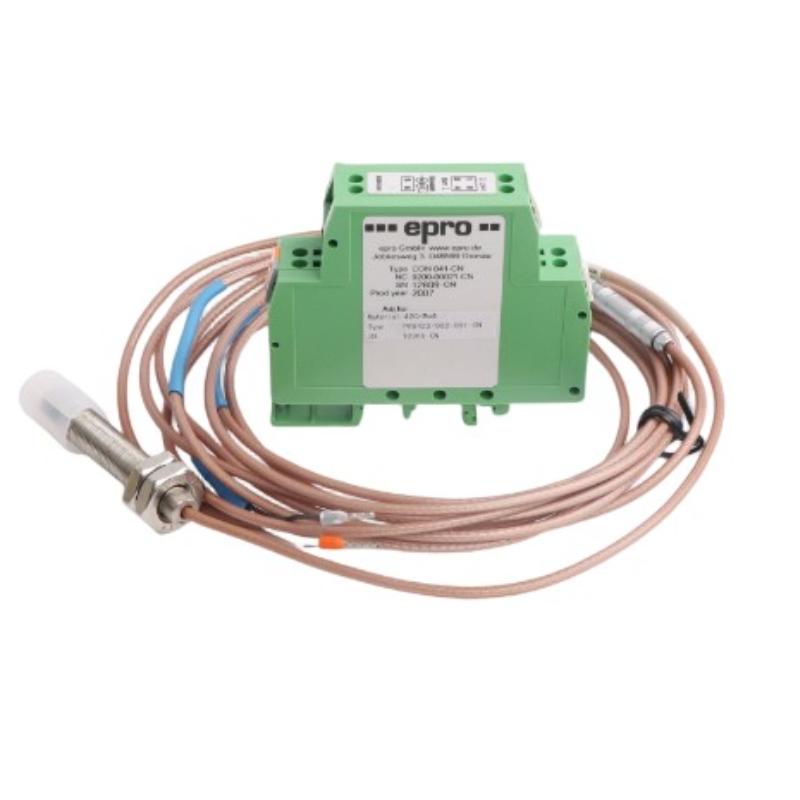
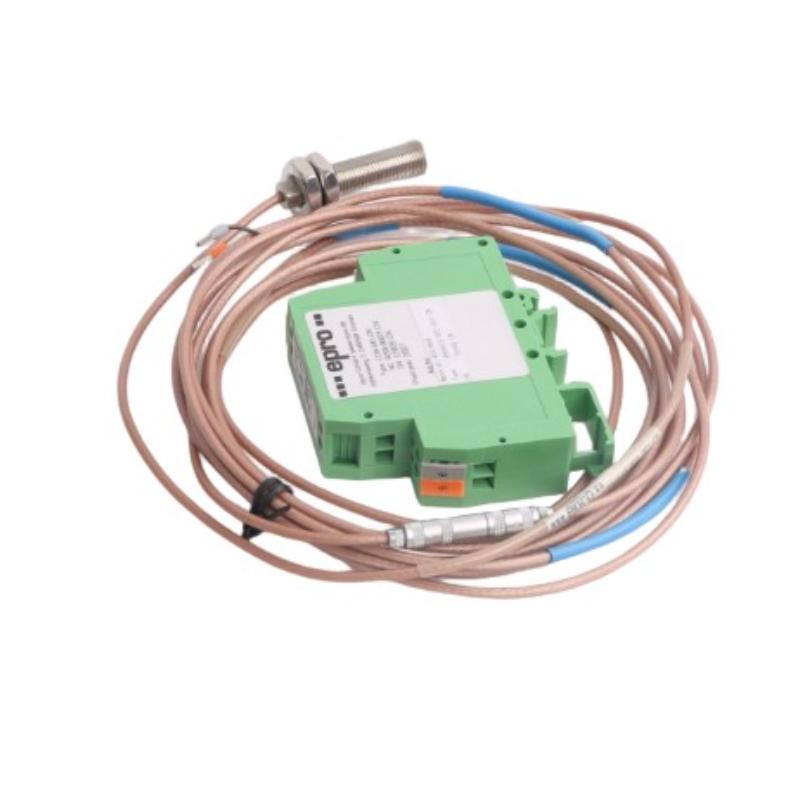
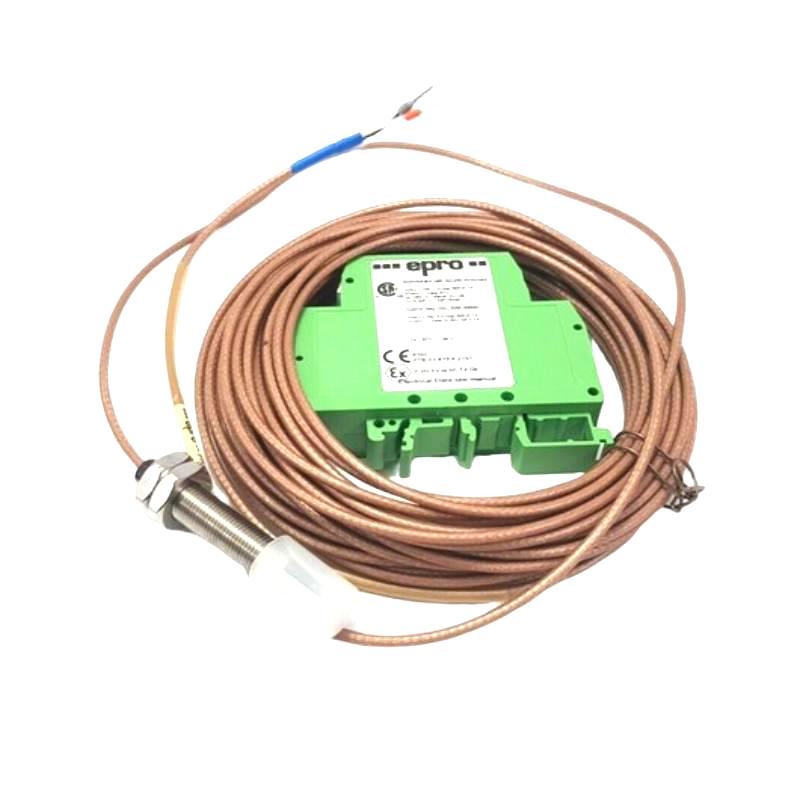
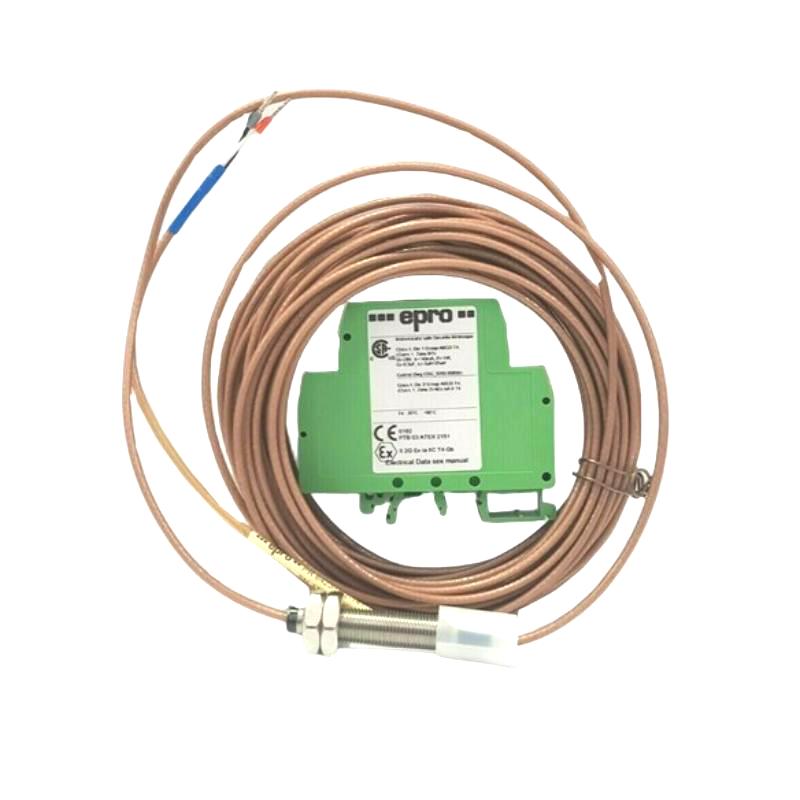
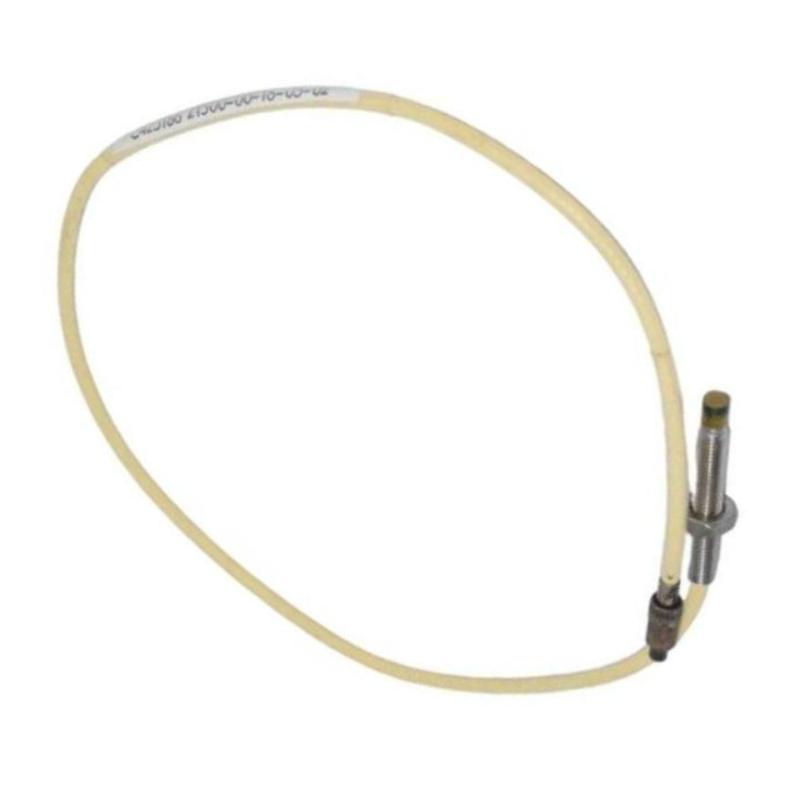
The Epro PR6423/002-001 Eddy Current Sensor is widely employed in condition monitoring systems for rotating equipment. It is typically installed on turbines, compressors, large motors, and pumps to continuously measure shaft displacement and vibration.
This sensor is especially useful in high-speed machinery where non-contact measurement is required to prevent mechanical wear. Engineering teams integrate it into machinery protection systems and predictive maintenance programs to detect early-stage misalignment, imbalance, or bearing degradation, minimizing unplanned downtime.
Advantages in Practical Use
The PR6423/002-001 model offers stable and precise measurements due to its eddy current sensing principle. Because it operates without physical contact with the shaft, it maintains accuracy even under high rotational speeds and heavy load conditions.
Its 8 mm sensor head diameter allows for installation in compact spaces near bearing housings or shafts, making it ideal for both retrofit projects and new equipment installations. Engineers also benefit from its compatibility with condition monitoring systems, providing reliable data for vibration analysis, trend tracking, and machine protection alerts.
Technical FAQs
-
What measurements does the PR6423/002-001 provide?
Shaft displacement and vibration using non-contact eddy current technology.
-
Is it suitable for continuous monitoring?
Yes, designed for long-term installation in machine protection and condition monitoring systems.
-
How does it perform in high-speed rotating equipment?
Eddy current sensing ensures fast response and accurate tracking at high shaft speeds.
-
Can it operate in environments with high mechanical vibration?
Yes, proper mounting and alignment maintain signal stability.
-
What types of equipment commonly use this sensor?
Turbines, compressors, pumps, and large industrial motors.
-
Does it require calibration?
Yes, calibration ensures the sensor operates within its linear measurement range.
-
Can it be integrated with other vibration sensors?
Yes, multiple sensors can monitor different directions of shaft movement simultaneously.
-
How is signal integrity maintained?
Shielded cables, proper grounding, and correct probe installation help maintain accurate signals.
-
Is it suitable for predictive maintenance programs?
Yes, it provides reliable data for trend analysis and early fault detection.
-
What installation factors are critical for accurate performance?
Correct probe gap, rigid mounting, alignment with the shaft, and proper shielding.
 A DCS Q Co., Ltd. - PLC and DCS Industrial Control Equipment Wholesale