Product Insight
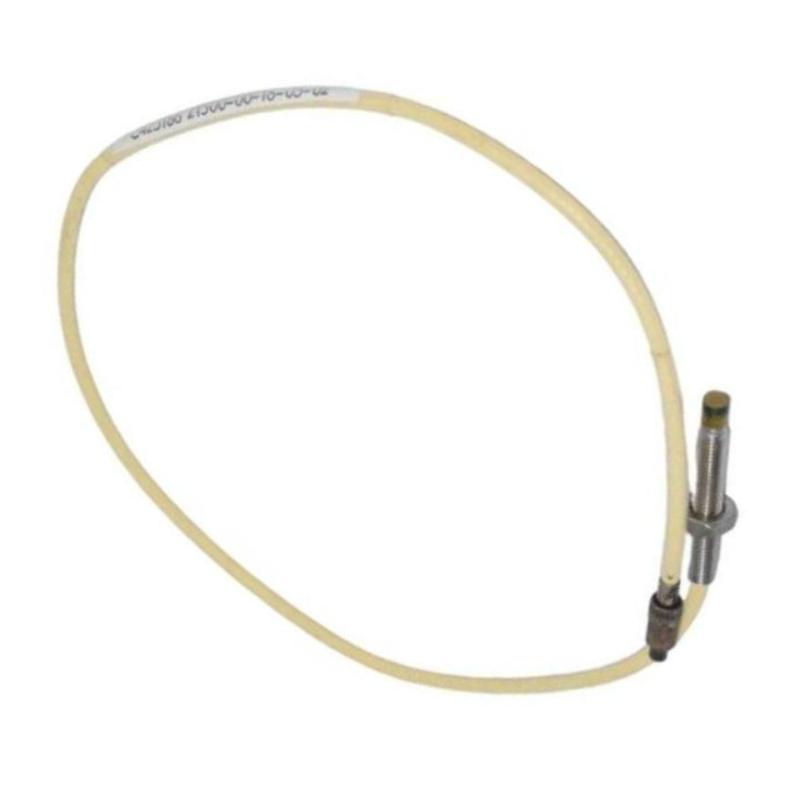
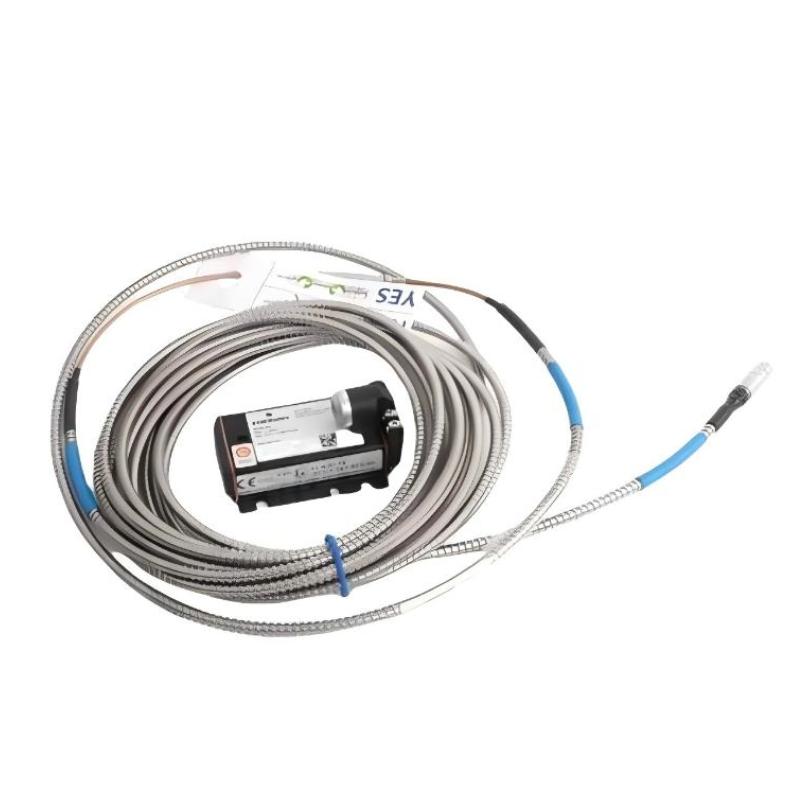
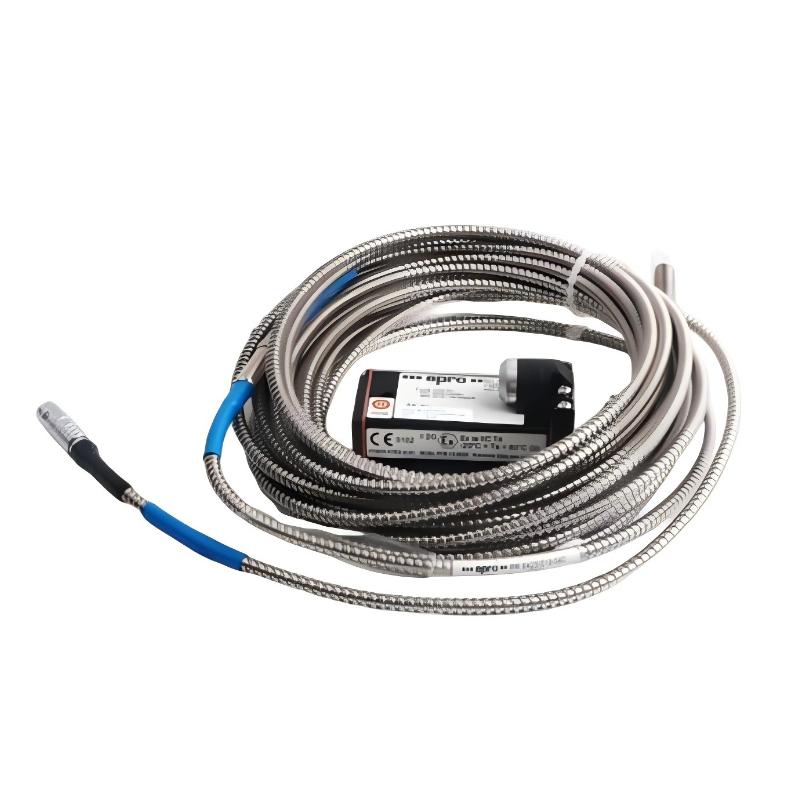
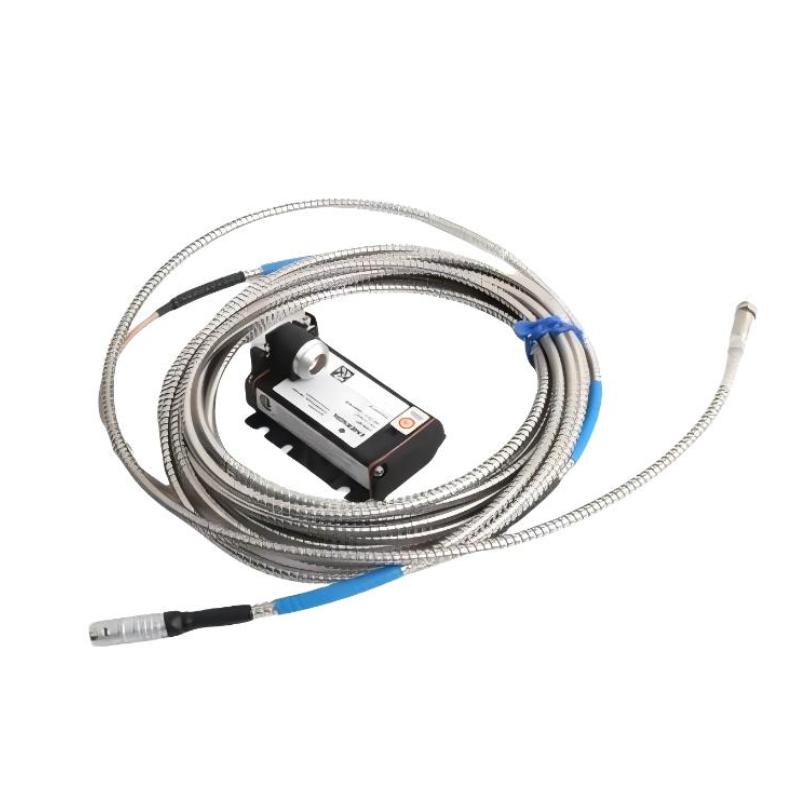
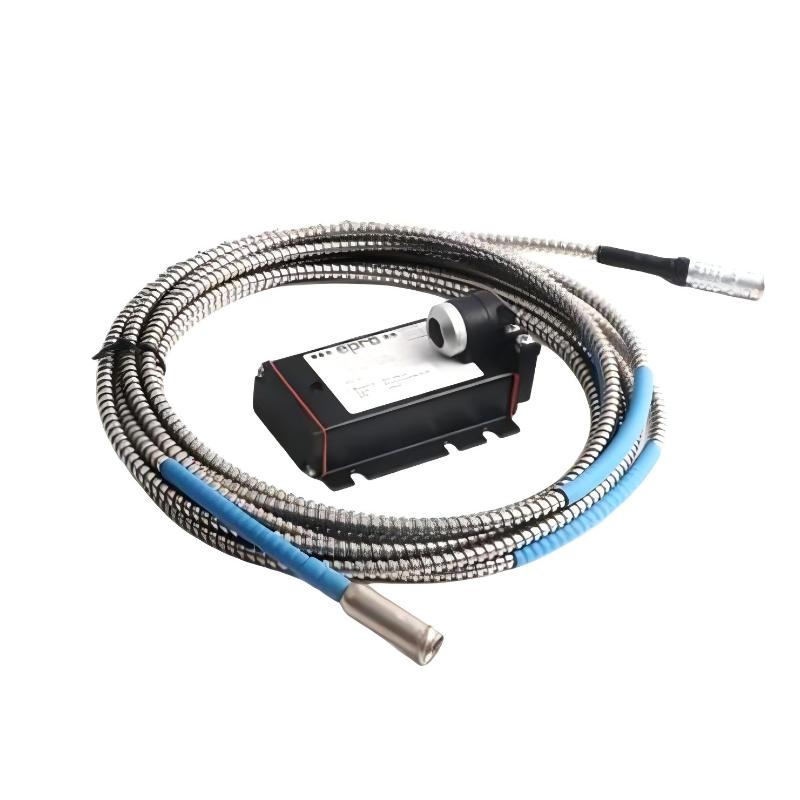
The Epro PR6423/002-000 9200-00006N Eddy Current Sensor is engineered for precision monitoring of shaft movement in industrial rotating machinery. Sensors in this category are essential components within advanced machinery protection frameworks, where reliable vibration measurement contributes directly to equipment safety and operational efficiency.
From a technical standpoint, this model offers a compact design combined with dependable sensing technology, making it well suited for applications where installation space is limited but measurement accuracy remains critical.
Technical Specifications
| Parameter | Specification |
|---|
| Manufacturer | Epro |
| Model | PR6423/002-000 9200-00006N |
| Module Type | Eddy Current Sensor |
| Sensor Head Diameter | 8 mm |
| Measurement Principle | Non-contact eddy current sensing |
| Primary Application | Shaft vibration and displacement monitoring |
| Typical Industry Use | Turbines, compressors, industrial rotating equipment |
| System Integration | Condition monitoring and machine protection systems |
| Dimensions | Sensor head diameter: 8 mm |
| Weight | 0.1 kg (0.22046 lb) |
Industrial Application Perspectives
The Epro PR6423/002-000 9200-00006N Eddy Current Sensor is typically installed in monitoring systems that supervise the mechanical condition of rotating equipment. In large industrial operations such as power generation units, petrochemical processing plants, and high-speed compressor stations, this sensor is used to observe shaft displacement and vibration behavior continuously.
It is frequently mounted near bearing housings or shaft monitoring points where precise non-contact measurement is required. Many engineering teams implement this sensor in machinery protection architectures where early detection of abnormal movement helps prevent equipment damage and unplanned shutdowns.
Functional Advantages in Practical Operation
One of the primary advantages of this sensor model is the stability of the eddy current measurement principle, which enables reliable monitoring even when equipment operates under heavy load or continuous production cycles. Because it does not require physical contact with the rotating shaft, long-term operation is possible without mechanical wear affecting measurement quality.
The 8 mm sensor head diameter allows engineers to install the sensor in compact mechanical layouts, which is often necessary in turbines, compressors, and other tightly engineered systems. This makes it particularly useful in both new installations and retrofit monitoring projects.
Additionally, the sensor supports integration into comprehensive condition monitoring systems, where its data contributes to vibration analysis, trend monitoring, and predictive maintenance strategies.
Technical FAQs
-
What is the primary function of the PR6423/002-000 sensor in machinery monitoring?
It measures shaft displacement and vibration using non-contact eddy current technology.
-
Is this sensor suitable for continuous condition monitoring systems?
Yes, it is designed for permanent installation in systems that track machine health in real time.
-
How does the sensor respond to rapid shaft movement?
The eddy current sensing method provides fast response characteristics suitable for high-speed machinery.
-
Can the sensor operate in environments with strong mechanical vibration?
Yes, when mounted correctly, it maintains stable output signals in typical industrial vibration conditions.
-
What type of rotating equipment commonly uses this sensor?
Turbines, compressors, pumps, and large motors are among the most common applications.
-
Does the sensor require calibration during commissioning?
Yes, proper system calibration ensures that displacement measurements fall within the expected linear range.
-
How is signal quality maintained over long cable runs?
Shielded cabling and proper grounding practices help maintain accurate signal transmission.
-
Can this sensor be used alongside other vibration sensors on the same machine?
Yes, multiple sensors are often installed to monitor shaft behavior in different directions.
-
Is the sensor compatible with machine protection systems that trigger alarms?
Yes, it can provide the necessary vibration signals used by monitoring systems for alarm and shutdown logic.
-
What factors are important for optimal installation?
Correct probe positioning, rigid mounting, proper gap adjustment, and electromagnetic shielding are key factors.
 A DCS Q Co., Ltd. - PLC and DCS Industrial Control Equipment Wholesale