Your Trusted PLC & DCS Supplier!
100% Original, Ready to Ship!

Epro PLC/

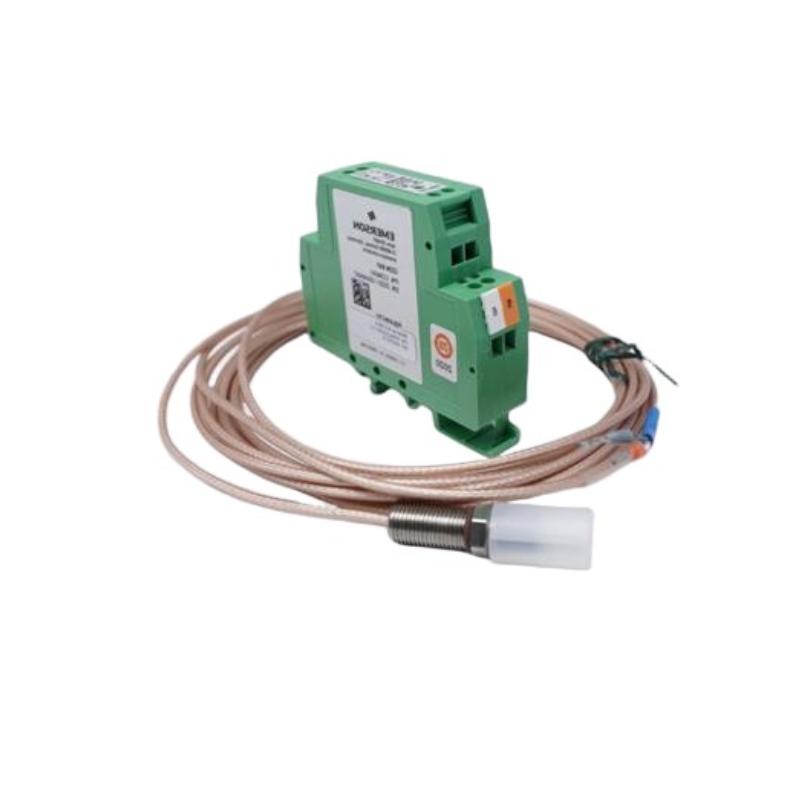
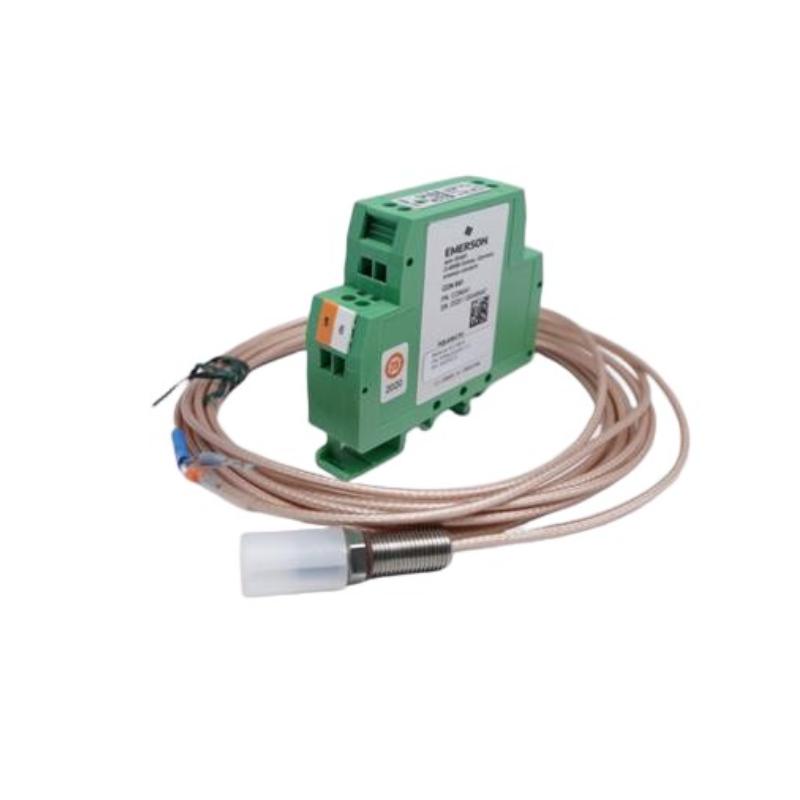
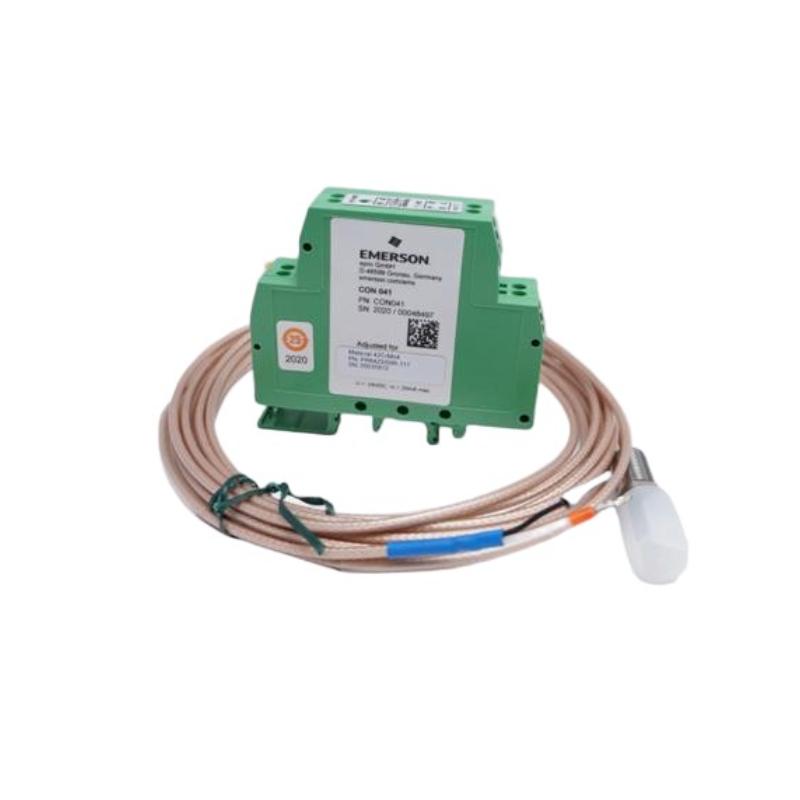
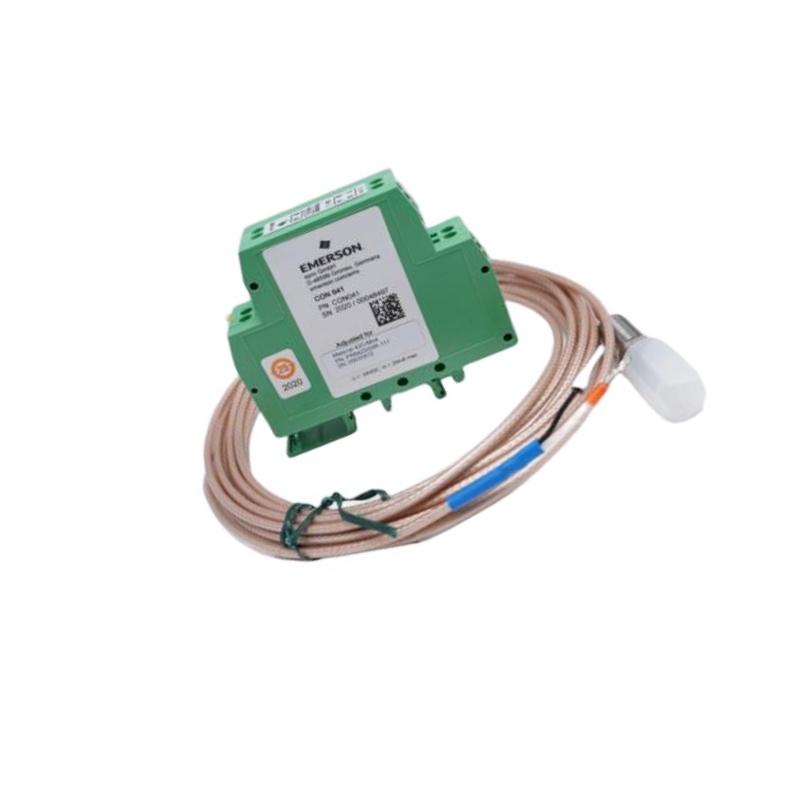
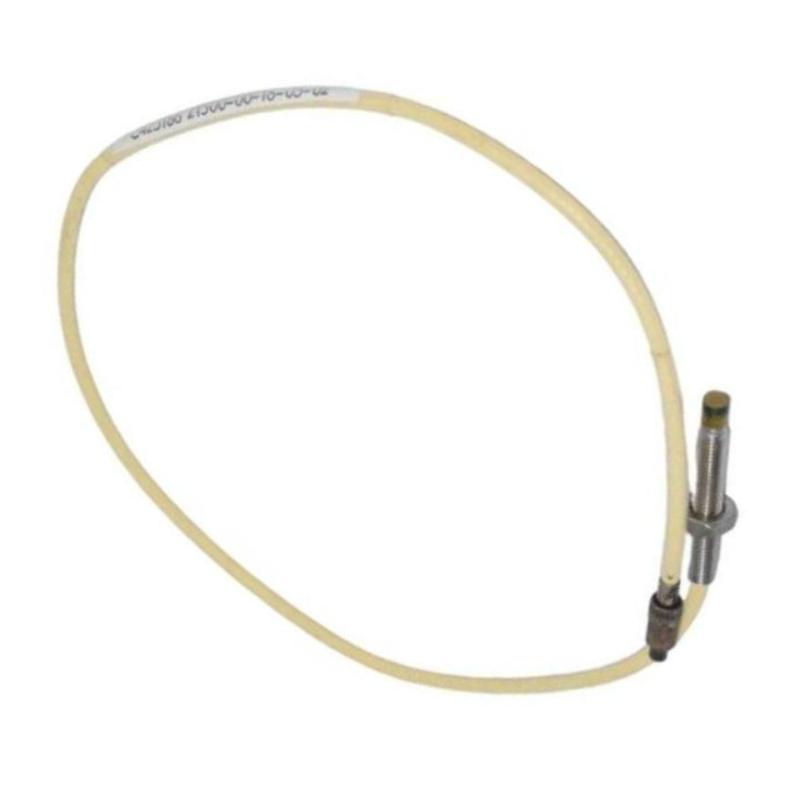
Epro PR6423/001-121 8 mm Eddy Current Sensor

Brand:Epro PLC
Item No.:PR6423/001-121
Product Origin:Epro
Product Dimensions:Sensor Head Diameter:8 mm
Product Weight:0.1 kg
Payment:T/T, Western Union, Credit Card
Goods_stock:15
Shipping Port:Xiamen, China
Lead Time:1-3 Days
Condition:Brand New And Original
Warranty:1 Year
Certificate:COO
Evaluation:

0.0
Points

  • Product Details
  • Product Applications
  • Product Advantages
  • Technical FAQs
  • Contact


Technical Overview

The Epro PR6423/001-121 Eddy Current Sensor is part of a series designed for precise non-contact displacement measurement in industrial rotating equipment. These sensors are commonly used in advanced machinery monitoring setups where maintaining equipment reliability and operational safety is essential.

From a system engineering standpoint, the sensor provides accurate and consistent vibration data that supports both operational monitoring and long-term maintenance planning. Its compact design and stable sensing performance make it a practical choice for demanding mechanical environments.


Technical Specifications

ParameterSpecification
ManufacturerEpro
ModelPR6423/001-121
Module TypeEddy Current Sensor
Sensor Head Diameter8 mm
Measurement TechnologyEddy current non-contact sensing
Primary FunctionShaft vibration and displacement monitoring
Installation AreaTurbines, compressors, motors, rotating machinery
IntegrationMachine protection and condition monitoring systems
DimensionsSensor head diameter: 8 mm
Weight0.1 kg (0.22046 lb)


Application Environments in Rotating Machinery

The Epro PR6423/001-121 Eddy Current Sensor is widely used in monitoring systems designed for large rotating equipment operating under demanding industrial conditions. It is commonly installed in turbine monitoring systems, centrifugal compressors, and heavy-duty motors where precise shaft displacement measurement is required for safe operation.

In many facilities, this sensor works as part of a multi-channel vibration monitoring architecture that continuously tracks shaft motion near bearing positions. Engineers deploy it to help identify mechanical issues such as shaft instability, early-stage imbalance, or mechanical looseness that could lead to equipment downtime if left undetected.


Performance Advantages in Engineering Applications

A notable advantage of this sensor is the reliability of its non-contact measurement method, which allows accurate monitoring without mechanical wear or interference with moving parts. This characteristic makes it suitable for equipment that operates continuously in industrial production environments.

The 8 mm sensor head diameter offers practical flexibility for installation, especially in equipment with restricted mounting space near bearing housings. This allows the sensor to be installed close to the measurement target, improving signal quality and detection accuracy.

Another operational benefit is its compatibility with industrial machinery protection systems. When integrated correctly, the sensor supports long-term vibration trend analysis and helps maintenance teams make informed decisions about equipment health.


Technical FAQs

  1. What type of measurements can the PR6423/001-121 provide?
    It is designed to measure shaft displacement and vibration using eddy current sensing technology.
  2. Is the sensor suitable for continuous equipment monitoring?
    Yes, it is intended for permanent installation in machine protection and condition monitoring systems.
  3. How does the sensor maintain stable readings in vibrating environments?
    Proper mounting structure and correct probe gap adjustment ensure stable and reliable signal output.
  4. Can this sensor be installed on high-speed rotating shafts?
    Yes, it is commonly used in turbines and compressors operating at high rotational speeds.
  5. What role does the sensor play in predictive maintenance systems?
    It provides vibration data used to detect abnormal mechanical behavior before serious faults occur.
  6. Does the sensor require a specific installation orientation?
    It must be aligned toward the conductive shaft surface at the correct distance to maintain measurement accuracy.
  7. Can multiple sensors be used together on one machine?
    Yes, machines often use multiple sensors positioned around bearings to measure shaft movement in different directions.
  8. How does the sensor integrate with monitoring controllers?
    It connects to compatible signal converters and monitoring modules that process and analyze vibration signals.
  9. Is the sensor appropriate for critical equipment protection systems?
    Yes, it is widely used in machine protection systems that trigger alarms or shutdown procedures when thresholds are exceeded.
  10. What factors influence long-term measurement stability?
    Environmental conditions, proper installation, cable shielding, and system calibration all contribute to stable performance.


Sales and Business Development

Phone: +8617350837383
E-mail: [email protected]
Skype: +8617350837383
WhatsApp: +8617350837383
Business hours: We Provide Online Support 24/7
Address: Room 1001, Jiuzhou Commercial Building, Xiamen, Fujian Province, China

Leave a message