Overview
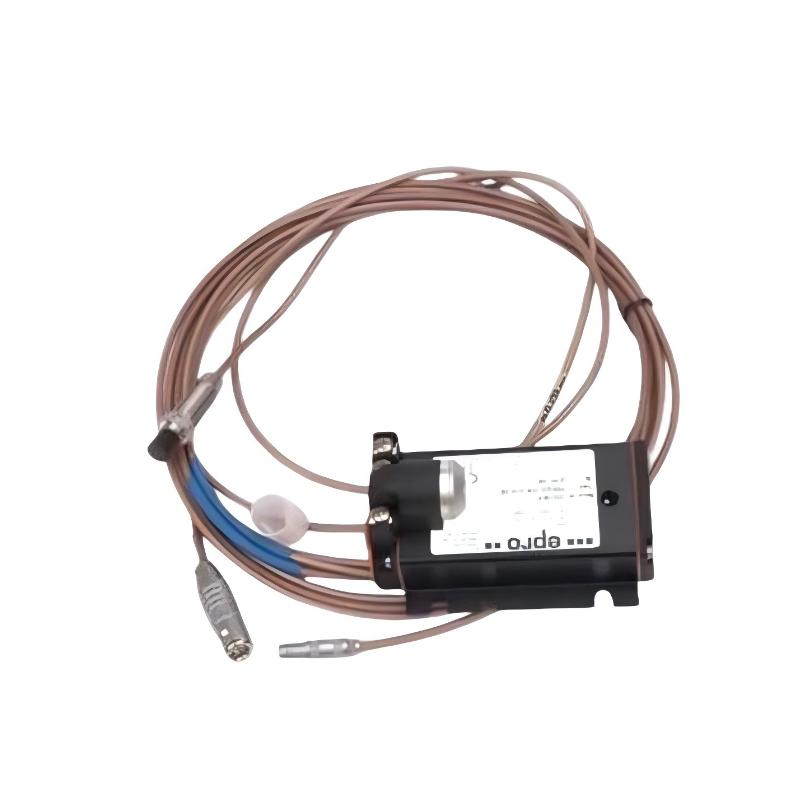
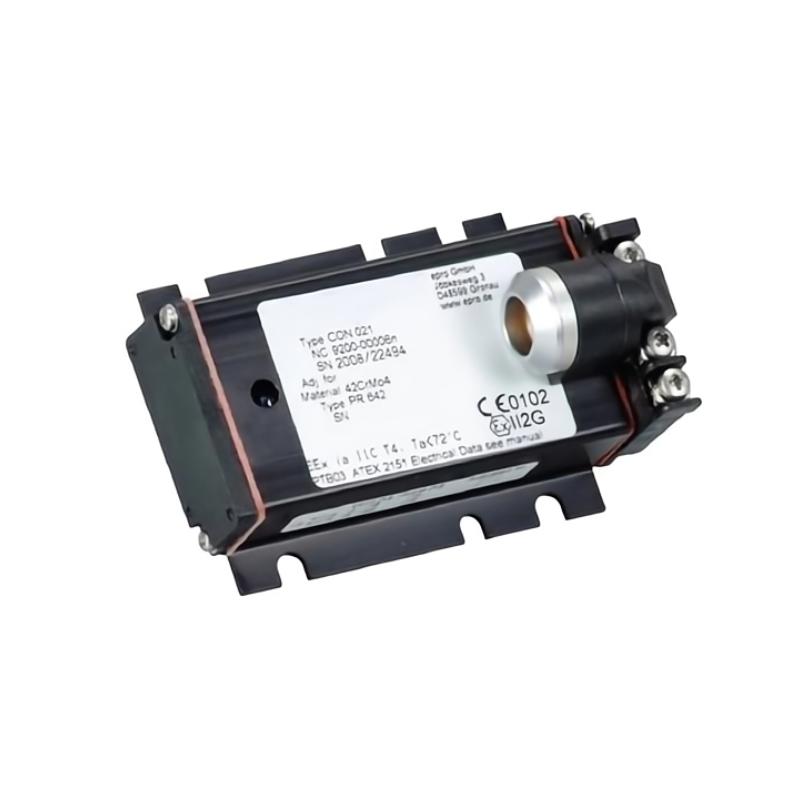
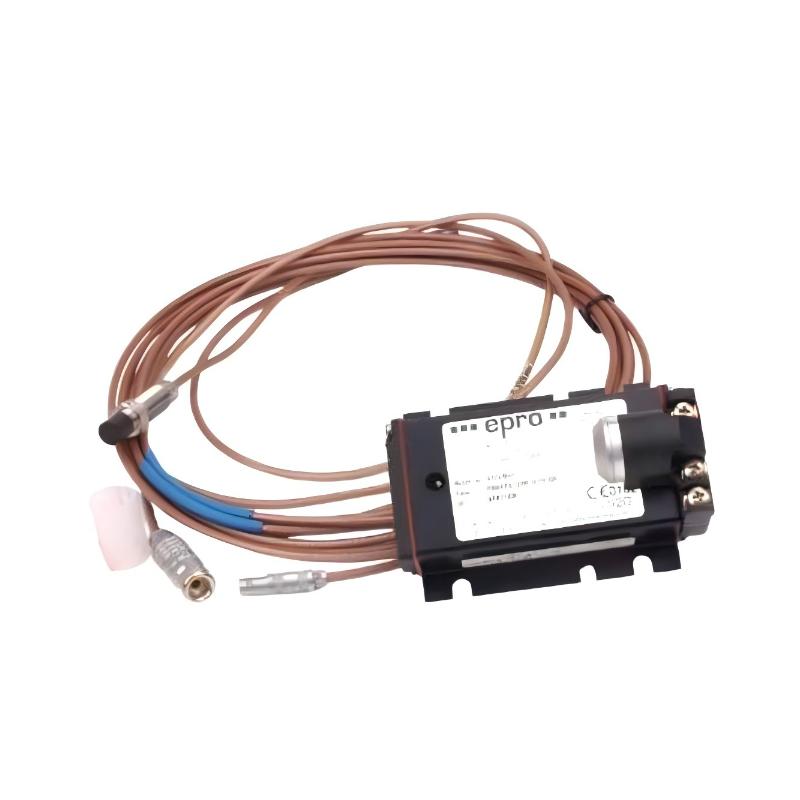
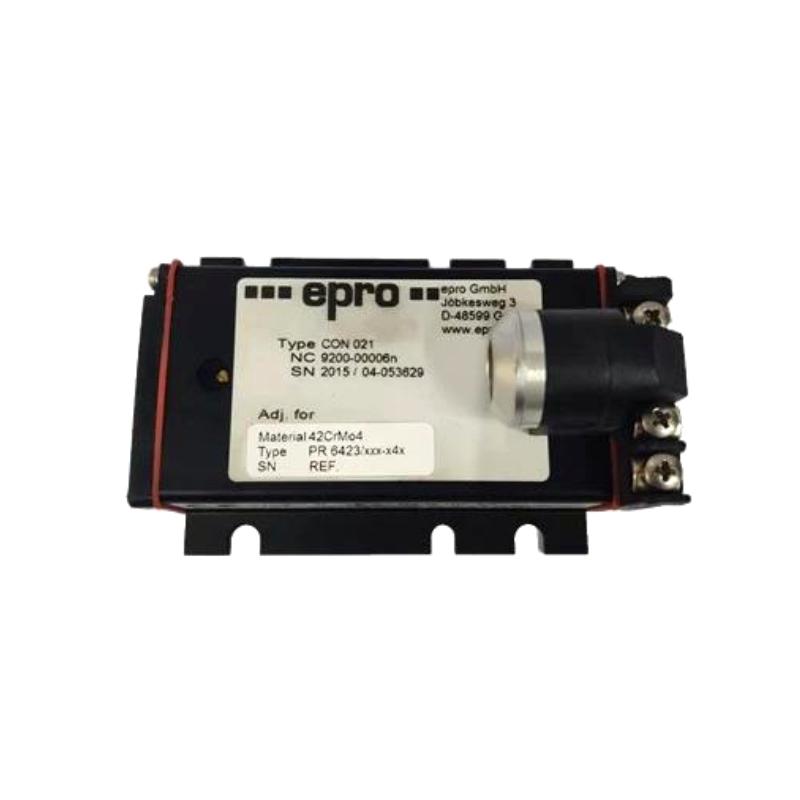
The Epro PR6423/001-011-CN+CON021 Eddy Current Sensor is a precision monitoring solution developed for demanding rotating equipment environments. It combines a high-sensitivity eddy current probe with a compatible connection interface designed for stable operation within machinery protection and vibration monitoring systems.
From a technical evaluation perspective, this sensor assembly is particularly useful in installations where long-term reliability and accurate shaft monitoring are essential for maintaining equipment safety and performance.
Technical Specifications
| Parameter | Specification |
|---|
| Manufacturer | Epro |
| Model | PR6423/001-011-CN+CON021 |
| Module Type | Eddy Current Sensor |
| Sensor Head Diameter | 8 mm |
| Measurement Technology | Non-contact eddy current sensing |
| Typical Application | Shaft vibration and displacement monitoring |
| Integration | Machinery protection and condition monitoring systems |
| Installation Environment | Rotating equipment and turbomachinery |
| Dimensions | Sensor head diameter: 8 mm |
| Weight | 0.22 kg (0.48502 lb) |
Industrial Use Cases
The Epro PR6423/001-011-CN+CON021 Eddy Current Sensor is designed for precision monitoring of rotating machinery where shaft movement must be tracked continuously. In many industrial plants, this sensor assembly is installed near turbine bearings, compressor shafts, and high-load motors to monitor displacement and vibration conditions in real time.
Maintenance teams typically integrate this sensor with machine condition monitoring systems to detect early signs of imbalance, shaft misalignment, or bearing degradation. Because it uses non-contact measurement, the sensor can operate effectively even in equipment that runs continuously for long production cycles.
Key Benefits Observed by Engineers
A practical advantage of this configuration is the combination of the PR6423 sensor probe with the CON021 connection system, which supports stable signal transmission and easier system integration in industrial monitoring setups.
The compact 8 mm sensor head diameter allows installation in locations where space is limited, such as turbine casings or compressor housings. This is especially valuable in retrofit projects where existing equipment has restricted mounting areas.
Another benefit is the sensor’s suitability for long-term vibration trend analysis. Engineers can rely on the consistent output signals when integrating the sensor into predictive maintenance platforms that monitor machine health over time.
Technical FAQs
-
What is the role of the CON021 component in this configuration?
The CON021 is part of the signal connection and conditioning chain that ensures stable data transmission between the sensor probe and the monitoring system.
-
Is this sensor configuration suitable for turbomachinery protection systems?
Yes, it is commonly used in turbine and compressor protection systems where accurate shaft displacement data is required.
-
Can the sensor measure both static displacement and dynamic vibration?
Yes, eddy current sensors are capable of measuring shaft position as well as vibration signals simultaneously.
-
How does installation location influence performance?
Mounting the sensor near bearing locations provides the most reliable measurement of shaft behavior and mechanical stability.
-
What industries most frequently use this sensor model?
Power generation, petrochemical processing, oil and gas production, and heavy industrial manufacturing commonly deploy this sensor.
-
Does the sensor require calibration after installation?
Yes, proper system calibration ensures accurate signal output and correct interpretation by monitoring systems.
-
How resistant is the sensor to electromagnetic interference in industrial plants?
The design supports stable operation in typical industrial electromagnetic environments when installed with proper shielding.
-
Can this sensor be used in continuous operation machinery?
Yes, it is designed specifically for equipment that operates continuously and requires ongoing monitoring.
-
What type of monitoring systems typically receive the sensor signal?
Machinery protection systems, vibration analyzers, and distributed condition monitoring platforms commonly use the sensor output.
-
Is the sensor suitable for predictive maintenance strategies?
Yes, it provides reliable vibration and displacement data used to identify mechanical issues before failure occurs.
 A DCS Q Co., Ltd. - PLC and DCS Industrial Control Equipment Wholesale











