Product Overview
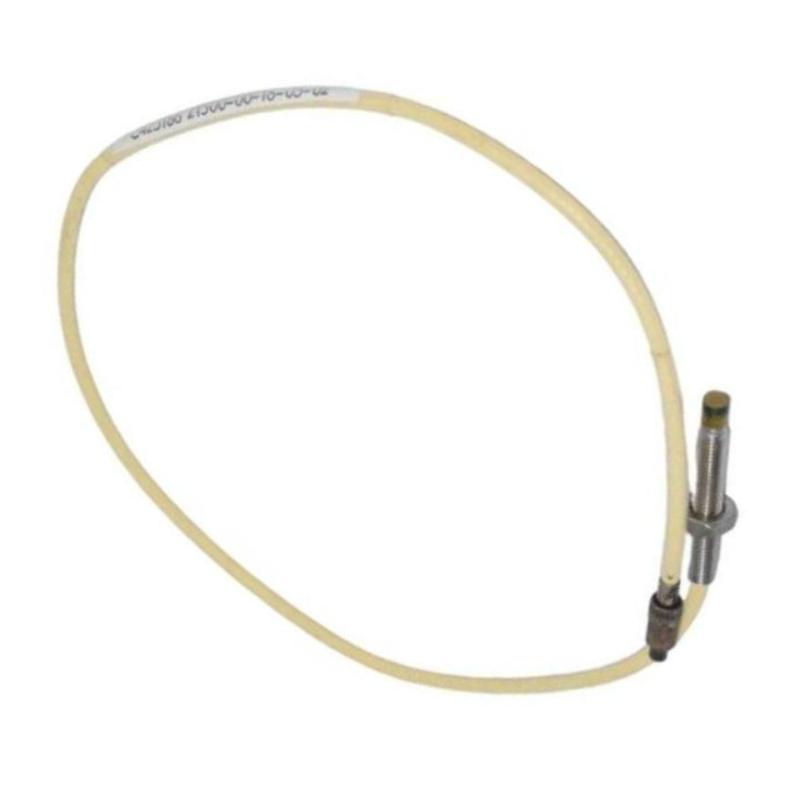
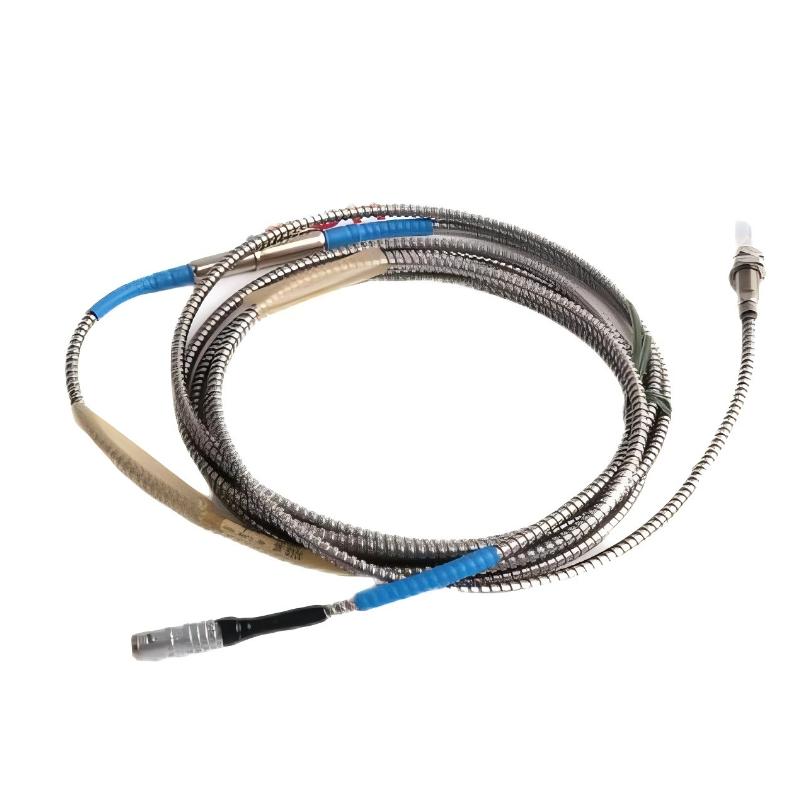
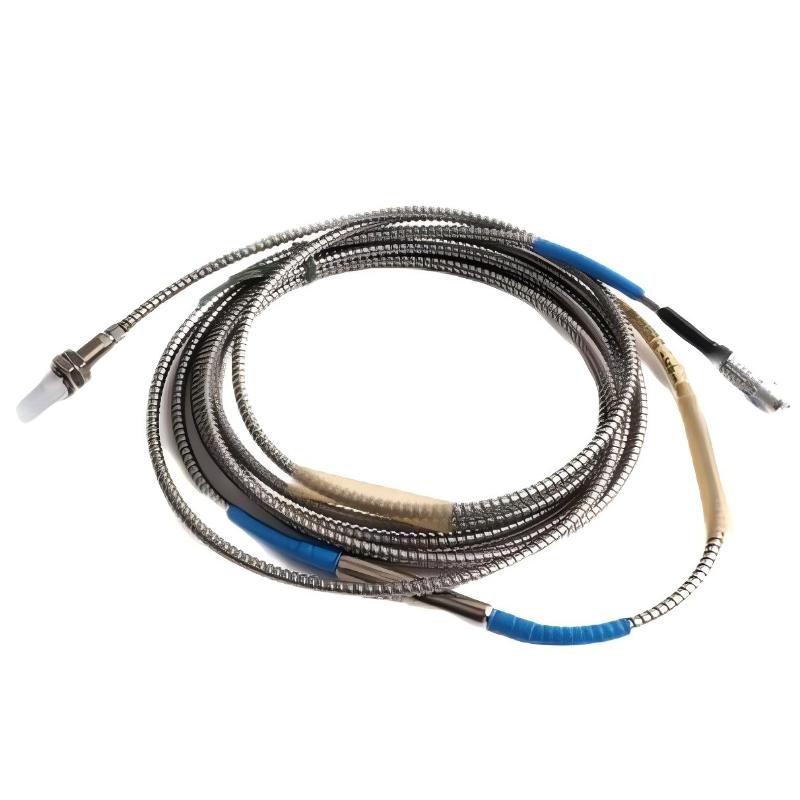
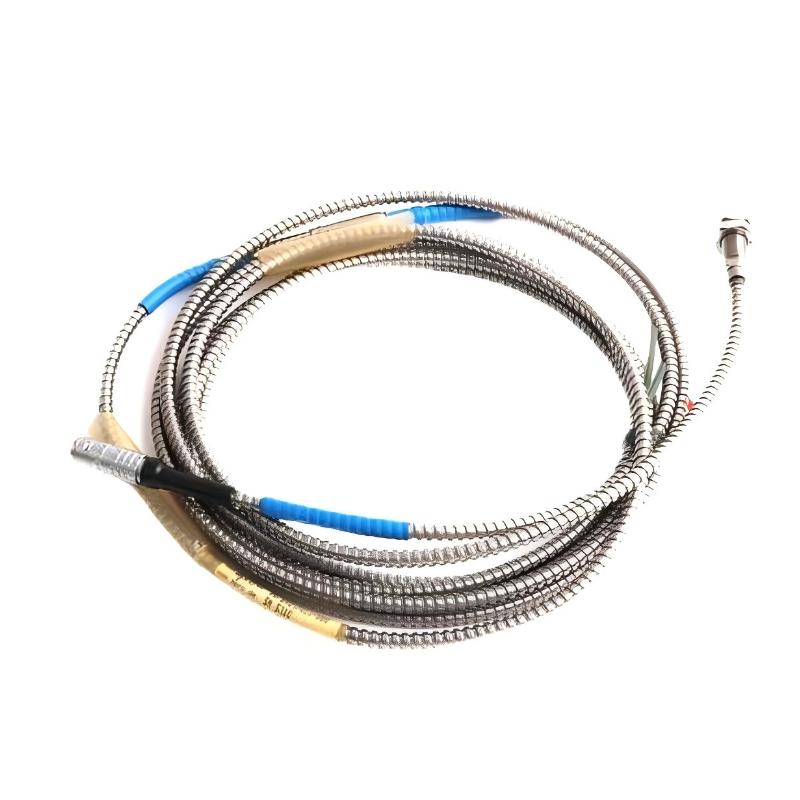
The Epro PR6423/001-010 Eddy Current Sensor is a precision non-contact measurement device designed for industrial vibration and displacement monitoring. Built for reliability in demanding mechanical environments, it is commonly used as part of a comprehensive machine condition monitoring system.
From a practical engineering perspective, this sensor is valued for its consistent performance in turbomachinery monitoring, where accurate shaft position and vibration data are essential for maintaining equipment reliability. Its compact probe design and stable signal characteristics make it a trusted component in modern rotating equipment diagnostics.
Technical Specifications
| Parameter | Specification |
|---|
| Manufacturer | Epro |
| Model | PR6423/001-010 |
| Device Type | Eddy Current Sensor |
| Sensor Head Diameter | 8 mm |
| Measurement Principle | Non-contact eddy current sensing |
| Typical Application | Shaft vibration and displacement monitoring |
| Installation Type | Industrial machinery monitoring systems |
| Operating Environment | Rotating equipment and turbomachinery |
| Dimensions | Sensor head diameter: 8 mm |
| Weight | 0.1 kg (0.22046 lb) |
Where This Sensor Is Typically Used
The Epro PR6423/001-010 Eddy Current Sensor is widely applied in rotating machinery monitoring, especially in industries where continuous condition monitoring is essential. It is commonly installed on steam turbines, compressors, pumps, and large electric motors to measure shaft vibration and displacement with high precision.
Engineers frequently deploy this sensor in predictive maintenance systems integrated with vibration monitoring platforms. In power generation plants and petrochemical facilities, it plays a key role in detecting early signs of mechanical instability such as misalignment, shaft runout, or bearing wear.
Another practical use is in high-speed machinery environments where non-contact measurement is necessary to avoid mechanical interference while maintaining accurate real-time monitoring.
Engineering Advantages Observed in Practice
One of the strengths of the PR6423/001-010 is its stable measurement performance in harsh industrial conditions. The eddy current sensing principle allows reliable detection even in environments with oil mist, vibration, or temperature fluctuations typically found in turbomachinery rooms.
The compact 8 mm sensor head diameter also makes it suitable for installations with tight mounting constraints, such as turbine bearing housings or monitoring points close to rotating shafts.
Another advantage is its compatibility with professional vibration monitoring systems used in condition-based maintenance programs. When integrated correctly, the sensor provides consistent signals that support long-term trend analysis and machine protection strategies.
Technical FAQs
-
What measurement principle does the PR6423/001-010 use?
It uses the eddy current method to measure displacement or vibration by detecting changes in the electromagnetic field near a conductive target surface.
-
Can this sensor be used for continuous shaft vibration monitoring?
Yes, it is designed for continuous monitoring in rotating machinery protection and condition monitoring systems.
-
How does installation distance affect measurement accuracy?
Proper probe gap calibration is important; maintaining the recommended working distance ensures linear output and stable signal quality.
-
Is the sensor suitable for high-speed rotating equipment?
Yes, it is specifically designed for high-speed shafts where non-contact measurement is required to avoid mechanical wear.
-
What type of target materials work best with this sensor?
Conductive metals such as steel shafts provide optimal signal response and measurement stability.
-
Can the sensor operate in high-vibration industrial environments?
Yes, it is commonly used in heavy industrial machinery where mechanical vibration levels are significant.
-
How is signal stability maintained over long-term operation?
Stability is maintained through proper installation, shielding, and integration with compatible signal converters or monitoring systems.
-
Does the sensor support integration with machine protection systems?
Yes, it is frequently used with machinery protection systems that monitor vibration thresholds and trigger alarms or shutdowns.
-
What factors should engineers consider during mounting design?
Mounting rigidity, probe alignment with the shaft, and correct gap setting are critical to achieving accurate readings.
-
Is the sensor appropriate for predictive maintenance programs?
Absolutely. It is widely used in predictive maintenance strategies to detect early-stage mechanical issues before failure occurs.
 A DCS Q Co., Ltd. - PLC and DCS Industrial Control Equipment Wholesale