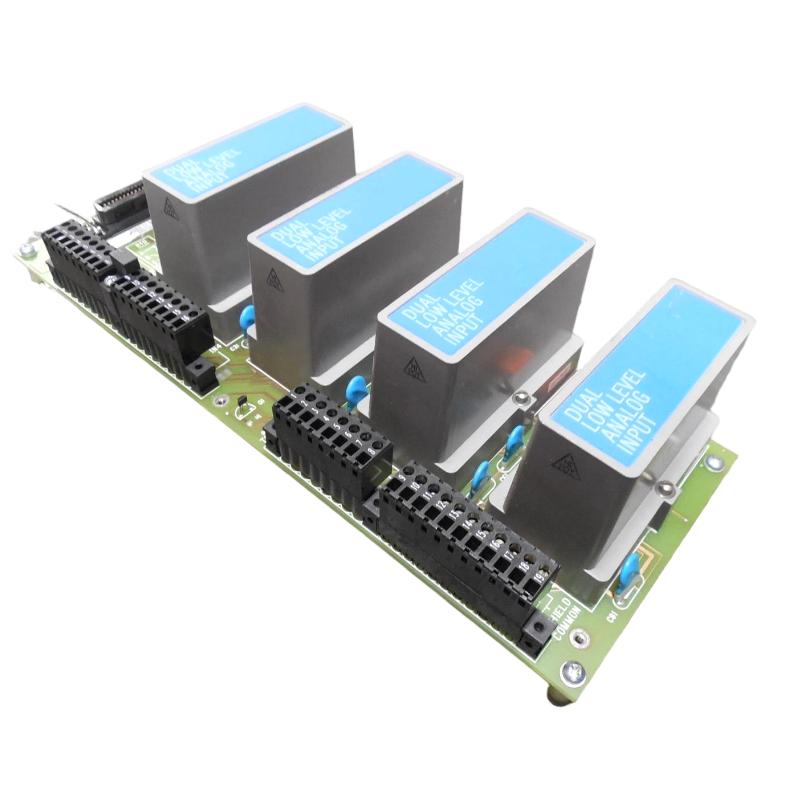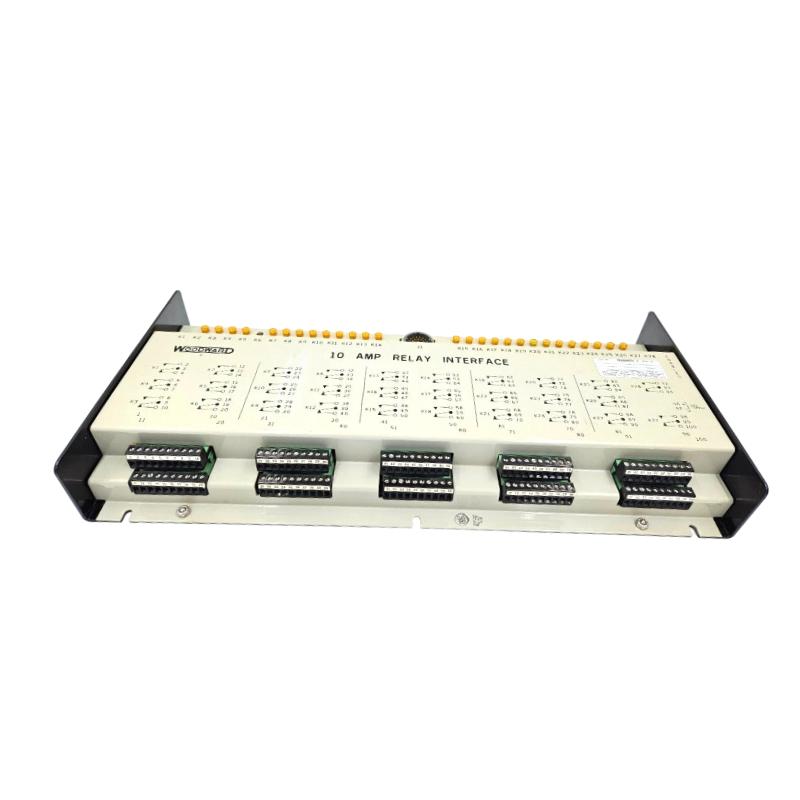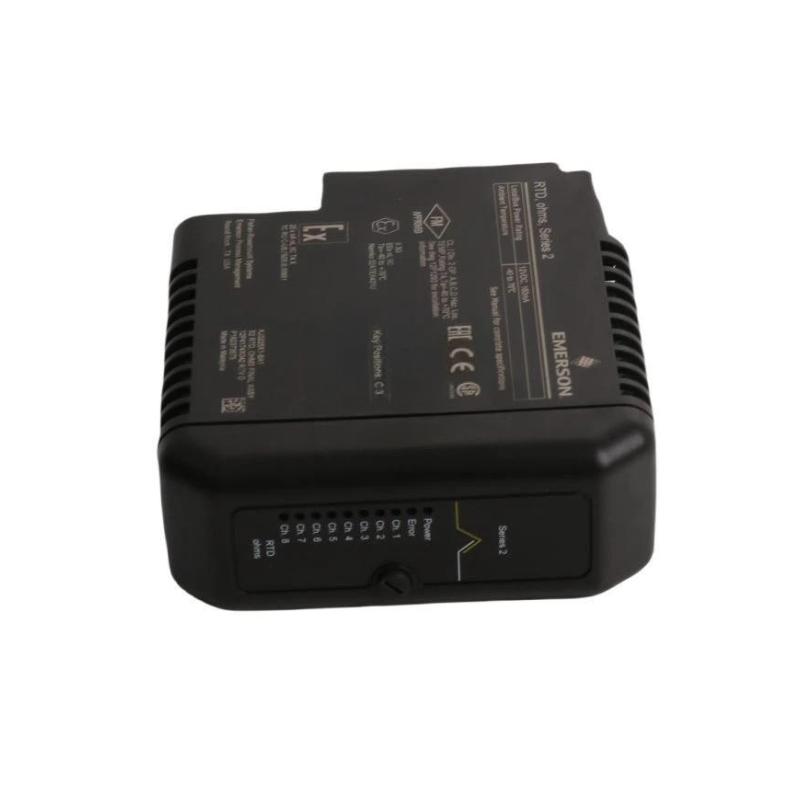
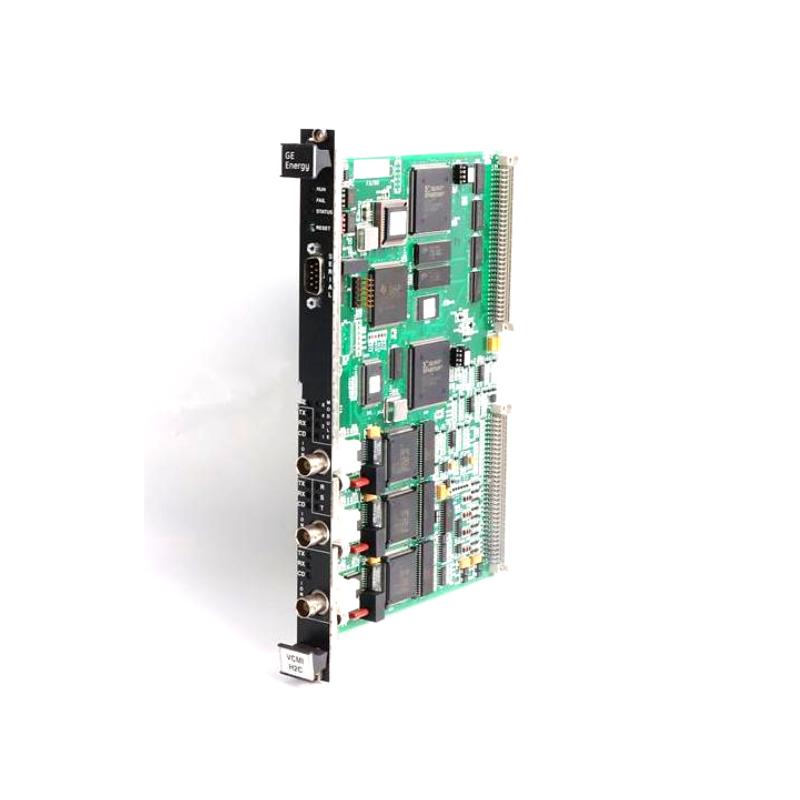
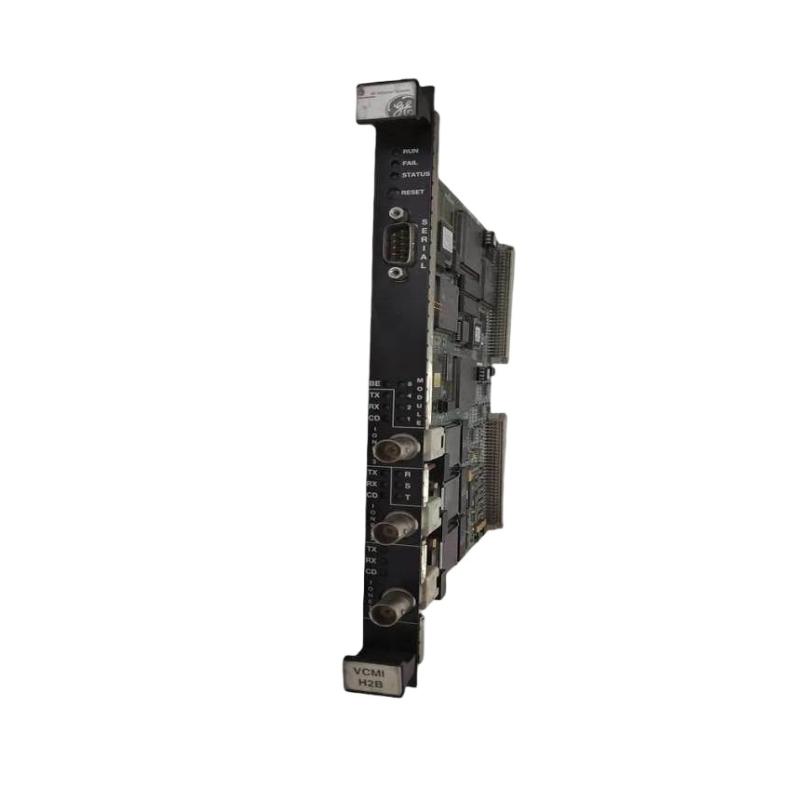
Product Overview
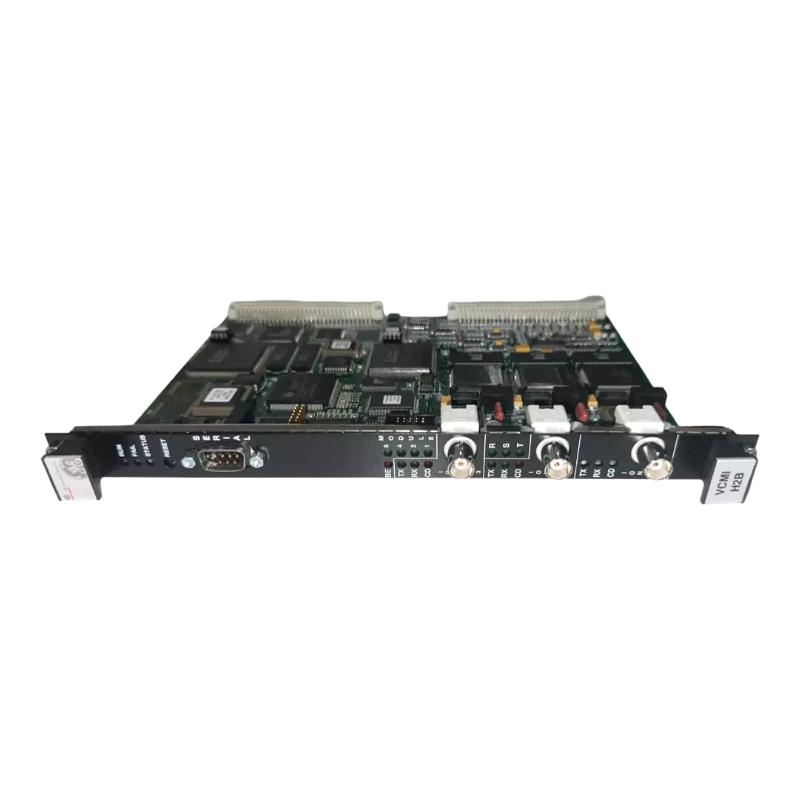
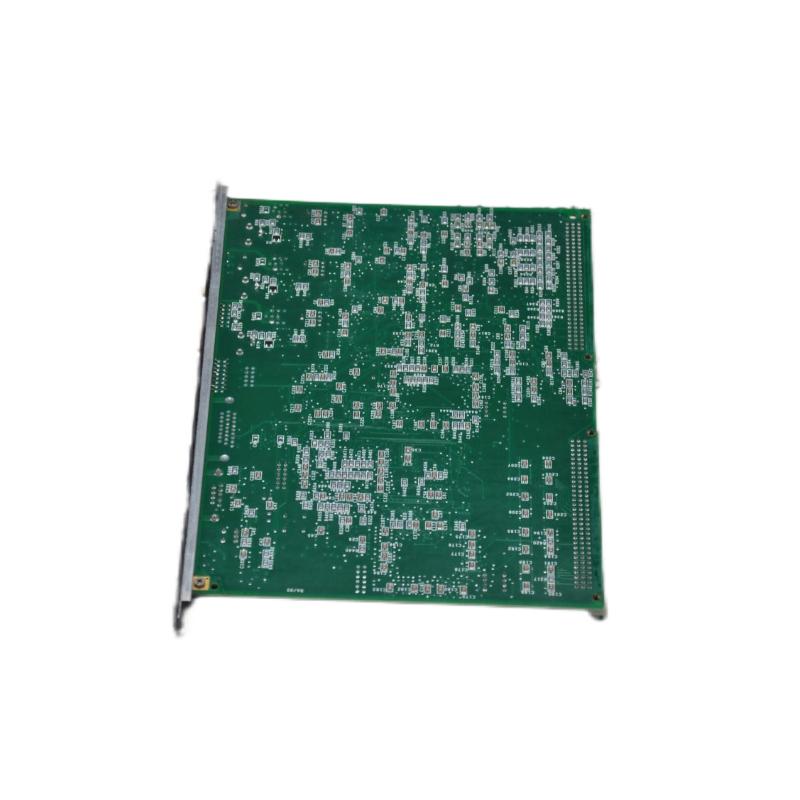
The GE IS215VCMIH2B (also referenced as IS200VCMIH2B) VME Communications Interface Board is a high‑performance communication module engineered for the GE Mark VI and Mark VIe Speedtronic control systems. Designed for installation in a VMEbus backplane, this board provides a reliable communication backbone between the central controller and peripheral I/O, diagnostic, and network modules.
With robust electrical design and optimized data handling, the IS215VCMIH2B ensures high‑speed, synchronized data transfer critical for real‑time control, protection, and monitoring in advanced turbine and industrial automation environments.
Technical Specifications
| Parameter | Details |
|---|
| Model | IS215VCMIH2B / IS200VCMIH2B |
| Module Type | VME Communications Interface Board |
| Series | GE Mark VI / Mark VIe |
| Backplane Support | Standard VMEbus slot |
| Communication | High‑speed parallel data transfer |
| Protocol | Proprietary Mark VI communication signaling |
| Interfaces | VMEbus connectors |
| Indicators | Status and fault LEDs |
| Isolation | Backplane isolation for signal integrity |
| Operating Temperature | -20 °C to +65 °C |
| Mounting | VME rack / backplane slot |
| Dimensions | Standard VME card form factor |
| Weight | Approx. 0.6 kg |
Application Scenarios
The IS215VCMIH2B / IS200VCMIH2B board is used wherever reliable and high‑speed communication is essential:
-
Gas and steam turbine control systems
-
Power generation and distribution plants
-
Oil & gas automation and protection systems
-
Industrial process control networks
-
Integrated diagnostic and monitoring architectures
It ensures seamless, real‑time data exchange across the control system, enabling coordinated operation, fast response to faults, and consistent performance.
Technical FAQs
1. What is the main function of this board?
It provides high‑speed communication between the central processor and I/O or peripheral modules via the VMEbus.
2. Which systems is it compatible with?
It is designed for GE Mark VI and Mark VIe Speedtronic control platforms.
3. How is the module installed?
It mounts into a VMEbus slot in the control rack.
4. Does it include diagnostic indicators?
Yes, it has status and fault LEDs for real‑time monitoring.
5. What environments is it suited for?
Industrial turbine and process automation environments with typical conditions of -20 °C to +65 °C.
6. What communication protocols does it use?
Proprietary Mark VI backplane communication signaling.
7. Is the board isolated?
Yes, backplane isolation helps preserve signal quality.
8. Can it be used in redundant systems?
Yes, it supports redundant communication architectures where needed.
9. What industries commonly use it?
Power generation, oil & gas, industrial automation, and turbine control systems.
10. Does it support system diagnostics?
Yes, it facilitates data communication that supports real‑time diagnostics and monitoring.
 A DCS Q Co., Ltd. - PLC and DCS Industrial Control Equipment Wholesale