Product Overview
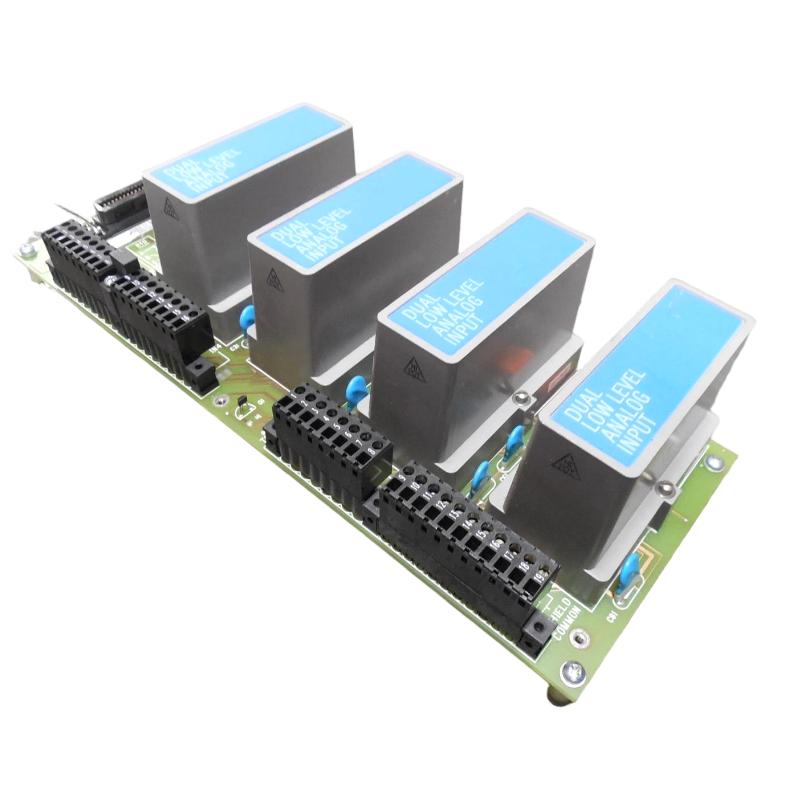
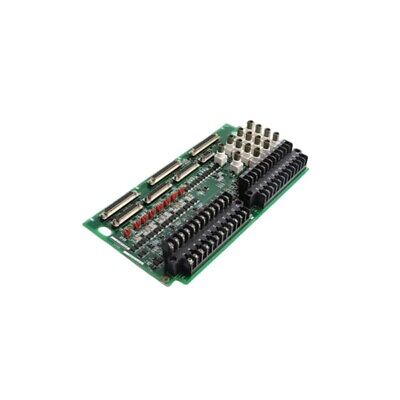
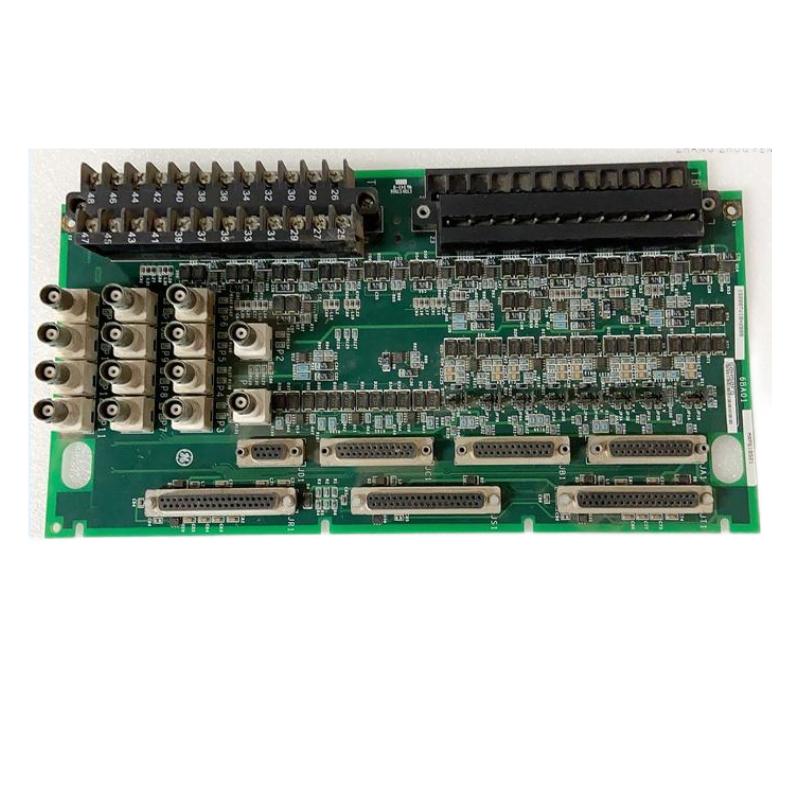
The GE IS200TVIBH2B Vibration Terminal Board is a rugged interface module designed for the Mark VI/Mark VIe Speedtronic control system. It provides precise vibration signal acquisition and conditioning from field-mounted vibration sensors, enabling real‑time monitoring and protection of rotating machinery such as turbines, compressors, and generators.
This board delivers high‑integrity vibration data directly to protection and monitoring systems, helping detect imbalance, bearing wear, shaft motion, and other mechanical anomalies before they evolve into critical failures. Its industrial‑grade design and clear diagnostics make it a dependable choice for predictive maintenance and safety‑critical applications.
Technical Specifications
| Parameter | Details |
|---|
| Model | IS200TVIBH2B |
| Module Type | Vibration Terminal Board |
| Series | GE Mark VI / Mark VIe |
| Input Channels | 8 vibration sensor inputs |
| Sensor Types | Proximity probes, velocity pickups, accelerometers |
| Signal Range | ±10 V / 4–20 mA configurable |
| Resolution | 16‑bit ADC |
| Isolation | Channel‑to‑channel galvanic isolation |
| Filtering | Active signal filtering for noise suppression |
| Indicators | LED status/fault indicators |
| Operating Temperature | -20°C to 65°C |
| Mounting | Rack‑mounted (Innovation Series) |
| Dimensions (HxWxD) | Approx. 160 × 120 × 40 mm |
| Weight | Approx. 0.8 kg |
Application Scenarios
The IS200TVIBH2B board is widely used in critical machinery condition monitoring and protection:
-
Steam and gas turbine vibration measurement
-
Generator bearing vibration monitoring
-
Compressor and pump vibration analysis
-
Predictive maintenance systems
-
Industrial automation requiring real‑time vibration feedback
It provides accurate vibration data to the control system, enabling early detection of faults and enhancing asset reliability.
Technical FAQs
1. How many vibration channels are available?
It supports 8 vibration sensor inputs.
2. What sensor types are supported?
Proximity probes, velocity pickups, and accelerometers.
3. What signal ranges does the board accept?
±10 V or 4–20 mA, configurable per channel.
4. What resolution does it provide?
16‑bit analog‑to‑digital conversion for high‑precision data.
5. Does it include signal filtering?
Yes, active filtering is included for noise suppression.
6. Is there electrical isolation between channels?
Yes, galvanic isolation is provided.
7. What is the operating temperature range?
-20°C to 65°C.
8. Are there diagnostic indicators?
Yes, LED indicators show channel status and faults.
9. Where is this board typically used?
Turbines, generators, compressors, and industrial vibration monitoring systems.
10. Is it compatible with Mark VIe systems?
Yes, it fully integrates within Mark VI and Mark VIe platforms.
 A DCS Q Co., Ltd. - PLC and DCS Industrial Control Equipment Wholesale