Applications
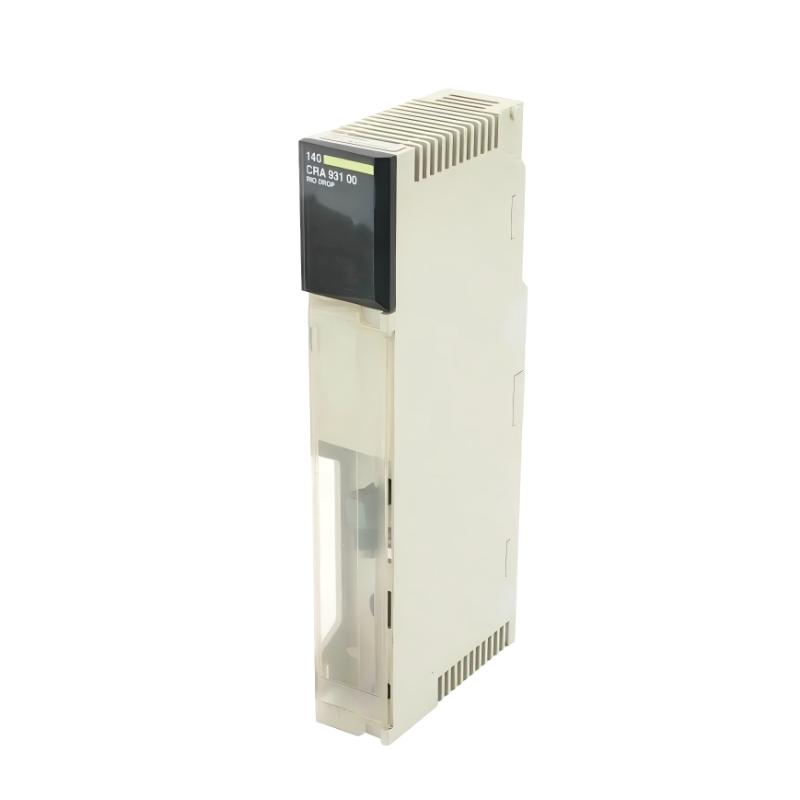
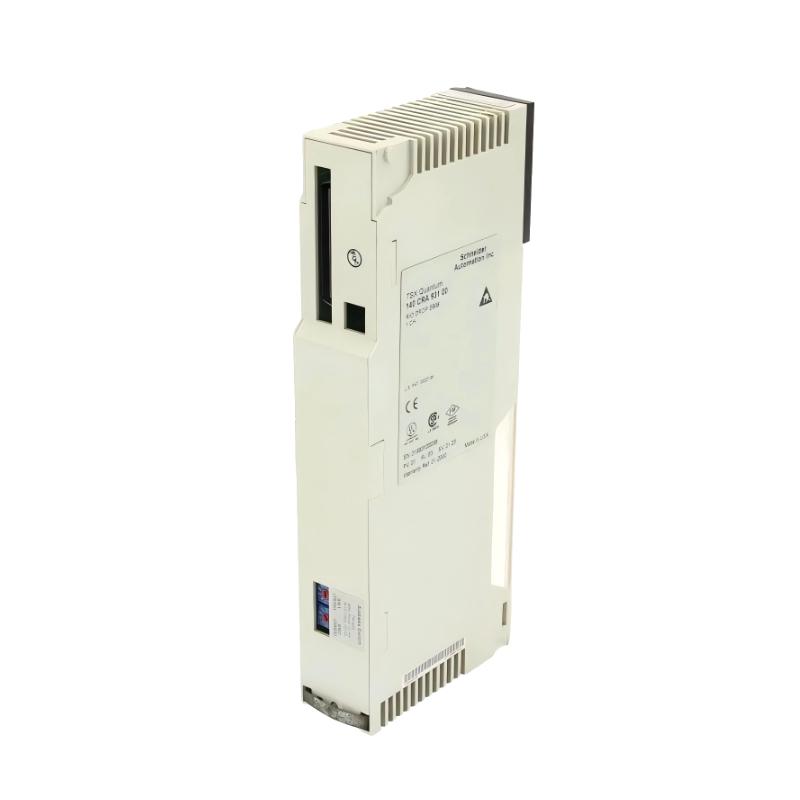
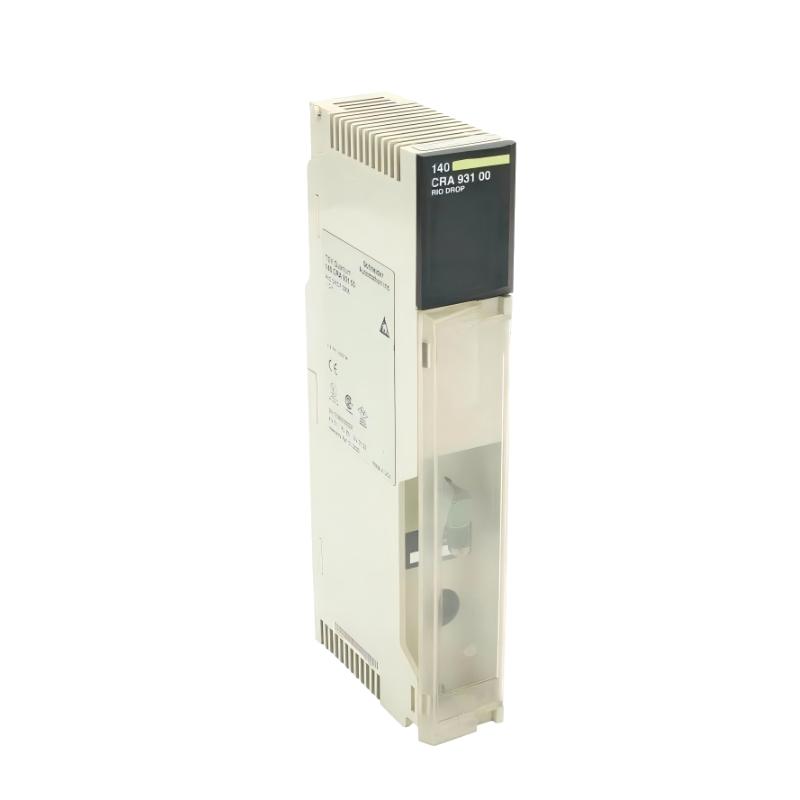
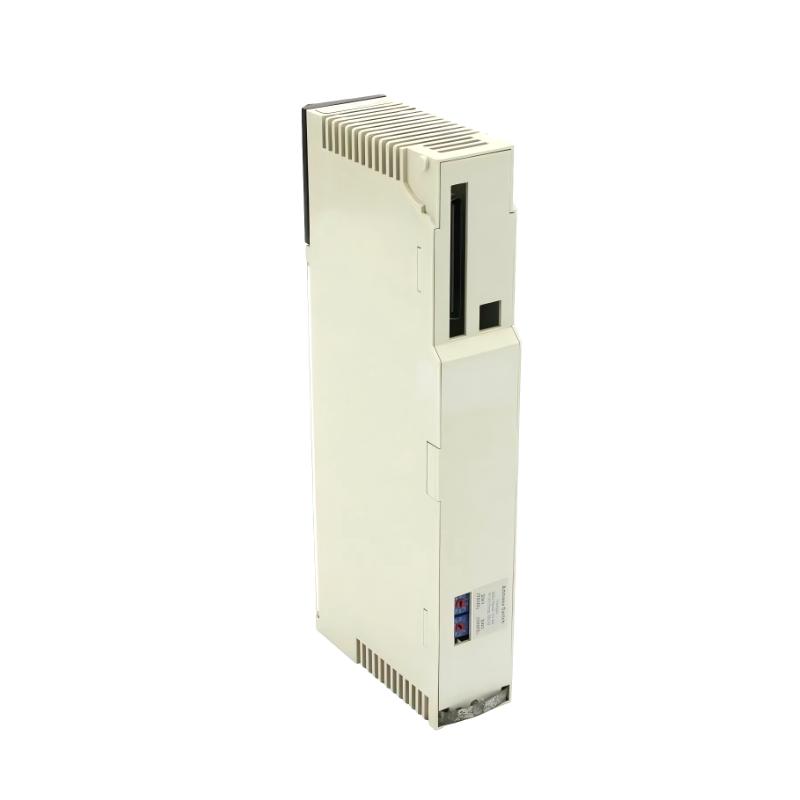
The Schneider 140CRA31200C Ethernet RIO Branch Adapter is designed to expand and manage Ethernet-based Remote I/O (RIO) networks in industrial automation systems. It allows multiple RIO modules to connect efficiently to controllers, providing flexible network topologies and reliable field communication.
Typical applications include:
-
Distributed control systems in manufacturing and process industries
-
Expansion of Ethernet-based RIO networks for field I/O modules
-
Integration of multiple field devices in industrial automation setups
-
Process plants in chemical, petrochemical, and energy sectors
-
Industrial facilities requiring scalable and reliable network expansion
This adapter ensures stable and efficient communication between controllers and distributed I/O devices.
Advantages
Ethernet Network Flexibility
Supports branching for connecting multiple RIO modules without extensive rewiring.
Reliable Data Communication
Maintains consistent and fast Ethernet-based communication across the network.
Compact Industrial Design
Small form factor suitable for installation in control cabinets with limited space.
Plug-and-Play Installation
Quick deployment with minimal configuration within Schneider Electric automation systems.
Enhanced Network Stability
Supports reliable operation, reducing downtime risks in industrial networks.
Technical FAQs
1. What is the main purpose of the 140CRA31200C?
It acts as a branch adapter for Ethernet-based RIO networks.
2. Can it connect multiple RIO modules simultaneously?
Yes, it allows branching to integrate several remote I/O modules.
3. Does it require software configuration?
Yes, it can be configured using Schneider Electric network configuration tools.
4. Is it compatible with standard industrial Ethernet networks?
Yes, it operates on Ethernet-based industrial communication protocols.
5. Can it operate in harsh industrial conditions?
Yes, it is built to withstand demanding industrial environments.
6. Does it support plug-and-play deployment?
Yes, it provides simple installation and integration with RIO modules.
7. How does it improve network reliability?
By ensuring stable connectivity and minimizing signal interruptions.
8. Can it expand an existing RIO network?
Yes, it supports scalable network expansion.
9. Does it provide diagnostic feedback?
Yes, it includes status indicators for connectivity and network health.
10. Which industries commonly deploy this adapter?
Manufacturing, process automation, chemical, energy, and water treatment industries.
 A DCS Q Co., Ltd. - PLC and DCS Industrial Control Equipment Wholesale