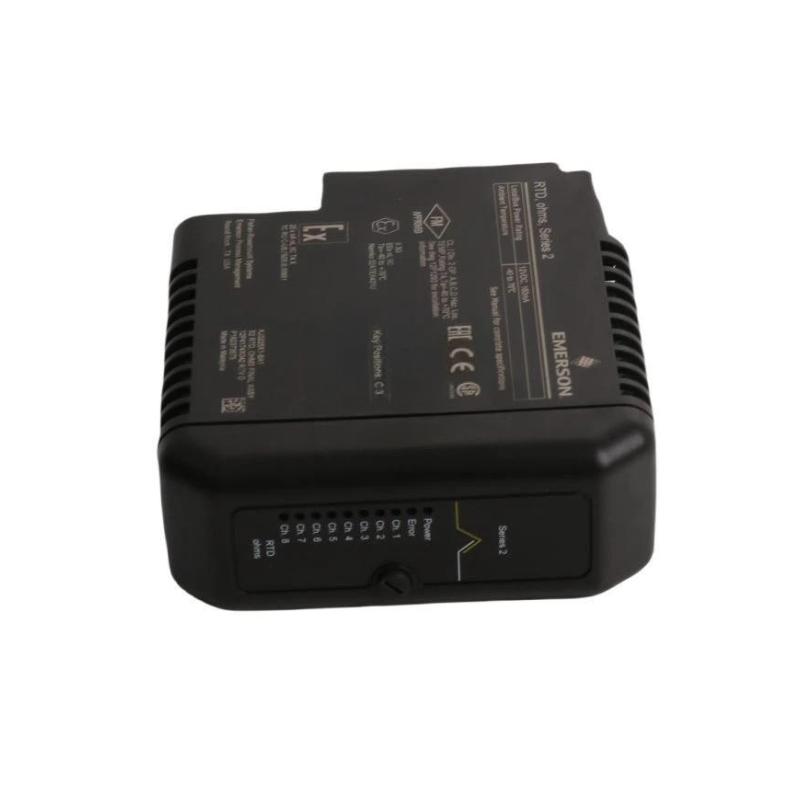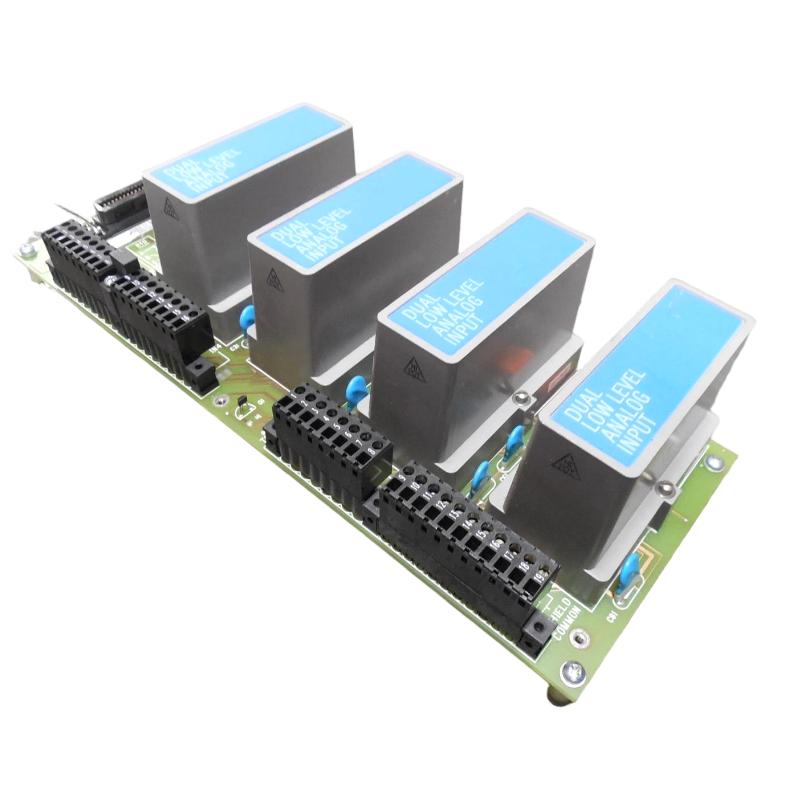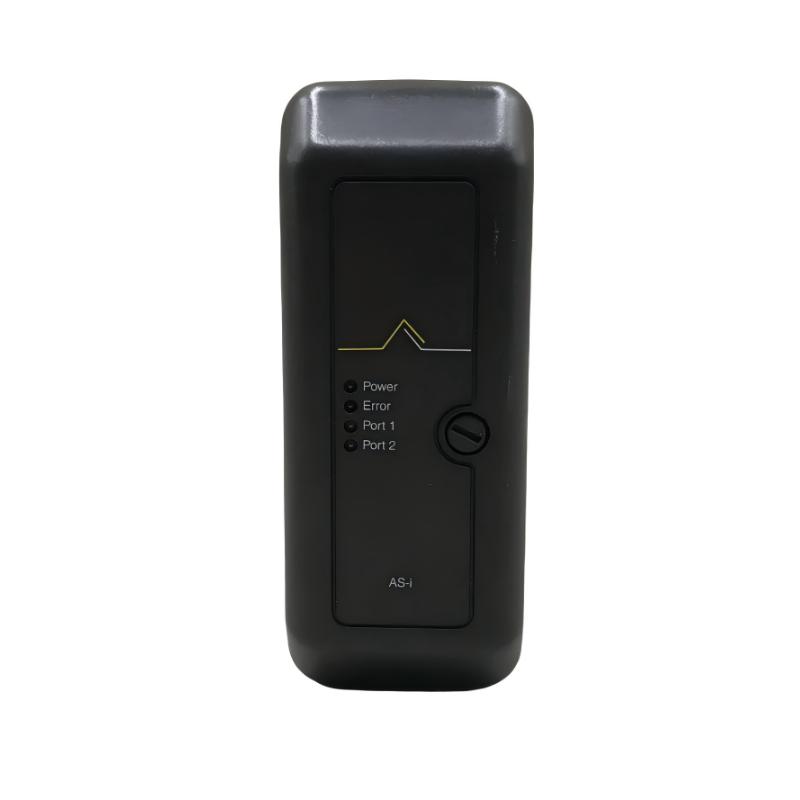
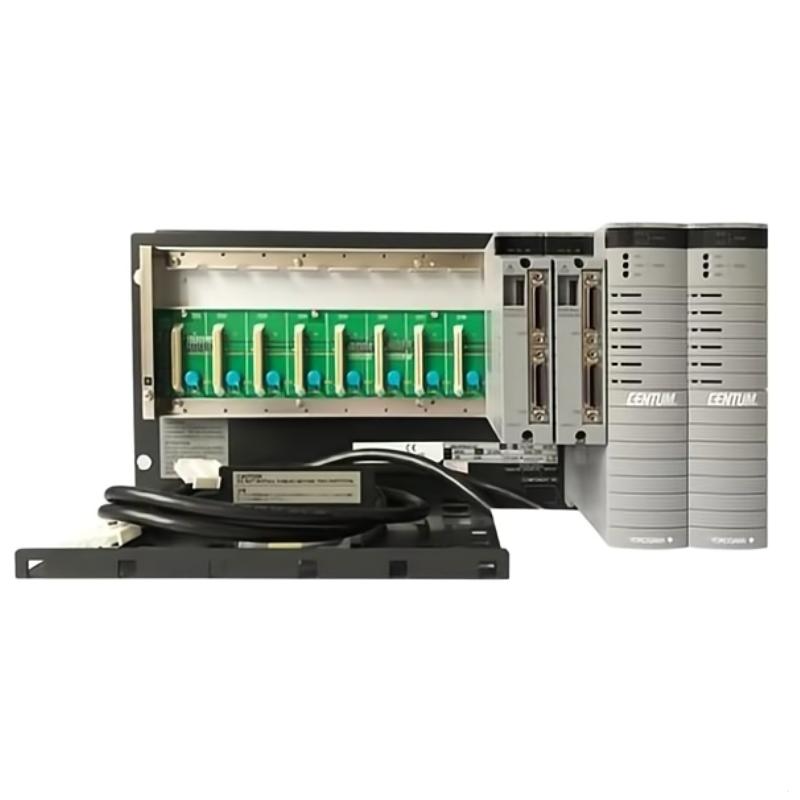
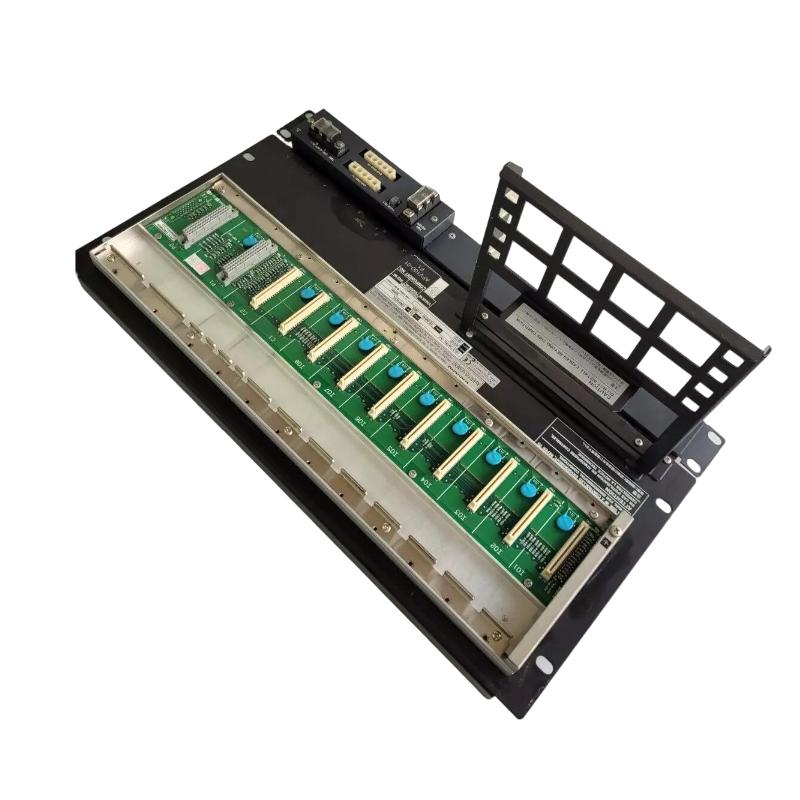
Product Perspective (Introduction)
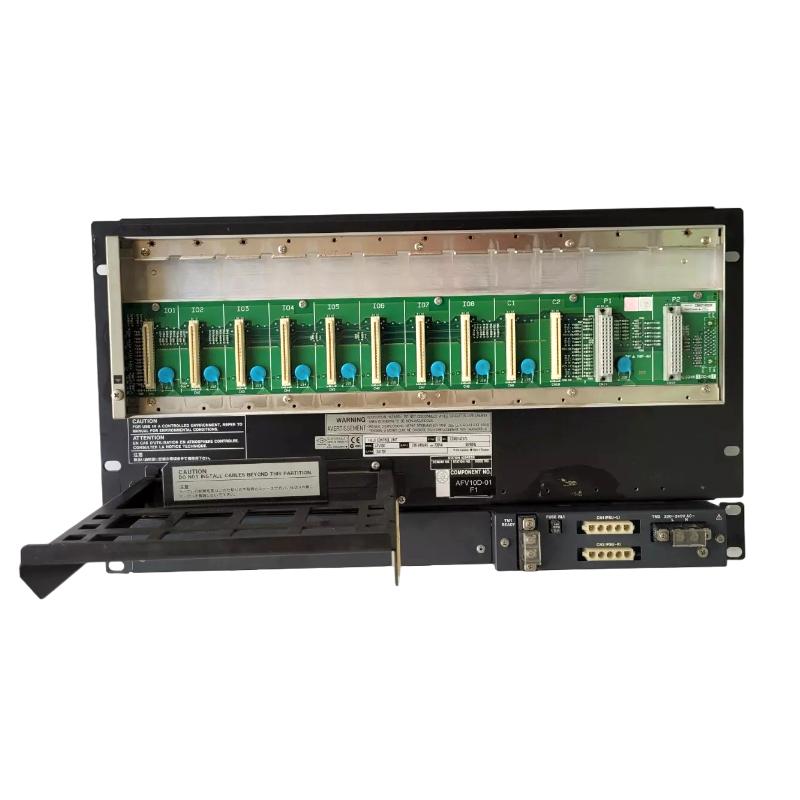
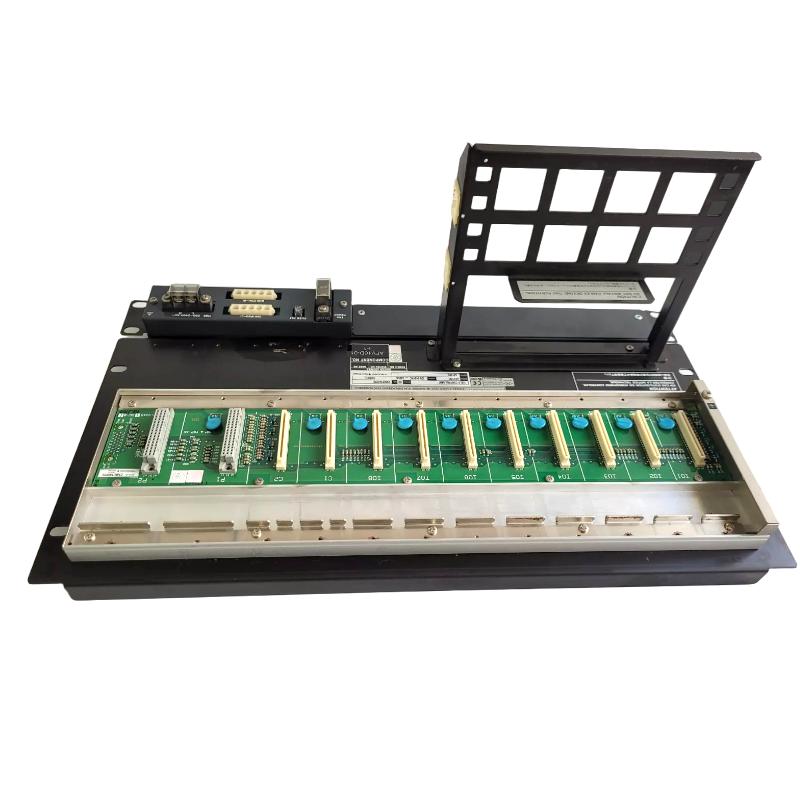
The Yokogawa AFV30D-A41251 Duplex Field Control Unit is a high-performance automation controller engineered for distributed control systems that require reliability and redundancy. It plays a central role in managing field-level communication and executing process control tasks across industrial facilities.
With its duplex design, the controller provides an additional layer of system resilience by allowing seamless failover between processing units. This capability helps maintain stable operations in facilities where downtime can impact safety, production efficiency, or operational continuity.
Its robust architecture and compatibility with distributed automation infrastructures make it an important component in modern industrial process control systems.
Technical Specifications
| Specification | Details |
|---|
| Manufacturer | Yokogawa |
| Model Number | AFV30D-A41251 |
| Module Type | Duplex Field Control Unit |
| Control Architecture | Redundant / Duplex |
| System Integration | Distributed Control Systems (DCS) |
| Installation | Industrial automation cabinet or rack |
| Operating Environment | Process control and automation facilities |
| Dimensions | 207 mm × 265.9 mm × 482.6 mm |
| Weight | 8 kg (17.64 lb) |
Deployment Environments (Applications)
The Yokogawa AFV30D-A41251 Duplex Field Control Unit is designed to operate as a reliable control processor within distributed automation systems. Its duplex architecture enables continuous monitoring and control of industrial processes while supporting redundancy for improved operational stability.
This unit is widely applied in environments such as:
-
Distributed control systems used in large processing plants
-
Oil and gas production, refining, and transportation operations
-
Power generation facilities and energy management systems
-
Chemical processing and petrochemical manufacturing plants
-
Water treatment and municipal automation infrastructure
-
Industrial production lines that require uninterrupted control capability
By maintaining redundant control pathways, the system helps ensure that plant operations remain stable and efficient.
System Strengths (Advantages)
Redundant Duplex Processing
Enhances reliability through automatic failover capability.
Efficient Field Device Management
Processes signals from distributed sensors and I/O networks in real time.
High Availability for Industrial Automation
Supports operations that require continuous uptime and process stability.
Flexible Integration
Works within Yokogawa distributed control system environments.
Engineered for Long-Term Operation
Designed to perform reliably in demanding industrial conditions.
Technical FAQs (Technical FAQs)
1. What is the main function of the AFV30D-A41251 unit?
It performs real-time field control and process data management within distributed automation systems.
2. Why is a duplex configuration important in this controller?
It ensures redundancy and seamless transition between active and standby control units.
3. Can this unit support large-scale automation systems?
Yes, it is designed for complex industrial control infrastructures.
4. What types of equipment typically interface with this unit?
Field sensors, actuators, remote I/O modules, and network communication components.
5. Does the unit support continuous industrial operation?
Yes, it is built for 24/7 process control environments.
6. How does redundancy improve plant reliability?
It reduces downtime by maintaining control functions even during hardware events.
7. Where is the control unit installed in a plant?
Usually inside control system cabinets or automation racks.
8. Is the controller suitable for mission-critical operations?
Yes, it is commonly deployed in critical process automation systems.
9. Does it support integration with other Yokogawa controllers?
Yes, it operates within Yokogawa distributed control architectures.
10. Which industries commonly implement this model?
Energy production, oil and gas processing, chemical manufacturing, and heavy industry.
 A DCS Q Co., Ltd. - PLC and DCS Industrial Control Equipment Wholesale